
Translated material
Elections against the background of the decline
At meetings in the Kremlin with the participation of Sergei Kiriyenko, they discuss the situation in the economy. She worsens again, and this, in turn, creates an unfavorable background for the start of Putin's presidential campaign
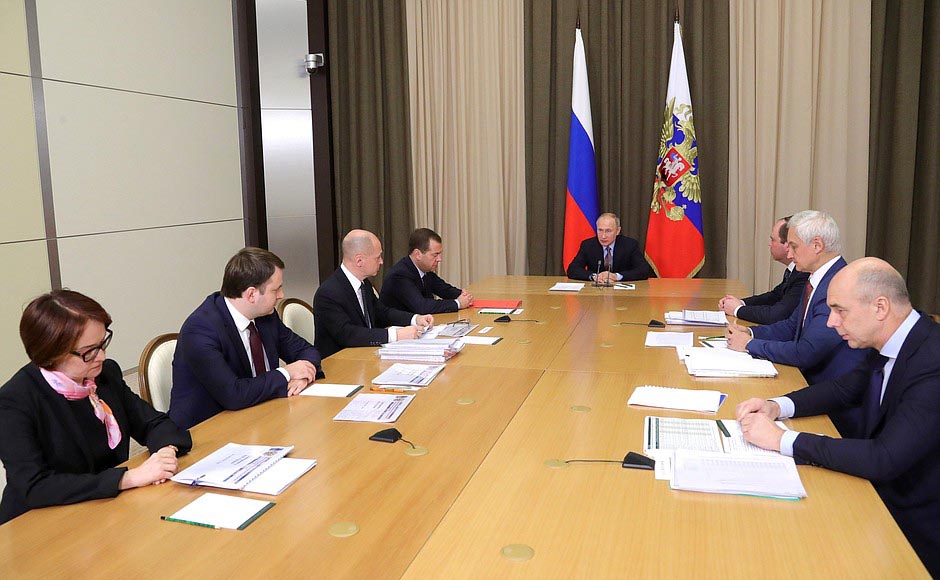
Meeting of the President of the Russian Federation Vladimir Putin with the economic bloc of the government, Sochi, November 24, 2017 Photo: Kremlin.ru
President Vladimir Putin on November 24 met with the economic bloc of the government, the presidential administration and the Central Bank. He proposed to discuss the results of the year and look at the first quarter of 2018. The meeting was attended by the curator of the Kremlin’s domestic political unit, which is responsible for preparing for the elections, Sergey Kiriyenko , which indirectly may indicate that the economy will be in the focus of the upcoming election campaign. Moreover, the starting conditions are not very.
Optimists and pessimists
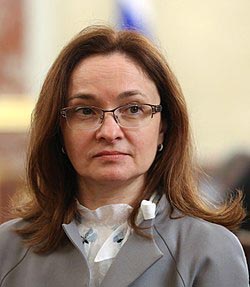
Elvira Nabiullina
Photo: kremlin.ru
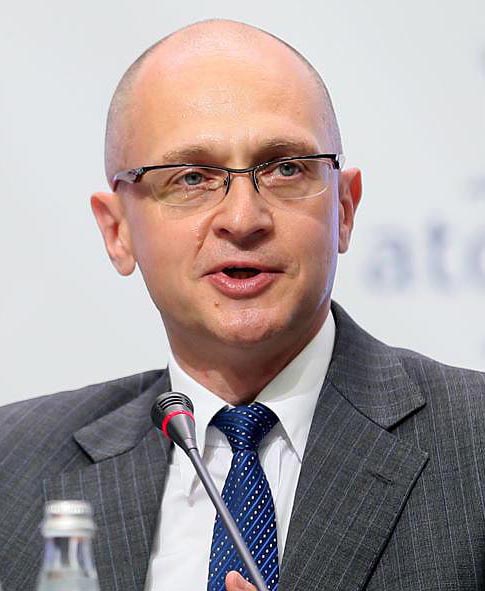
Head of the Administration
President photo: kremlin.ru
The restorative growth of the economy, which followed the decline of 2014-2016, ended, the dynamics of GDP returned to the pre -crisis pace close to stagnation. The time for structural reforms, the chairman of the Central Bank Elvira Nabiullina announced in the State Duma: “Our economy can grow 3% and 4% per year if structural measures are taken: to increase labor productivity, mobility of labor, to improve the investment climate.”
So far, according to the forecast of the Central Bank, the growth potential of the Russian economy is limited to 1.5–2% of GDP - both at the price of oil $ 42/barrel, so if oil will rise in price to $ 60. The forecast of the government, laid down in the three-year budget approved by the State Duma, is much more optimistic: 2.1% of GDP in 2018 with an acceleration of up to 2.3% by 2020. The Ministry of Economic Development even in the fall adjusted the estimates of the annual dynamics up to 2.1% this year and so far does not plan to change them. Vladimir Putin in October at the Valdai Forum talked about improving the situation in the economy.
“If the Rosstat’s estimates on the fourth quarter will be high, then they began to“ draw ”statistics there,” the official of the economic block fears
However, October statistics from Rosstat indicate braking in the economy. The dynamics of GDP slowed up to 1.8% in the third quarter and by 2.5% from the second. In order for the forecast of the Ministry of Economy to come true, in the fourth quarter the economy should grow faster than 3%, which looks almost incredible after the weak October. “If the Rosstat’s estimates on the fourth quarter will be high, then the statistics began to“ draw ”there,” the official of the economic bloc fears. “It is impossible to achieve stated in the forecast of growth in the forecast of growth in a different way.” It is also impossible to fulfill the presidential assignment last year - to grow at a rate of no lower than the world by 2019 - it does not work out: the economy does not accelerate.
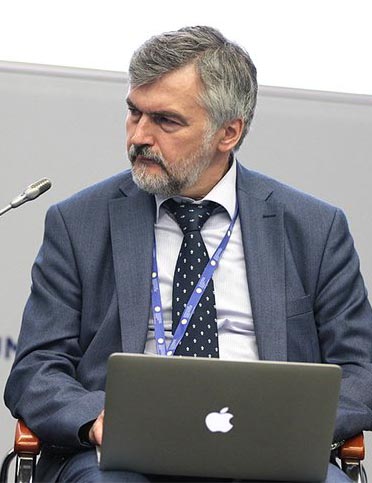
Andrey Klepach photo: hd-consalting.ru
In October, the negative trends that formed in the third quarter became more noticeable, says Andrei Krypach, the chief economist of Vnesheconombank (previously responsible for macro -prophet at the Ministry of Economic Development): in industrial growth, a pause has come - growth first stopped since the beginning of the year. “Gas production continues to decline due to the saturation of export markets. The decline in processing sectors accelerated. Investment demand continues to weaken. The surge of investments in the second quarter, which mainly reflected the investment of the public sector and the fuel complex, turned out to be temporary. Investments after reduction in the third quarter continued to decline in October, ”Clepach states. Its forecast is an increase of 1.5–1.7% of GDP. There is nothing to support the economy. Investments, construction, agriculture slowed down.
The slowdown of industry is caused by temporary factors in processing and agreements with OPEC on restrictions on oil production, as well as a decrease in corporate lending by banks due to the monetary policy of the Central Bank and its actions to clean up the market, the Minister of Economics Maxim Oreshkin (quote for Interfax) argues. “On the other hand, salaries are growing at a pace above 4%, the final demand demonstrates positive dynamics, the banking system begins to slowly increase lending,” he rejoices.
Investments after reduction in the third quarter continued to decline in October. There is nothing to support the economy. Investments, construction, agriculture slowed down
Income falls
However, salaries are not all income of Russians. Despite their growth, real incomes continue to fall for the fourth year in a row. In October, the decrease accelerated in annual terms to 1.3% from 0.3% in September-August, and in general in 9 months it amounted to 1.3%. Such a dynamics indicates that according to the results of the year they will continue to decline. The reduction in real income is due to the decline in the real value of pension payments that are not indexed by working pensioners, reducing income from entrepreneurial activity and property, as well as reducing the income of small businesses and in the segment of the so -called non -observant economy, experts of the Social Policy of the Higher School of Economics also indicate. The share of social benefits in the structure of Russians' income in the first quarter of 2017 reached historical 21.7%.
And people more and more occupy "before salary." According to the National Bureau of Credit Stories, over the year, the average amount of such a loan increased by 14.1%, to 10,500 rubles, while youth began to occupy especially actively. In approximately 59% of cases, citizens take microloans for urgent needs or hide the target, the company "Home Money" found out.
In September 2017, every third pensioner and every fourth person with secondary specialized education negatively assessed his financial situation, every second pensioner pointed out material difficulties in buying clothes and products, the High School monitoring said. This fall, the population increasingly began to talk about a shortage of funds for the purchase of medicines and payment for education. Three quarters of Russians continue to save. The poverty level in Russia, former Minister of Finance, Alexei Kudrin, called "shameful."
This fall, the population increasingly began to talk about a shortage of funds for the purchase of medicines and payment for education. Three quarters of Russians continue to save. The poverty level in Russia, the former Minister of Finance Alexei Kudrin called "shameful"
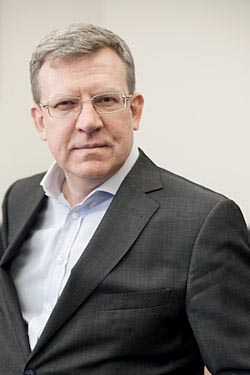
Alexey Kudrin
Photo: ru.wikipedia.org
Russians are ambiguously treated with the obvious success of the government and the Central Bank to reduce inflation. In October, it reached a record 2.7% and with a high degree of probability will not exceed 3% by the results of the year. But citizens are still afraid that the goods will begin to rise in price, complained Nabiullina. Polls conducted by the Bank of Russia continue to record the preservation of high inflation expectations that limit the desire of the population to save and invest. According to banking statistics, the share of urgent deposits in the structure of bank deposits of the population decreases for the last year, since current low rates do not allow the inflation that people expect, indicate the Higher School Development Center.
The Center for Strategic Development of Alexei Kudrin in the spring transferred to the Kremlin (but never published) the reform strategy, which, according to the authors, should improve the situation of Russians and accelerate the rate of economic growth. However, as follows from the three -year budget adopted by the State Duma, these proposals, at least, will not be implemented in the coming year. Increased health and education financing (the growth of these expenses can be quickly felt) is not supposed to be increased, investment and performance support measures are not traced.
In other words, Vladimir Putin will begin to begin the election campaign in a country with an economy, which is almost not growing, the technological lag of which is increasing, with an impoverished and aging population (according to a demographic forecast, the share of able -bodied Russians under the age of 40 will decrease by 10%). To convince citizens to go to sites and vote for such a present and future is not an easy task.