
Translated material
What is Bitcoin bad?
In recent days, Bitcoin is perhaps the most popular topic. In just a few hours, its cost can grow by a thousand dollars, or maybe fall. The cryptocurrency, which once cost near the cent, is now buying for 10 thousand dollars, and interest in it is huge. "Medusa" has already written how to buy bitcoins and what it is at all , but now gives the floor to those who believe that the universal hobby of this cryptocurrency will end poorly.
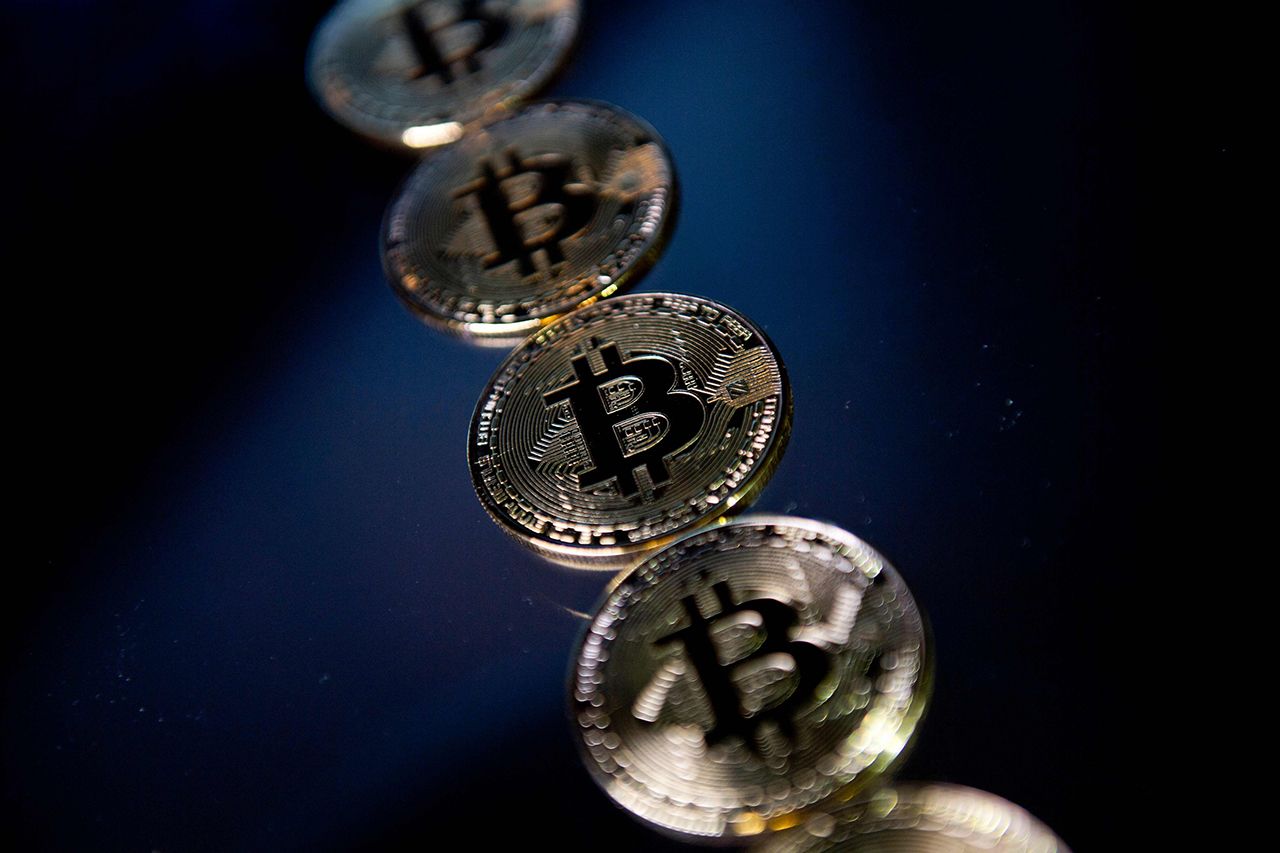
Bitcoin is not regulated by any state. This is good. But bad too.
Who has the right to print money - the state or structures independent of it? Now, without exception, the country believe that the state: it collects taxes and prints the currency in which these taxes are collected. As soon as we break this chain, there are opportunities for a wide variety of abuse - both for tax evasion, and for financing terrorism, and to launder money received by criminal means.
“Bitcoin shows how great the need for money laundering is great,” says Larry Fink, head of the BlackRock Financial Management Management Company, and most bankers and officials around the world are jointly jointly.
The lack of a regulator is a good advertising sign, but in fact it is a little crafty. Control over cryptocurrency is distributed between Chinese miners, which own most of the computing power, software developers and exchange sites. And they cannot agree on a single development of bitcoin.
Bitcoin for many - replacing roulette
Or, speaking in a financial language, this is an excellent asset to speculation. Buying bitcoins is relatively simple , does not require any special knowledge and campaigns in investment companies. The cryptocurrency has very sharp fluctuations, which attracts a mass of “gamblers” to the “game” with the course - those who are more reliable, and not invest. This only increases fluctuations and makes bitcoin similar to a financial pyramid.
Bitcoin is very similar to the "bubble"
During the famous MMM pyramid, critics warned that no asset in the world can provide a profitability of hundreds of percent per year. Bitcoin has risen in price over the year 15 times, and it is more and more compared with the “ bubble of bubble ”, which burst in the early 2000s. Then investors overestimated the economy related to the Internet, not fully understanding its capabilities and structure. There is a feeling that investors in bitcoins also do not understand how it works or can be used for anything.
Miners spend a huge amount of energy
Mining is necessary to create new coins and implement transactions. Bitcoin uses for this process a scheme that implies a huge number of calculations and turns out to a waste of a large amount of energy. With the increase in the cost of cryptocurrency, mining of new bitcoins is becoming more and more profitable. Therefore, miners increase the power of their systems, and energy is consumed more and more. Now so much energy is spent on maintaining the work of Bitcoin that this would be enough for some countries. Soon, according to this indicator, cryptocurrency will overtake the energy consumption of Serbia, Denmark, and then Belarus.
In other words, in order for the system to function, we need to burn a huge amount of oil, gas and other raw materials. Is it worth it?
Bitcoin does not perform socially useful functions
This argument is more philosophical than economic, although it is expressed by economists. Usually, a certain asset is worth something because it is useful: we understand why we are ready to pay for oil, iPhones, hamburgers and so on-because all this, roughly speaking, makes the world better. Bitcoin, according to economists - for example, the Nobel laureate Joseph Stilitz - does not change the world .
In response, it would be possible to argue that bitcoin and everything that happens around it is a test of the idea of cryptocurrencies for strength, which means that there is still benefit, but is this the benefits of bitcoin properly?
Bitcoin - imperfect cryptocurrency
A huge number of different cryptocurrencies are trying to correct the flaws of bitcoin. As a result, there are already cryptocurrencies that provide:
- conducting more transactions
- other schemes for creating blocks that do not turn out to be a large consumption of electricity
- full anonymity to the participants in transactions
- concealment from observers of transaction sizes
- Application of new promising technologies like smart contracts
- lack of restrictions on the number of new coins
Denis Dmitriev, Alexander Polivanov