
Translated material
The present is indivisible
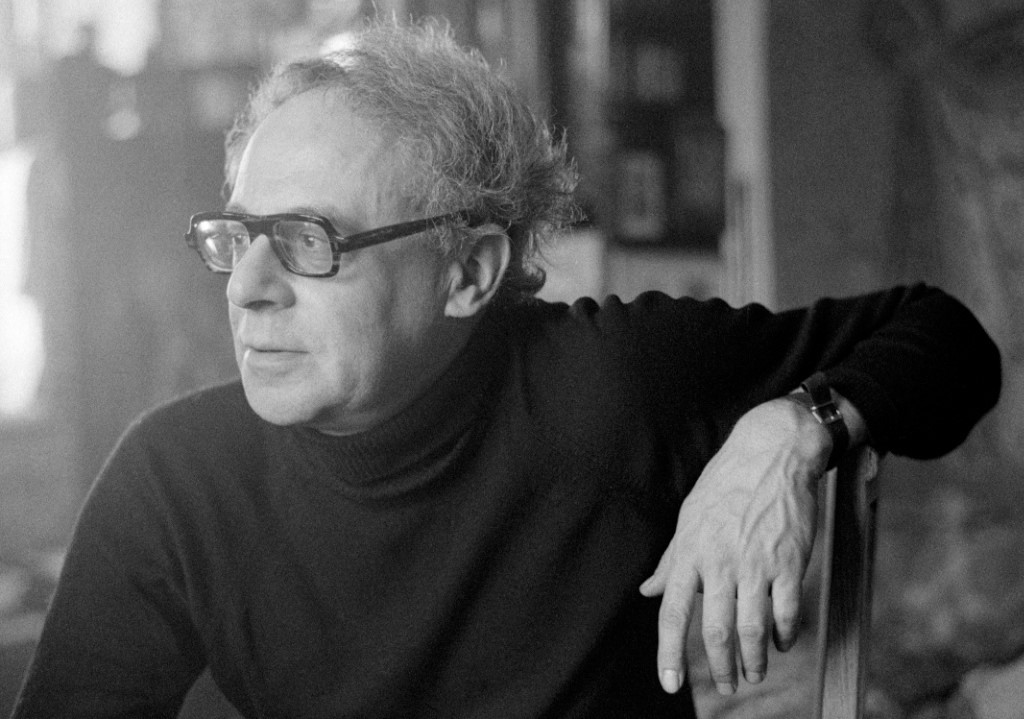
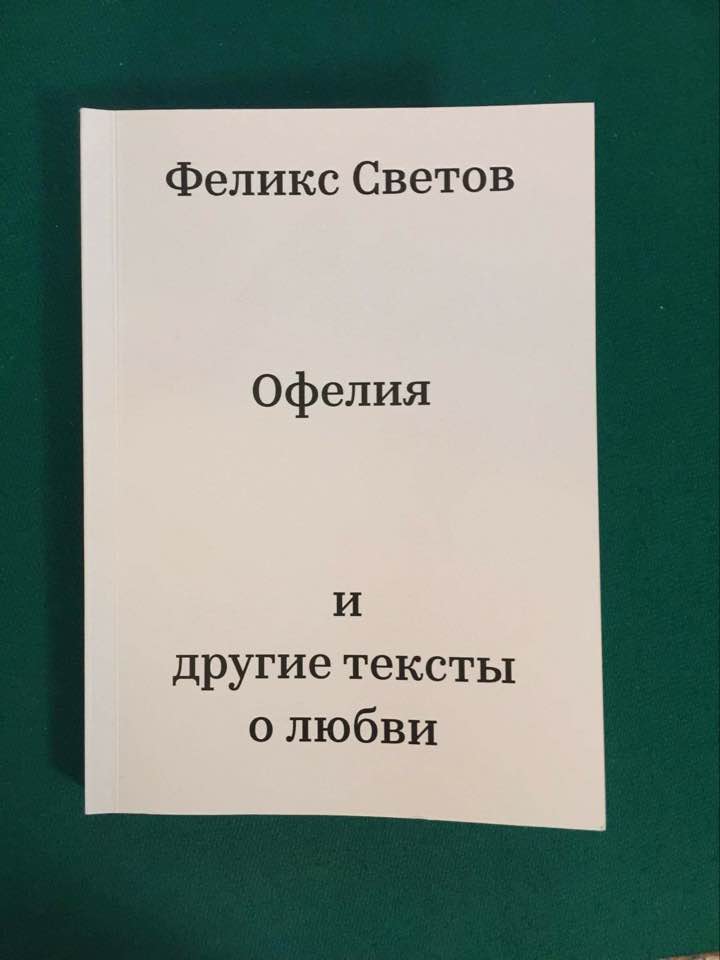
On November 28, the writer and human rights activist Felix Svetov would have turned 90 years old. By this date, the release of the book of unpublished texts of the writer is dedicated to this date.
“Those who collected this book were very fond of him and missed him, although 15 years have passed since his death,” his grandson, editor -in -chief of the Arzamas educational project Philip Dzyadko, writes in the preface to Felix Svetov:
- I act here as two interested parties. Firstly, I really love this writer as a reader. I like the book "Prison". I really like the “biography experience”, I like Svetov’s stories of the 90s. They are somehow completely different. This is another writer and at the same time the same. He talks about some important things, terribly touching me, in a very simple and subtle way. Secondly, this is a native person for me. This is my friend. We managed to make friends with him before he died. Probably, for about a year and a half, we talked quite closely and talked about all sorts of important things. Therefore, I feel my duty. This is a too loud word “duty”, my grandfather would hardly approve of it ... It seems important to me to tell me how many people as possible that such a writer was, and you also need him, just like me.
- Probably, in childhood, it is difficult to assess the scale of the personality of a loved one. At what age did you begin to realize that you are the grandson of the writer and the famous dissident?
- You know, grandfather was a man who was never entered, at least when he talked to me. He very quickly reduced the distance, no matter how old you were. A certain number of my close comrades, the same burdocks as me, students, easily communicated with him, switched to "you" after the first meeting. It was very easy to talk to him. By and large, I realized how he was a man, the day after his death. There is such a vile law of our life: death does something with you too. Your eyes open, finally. I think it happened then. And I realized his scale as a writer at the moment when I read the book "Prison" all night. I remember this very well, I thought: well, wow! My grandfather is a big writer, I'll go with him about it. Fortunately, at 5 a.m. I did not call him.
Subscribe to us in Telegram
“If a miracle happened now, and you could ask Felix Grigoryevich about something that you would ask him about?”
- I constantly have a conversation with him. And not only I can lead him, but also other people who did not even know him, but knowing him as a writer. This is the advantage of people who create something: writers, directors. When you have something left, namely the text, then you are still in some dialogue with a person. But if I went to the kitchen with him now, brew tea, and he would say: “And please, two tablespoons of sugar,” what would I ask him about? Probably about what this book, which we have now collected with our parents. It has a lot about faith, about what it means to be a person who believes in God, about a man who is looking for inner freedom. It always sounds very pathetic, but in reality you do not really understand what it means to look for inner freedom, what you need to be a person, which you need to renounce yourself, which you should not be in you to acquire this freedom and at the same time not to interfere with those people who love you, who are nearby. And these two topics are the first. The second or third - it sounds terribly pathetic, well, and let it be - how to remain yourself at the same time? I think that if someone opens the book “The Experience of the Biography”, or “Ophelia”, or the novel “Prison”, or his stories of the 90s, then they will understand me much better. What would I still ask my grandfather? About what you think about, falling asleep when some damned and magical questions come to mind about the most important thing. Well, about how not to get drunk too much at a fun party, how good and elegant to pronounce toasts ... Probably, I would also talk to him about dope.
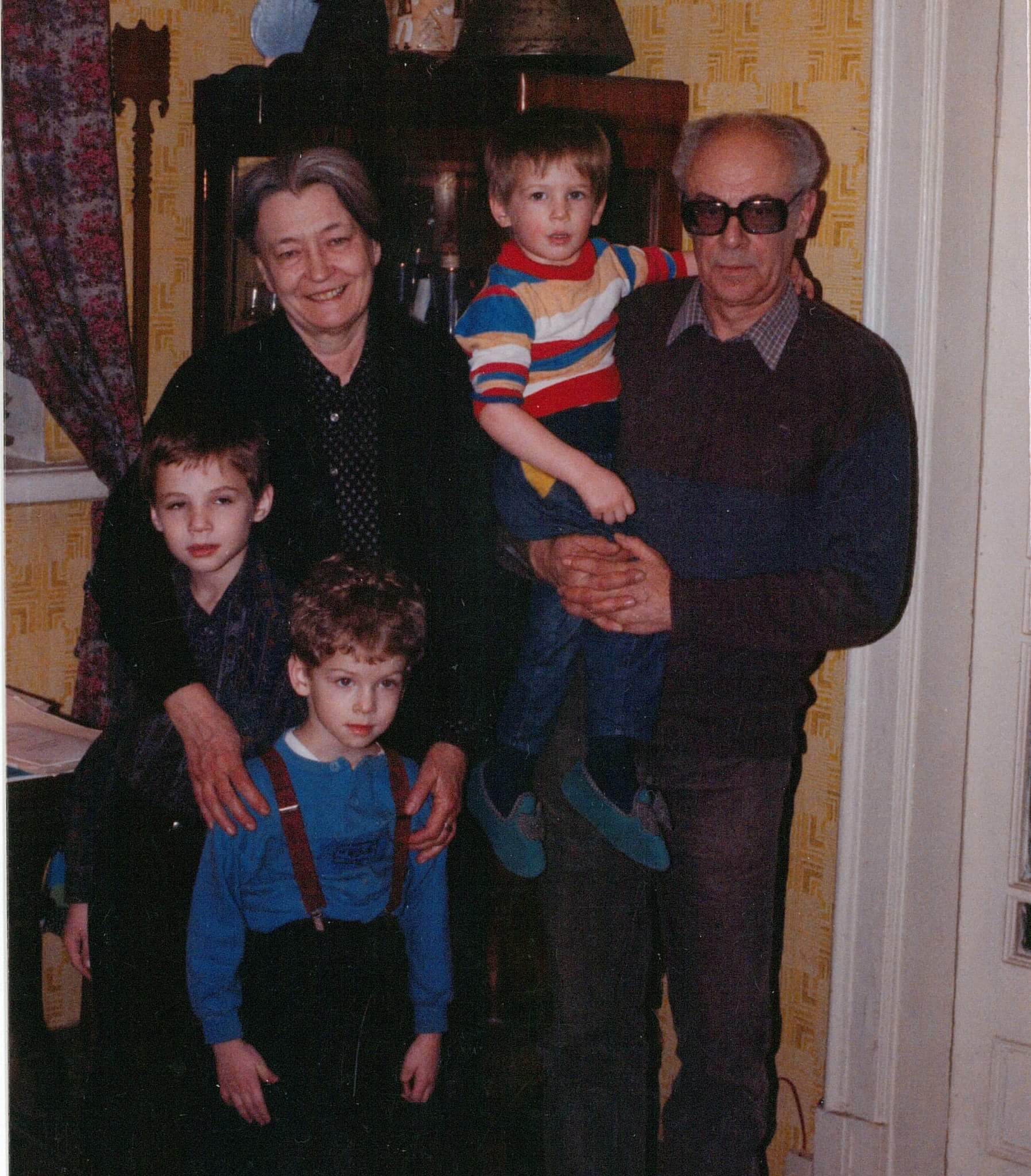
- Felix Svetov is known not only as a writer, but also as a human rights activist, as a dissident ... Do you think your grandfather was more a writer or dissident? Or maybe this cannot be divided?
- I like him that he was absolutely harmonious. This is a person who did not draw plans for himself, did not make any calculations, and looked at the world with wide eyes and tried to match him. And when he did not like something, he fought with this and fought as he could. And he always remained unhappy, always continued to look for himself. There is no such profession - dissident. This is some kind of air in your blood, an internal state. You see a lie, and you are, for thousands of different reasons, from your temperament to the circumstances in the family biography, you do something with it. His writing, his human rights activities in the 70s and in the late 90s, when he was a member of the President Yeltsin's pardon, is a continuation of himself, his part ... This is all mixed up. This is the present, and all the present is indivisible, ”the grandson of the writer Philip Dzyadko said in an interview with Radio Freedom.
On December 10, in Moscow, according to tradition, the international festival of films about human rights "Stalker" opens. For many years, Felix Svetov was a member of the jury of the festival. After he was gone, a special prize of human rights organizations was established, which bears the name of Felix Svetov.