
Translated material
"Yabedniki" from Siberia
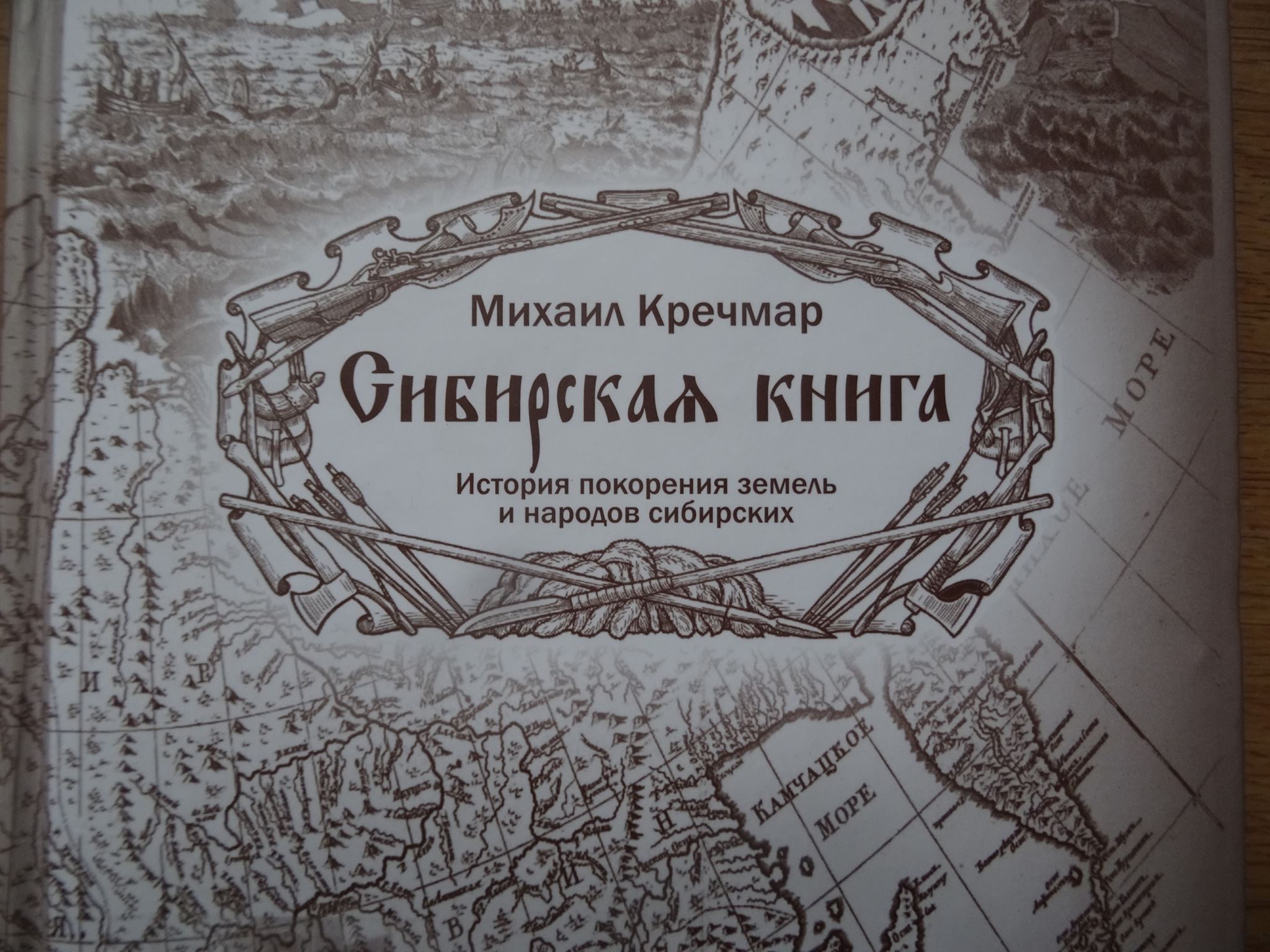
The four -part work "Siberian book, the history of the conquest of the lands and peoples of the Siberian" Petersburg zoologist Mikhail Kretschmar, according to his own recognition, wrote 35 years. This fall, the Siberian Book was presented at the Russian stand of the book Fair in Frankfurt. According to the critics, the work of Kretschmar "The first and only story about the conquest of Siberia from beginning to end: from the era of the doermal penetration" beyond the stone "to the last Russian-Chukotsky wars." We met with Mikhail in Moscow, in the editorial office of the "Russian Hunting Magazine", which he heads.
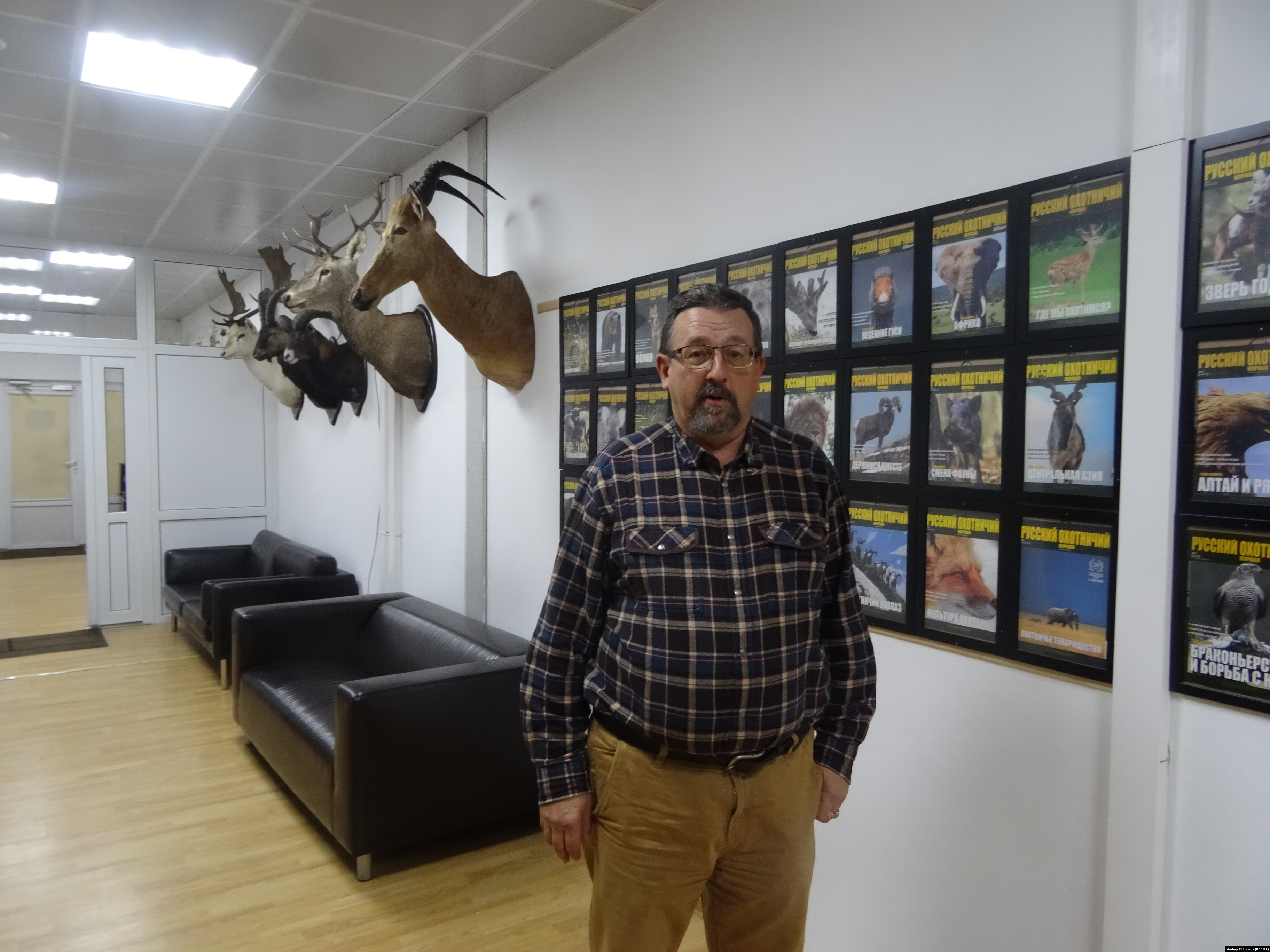
-You are not a historian, but still decided to write a chronicle of the development of Siberia. What encouraged you for this?
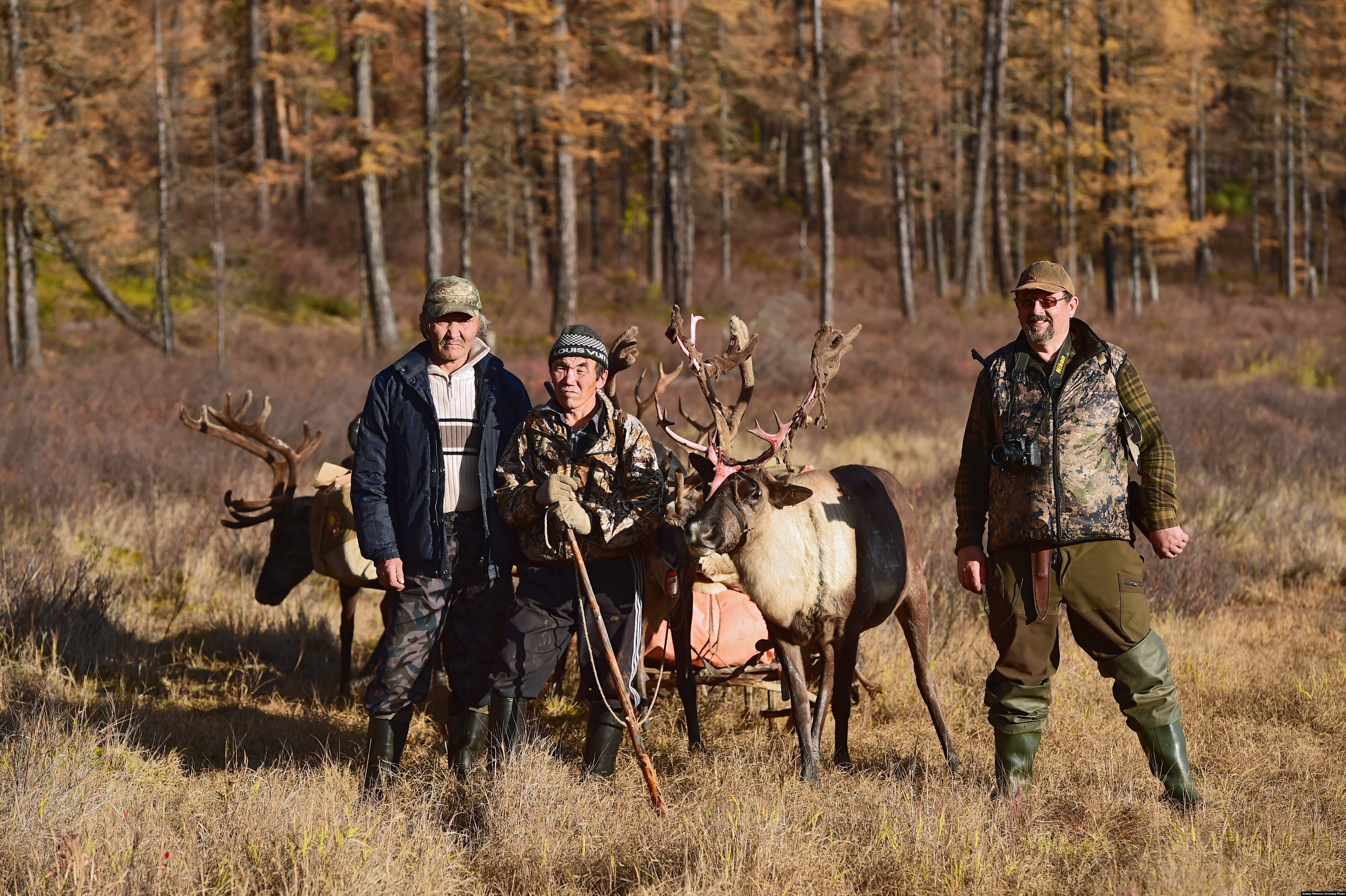
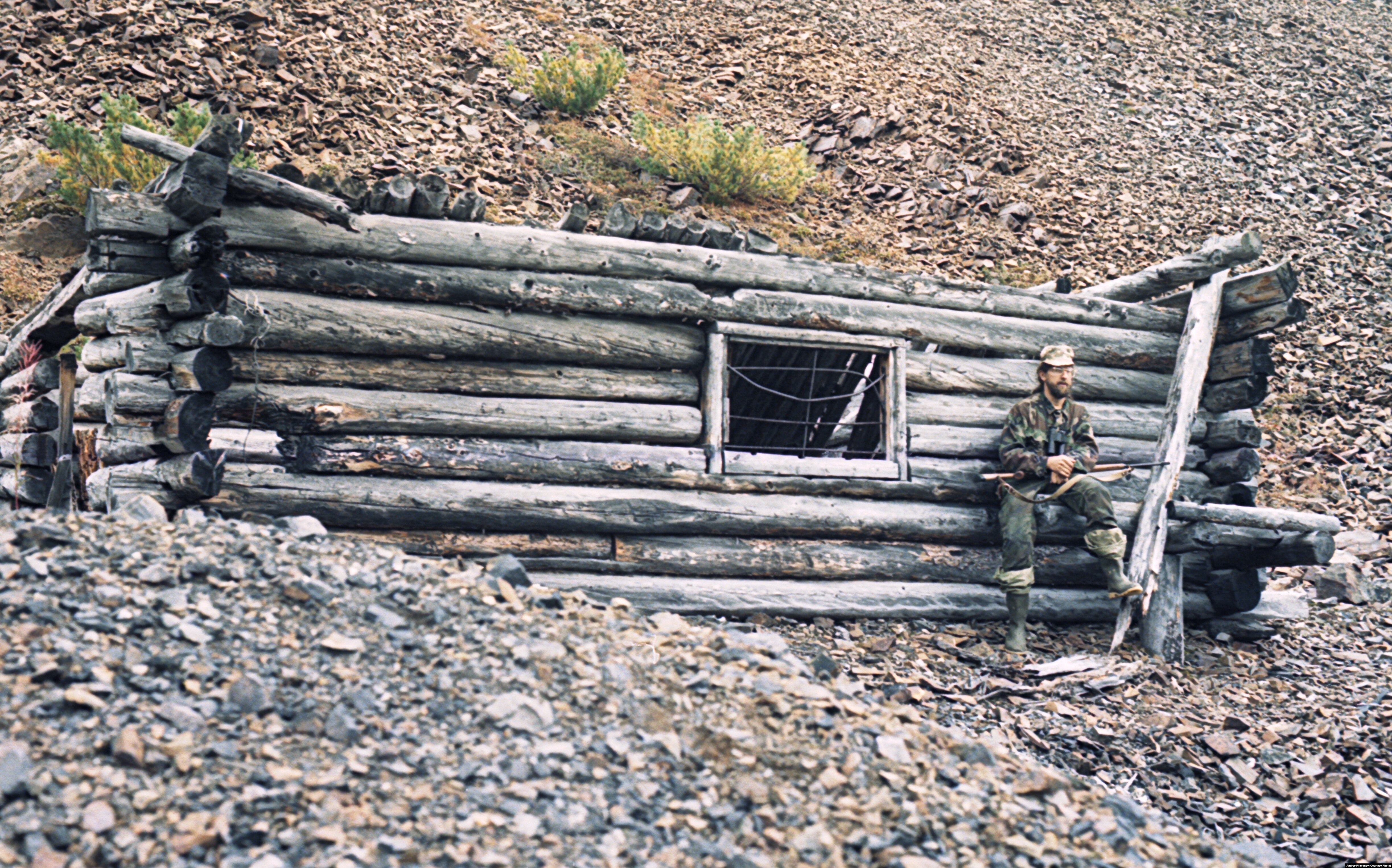
-Firstly, my life experience. For twenty-six years I worked in the north-east of Siberia, literally on foot passed a huge territory, from Anadyr to Transbaikalia. Secondly, I experienced reader dissatisfaction with literature that exists on this topic. The academic history of Siberia is very detailed, but difficult for reading. First of all, this is the "History of Siberia" by G. Miller and the "Siberian History" by I. Fisher. The modern reader is drowning in the texts of academics, among unfamiliar names and names that tell him nothing. I wanted to write a book that will be easy and interesting to read. During the expeditions - in Yakutia, in Kolyma and in other places of remote I constantly stumbled upon traces of human presence. In the north, any material remains have been preserved for a very long time. Therefore, even things lying on the surface can have an age up to several hundred years.
"In the forest -tundra, a major hill with a cross established on it towered - the memory of the death of Major Pavlutsky and his detachment at the hands of warlike Chukoch. There was a memorial bottle of vodka on the cross, which was more than a hundred years old. I found it complete half, but today it was drank in those places by tourists from European Russia." Mikhail Kretschmar. "Siberian book"
- All the time I felt the presence of my predecessors who roamed this earth, hunted and fought. But who were they? There is no one to ask. The stories of local residents cannot be believed, because residents of the places of remote are too fond of bikes too much. One story about the ancient Novgorodians on the Indigirka is worth it.
- Can I do a little more?
Most of the letters from Siberia in the 17-18th centuries are the so-called "Yabeda". The reputation of the "Yabedniki" was so firmly entrenched in the Siberians that Catherine the Second even ordered once not to pay attention to the complaints sent from the Urals
- There is a legend that the descendants of those who fled from Novgorod from the repression of Ivan the Terrible lived at the mouth of the Indigir. This story was launched by Menshevik Vladimir Zenzinov, exiled to Kolyma for revolutionary activities in the 1910s. I checked the "Novgorod version" by sources. There are many "fairy tales" and "unsubscribing" compiled by pioneers. They liable the camps of the Yukagirov, with the exact indication of the number of souls, but there are no references to the Russians who would live here freely and regardless of the tsarist power. If such people actually existed, then they would be laid first of all, given the conflict character of the pioneers. Most of the letters from Siberia in the 17-18th centuries are the so-called "Yabeda". The reputation of the "Yabedniki" was so firmly entrenched in the Siberians that Catherine the Second even ordered one day not to pay attention to the complaints sent from the Urals.
"A significant part of this story is known from written denunciations of its participants to each other, from torture affairs and from formidable sovereign shouts" Do not dare! "
Mikhail Kretschmar. "Siberian book"
- You talked about the traces of the human presence. Surely you met the remnants of the Gulag camps in Eastern Siberia?
- There are quite a lot of them. Most are already falling apart, of course. Building materials under Stalin were so -so in quality. In some places, the barracks collapsed, but in some places are still standing. By the way, in Kolyma this good is much less than in Primorye or Perm Territory. Everything is very simple here. The construction of the camps around Magadan was associated with the development of the gold mines of the Kolyma basin. But as soon as Stalin died, the camps began to be closed due to unprofitability. After all, people must somehow feed, organize the northern delivery. Therefore, the history of the Kolyma camps is short - from 1936 to 1953.
- But Shalamov was enough for a whole cycle of stories.
- This was enough for a huge number of people by the coffin of life. But here the question is not camps, but Shalamov himself. When a talented person who knows how to write appears in some place, this place receives all-Russian, and sometimes worldwide fame. For example, the south of Primorye became famous thanks to a single person, writer Vladimir Arseniev. And in Transbaikalia, on the background, there were no Arsenyevs, and ask people what was happening there? No one knows. It all depends on the person. Kolyma, so to speak, was “lucky”, there were Shalamov and Lidia Ginzburg, which I personally would put as a writer in first place.
- Siberian hard labor began long before the Gulag. In your opinion, the influx of exiles influenced the formation of a Siberian nature?
Real Siberians live west of Lake Baikal - Krasnoyarsk, Tomsk, Omsk. Where people lingered forever, near the bread belt
- I practically did not see people who can be called Siberians. The north-east of Siberia, the territory of my field research, was inhabited by arrived people. Before the beginning of the Soviet regime, exclusively natives lived there. The current population of these places came from the central regions of the country and Ukraine in the 50-60s of the 20th century. They arrived voluntarily, to work. Real Siberians live west of Lake Baikal - Krasnoyarsk, Tomsk, Omsk. Where people lingered forever, near the bread belt. As a biologist, I can say that a person survives within the limits of the distribution of cereals. To the north of this border, people live very poorly and is all the time on the verge of extinction. This is called "unstable homeostasis", if something violates it, then all the inhabitants of this area immediately come. Read the stories of Russian travelers of the 19th century. The Aborigines then died out by the thousands, and no one knew why. Therefore, the worldview of the Aborigines is very simple. They live today, knowing that tomorrow may not come for them.
- What attracted Russian pioneers into Siberia?
Reading the Siberian chronicles, I was always amazed that none of the pioneers had ever declared himself an independent prince
- Russians can be called with some stretch. A large role in the development of Siberia was played by baptized Tatars, then those who collectively called "Litvaks" - adventurers from the Commonwealth. Cossacks are also not quite a Russian ethnic group. All this prefabricated army of submissions of Siberia consisted of people united by the desire to "look beyond the horizon." It loomed the opportunity to get rich, and in addition, the opportunity to live relatively independently of the strict-structured Moscow kingdom. At least some sip of freedom, even very small. Reading the Siberian chronicles, I was always amazed that none of the pioneers had ever declared himself an independent prince. Sometimes the Cossacks rebelled in prison against the local administration, went somewhere far to the east or north and immediately created a new cell of the Moscow state. There they had their own chieftain, a kisser, an elected clerk - a full administrative kit. Then the rebels waited a year or two and sent to the center of the messenger with a petition, they say, Sovereign-father, we did not think against you, but against your wrong people. In most cases, they were forgiven, leaving them in new positions. That is, there was no imposture for the Urals. No False Dmitry even thought to get out of the spaces of Siberia.
-How do you explain the lack of separatism and attempts to create some kind of Turukhan principality in Siberia?
These people well understood the power of the system that follow them, understood that they would not give them to live independently
- Hunger. These people well understood the power of the system that follow them, understood that they would not give them to live independently. In addition, autonomy attempts from Moscow were possible only in stolen places. In the Tomsk province, for example. And in the north, without imported flour, without vodka and manufactory, it can only exist at the level of natives. This is not at all what pioneers who knew how to observe their interest strive for. Dezhnev, Atlas, Khabarov - all these Siberian conquistadors died not at all poor people. They walked behind the "soft gold", fur. A quarrel with the Moscow kingdom would mean a loss of market markets. So the pioneers had a “skill interest”.
“Sable is distributed almost exclusively within the Soviet Union,” writes V. Timofeev, the author of the classical work about the life of this small predator and about hunting it.
It is more correct to write the opposite: this is the Soviet Union, or rather, the Russian Empire spread to the east almost accurately within the range of Sobol.
If sables were not in Siberia, Russia today would not have huge spaces from the Ural ridge to the Bering Strait
If sables were not in Siberia, then Russia today would not have huge spaces from the Ural ridge to the Bering Strait.
This system, the calculation with a skin, "soft dollars", which went on a par with gold for more than a hundred years, much later the Peter the Great, did not quite understand why Russia needed Siberia. In the 18th century, Petersburg was almost not interested in what was happening "behind the stone", that is, behind the Urals. There, complete arbitrariness reigned from the part of a few government officials. For Peter, Siberia was an Asian and wildness. Therefore, he, among his other good deeds, stopped walking this fur ... cryptocurrencies, as they would say now.
- You yourself are a Petersburger, although you live in Moscow. But what is Siberia for you?
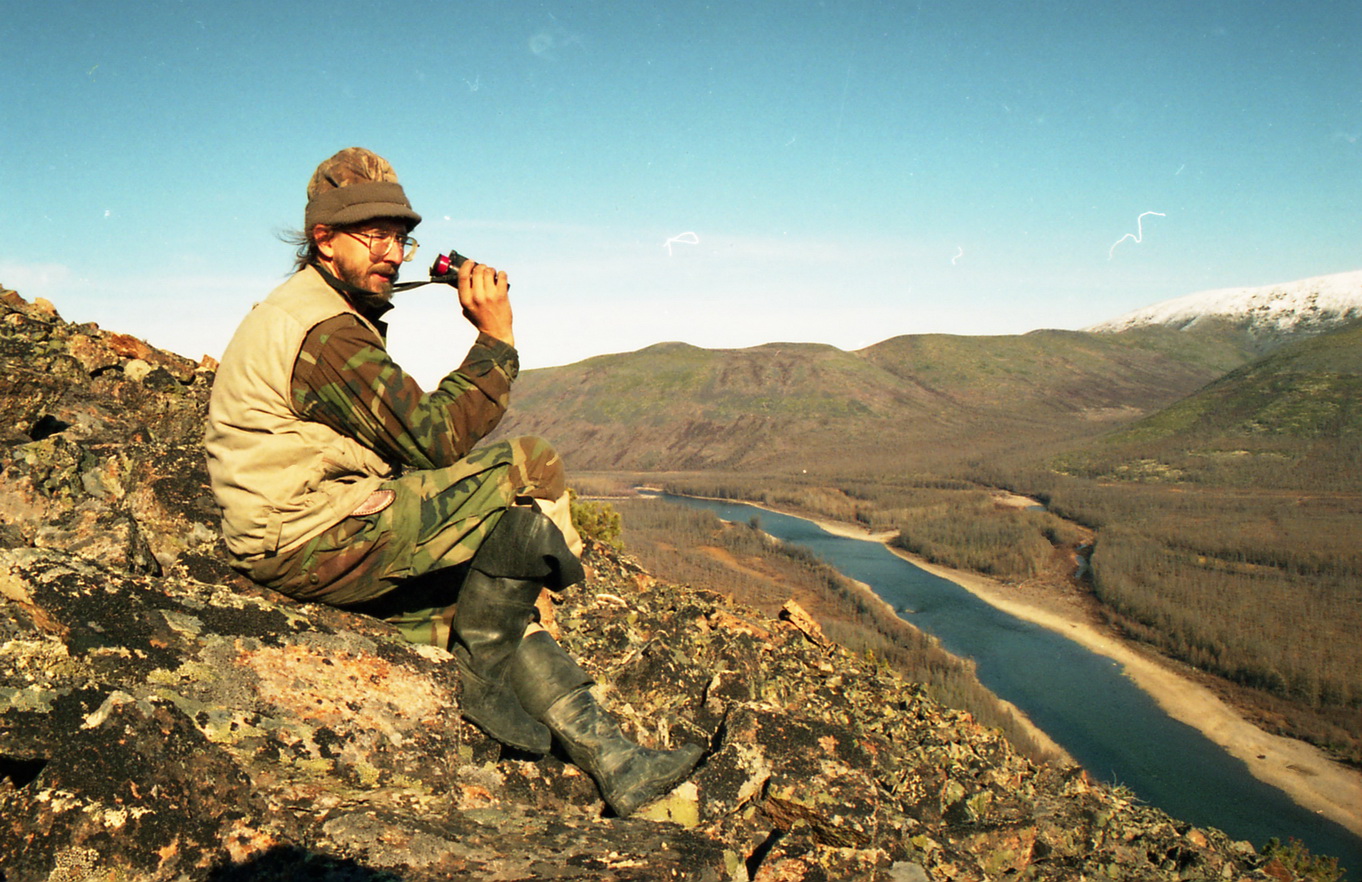
-Although I was born in St. Petersburg, I have long considered myself a Magadan. The northeast almost became my second homeland. There I feel comfortable, I understand the life that people live, and I really love the nature of the Kolyma region. The day does not pass so that I do not call my friends to Magadan, on business or just like that. Two or three times a year I am there. Two weeks ago he returned from the next trip.