
Translated material
Unacceptable lessons "Kursk"
Argentine submarine in the Atlantic and the Russian submarine who died 17 years ago in the Barents Sea, is a lawyer who defended the families of submariners about the similarities and differences of these two tragedies
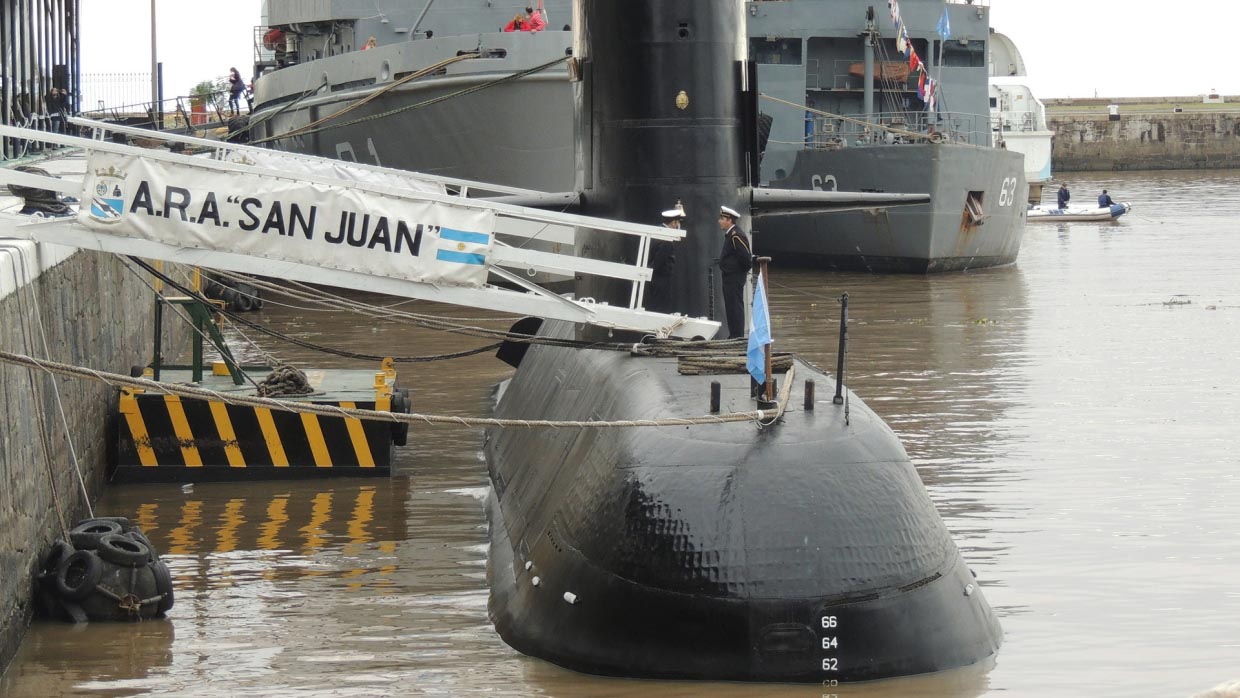
Photo: Flickr / Juan Kulichevsky
The rescue operation is over
“San Huang”-one of the three submarines of the Argentinean naval forces (Navy) and until recently the only combat-ready (the other two are in the repair)-became a mass grave for 44 Argentinean submariners, among whom was the first Latin America woman-submariner, Lieutenant Eliana Maria Kravchik. After December 1, Argentina’s Ministry of Defense officially recognized the death of the crew, the rescue operation was stopped, the search engine continues.
The other day, Russian rescuers, “armed” by the Panther Plus underwater apparatus, connected to the search for the San Juan diesel-electrode. Now, however, we are only talking about finding the corps of the submarine, which ceased to communicate on November 15, or at least what was left of it.
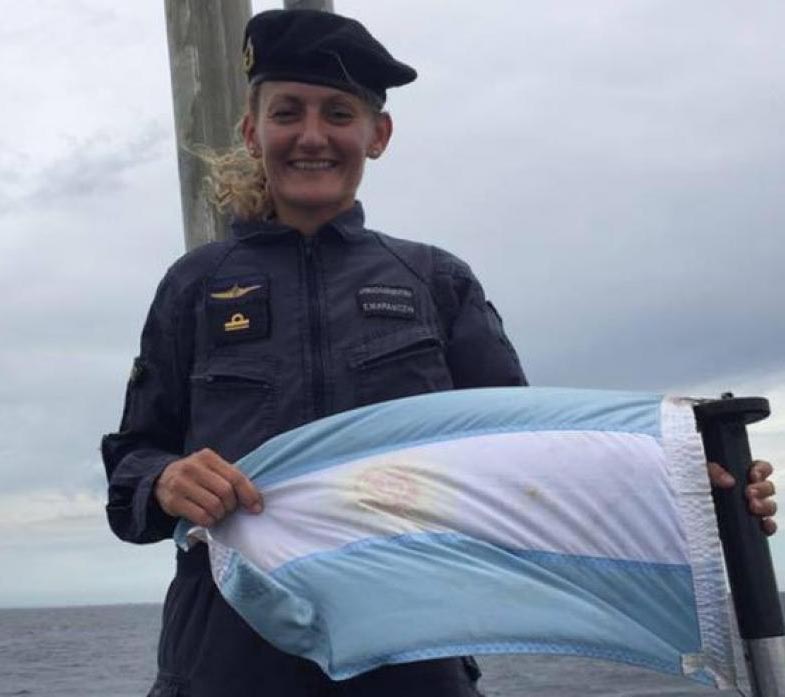
Eliana Maria Kravchik
Photo: Facebook / Eliana Kawczyk
Until the submarine has been detected, the reasons for the emergency can only be guessed, but the circumstances preceding the last campaign of San Juan allow you to build assumptions.
It is known that the Argentine submarine came from the Ushuai naval base, located in the central part of Magellanov Strait in the south of the country, to the north, to the port of Mar-Del-Plat. The submarine was supposed to overcome about 1000 km along the Atlantic coast of South America.
The exit from Magellanov Strait is on the traverse (that is, on the contrary) of the Falkland Islands, 463 km from the mainland of Argentina. The last time, according to the Minister of Defense of Oscar Aguad, the equipment recorded the location of the submarine 432 km from the coast. As the representative of the Argentina Navy Enriko Balbi specified, two points where, perhaps, San Juan sank, are located near Cape Gorn.
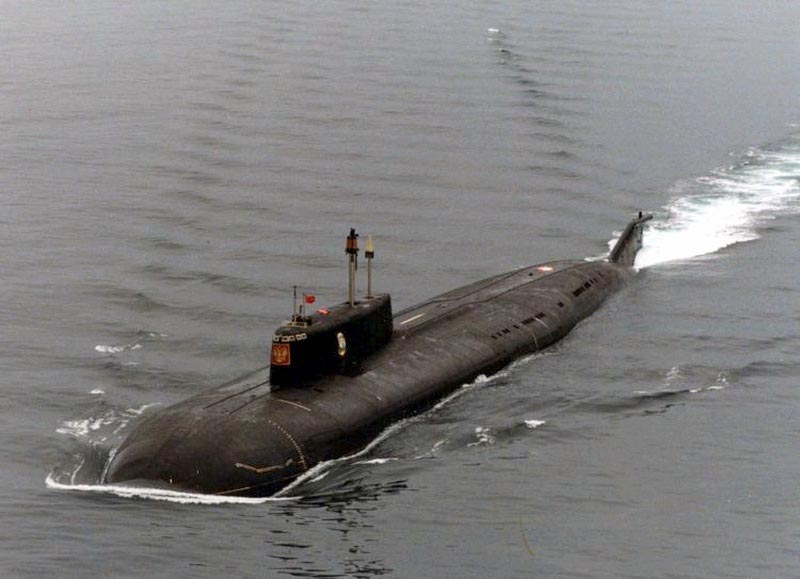
Submarine "Kursk". The crash in the Barents Sea crashed on August 12, 2000. All 118 crew members who were on board killed photos: j-times.ru
Death in the ocean
The conditions under which the submarines of San Juan and Kursk died are the main difference in the circumstances of these tragedies.
The Russian submarine sank among its own - about 30 km from the surface ships of the Northern Fleet, the area of its search was limited by the place of combat studies, and the explosion itself on Kursk was not only fixed, but also swaddled. Thanks to this, the location of the sunken cruiser was established after 16 hours of searches. The submarine "San Juan" died far from the coast, and has not yet been found in complete solitude.
On Kursk, as established, two tramps of torpedoes occurred, and the second, which thundered 2 minutes 15 seconds after the first, was crushing. The seismic stations of Russia, Norway and even distant Alaska classified it as a seismic event with an intensity of four points - this is at least 5 tons in TNT equivalent.
The sales of San Juan’s buoyancy is three times less than Kursk had: 8-10% versus 30–32%. There were 10 compartments on the Russian submarine, which can be stolen, and on the Argentinean - only three (according to other sources - four). In case of violation of the integrity of the case anywhere, the submarine "San Juan" was doomed
There was no torpedo on board the San Juan, and the seismic plants of Argentina and Antarctica, judging by the available information, did not record any explosions. At the same time, according to Enriko Balbi, experts from the USA and Austria claim that on November 15, in the area of the disappearance of San Juan, a “abnormal, single, short acoustic phenomenon of non-nuclear nature” with a capacity of slightly more than 100 kg of TNT was recorded. After that, according to the military, the submarine lay on the ground at a depth of up to 1000 meters.
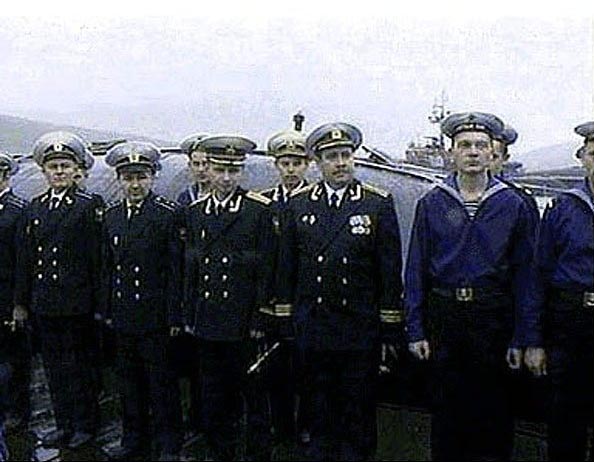
Photo: trowel. Zhzh.rf
Even a weak explosion, no matter what causes him, is able to send a submarine to the bottom. Moreover, the San Juan buoyancy supply is three times less than Kursk had: 8-10% versus 30–32%. There were 10 compartments on the Russian submarine, which can be stolen, and on the Argentinean - only three (according to other sources - four). In case of violation of the integrity of the case anywhere, the submarine "San Juan" was doomed.
The main version of the accident in the Atlantic, declared by the representative of the Argentina Navy Enrique Balbi, is an explosion of hydrogen, which could occur due to a short circuit in a block of 960 batteries that supply the submarine. Why the concentration of explosive gas in the air on board exceeded the norm is still not clear, Balby admitted.
But it is known that just before San Juan disappeared from the radar, the boat commander reported a short circuit. The text of this message was published by the Clarin newspaper: through the battery ventilation system, sea water hit the third battery pit, which provoked a short circuit, a fire broke out in the hold with batteries. “The batteries of the nasal part were out of order,” the captain reported.
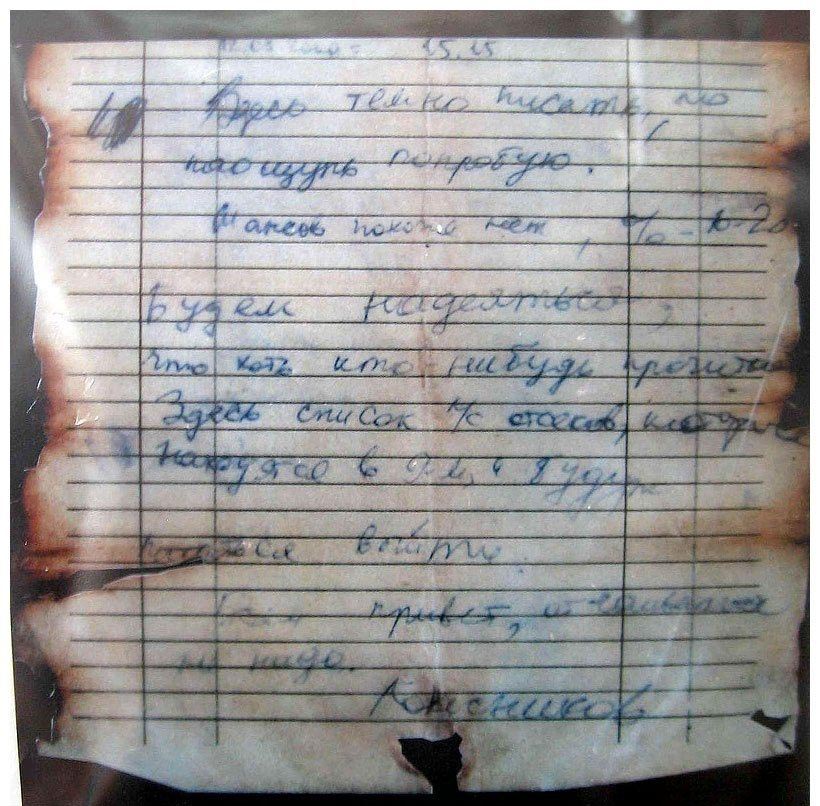
23 submariners in the 9th compartment "Kursk" lived for more than two days after flooding and died as a result of a local fire. If an emergency alarm was immediately announced on San Huan and submariners were able to block in the nasal and central compartments, then their death was painful: they suffocated from a lack of oxygen. If the San Juan submarine as a result of the emergency went to the bottom and sank below 300 m, then its case could not withstand the water pressure and crumpled (the cotton that occurs at that moment, and could be the same “acoustic anomaly). In this case, the crew died instantly.
Combat (not) readiness
In the fate of the Russian “Kursk” and the Argentinean “San Huana” there is a common detail that became fatal: both submarines were not prepared for the exit to the sea and the fulfillment of the tasks.
In August 2000, the K-141 Kursk underwater cruiser participated in the exercises of the Northern Fleet, during which shooting was planned by the peroxide-water torpedoes of 65-76A. “Kursk” never shot these combat shells that differ in fire hazard, even at state tests, and the crew was not trained in the treatment of such weapons.
In the fate of the Russian “Kursk” and the Argentinean “San Huana” there is a common detail that became fatal: both submarines were not prepared for the exit to the sea and the fulfillment of the tasks
In November 2017, the San Juan submarine, as it turns out, entered the sea in a faulty state.
As it became known to the Argentine media, the country's Ministry of Defense knew that batteries with an expired warranty were installed on San Huan during the repair. This is stated in the materials of the investigation conducted by the military department in 2015-2016. According to the documents that were at the disposal of the La Nacion publication, the verification revealed that the Argentina Navy violated the established rules for the purchase of batteries for the San Juan submarine.
“The collected information allows us to assert that concluded agreements not only do not comply with the administrative procedure, but that the military personnel responsible for the contracts probably committed unlawful actions that were in the interests of the Hawker GmbH and Ferrostaal AG companies,” it was written in the report according to the results of the investigation.
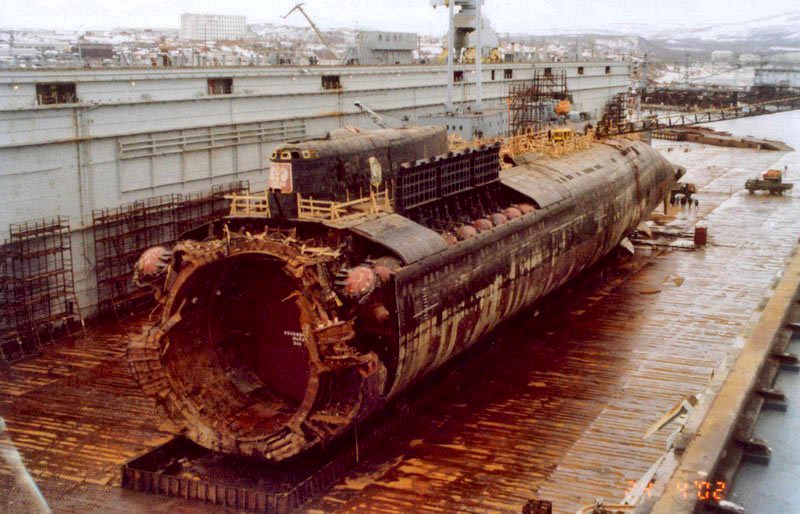
Photo: Joinfo.ua
How could water get to batteries? The answer to this question may have been found by journalists of the Clarin newspaper. They found out that at the beginning of September 2017, the experts of the Argentinean naval base Puerto-Belgrazno warned in their report: the San Huana is leaking out to the Schnorkel’s malfunction-a device for the operation of diesel engines under water, which is a special extending pipe with an air intake. The document contained a recommendation to send a submarine for repairs in 2018. However, the report was never brought to the attention of the leadership of the naval forces and the Ministry of Defense of Argentina. The publication indicates that the Minister of Defense Oscar Aguad allegedly learned about the existence of this document only a few days ago.
And such a trifle: neither Kursk nor the San Juan after the accident surfaced the life buoy. This device, which is equipped with all submarines of the world, rises to the surface of the sea when the submarine is immersed in the depth maximum for it.
Why did the Kursk buoy not surfaced, the commander of the ship, the captain of the 1st rank Gennady Lyachin and the inspection officers did not make sure that before entering the sea, the key was turned on the remote control of the central post, which leads a rescue buoy to working condition. However, some commanders of Russian submarines, fearing responsibility for the loss of the buoy, simply welded him to the boat body.
Why didn't Bui work on San Juan? Maybe the commanders of the Argentine submariners have the same methods for solving problems?
Neither the Kursk nor the San Juan after the accident surfaced the life buoy. This device, which equip all the submarines of the world, rises to the surface of the sea when the submarine plunges into the depth maximum for it
If the crew of San Juan was aware that the boat was not prepared for swimming properly, then go to the mar-delpa should be in the surface position in the appearance of the coast, and in the case of a storm-to wait out the weather in one of the shelters along the transition route. However, judging by the press reports, with the onset of the storm, the commander of San Juan gave the command to dive. Already at the periscope depth, during the last communication session, he reported by radio communications about the water from getting into the diesel compartment and short circuit.
Why was the boat at that moment at the periscope depth? Because only in this position (not counting the surface) radio communication is possible. If the accident occurred when the submarine was on the surface of the sea, the commander of San Juan had to be a suicide in order to decide on immersion in such a situation.
Admiral factor
The tragedies of San Juan and Kursk are also united by a reaction to an emergency from the command of the naval forces. Instead of promptly, in all possible ways to organize the salvation of the crew, in both cases the admirals, apparently, saved their careers.
One of the first versions of the death of San Juan was to undermine a magnetic mine that remained at sea since the time of the 1982 Falkland War. But this is unlikely: a wide strait between the Falkland Islands and the mainland has been actively used for military and civilian shipping for many years, and not a single ship has exploded over the past 35 years.
The military leadership did not immediately report the explosion on Kursk. The Argentinean military also was silent for a whole week about the "hydroacoustic anomaly" on the "San Huan". Neither Russia nor Argentina now agreed immediately after the tragedy to accept the help of other countries
However, we recall: in August 2000, this version, as well as a possible attack on the “Kursk” from the American submarine, supported the Russian admirals in order to relieve themselves of responsibility for the mediocre training of exercises. It is possible that the version of the mine to the Argentine Admirals for the same reason.
The military leadership did not immediately report the explosion on Kursk. The Argentinean military also was silent for a whole week about the "hydroacoustic anomaly" on the "San Huan". Neither Russia, nor Argentina, have now agreed immediately after the tragedy to accept the help of other countries.
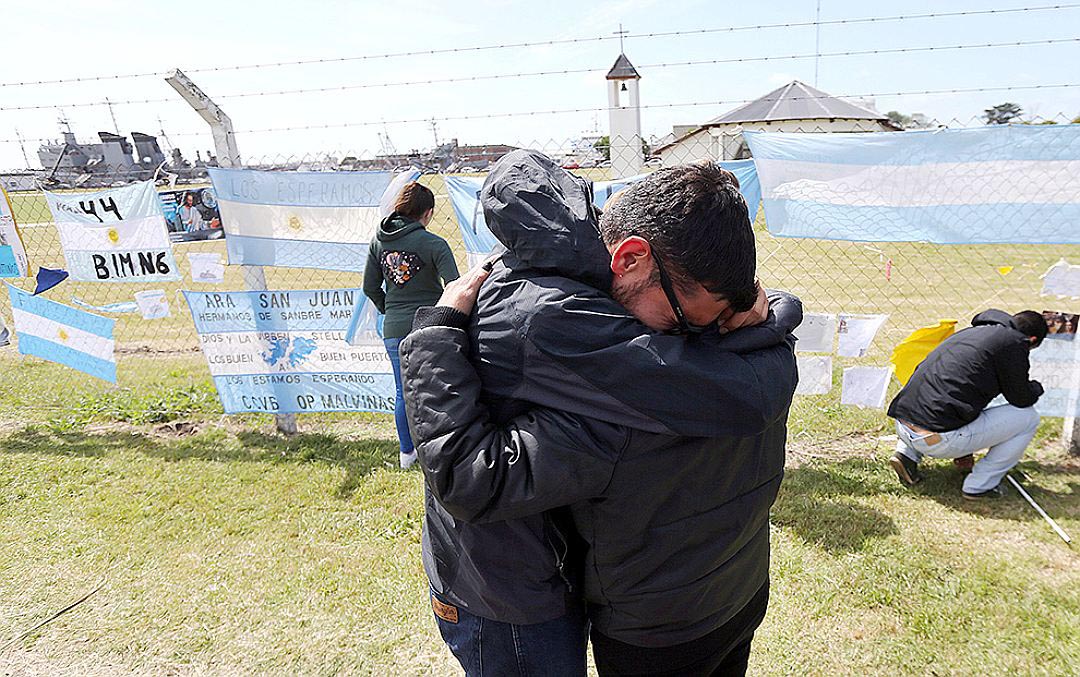
Photo: kkbit.ru
Why did the Argentinean military in the very first days after the disappearance of San Juan did not turn to the sea powers with a request to help-at least in search of a missing submarine? In this case, the sailors had at least a minimal chance of salvation. I have no answer to this question.
Why did the Russian authorities take five days in 2000 to accept the assistance of the United States, Great Britain and Norway, which they proposed immediately? Why did it take a few more days to numerous approvals, and as a result, when the Norwegian divers opened the stern hatch of the sunken submarine, the entire crew - 118 people - was already dead? I will answer these questions: because the Russian admirals convinced the Supreme Commander -in -Chief of Vladimir Putin that the Supreme Commander -in -Chief in Sochi that the Northern Fleet had the necessary means to search and save submariners. They just forgot to say that due to complete neglect of ensuring the safety of people in the exercises, these funds were unsuitable for use.
It was from August 2000, from the moment of the death of Kursk, in Russia the time of a big lie, which reigns now ... Argentina, let's hope, regardless of the results of the investigation of the tragedy of the San Juan submarine, will avoid such a fate
Five days after the disaster on Kursk, President Putin interrupted his vacation and took rescue measures. But he saved not submariners from terrible death, but the admirals who ordered an unprepared submarine to carry out training shooting with a transplant-water torpedo, from the bench of the defendants.
It was from August 2000 that the time of a great lie, which reigns now, began in Russia. It was then that Vladimir Putin and his entourage began an attack on the media, as a result of which there were not a single independent television channel left in the country - all of them were turned into the Rupors of the State Propaganda.
Argentina, we will hope, regardless of the results of the investigation of the tragedy of the San Juan submarine, will avoid such a fate.
* Boris Kuznetsov is a Russian lawyer who defended the interests of members of 55 families of submariners who died on the Kursk submarine, the author of the book “She drowned. The truth about Kursk, which was hidden by the Prosecutor General of Ustinov. " After in 2007 in Russia, a criminal case was opened against Kuznetsov on charges of disclosing state secrets, he received political asylum in the United States
The author’s opinion may not coincide with the opinion of the editorial office
Read also: