
Translated material
Bravo "Nureyev", "Freedom to the director!"
The Bolshoi Theater showed the performance of Serebrennikov, who became a world sensation
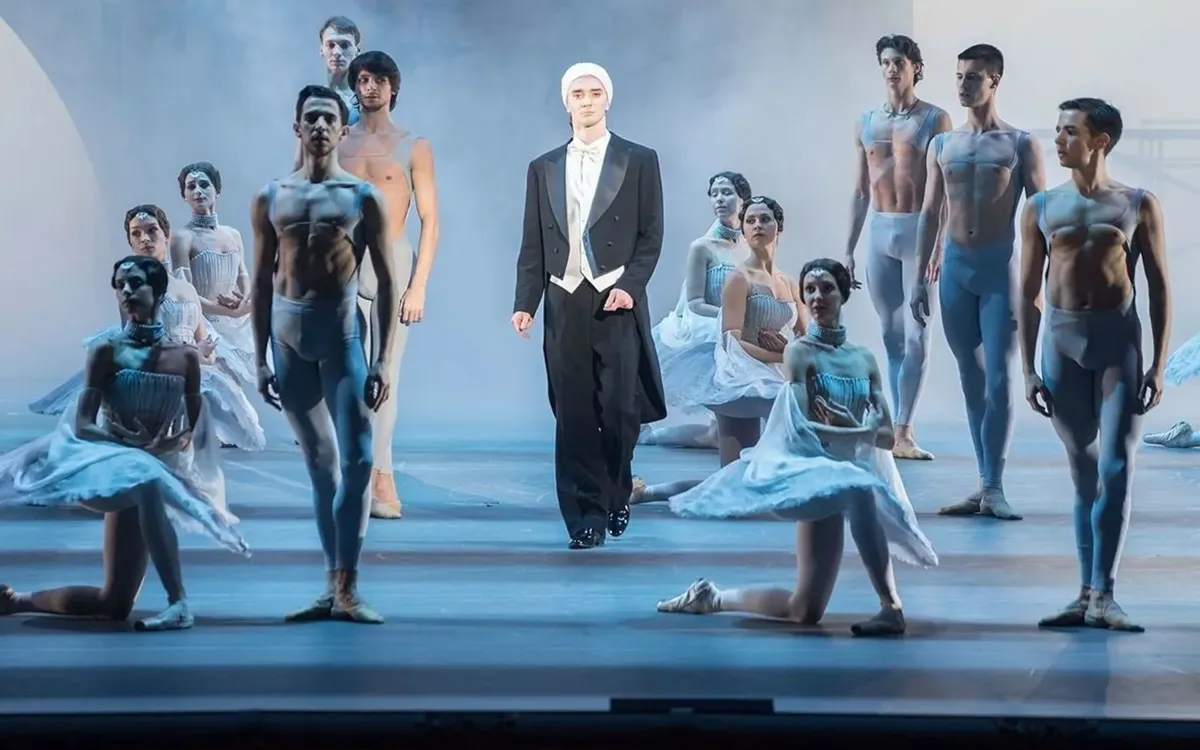
Not a single theater premiere in the country knew such intense expectation. And the point is not only that the true reason for the abolition of the shows was still not understood five months ago: either the Minister of Culture banned, considering the production of Frivolnoye, or the theater’s leadership was reinsured for the same reason, or, according to the official version, the performance was “not ready” for the initial date of the premiere, and the performance was decided to postpone until better times. Times have not become better. But, to the honor of the Big Directorate, the performance of the arrested director (I think there is no need to resemble the oddity of the plot of the “Seventh Studio”, because of which Kirill Serebrennikov is under house arrest) The theater dared to show the world.
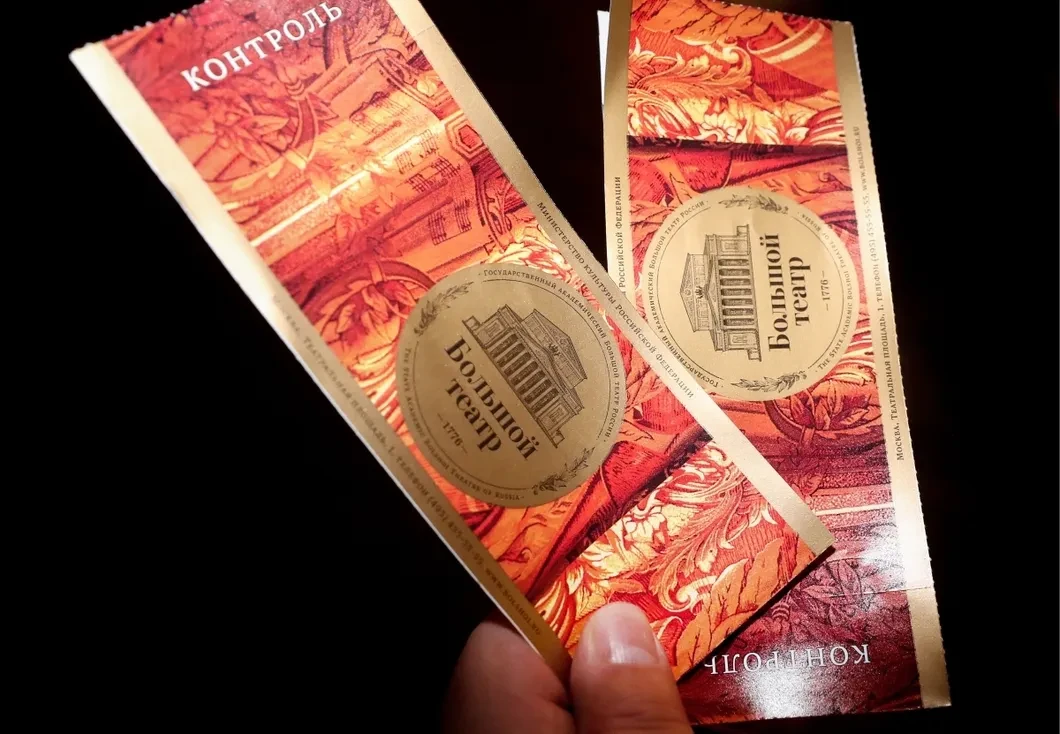
The nervousness around the premiere was only growing every day. Simple and not very spectators could not get tickets: only 500 tickets for each of just two performances were received to the cash desks of the theater. And they were sold only upon presentation of a passport, the data of which were entered into some kind of audience special base. And although at the entrance the security checked passports, unsinkable speculators traded the opportunity to see Nureev for 40-85 thousand rubles for a ticket. It is not surprising that the hall was half filled with the bureaucratic and secular public.
The artists engaged in the play, unanimously claim that the production will be sold in the near future to one of the European theaters. The leadership of the big promises that Nureyev will enter the repertoire, and the next series of impressions will be held in May 2018. But if you believe the Bolshoi repertoire booklet for the current season, the nearest performances are scheduled for June 27 and 28.
In such an agoted environment, it is difficult to treat Nureyev as a pure artifact. However, this is still the world premiere of the composer Ilya Demutsky, who was written by him in a creative alliance with Kirill Serebrenikov, who owns the director, the concept of ballet, libretto and scenography. Choreography by Yuri Posokhov, for the conductor's remote control Anton Grishanin. In fact, not so much ballet was presented as a multi -stewed, bright and modern performance. It should be noted that it was this staging team that worked on a very successful debut ballet of Ilya Demutsky in a large “hero of our time”.
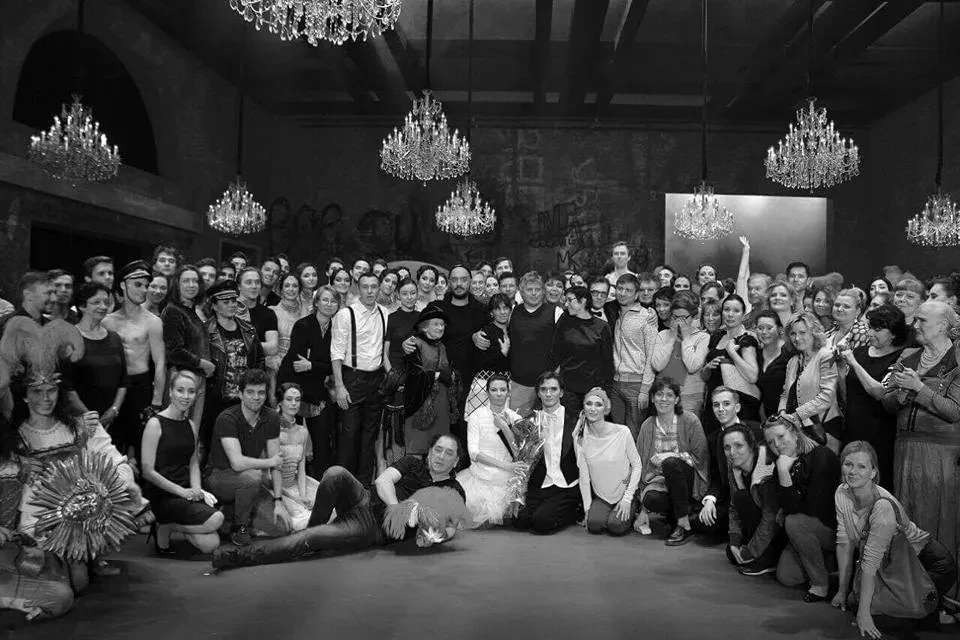
But then, two and a half years ago, and criminal cases were not started on the authors of the performance, and the plot was classically literary, and not an attempt by the Bayopic of one of the most striking heroes of the world -class of the twentieth century. But, it seems, this is also an attempt to get even with historical injustice: Rudolf Nureyev never danced on the scene of the big.
The libretto is based on the key episodes of Nureev’s life: study at the Vaganovskoy School, in the classes of which portraits of leaders from Lenin to Khrushchev change, but the portrait of Agrippina Vaganova reigns over everyone; The tour of the Kirov Theater in France, after which he remained in Paris, making a legendary jump from poverty to freedom and glory; Meetings with Eric Brun, with Margot Fontaine and memories of almost all his roles. Nureev danced about 20 parties, and even appeared in the musical of Richard Rogers and Oscar Hammerstain “King and Me”, where he sang from the stage. “When I sing, I know that I make fire in many. I always managed to act on my nerves, ”Rudolf Nureyev once admitted.
The idea was large -scale: not only the ballet troupe and mimmins were involved in the play, but also the choir, opera singers, musicians who have been wearing on stage, Jazz Band and a dramatic artist as an auctionist. He lays out the life of the great dancer into expensive lots: in 1995, two years after his death, almost all his property was sold at the Christie auction.
It is the auctionist in the exact performance of the artist of the Moscow Art Theater. Chekhov Igor Vernik becomes the main character of the performance. He even dominates too much, often rudely tearing the musical fabric of the performance. But if you think about it, because Nureyev himself is still in his lifetime, like any idol and an idol, he became essentially an auction lot.
The final of the first action: “Lot 875. Note by Mr. Nureev, addressed to Mr. Bruna. It was written on the form of the Toronto Hospital, where Rudolf Nureyev visited Eric Brun before the death of the latter, which followed in 1986 from lung cancer ... The content of the note is intimate and confidential and is not subject to publicity. ” And the sale, it turns out, is subject.
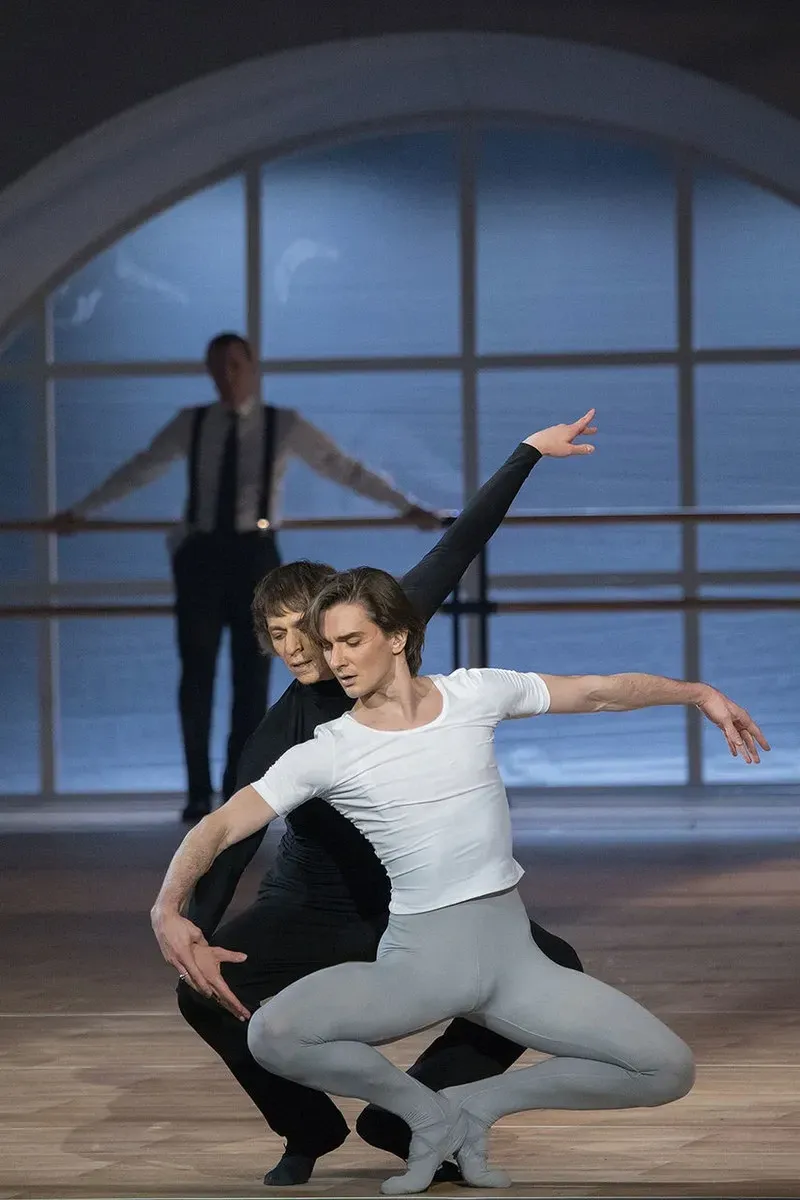
The music of Ilya Demutsky is associative and dance. But the performance clearly lacks the director’s hand (the investigator did not allow Kirill Serebrennikov to carry out any rehearsals) so that the scenes merge into a single whole. As for the much noise of the famous photograph of the naked Nureyev, the work of Richard Avedon, at the premiere performance, only bashfully flashed among other photographs of “The god of dance and vice”.
Nureev’s image performed by Vladislav Lantratov turned out to be soft, excessively romanticized and not as magnetically powerful as his prototype was. This is generally a difficult and, as a rule, not a grateful task to embody the images of their outstanding colleagues on the stage. Maria Aleksandrova represented Margo Fontaine, and Svetlana Zakharova embodied the collective image of the magnificent ballerinas of Alla Osipenko and Natalia Makarova.
It is felt that the authors conceived the performance as a penetrating Ommage of the tragic figure of Nureyev. The dramatic spring is spinning from the pathos performance of the “Songs of the Motherland” in chorus, Tenor (Marat Gali) and Mezzo-Soprano (Svetlana Shilova) to the exquisite and sad stanzas of Baudelaire and Rimbo. The king’s voice becomes a counteratraper (Vadim Volkov), the leitmotif of the performance - “Lullaby” in the Tatar language.
Three scenes from the performance make an indelible impression. The first is the solo of the Nureyevsky student, passionately and masterfully executed by Vyacheslav Lopatin. The second is the duet Nureev and Eric Bruna (Denis Savin). And the third is final, when Nureyev defeated by illness, just soared over the stage, senile, unsteady gait wanders around the stage and descends into the orchestra hole, takes a place at the remote control and tries to conduct a “bayucker”, as it was dreamed of in reality at the end of 1992. And on January 6, 1993, Rudolf Nureev was gone.
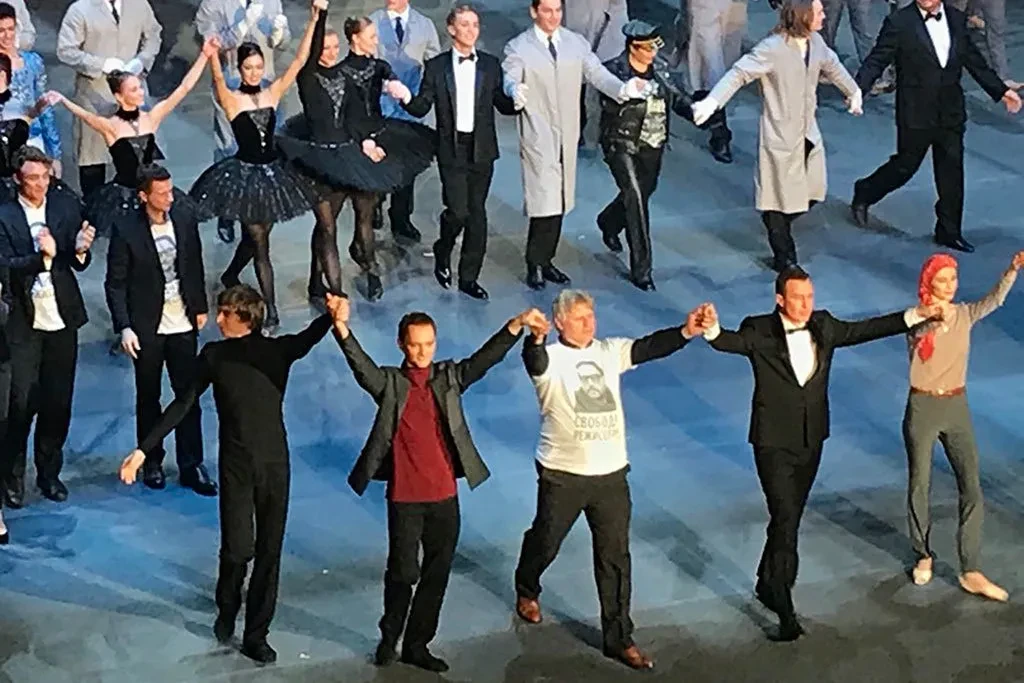
The hall met the premiere with a 16-minute ovation, and most of the staged team, led by Yuri Posokhov, went to bow in T-shirts with a portrait of the director and the words: “Freedom to the director!”
Direct speech
Vladimir Urin
General Director of the Bolshoi Theater
- The performance, of course, will cause disputes, but it seems to me that we are engaged in art, and art should raise the problems and questions that society lives. A number of people had statements about the fact that this topic and about this dancer did not need to make a performance today. I have already heard this, and repeatedly. And from the screen of the TV, and in the press. Such opinions, of course, will be, I do not see anything bad in this. Only I would really like the dialogue about the performance to be conducted as part of a civilized discussion.
Maria Babalova , especially for "New"