
Translated material
Son for the father
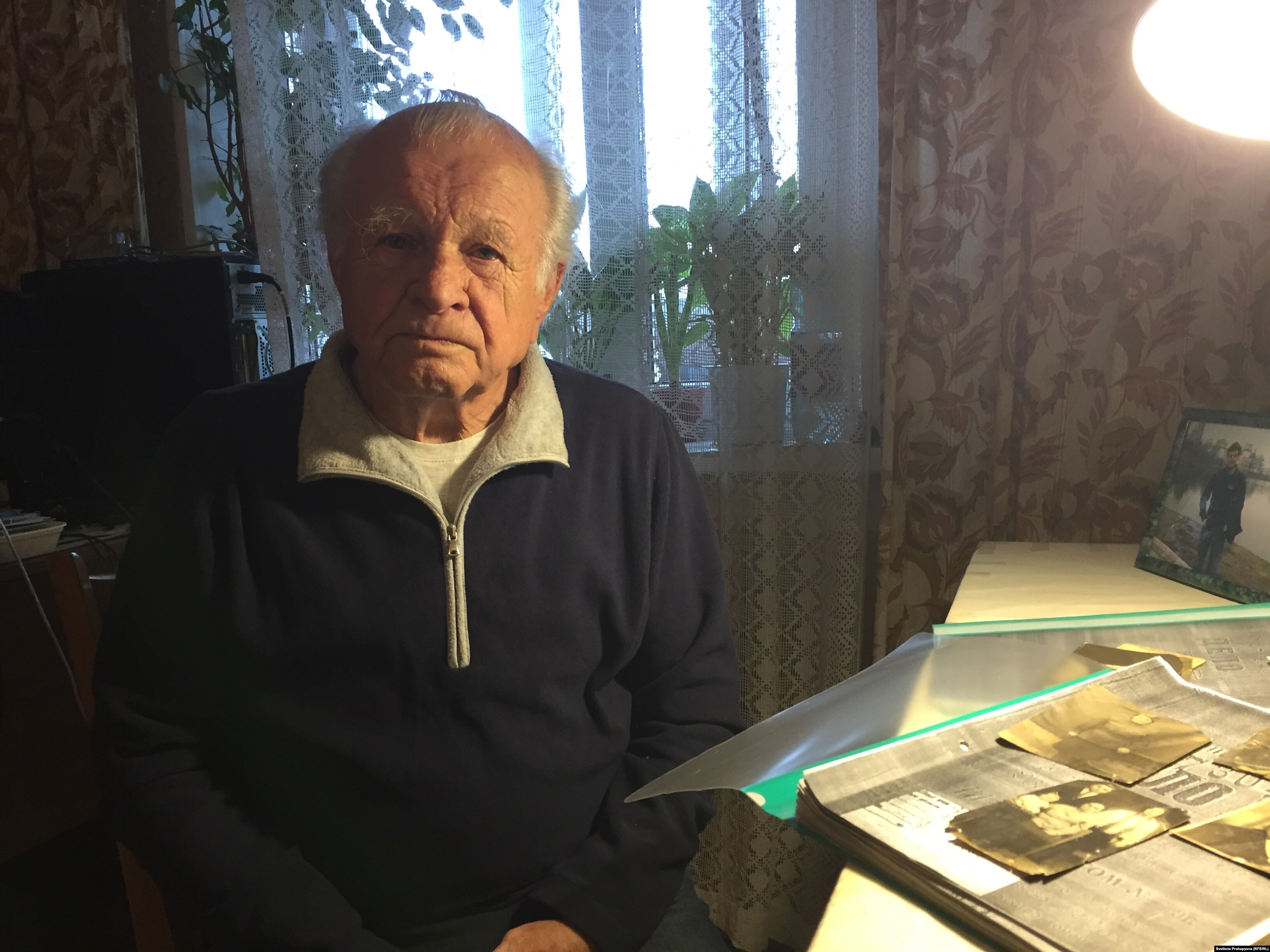
Stalin repression for the 84-year-old chairman of the Pskov Memorial is a personal memory. Eighty years ago, during the Great Terror, Yuri Andreevich Dzev lost his whole family.
He is sure that such tragedies can happen again today, if people forget how simple and everyday the state goes to terror.
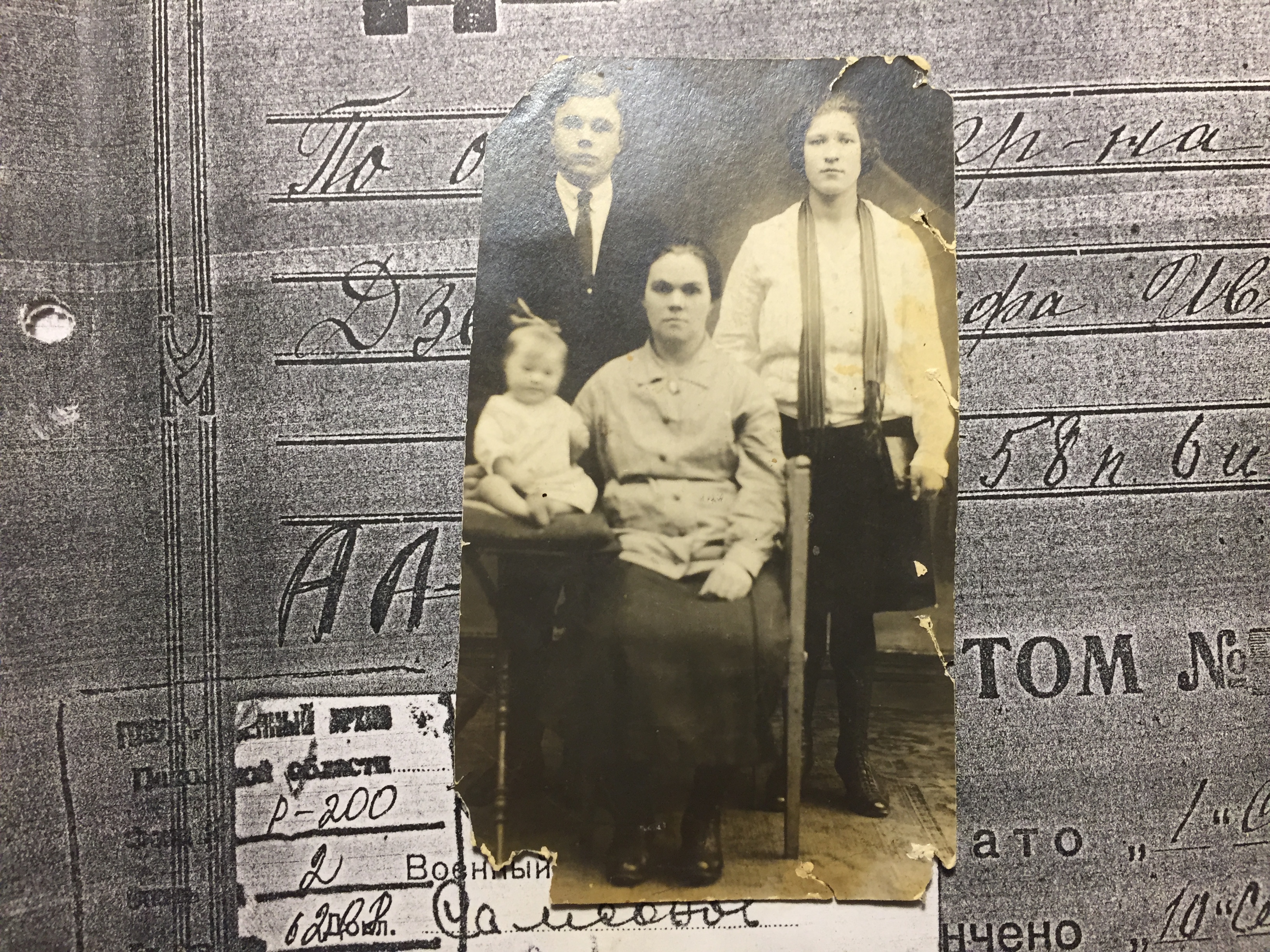
Dzev family
A hundred years ago, a former soldier of the tsarist army, and after 1917, the Red Army soldier Joseph Dzev decided to settle in Pskov, who was just beaten off from the Kaiser troops. He was recruited from Poland in 1910, but by 1918 the Russian Empire had collapsed. Parents died, ties with the brothers broke off, and there was no reason to return to Poland. Under Pskov, Joseph met a good woman with a nine -year -old child. They got married and settled in the village of Ovsishche (today this name is preserved behind the city microdistrict). Dzeva got a job as a modelman to the Factory “Shpagat”, nationalized after the flight of the owner of Henry Meyer in the same 1918.
The most important thing that remains in memory is the scream of mother when her father was taken away. Still stands in the ears
His Polish name began to sound in the Russian manner - Osip. The son of his wife Olga, Andrei, he adopted, gave him his surname and patronymic. By 1937, Andrei Osipovich also worked at the “twine”. Both, father and son, were listed in good account, often received bonuses. Andrei and his wife Anastasia had two sons, Yuri and Anatoly. Until 1937, both families lived in the same house in Ovsishchi.
In September, Osipa was arrested.
As their grandfather was taken, Yuri Andreevich does not remember. But the arrest of his father, who followed in the winter, was imprinted in the memory:
- Two young people came in uniform. They started looking for an apartment. I can’t say that they were rude-they just looked, searched for some documents. We began to cry with my brother (I was five years old, three brother). He took us like that, planted us on the bed, shot a photo from the wall - let us play with this photo. Visually, I imagine this, I even imagine an apartment. The most important thing that remains in memory is the scream of mother when her father was taken away. Still stands in the ears.
It was February 3, 1938. The family at that time lived on Sovetskaya Street, 22, in Pskov. Dedushkin’s house in Ovsishchi confiscated the Soviet government, and his grandmother was arrested and soon sent. The same fate was waiting for Anastasia Dzev. Her little sons remained orphans for several years.
The newly destroyed family was able to gather only after nine years - in the post -war Pskov, which turned into ruins.
Grandfather
Why Joseph Dzev caught the eye of the NKVD organs is unclear. In order No. 00447, there is no suitable category of “anti -Soviet elements” for him: he was never a fist, did not participate in “gangs”, and did not be in any of the anti -Soviet political parties. Perhaps the whole thing is in the order: in the Leningrad Region it was necessary to repress 14 thousand people - four thousand in the first category and ten in the second. The Pskov district was supposed to give its part of the tribute. Well, where to disclose spy affairs, if not in the border territory? And who to take in spies, if not citizens of foreign origin?
The order of the head of the NKVD Nikolai Yezhov No. 00447 entered into force on August 5, and Osip Ivanovich was arrested on September 1. The first time he was interrogated in five days.
“Question: Are you a member of the counter -revolutionary spy organization. Give testimony on the merits of your criminal activity?
Answer: I deny, I am not a member of the counter -revolutionary spy organization. ”
There are no pauses in the protocol, but literally in the next paragraph another picture:
“Question: You give a false testimony, the investigation has accurate evidence that you are a member of the counter -revolutionary spy organization. Tell the truth.
Answer: I admit that I, Dzev Osip Ivanovich, is indeed a participant in the spy organization of Polish intelligence, which was recruited by the Polish consul in 1928. ”
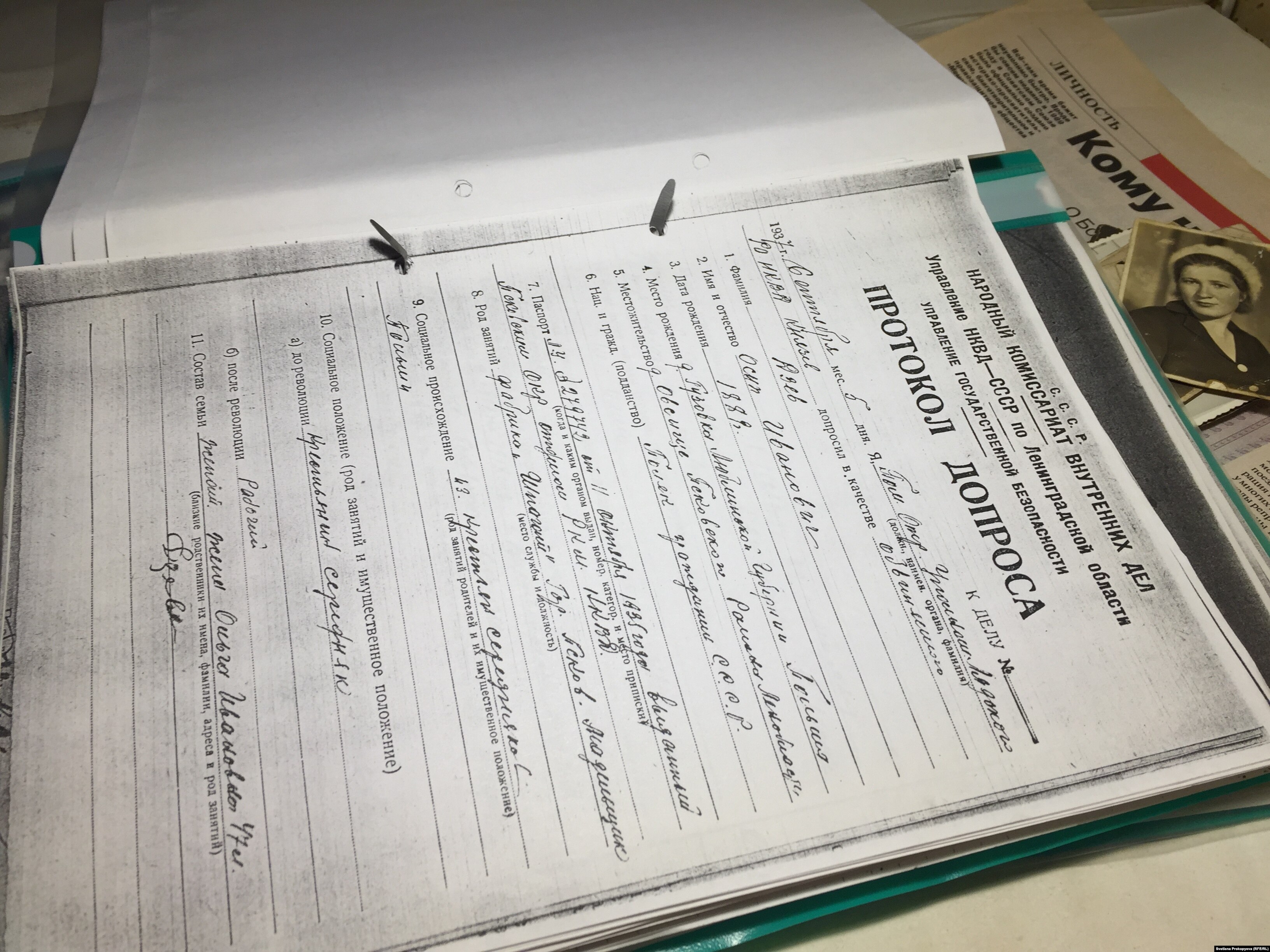
Where does such a difference between the first and second answer, Yuri Andreevich later told his uncle. Peter Musatov fell under repression in the second category - he served 10 years in the camps. As they sought confessions, he knew on personal experience.
I came and say: I want to know the fate where I was serving the deadline where I was buried and so on. And the gabist did such a pause: calm down, your father is shot
The Osip Dzev was recorded in the first category. The investigation made up a slender picture of the crime: supposedly wanting to go to Poland to see his relatives, he visited the Polish consulate in Leningrad and agreed there to inform the unidentified “Vasily Larionovich” information about collective farms and state farms, the units of the Red Army, standing in Pskov, the mood among the workers of the “Shpagat” factory and so on. They offered Osip Ivanovich to admit also in the wrecking - the collapse of the poultry artel, but did not insist.
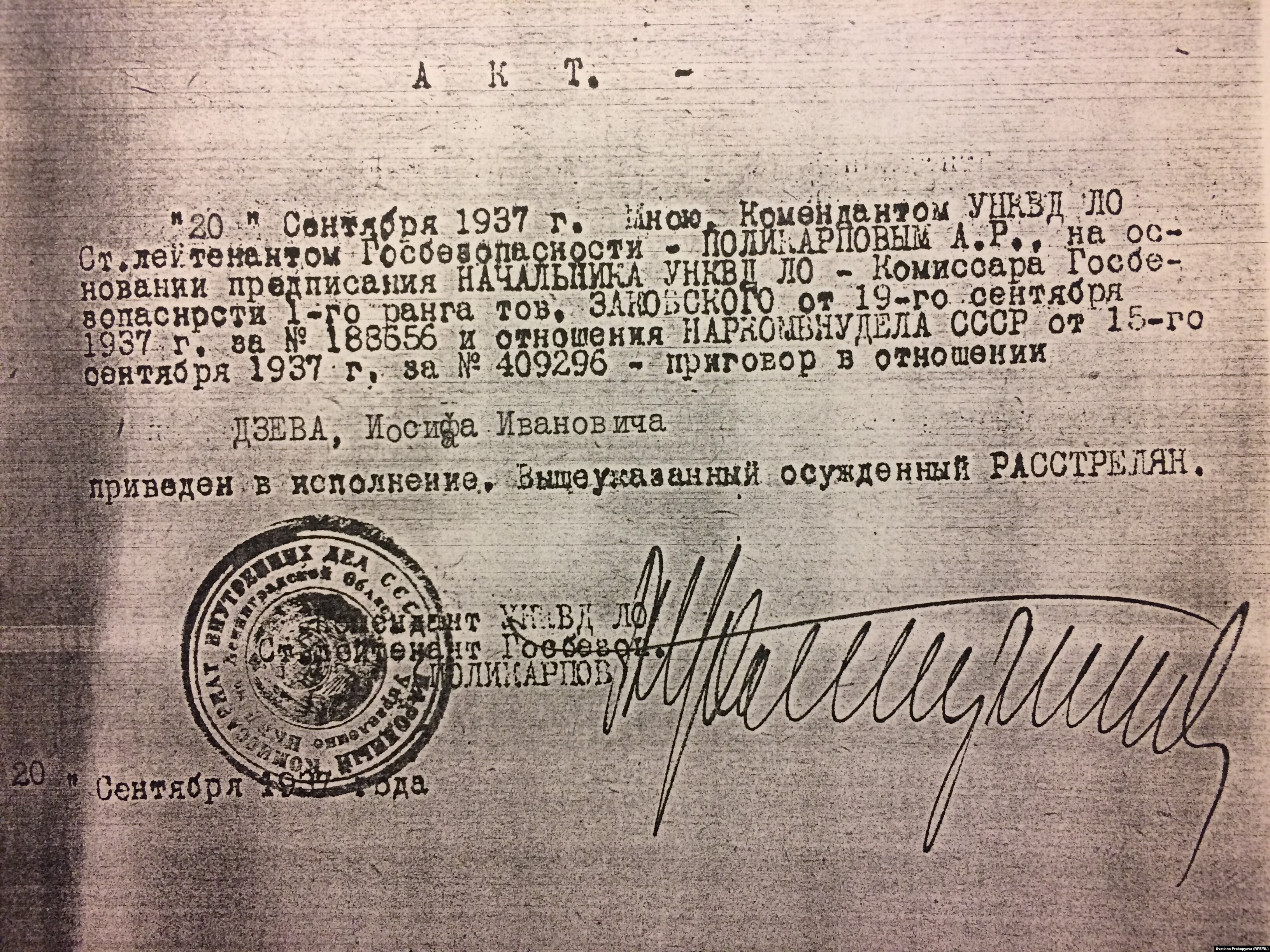
After two interrogations on September 16, an indictment was approved, and on September 20, 1937, the sentence was carried out. The 48-year-old modelman of the Tvpat factory Joseph Ivanovich Dzev was shot like a Polish spy.
Grandmother
Olga Ivanovna until the end of her life did not find out what actually had happened to her husband. Everything that happened then to herself and other family members seemed to be an ordinary illiterate woman with a mistake.
The 47-year-old Olga Dzeva was arrested on November 15, 1937, for two months they kept in prison and sentenced to expulsion in Kazakhstan for five years. From the Kazakhstan steppes, she wrote one after another petitions to the main department of the NKVD:
“For interrogation to the investigator in Pskov, I was called only once, where I was to blame for what I am to blame for, I received the answer that I was responsible for my husband. What I should be responsible for my husband, I didn’t notice anything bad for him during my life, in his work in the“ Spagat ”factory I did not interfere, because I was busy with my housekeeping, and I don’t understand anything in his work. I haven’t done a bad one during my life, I didn’t have any correspondence abroad. I would not receive an answer to work and be treated for all my questions.
For the NKVD, Olga Dzeva’s wine was obvious: she is the wife of the enemy of the people and continued to “support her husband to support”, brought him to prison products and money. Someone took this money, although Osip Dzev was shot in Leningrad and was buried somewhere on the Levashov Politaea twenty days after the arrest.
Father
They came for Andrei Dzeva on February 3, 1938. A neighbor in the apartment, Ivan Andreev, sent the People's Commissar of State Security Comrade. Yezhov “Statement”:
“16/11 S.G. I submitted a letter to the N-Ku of the Pskovsky okrotdul of the NKVD, in which I pointed to one of the Mark, that I promised to take revenge on those who arrested his father, and his father was arrested by the NKVD’s enemy, and in addition, this Dzeva A. O. took part with his father in smuggling, received a letter from Poland with a program with his father. Dzeva Osipu. On the denunciation - a manuscript visa: “Comrade Vlasov. Investigate in relation to Dzev.”
The investigation of the "counter -revolutionary activity" of the tiner of the Factory "Shpagat" met in two interrogations. On February 3, Andrei Osipovich admitted that he was recruited by his father and helped him spy for Polish intelligence, and also intended to set fire to the factory. The interrogation on February 4 was formal - the arrested simply confirmed his testimony.
“Question: when and what is your father Dzev Osip.
Answer: My father of Dzev was Osip Ivanovich arrested on September 1, 1937 in the mountains. Pskov by the NKVD organs and its location is currently unknown to me. I can’t show anything about the criminal activity of Dzev Osip and the reasons for his arrest.
Question: You say wrong. You know the criminal activity of your father Dzev Osip - why are you hiding about it.
Answer: I do not intend to hide more from the investigation of my criminal activity and the criminal activity of my father and is ready to tell the truth. I admit that I, together with Dzev, Osip, starting from 1928 until the moment of his arrest, carried out spy and counter-revolutionary and nationalist work in favor of Poland. ”
Separately, the junior lieutenant of state security Kapran investigated the inconsistent, why a Russian citizen was spied on Poland, according to the Russian passport.
“Answer: I am a Pole by nationality, my parents are also Poles, I considered myself a Russian passport only because I was born in Russia. Being a Polish nationalist what my parents brought up in, and being hostile to the Soviet regime, I spent a systematically Polish nationalist propaganda among my encirclement.”
On February 13, the indictment was approved, on April 2, Andrei Dzev was shot.
Mother
With Anastasia Dzev, a 28-year-old mother of two children, the NKVD organs acted a little more humane than with my mother-in-law. They were sent not to the Kazakhstan steppe, but only to Ivanovo, before the expulsion, they were kept not in prison, but under the subscription. The Soviet government was not worried about the fate of the two boys of five and three years left without a father and mother.
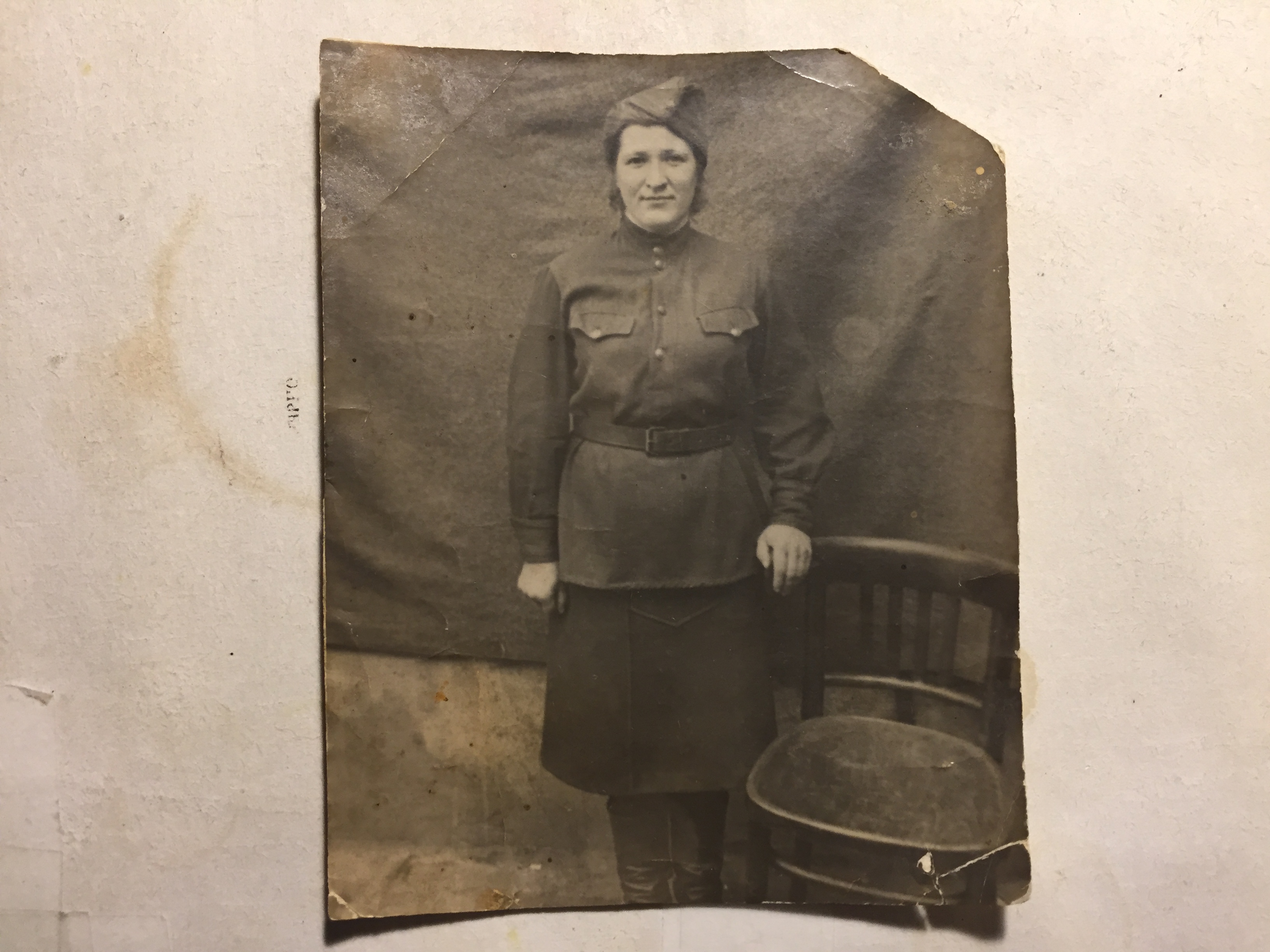
In the archival affairs of Anastasia Vasilievna, her petitions were preserved to the NKVD special department and dry answers: “The applicant asks her to return to her former place of residence in the city of Pskov to her young children left by her sister, who can not take in the city of Ivanovo because of the bad apartment conditions, and life for two families requires unnecessary funds in which she is limited due to non-qualification. Given the severity of the crime committed before the Soviet authorities, the husband of Dzev A.V. and taking into account that it was sent only from the border zone and restrictions on finding the place of residence and work - to refuse to refuse the cancellation of the expulsion. ”
A year later, the aunt took the children to the village of Chikhachevo of the Bezhanitsky district, to her grandparents. The surname there, just in case, changed the boys - they went to school like the “Andreevs”. And about the first after a long separation meeting with my mother in 1944, Yuri Andreevich recalls:
- We fled to school, I and my brother. Mom met us, did not find out, asks-where are such and such live? The brother waved his hand, they say, I don’t know, after all, the surnames are already used to it, and then we come home - that woman - our mother is sitting.
When the war began, Anastasia Dzeva was mobilized with other wives of the enemies of the people. She was released home only in 1946. From the Lviv region, she drove the children half a bucket of apples and three liters of seeds, but in Belarus she got on the train under the raid for speculators. For almost a year, the family sold things to hire a lawyer and rescue Anastasia Vasilievna from prison. In Pskov, she returned not a front -line soldier with awards, but a convicted criminal.
“She had two works,” recalls Yuri Andreevich, “she worked as a nurse in the hospital, and the second work was a conductor on suburban trains.” And as soon as the abbreviations, they dismiss her, and then the reductions were solid. And so, it will be reduced in the hospital - they will take a conductor. She will work as a conductor-reduction, again some period is nothing, then again the hospital. At 52, she died.
Children
After the war, when the documents were restored, the brothers returned the previous surname - Dzev. Yuri Andreyevich does not remember noticeable discrimination as the son of the enemy of the people - after the war, the unaware was continuous, they did not stand out from the total mass. “Another thing is that it was impossible to do anywhere,” he says: in each questionnaire there was a question about the criminal record of the parents, and about life in the occupied territories.
Grandma Olga Ivanovna did not leave attempts to find out about her husband. Finally, after the death of Stalin, in January 1956 she was invited to the KGB department and reported: “Dzeva Osip was sentenced to 14 years of ITL and, serving a sentence, died in places of conclusion of 29/IV 1944 from the defect of the heart.” Based on this certificate, they also issued a death certificate.
Yuri Andreevich believes that she never found out that her husband and son were shot. He himself discovered the truth only in 1989:
- For the first time, I went to the KGB department to find out about the fate of my father. I came and say: I want to know the fate where I was serving the deadline where I was buried and so on. And the gabist did such a pause: calm down, your father is shot. This was only in the year 89, then all this lies were revealed.
How did this arise? It's hard to imagine. Here's how - it is given to order for executions, and in place it is overfulfilled!
In the short period of the late 1980s-early 1990s, when the KGB archives were opened, Yuri Dzev managed to find and make copies of archival documents. He found out that the Soviet state itself admitted that it was "overwhelmed" with the Dzev family. Back in 1940–41 An investigation passed against the employees of the Pskov department of the NKVD - they were accused of unreasonable mass arrests, beatings and torture of prisoners, artificial creation of group affairs and falsification of signatures under recognition. Several people were condemned to imprisonment in forced labor camps. The foreman of the investigative brigade Nikolai Kapran, who interrogated Andrei Osipovich, was sentenced to death. The court issued the ruling in June 1941, a few days before the start of the war, and whether the verdict was carried out, is unknown.
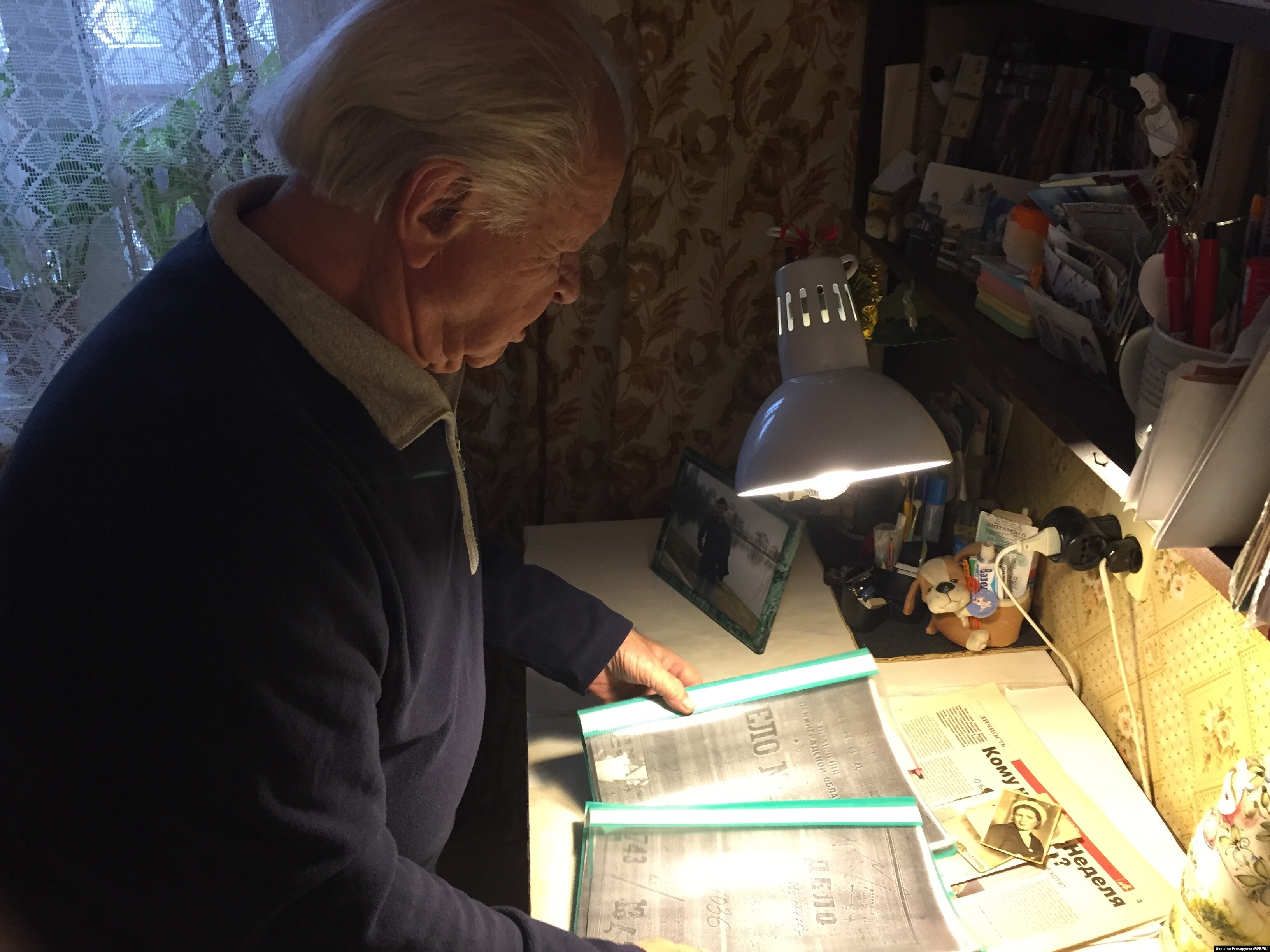
After the debunking of the personality cult in 1957, Osip Dzev, Andrei Dzev and their spouses were rehabilitated. The repeated investigation did not find a single evidence of their connection with Polish intelligence. The Soviet government even agreed to pay compensation to Olga Ivanovna for a confiscated house, cattle and other property. Counted 4975 rubles 43 kopecks in the prices of 1958.
When perestroika began and in 1987 the magazine “Schonek” decided to hold the “Week of Conscience” campaign in Moscow, Yuri Dzeva was one of those who defended a kilometer queue to get into the recreation center of the Moscow Electric lamp factory. In 1989, he took part in the constituent conference of the Memorial Society. The organization’s cell arose in Pskov, Yuri Andreevich Dzev has been heading the Pskov “Memorial” from the moment of founding.
- What did we do? Yes, they did little. It took 18 years to put a laying stone in the Levashov wasteland. And while we have nothing but a mortgage under the monument. Here, they excavated the basement of the Pskov round -off of the NKVD, where 27 people were shot. We held a subbotnik, put an iron lattice on the door and on the window. From the middle of summer and still, the authorities have not shown any reaction to our action.
- You have to constantly face a variety of stories and the fate of victims of great terror. In general, you can get used to it in general?
I met with the son of the executed, who was such an avid communist and spoke about his father: and he was correctly shot, shot for business!
- This is such a huge tragedy .... every person, every event ... But when you read and find such as, for example: throw people on the snow in the snow ... or when they tied people to wood and their flies ate, in the heat. After all, there is another question: there were repressions, but someone did them! So you have to be an executioner to do these things? How did this arise? It's hard to imagine. Here's how - it is given to order for executions, and in place it is overfulfilled! These were living people, innocent ...
- I'm trying to understand why Stalin's repressions are still a “controversial issue” in Russian society?
- So he will be controversial! This issue will crack society until the power at the top recognizes the fact of crimes. Not just by some statements that “we do not mind, that it was”, but to document that Stalinism is Stalinism. And now we have gone to the point that more than 50% of the population want Stalin ...
- How can it be?
- People do not delve into the essence. Why, a normal person does not understand at all how it could be! Well, how it is to deport people, in a half -land in Kazakhstan in the cold, throw it out in the snow, and that’s it. Well, how can a normal person perceive this? Therefore, the scale of this tragedy does not sit in people in their heads. And at the same time - the impudent bureaucracy, which now has developed as a class. Here people want Stalin to somehow correct these officials.
- I often meet people who justify mass arrests, they say: yes it is all for a reason, for sure it was.
- I’ll tell you more - I met with the son of the executed who was such an avid communist and spoke about his father: and he was correctly shot, shot for business! How can you talk to such a person? There is a question of repentance ...
- And there is also such a point of view: it is better to forget and not to remember the history of repressions, because it rather teaches the power of impunity - they say, even this gets off in Russia ...
- No, I disagree in the root. Если это забыть, то это повторится, только еще хуже, еще страшнее. Потому что сейчас уже в ходу деньги большие. Тогда люди не знали о деньгах, а сейчас если это заварится, это будет что-то страшное. Нет, нельзя забыть это.
– Сегодня практически не осталось в живых самих сидельцев, жертв политических репрессий. Вы – внук и сын репрессированных. Как вы считаете, люди, в чьей личной памяти репрессий уже нет, сумеют сохранить память об этой трагедии?
– Я хочу верить, что это возможно. Собственно, я и работаю именно для этого, для этого и "Мемориал" существует.
-


Svetlana Prokopyeva
Pskov journalist, editor and author of the regional site Radio Liberty Sever. Reali