
Translated material
Big German
At the International Conference “Phenomenology and Poetics of Alexei German films” at St. Petersburg State University tried to unravel the secret of one of the largest directors of the twentieth century
For more than four years he has not been with us. And it seems that only now we begin to approach the understanding of his film poet, to the awareness of his role in the history of world cinema.
Petersburg continues to open a planet called Alexei German.
In my opinion, never understood, and underestimated by the world cinema community.
We are reviewing his cinema, re -opening the depths of the artistic space, discovering the connections between the grandiose personality and the world of his paintings.
Perhaps this is the first large -scale conversation about the cinema of the director who left us four years ago.
Scientists, graduate students and students reflected on Herman and his films. Finally, they saw the film “It is difficult to be a god” on the film. The picture was presented by the general producer Rushan Nasibulin (Studio "North"). All previous shows were on electronic media, which impoverished the image. Therefore, they also talked about the aesthetic phenomenon of film, the viability of film cinema for innovative creativity.
The initiator of the conference Kinoved Vitaly Potemkin focused on one of the important qualities of the German method: the ability to see the unusual in the usual, vector of searches: from a document, understanding the truth - to the artistic idea.
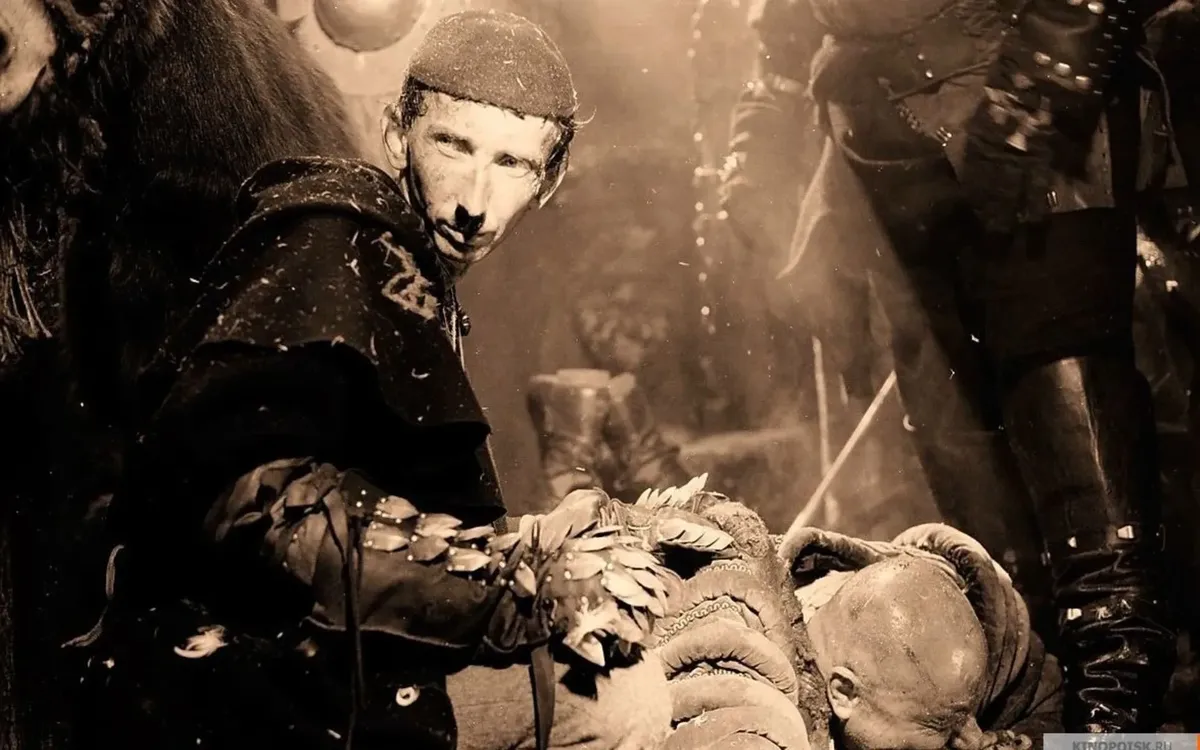
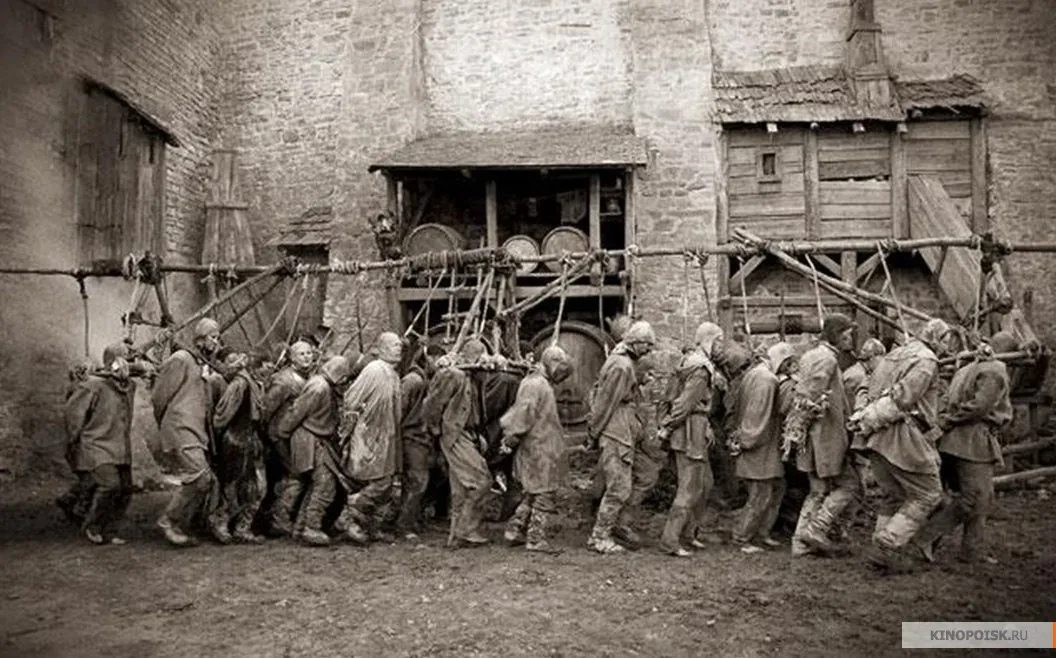
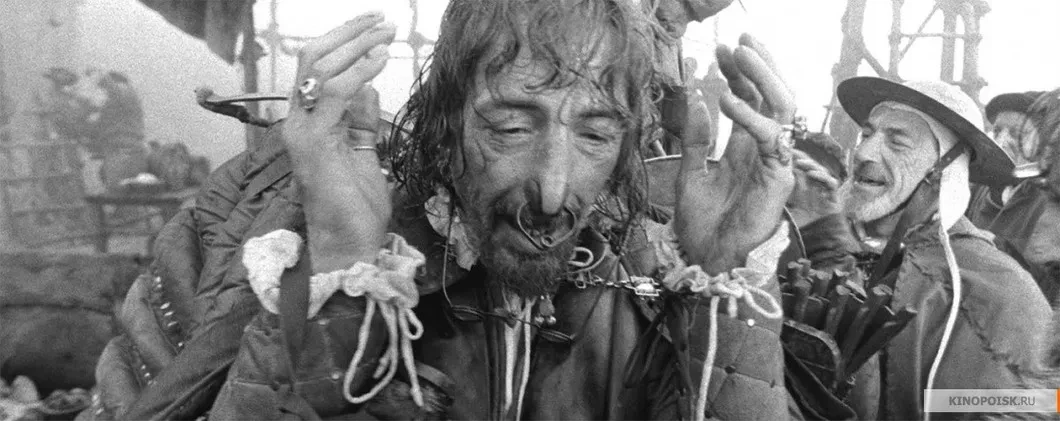
In the lobby of the Faculty of Free Arts - an exhibition of photographer Sergey Aksenov. Here the characters of Bosch, who moved to Arcanar, came to life. It seems to be ugly faces. But pain in the eyes turns external ugliness into suffering. There is so important for Alexei Herman’s films a sense of internal conflict, a slow and difficult identification of himself that his heroes pass. In them is a shaky balance between the belief that they do and ... a monstrous doubt hidden to the depths. He tried to discover in these time, a system of people, the internal beauty of the personality. No matter how difficult it is. Through the heroes there was a slow self -disclosure of the author - in each film he himself is. He was vital for him to carefully bear the spirit and experience of his family to the cinema.
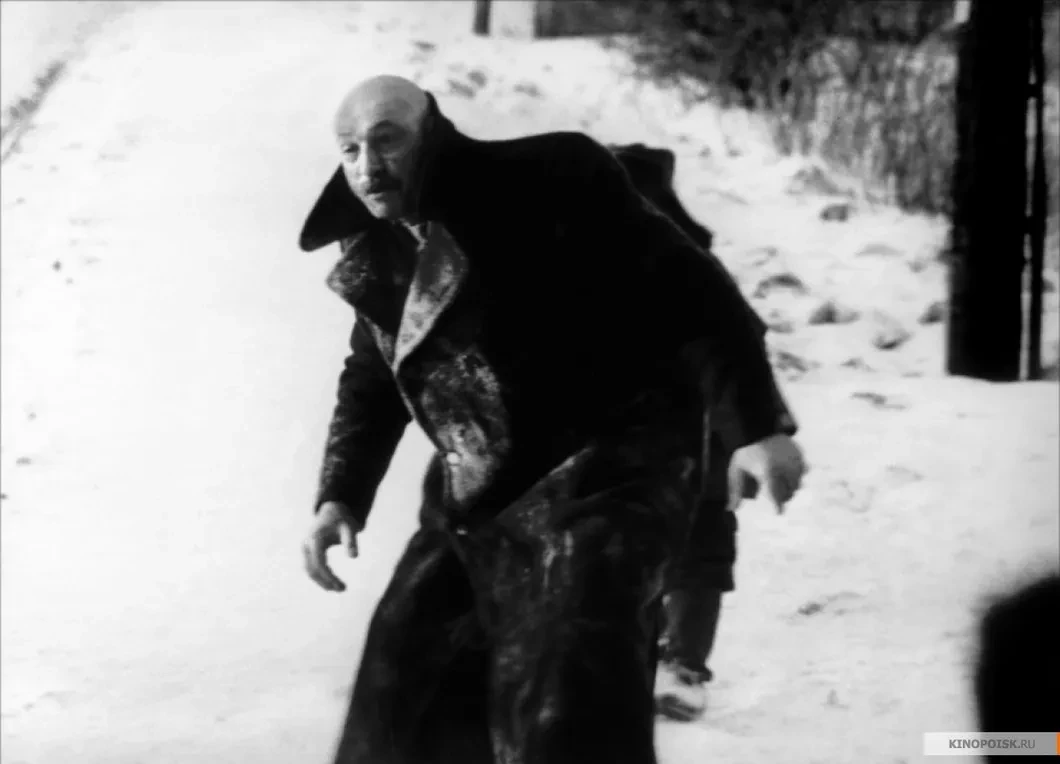
Among the most interesting are the speech of the philosopher from Lithuania Andrei Gornoya, who spoke about Herman’s unestplemented movie. About the everyday life of Stalinist horror. About the habit of forcing. He focused his attention on one of the worst episodes in the history of world cinema - the scene of the rape of General Klensky from the film "Khrustalev, the car." None of the prisoners are hatred for a humiliated commander. The escorts after the execution calmly, even indifferently depart from the victim, without experiencing it. Such ritual, mechanical mocking - as labor service, as an expression of personal class hatred.
They are given a powerful mandate for violence. That's all rot, without pumping emotions into their actions. The law can be violated ... not your own. Relevant.
“The scene in Avtosak is a metaphor of that,” said Mountains, “as the people themselves raping themselves, the authorities are a controller of obscene behavior. And this is the essence of the obscenity of power itself. ”
Thus, the car factory turns into a symbol of the system. Indeed, a similar masochistic complex of the crowd is described by such famous psychiatrists as Freud.
Kinoved and cinema historian Alexander Pozdnyakov returned us to the topic of documentary. No wonder about Alexei Yuryevich they said that he needed the actors to make a documentary movie. In addition, Herman was the top of the iceberg of the Leningrad St. Petersburg school. Nearby were aesthetically close filmmakers, such as Aranovich, Aristists, who did not just know about the war - who changed the movie language of military cinema.
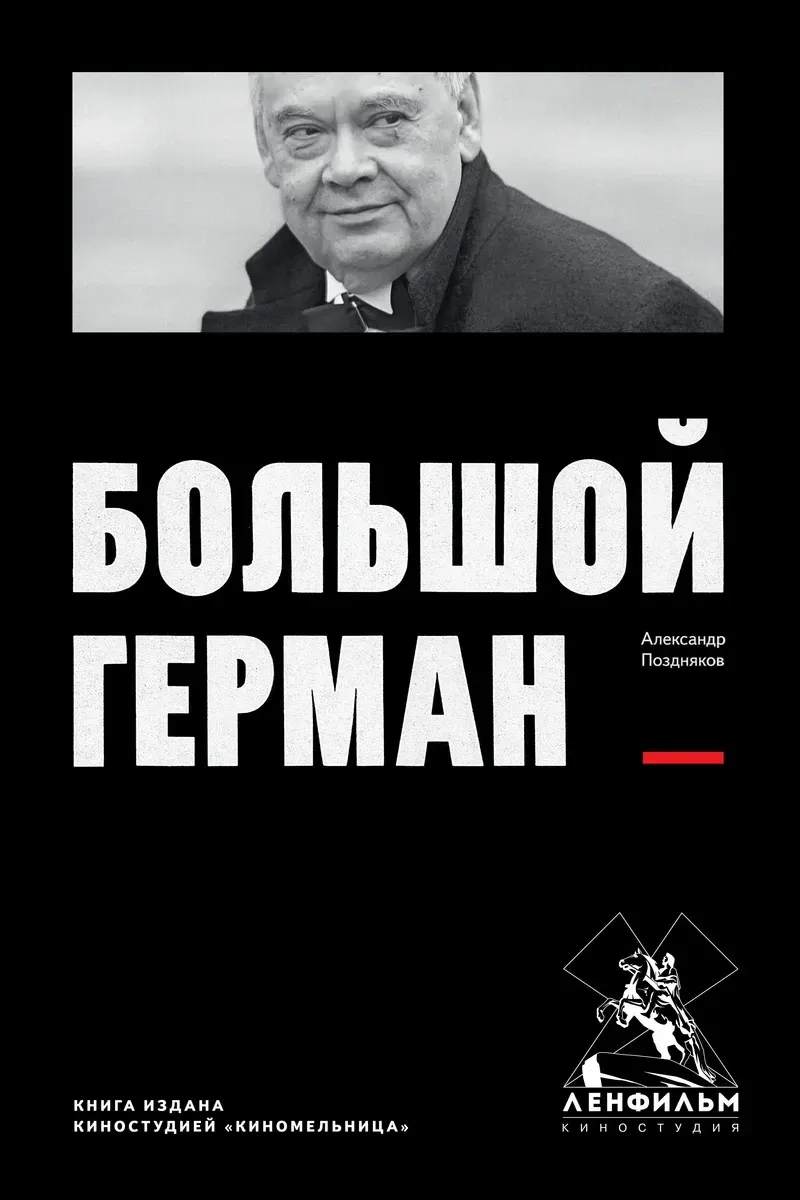
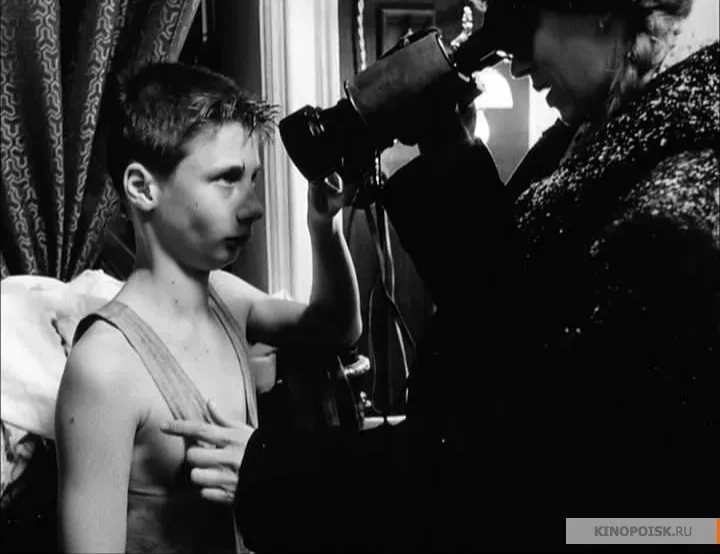
They presented at the conference and the album of Alexander Pozdnyakov “Big German”, which contains installation entries from the films of the author, his articles and interviews with Alexei Herman of different years. It also found the genesis of a number of German films. For example, the background of Khrustalev. In the late 80s, the Finnish producer Pecka Lechto, impressed by the tape “My Friend Ivan Lapshin”, invited Herman to make a movie in Brodsky’s prose “less unit”. The script about the poet, power and society was to be based on an interview with Brodsky himself. Negotiations were underway, ideas arose, synopsis was discussed ... Alas, the project on the Leningrad childhood of Brodsky did not take place. However, the “Stalin line”, which is in the air, did not give the director rest. During the visit of Hermann and Karmalits to Helsinki, they already violently discussed a new idea from Lechto, which turned into Khrustalev. At first it was a story about a boy, an alter of the author of the author, about his communal apartment and a mustachioed tyrant.
It seemed to me interesting to reflect on the topic of time - the root matter of German poetics. How miraculously he himself said: "I tried to blow dust from this from all ... from that time." No matter what years the action of his films is unfolding-then the 1918th, then the mid-thirties, then the beginning and end of the forties, fifties or the fourteenth century-in them the current of today. And the combination of eras, of course. Once I asked him a direct, almost offensive question: Alexey Yuryevich, admit, do you live in the past?
Why? If you want, even in the future. I just distinguish the good, try not to notice the evil and try to keep in my head the connection of times.
Herman movie time, like time in Arcanar: yesterday = today = tomorrow. It does not have time to digest. Gurgles. The smell of rotting time is tangible: it swirls from the needs turned into graves, from the torture, where flesh and spirit tear into shreds.
There can be no revival in Arcanar. And the reaction, as elsewhere, begins with the defeat of universities and leads to persecution of the involuntary way of thought. Arcanar - temporary boomerang. He is able to return, especially when delight, like bitterness, has no limit: “How easily it breathes in a new, freed Arcanar! And the wine is cheaper! "
Today, time is not only to look at, but also to listen to Herman: “Then the artist should have been to be tired. His decision - how to live - depended on him. Some fled, others flourished, others jumped like dogs on the arena. ” It's about when? About the 60s? About today?