
Translated material
A concentration camp on a self -recording
How the Gulag was born
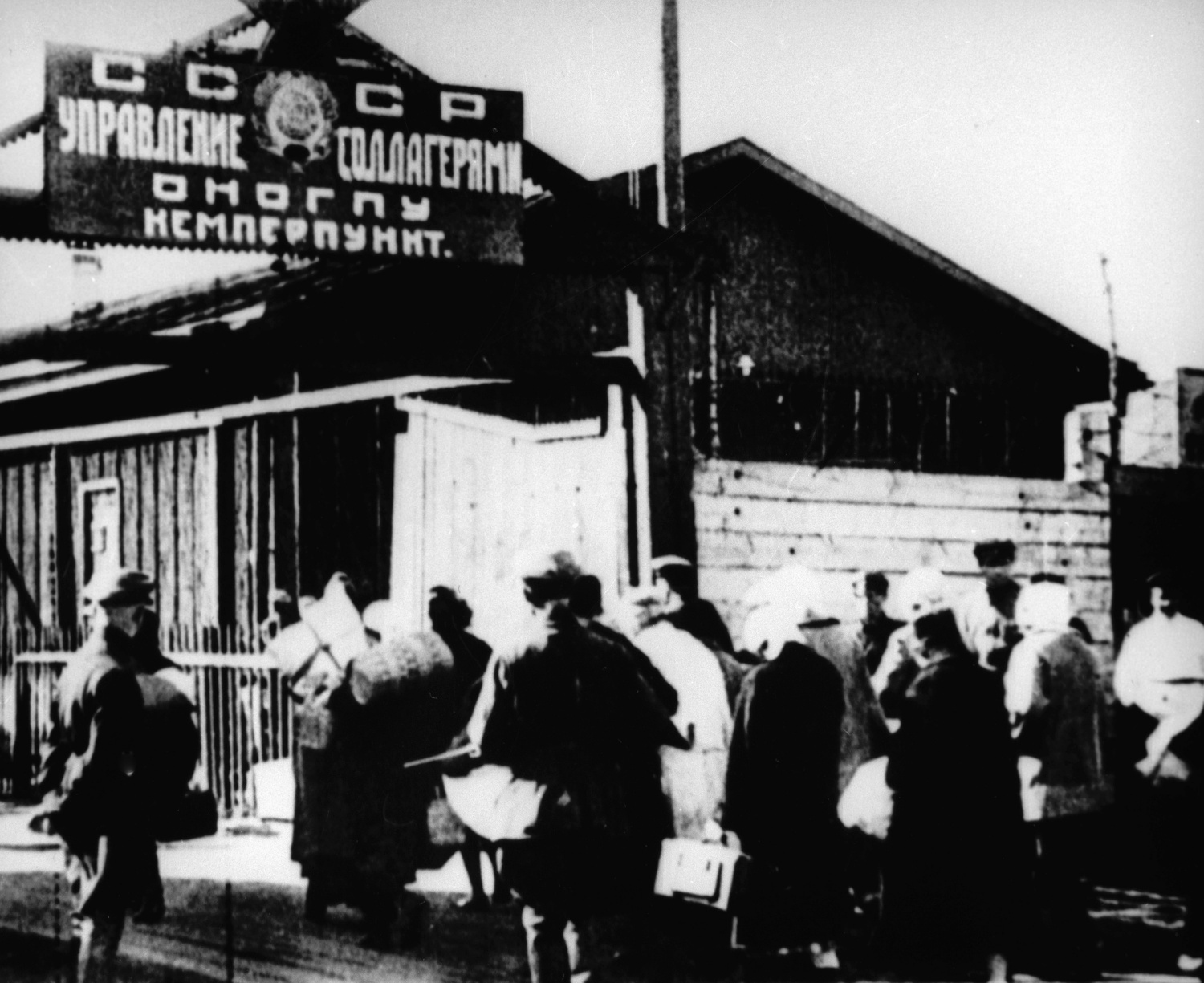
* Photo: * * RIA Novosti/STF *
In Ryazan, the concentration camp was established ... in the former convent (Kazan). ... there were merchants, priests, “prisoners of war” ... There were workshops at the camp - Tkatsky, Portnovskaya, Shoemzhnaya and (in 1921 it was already called) - “General works”, repair and construction in the city. They took off under the escort, but single masters, by the nature of the work, were released without a cilled one, and these residents fed these houses. The population of Ryazan was very sympathetic to the deprivation (“deprived of freedom”, not prisoners, they were officially called), the passing column gave alms (crackers, boiled beets, potatoes) - the convoy did not interfere with the alms, and the deprivals shared everything obtained equally ... The camp life was decorated ... with a dramatic and choral circle. They gave concerts for the Ryazan in the hall of the former noble assembly, and the spiritual orchestra of deprivaries played in the city garden. The deprivaries got acquainted more and more closely with the residents, it turned out to be intolerantly-and then they began to send “prisoners of war” to the northern special forces.
Alexander Solzhenitsyn.
Gulag archipelago. Part III
On April 15, 1919, the future “All -Union Starost” Mikhail Kalinin signed an unremarkable decree of the All -Russian Central Executive Committee of the RSFSR “On Campaign Camps”. Meanwhile, the whole enormous empire of the Gulag grew out of it. The resolution provided for the creation of at least one camp for 300 people with each provincial city, and the provincial Cheka was in charge of their organization. For the general leadership of the system in the People's Commissariat of Internal Affairs, on April 19, a compulsory work department was created.
The purpose of the newly renovated camps was proclaimed the isolation of the "hostile forces" and the "distillation" of representatives of the "exploiting classes". The main lobbyist of the innovation, the founder of Lubyanka Felix Dzerzhinsky, intended them “to use the work of the arrested, for gentlemen living without classes, for those who cannot work without a well -known coercion,” and as a means of “pulling up even our own workers”.
Camps on the self -alignment
Strictly speaking, the experience was not the first. On September 5, 1918, the resolution of the Council of People's Commissars “On Red Terror” provided for the creation of concentration camps for isolation of class enemies. But then the matter did not work out. Until the spring of 1919, only two concentration camps were created, largely due to the fact that there were no funds for the maintenance of prisoners. With the adoption of the April resolution of the All -Russian Central Executive Committee, the camps were transferred to “self -sufficiency”, and the system went to growth. True, until the end of the civil war, when the territories of a number of provinces were repeatedly passed from hand to hand, they preferred to shoot the “enemies of the revolution”. By the end of 1919, only 21 camps were created, in which there were 16,447 prisoners. But in 1921, when the Troubles in European Russia ended in the idea of those who were “isolated until the end of the Civil War” should have been released, there were already 122 camps, and the camp “population” reached 100 thousand.
“Early camps of coercive work are now imposed on us some kind of intangibility,” admitted Alexander Solzhenitsyn. Information about the camp of life of this time is extremely scarce. It is only known for certain that there was no generally accepted “regime” and everything depended on the arbitrariness of the local authorities. Camps in Central Russia, especially near large cities, were “surrounded by civilian life” and therefore were relatively less cannibalistic. The separate northern camps were distinguished by the greater cruelty and tyranny of the authorities.
Soviet know-how
Formally, forced labor camps were liquidated by the Resolution of the All -Russian Central Executive Committee of August 23, 1922. But most of them were simply transformed into the places of conclusion of the NKVD department called “forced labor”.
The camps were not at all the invention of the Bolsheviks. Priority belongs to the Spaniards, who created concentration camps in Cuba back in 1895, where the natives were placed, who were suspected of sympathy for the rebels who raised the rebellion against Spanish rule. However, the fundamental difference between Soviet camps was that the camps were given an educational function. It was believed that labor should change the consciousness of the “bourgeoisie and landowners” and turn them into sincere supporters of the power of workers and peasants. In fact, the authorities without great success for more than seventy years waged an undeclared war against its people. The last such camp ceased to exist in 1991, when the political prisoners of Perm-36 were released.
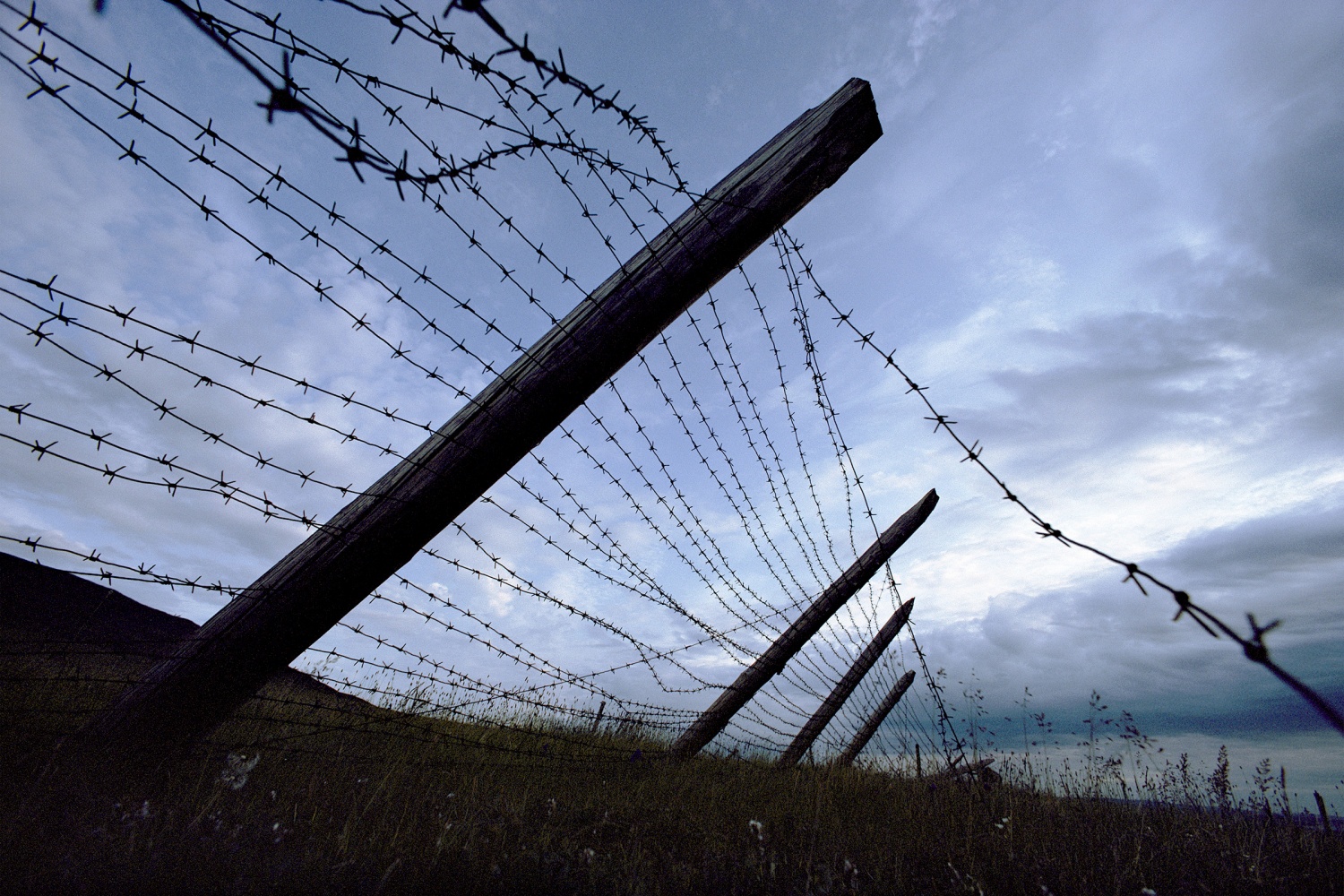
Photo: fotobank.com/gettyimages
Until 1922, the Quitsinsky was an assistant to the commandant of the Kholmogorsk concentration camp, which those few surviving that were transferred from Kholmogor, Arkhangelsk and Portaminsk to Solovki could not remember without horror. Not far from the Kholmogorsk camp was a lonely house, which was standing aside, which had long been abandoned by its owners. For several years in a row, there were systematic beatings of tens of thousands of prisoners in a row, who fell into the holmogoras from all the provinces of Russia, the Caucasus, Crimea, Ukraine and Siberia (at that time this camp was the main prison for “counter -revolutionaries”). The lonely manor, in which the countless "White Guards" found death, was called the "White House." The commandant of this “White House” and the head of the executions was Quitsinsky. The decaying corpses of the executed were not cleaned ... The fetid mountain of bodies was visible from afar. According to Kvitsinsky himself, only in January-February 1921 11 thousand people were killed in the White House, including many women (sisters of mercy) and priests.
Klinger A. Sovetskaya Kutorga. Archive of the Russian Revolution. T. 19. Berlin, 1928
First published in NT No. 15 of April 24, 2009