
Translated material
In Detroit, DNA expertiza was carried out from undisclosed rape cases. And found traces of 817 serial criminals
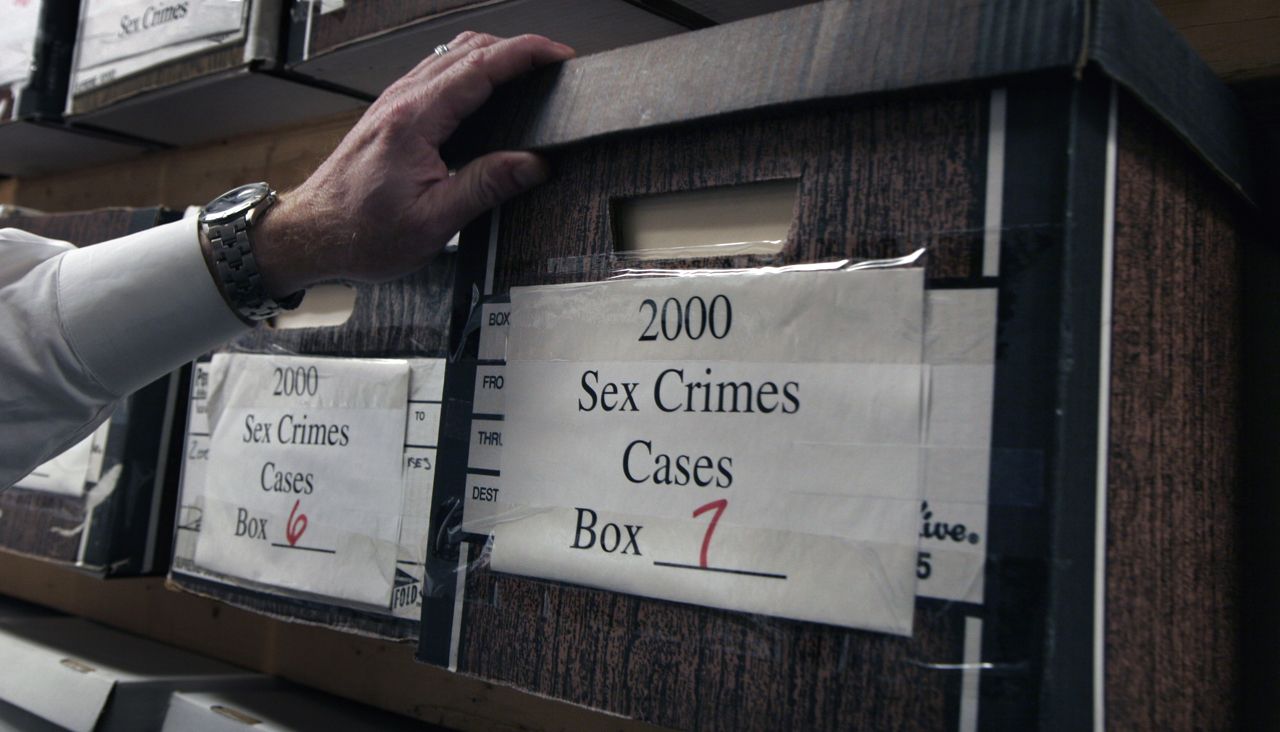
In 2009, about eleven thousand unsolved rape affairs were discovered in the Detroit police officer, the evidence of which DNA testing did not pass. They were sent for examination, she took a total of more than seven years. The district prosecutor Wayne (which includes Detroit) said that according to the results of DNA testing, they resumed an investigation of 1947 cases of rape and learned about the existence of 817 serial rapists-but who they are still unknown.
From two hundred to four hundred thousand undisclosed cases
According to the American national network Rainn, which is engaged in the prevention of sexual violence, in the United States, cases of sexual violence occur every 98 seconds, but in only one case, from the three victims they contact the police. In this case, the body of the alleged victim is examined in detail on the subject of traces of the DNA of the rapist; The process takes from four to six hours. All collected materials are placed in a special box - the archive of the evidence in the case of sexual violence.
The police can send these evidence to DNA expertise to the criminological laboratory. If the rapist is unknown, there is a chance that such testing will help to find it; If the police have a suspect, the DNA test can confirm or refute his involvement in the crime. In addition, DNA samples received from the victim’s body can be added to the national base in search of coincidences; This helps to calculate serial rapists.
However, DNA traces collected from the victim’s body are far from always sent for testing. As a rule, this is due to distrust of the victim, the lack of knowledge about the benefits of DNA testing, lack of hands or money: testing evidence from one business costs from a thousand to one and a half thousand dollars. According to various sources, in the archives of the US police departments there are from two hundred to four hundred thousand unsolved cases of rape with evidence that have not passed DNA testing. The exact number of such cases is unknown, since their accounting must be kept only in some states.
Law and order
In 2010, Marishka Hargitiy, the founder of the Joyful Heart Foundation, who helps the victims of violence, and the actress, known for the role of detective Benson in the series “Law and Procedure: Special Corps”, launched the campaign “For Revision of Wonderful Affairs”, which attracts attention to unsolved cases of rape in the USA and helps DNA testing of evidence from similar cases. In particular, the campaign “For a revision of unsolved cases” participates in the work of a group of lawyers, law enforcement officers and officials from Detroit, headed by the district prosecutor Kim Warsi, who is investigating the old cases of rape in Detroit.
In 2009, an archive of 11,341 such a “box” with evidence was found in the vault of the Detroit police department; The oldest of them are dated 1984. Each of them was sent to DNA expertise; The evidence of the evidence and the prosecutor of the Uyne district (which includes Detroit) Kim Warsi took up. She investigated the cases that were initiated according to the results of the examination. In addition, in Detroit, trauma injuries began for policemen about neurobiology. “Judging by the protocols, many were denied the initiation of the case, since the police did not convince the behavior of the victim. But if the alleged victim comes to the department laughing, this does not mean that she was not raped, ”says Warsi. In 2014, Michigan’s police were also obliged to send DNA samples for testing no later than 14 days after their receipt.
On December 17, 2017, Kim Warsi gave an interview to Detroit Free Press, in which she said that testing led to 1947 cases; 127 people were convicted. In addition, thanks to testing, only in Detroit they learned about the existence of 817 serial rapists - unknown people whose DNA samples found more than one victim on the body. “On average, the criminal manages to rape from seven to eleven times before the police caught him. Of the serial rapists we discovered, about fifty people made ten to fifteen rape each, ”said Warsi.
According to the prosecutor, 86% of the victims of rape, whose affairs were not transferred to DNA testing, were dark-skinned-and this indicates racial prejudices from the Detroit police. “The police also covered things because the victims were engaged in prostitution or were drug addicts, because they had mental disorders. They did not believe them, they did not care - that is why so many cases of rape were not disclosed, ”said Warsi.
Testing of DNA samples began not only in Detroit, but also in other US cities . In Houston, Texas, from 2013 to 2015, almost seven thousand DNA images were checked, which led to the judicial persecution of 29 people. The still not finished testing of almost twelve thousand samples in Memphis has already allowed to make charges against 246 people. In Cleveland, Ohio, over the past seven years, have conducted an examination of more than six thousand DNA samples, which helped to find 436 serial rapists (their personalities are still unknown).
The activities of the campaign “For the revision of unsolved cases” helped change the approach to investigating cases of rape not only in Michigan . For example, in Arkansas, Louisiana and Minnesota, the government instructed to conduct an inventory of archives of evidence in rape cases; In Ohio, Illinois and Connecticut, laws on mandatory testing of evidence appeared; California, Oregon and Utah gave victims of rape the right to monitor the status of evidence in their business.
Olga Korelina