
Translated material
What Bortnikov lied about
On the 100th anniversary of the security authorities, the director of the FSB Alexander Bortnikov presented his version of the history of the special services. Experts consider his theses to be anti -historical
Photo: 24warez.ru
About the justification of the Cheka
The All-Russian Extraordinary Commission created in December 1917 contributed to the preservation of controllability of the country in wartime, Alexander Bortnikov said in an interview with the Rossiyskaya Gazeta , dedicated to the 100th anniversary of the creation of state security organs.
“The Chekists successfully identified and suppressed the subversive activities of foreign intelligence services, terrorist, gangster and white emigrant organizations, and also participated in ensuring food security,” he says.
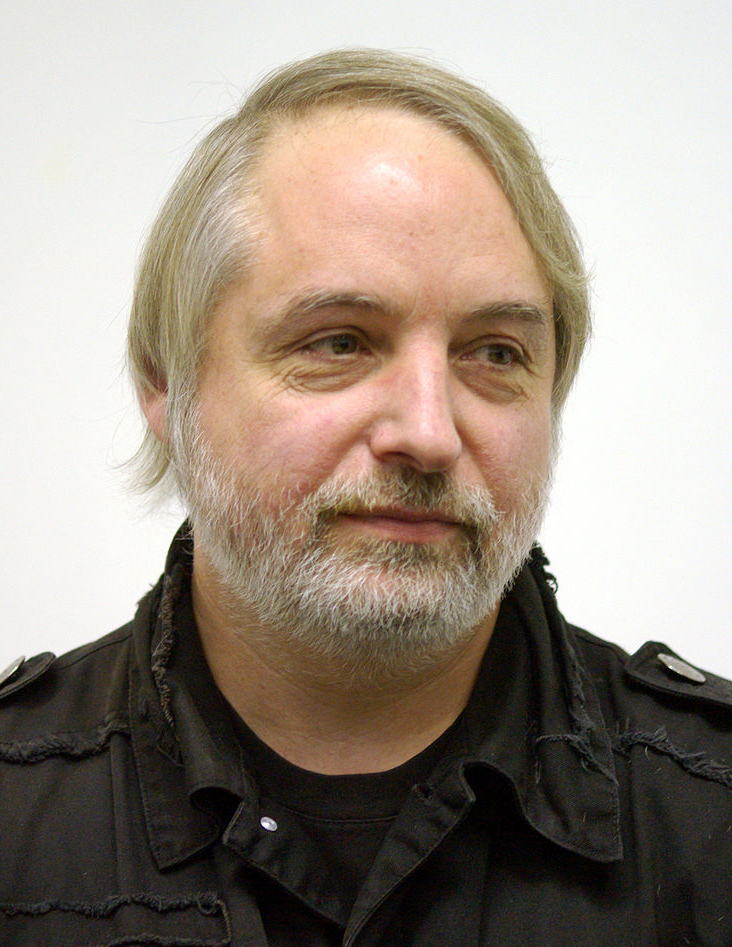
Photo: ru.wikipedia.org
In addition, an important work was the struggle against the arbitrariness of the left -handed party party and law enforcement agencies who repaired illegal reprisals, arrests and requisitions. All this, according to Bortnikov, managed to stop by 1923.
The historian, specialist in the history of special services Nikita Petrov believes that Bortnikov confuses the order of events here - at first the Cheka was created, and then the civil war began, the resistance of the population to the Bolsheviks. The Cheka is a punitive organ created to strengthen the power of the Bolsheviks, reminds Petrov. According to him, the institution of the Cheka discarded the country in a legal plan to the level of the Middle Ages.
On the justification of mass repressions
The head of the FSB said that there were real plans to displacement and even eliminate Stalin, the conspirators were related to foreign special services. Many of them were representatives of the party -prophetor and leadership of law enforcement agencies.
Bortnikov, noting that he does not want to manage anyone, says that "specific executors of criminal acts among the Chekists are known for the well -known part of them, a well -deserved punishment after the shift and execution of Yezhov."
Mass political repressions ended after the decision in 1938 on arrests, prosecutorial supervision and investigation, ”Bortnikov believes. L. Beria, appointed to the People’s Commissar of Internal Affairs, conducted personnel "cleaning", having expelled the "careerists of previous calls."
“With the advent of Beria, we can talk about the end of mass terror, but not terror at all. And this is not the merit of Beria, ”Petrov notes. The decision on the end of mass purges was made by Stalin, by his decision they were over. But at the same time, the murders of specific people and mass deportations did not stop. As for the conspiracy against Stalin, it has long been proven that he was not, the historian says. This turned out to be rehabilitated by participants in Moscow processes.
About the merits of Smersh
Bortnikov called the operations of the Smershevtsy shiny. In his opinion, they managed to “create reliable operational positions in the German army intelligence agencies and the training schools of agents, expose many enemy saboteurs and turn over spies, establish effective channels for promoting misinformation and strengthen the counterintelligence support system of the Red Army.” At the same time, not a single strategic plan of the Soviet command has become the property of the enemy.
Smersh was a punitive organ, Petrov states. In his opinion, the line on his rehabilitation is not new, but the facts talk about something else - during the war, 700 thousand people were arrested, and 70 thousand were shot. Basically, these were not spies, but dissenters. So to stick out the counterintelligence essence of Smersh is anti -historical, the expert believes.
About the course for the openness of the KGB under Andropov
Under Andropov, the KGB headed for openness for society, many documents were declassified. During this period, security agencies have achieved serious success.
“The professional level of personnel, operational, analytical and technical potential were significantly increased. Methods of protecting the foundations of the state system have become more flexible. The emphasis has shifted to preventive and preventive measures and administrative measures, ”says the head of the FSB.
Under Andropov, nothing was declassified, Petrov assures. But there was an enhanced struggle against ideological opponents. It was under Andropov that there were persecution and expulsion from the country of Alexander Solzhenitsyn, a link to the bitter academician Andrei Sakharov.
Putin and Patrushev returned the FSB effectiveness
“Vladimir Putin, who headed the FSB in 1998, strengthened and optimized the structure of the department. Financing was increased and the basis for the modernization of the material and technical base was laid. ”
Alexey Kondaurov
Photo: ru.wikipedia.org
In 2003, when the FSB was already headed by Patrushev, the border service and the leading units of FAPSI were included in the service. “This largely enriched the special tools for ensuring the security of the country and, in general, increased the systematic and offensive of our department,” Bortnikov said.
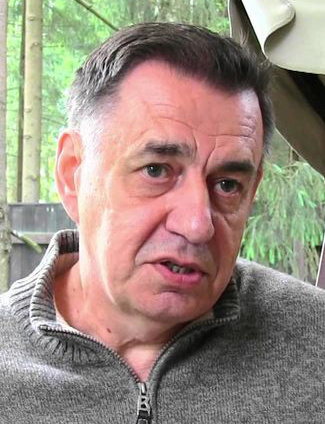
Retired KGB General, former State Duma deputy Alexei Kondaurov is not sure that Putin really managed to do something cardinal in the year of the FSB leadership. In his opinion, Putin had too little time for real affairs. Bortnikov simply could not help but praise the boss, says Kondaurov.
There is an effective body control body
According to Bortnikov, the Public Council at the FSB of Russia is a "effective tool for monitoring the activities of security agencies in terms of compliance with constitutional rights and freedoms of citizens." He successfully solves the widest range of problems: from public examination of the developed draft legal acts to the consideration of numerous appeals of citizens.
Alexei Kondaurov believes that control from the parliament and human rights organizations, and not from the Council, which includes “their” people, would be truly effective. According to Kondaurov, members of the Council are not allowed to make specific decisions, so this is only the appearance of public control.