
Translated material
Russian software is driven from Europe
Following Ukraine, the USA and Great Britain, the Laboratory of Kaspersky is refused by Lithuanian authorities
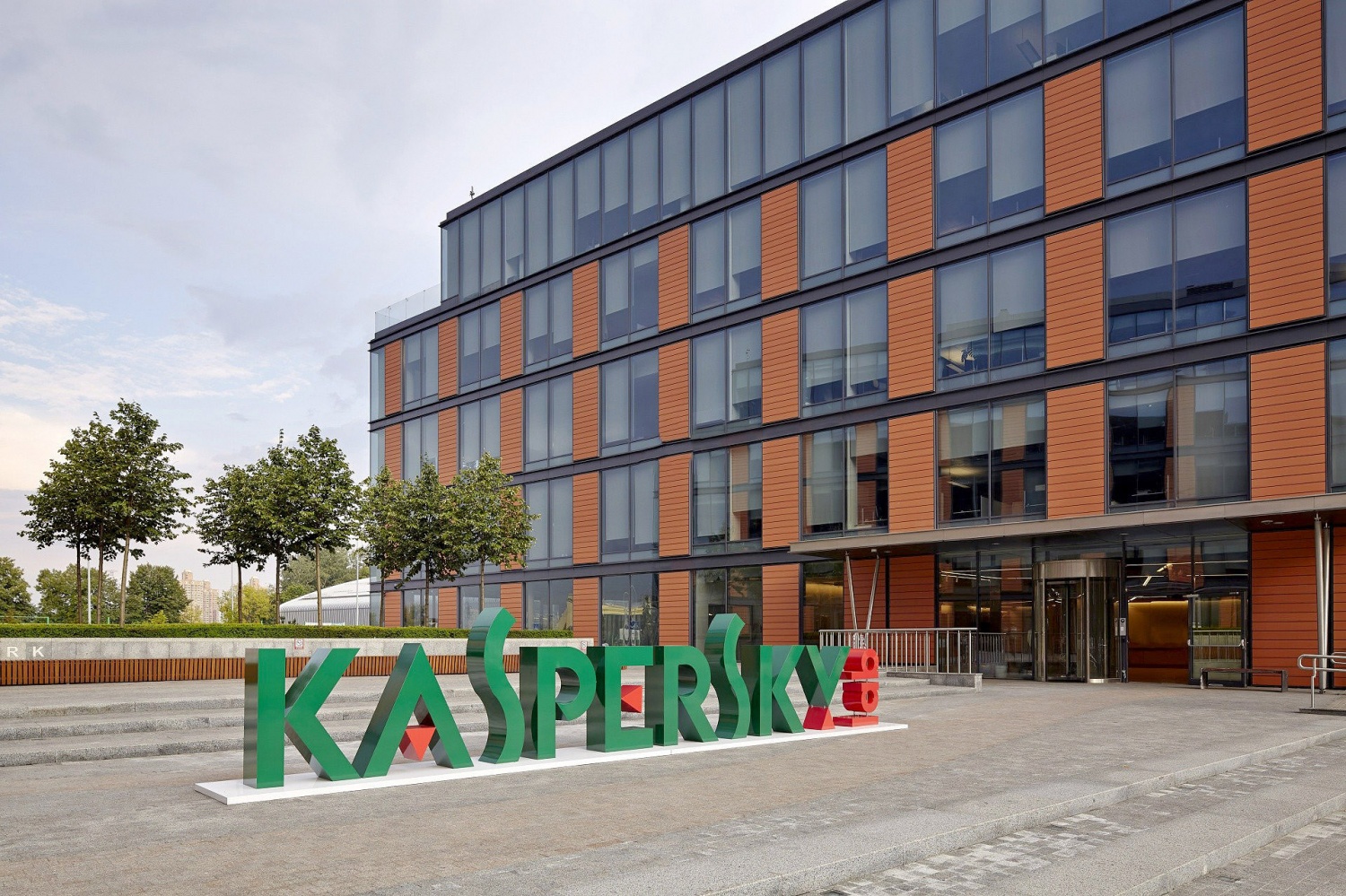
Photo: kaspersky.ru
In the near future, Lithuanian state institutions that own the most important infrastructure information and state secrets will have to change the antivirus program of Kaspersky for another software. According to the deputy head of the Lithuanian Ministry of Protection of the Territory of Edwinas Kerza , such a decision is dictated by the need to ensure “state cybersecurity” and will affect, first of all, “critical systems” - energy, financial, transport and some others. At the same time, the state does not interfere in the private sector - businessmen and ordinary users will decide whether to save the Kaspersky program on their computers.
Precedents
Lithuania is not the first country to decide to abandon the products of the Kaspersky Lab due to suspicions that it may be associated with Russian military and intelligence. For the first time, Bloomberg stated such a version in March 2015. In the fall of the same year, the Council of National Security and Defense of Ukraine (SNBU) prohibited the use of Russian software in all state institutions - "in the interests of national security." With the same wording in September 2017, the US Ministry of Internal Security ordered all federal institutions to refrain from using the Kaspersky Antivirus. In early December 2017, the ban on the use of the Kaspersky Laboratory antivirus in the departments that are responsible for national security was introduced by the UK authorities.
On December 19, 2017, US President Donald Trump signed a law, which on October 1, 2018 prohibits the use of the products of the “Kaspersky” laboratory by the US government. This ban, as reported by Reuters , applies to both civil and military departments.
Kaspersky in 1987 graduated from the 4th (Technical) Department of the Higher School of the KGB (currently the Institute of Cryptography, Communications and Informatization of the Academy of the FSB of Russia) with a degree
Preventive roll
Nerius Malyukyavichus, a researcher at the Institute of International Relations and Political Science of Vilnius University (WU) does not doubt the involvement of Yevgeny Kaspersky, the head of the Laboratory, to the special services. According to him, the expert community of Lithuania "has long been looking at Kaspersky:" They still know, for example, where he studied. " Kaspersky in 1987 graduated from the 4th (technical) faculty of the Higher School of the KGB (currently the Institute of Cryptography, Communications and Informatization of the Academy of the FSB of Russia) with a degree in Mathematics.

Thomas Yanelunas, professor of the Department of International Relations, WU claims that the signs that Kaspersky’s program can pose a threat to Lithuania’s security, appeared “long before the decisions of the“ laboratory ”services were made in three other countries.”
However, neither Malyukyavicius nor Yanelunas deny that we are talking only about “signs”: there are no specific accusations of cyberspion against the Russian company, and the measures taken are largely preventive. After the annexation of Crimea, Vilnius perceives the “threat from the East” as quite real and tries to be secured by all possible ways. “The decision was made by those who are engaged in the Ministry of Protection of the Territory directly by cybersecurity,” Malyukyavichus said. “This means that everything was agreed with our NATO partners.”
In neighboring Estonia, a slightly different picture. As the head of the International Cybersecurity Commission (in the past, the head of the Estonian Foreign Ministry) Marina Kalyurand admitted in the conversation NT: “We initially treated the Caspersky laboratory with skepticism - the Estonian state apparatus never used its programs.”
It is not so difficult to switch to new software, because, according to Thomas Yanelunas, in the market of antivirus programs - not only the Kaspersky Laboratory: “He has enough competitors. We have someone to choose from. ”
Another thing is that from the moment the decision is made to specific actions, it can pass from several months to a year, since the purchase of new software should be carried out through the public procurement system.
On December 19, 2017, Kaspersky Laboratory said that the decision of the US Department of Internal Security (DEPARTMENT OF Homeland Security (DHS) on the ban on the use of company's products in American authorities
Rest steps
“Kaspersky Laboratory”, meanwhile, does not intend to meekly give up her market positions, making it clear that the steps of the American authorities, for example, are the result of the machinations of unscrupulous competitors, such as Microsoft. According to the Russian company, Microsoft leaves no choice for its customers and, when switching to Windows 10, imposes the Windows Defender antivirus program to users.
In July 2017, the Kaspersky Lab filed a complaint with the European Commission and the Federal Camping Department of Germany (FCA), accusing Microsoft of abuse of the operating systems and in unfair competition in the antivirus programs market.
And on December 19, 2017, Kaspersky Laboratory said that the decision of the US Department of Internal Security (DEPARTMENT OF Homeland Security (DHS) on the ban on the use of company products in the American authorities, since it is based on unconfirmed and anonymous media reports, rumors and false accusations of the company and caused significant damage as a reputation as a reputation “Kaspersky laboratories” and her business in the American market.
“Kaspersky Laboratory” is ready to answer “any questions of our customers, partners or state bodies about our business, managers, organization of work, experience in combating cyberosis, our technologies, etc.” Especially for these purposes, the NT company was launched, the Global Transparency Initiative Information Opening Program has been launched
In a commentary for NT regarding the decision of the Lithuanian government, the company Evgeny Kaspersky announced its intention to continue its activities in this country, providing services to "all its customers - both private users and commercial companies and organizations." At the same time, the company is disappointed with Vilnius’s steps and claims that it “does not have political connections or affiliation with any government ...” and she “never helped and will not help any state in the world to engage in cyberspios and conduct cyber attacks”. The company also draws attention to the fact that the actions of the Lithuanian authorities "were not accompanied by the publication of any reliable evidence testifying against the company."
The “Kaspersky Laboratory” binds restrictive measures by Lithuania “exclusively with geopolitical tension”. At the same time, the laboratory is ready to “answer any questions of our customers, partners or state bodies about our business, managers, organization of work, experience in combating cyberosis, our technologies, etc.” Especially for these purposes, NT was reported to the Kaspersky Laboratory, the Global Transparency Initiative information openness program was launched.