
Translated material
In the capital of the Middle Kingdom

In the section "Memories" - the Mongol artist Dan Barsboldt. At the end of the last century and at the beginning of the present, he often visited China. For the past five years, he lived in Beijing with his wife Ivana, a Czech diplomat. At the end of 2017, they returned to Prague. Dan Barsbolda recalls Beijing.
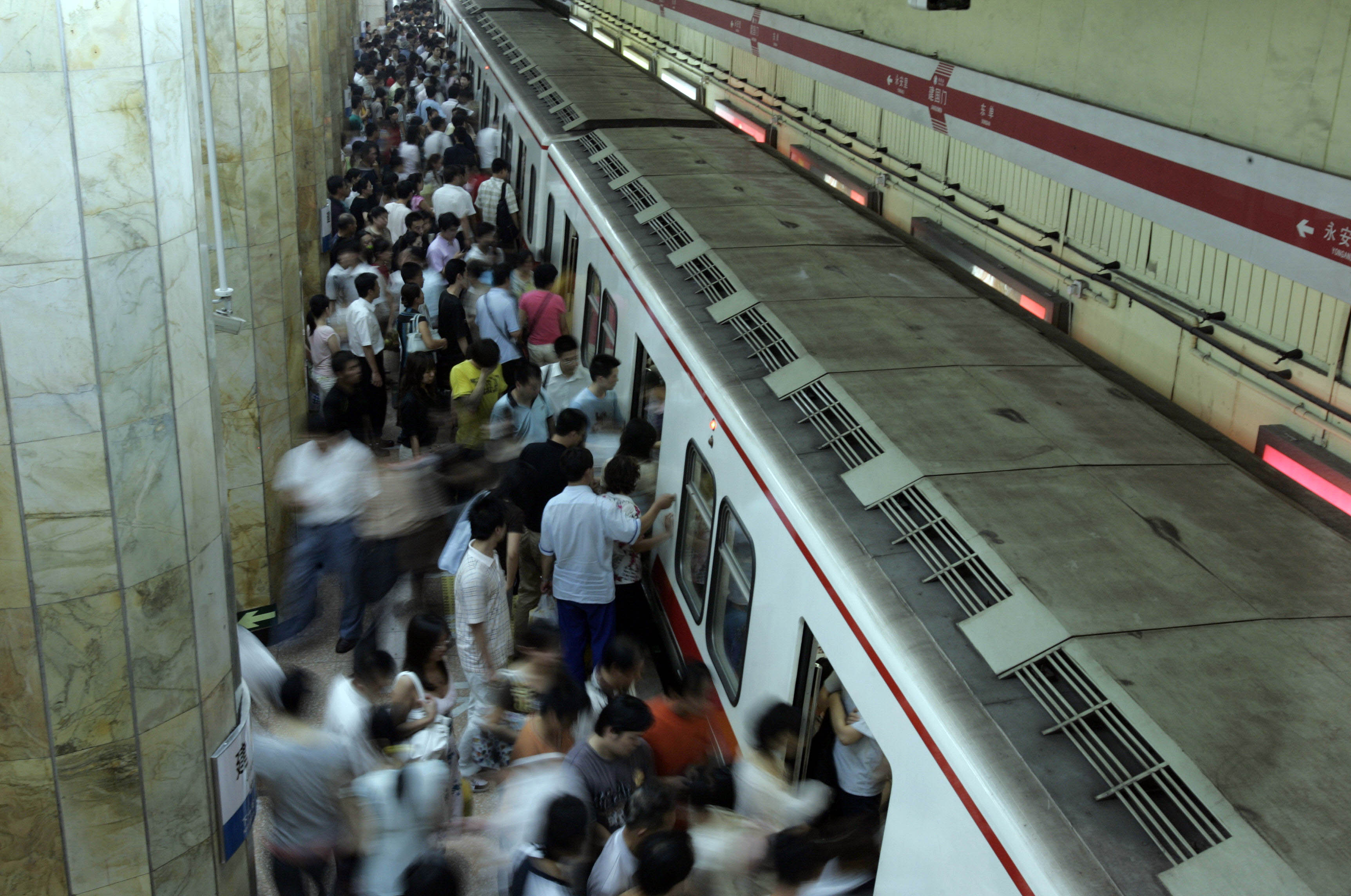
I first arrived in Beijing at the end of the last century. Of course, he was an absolutely alien, mysterious for me, as if I had come to another planet, with other smells - it was a mixture of strange spices in which the coriander stood out, with the smell of sewage. Because in China, life-based products were somehow not as reverent as, say, in Europe, where I used to live for a long time. Plus, the smell, of course, coal, which, by the way, reminded me by Budapest of the 70-80s, when Budapest was heated mainly. This was the first very strong impression. Then you get used to the second or third day. As one Russian wit said: in China, traffic jams are not from cars, but from people. Because an incredible number of people in different directions walk the streets. Moreover, they are like cars: they go to green, stop red. The Chinese are very law -abiding, the police are everywhere. This was my first impression. The second impression was an incredible number of small restaurants, they go one after another a series. Moreover, I, having already lived in Beijing, realized that large pathos expensive restaurants are actually just for tourists, for rich nouveau riche or for diplomatic corps. The Chinese are generally very reverent to their health. For example, in Beijing there are restaurants where all dishes are prepared from the sexual members: donkey, bull, dog, pork. Elderly businessmen, rich people from Japan, from Korea, from China itself specially come there, because for some reason they think that this helps a lot. The Chinese are fixated on this, perhaps, therefore, there are one and a half billion. And an incredible number of different restaurants on the same street.
We say conditionally “China” and imagine a homogeneous yellow mass. In fact, China is very different regions with very different people, mentality, attitude, naturally, a kitchen. Sichuan cuisine is further from the kitchen of the east coast of China, even further than Portuguese from Swedish, for example. But for the Eurocentrist, this is all China. In Beijing, I was always surprised: they have very good noodles and terrible rice, and in Shanghai very good rice. You start to think: why? It turns out that in the north, rice does not grow, so they have a lower rice culture, it cannot be compared with Japanese rice or rice of southern China.
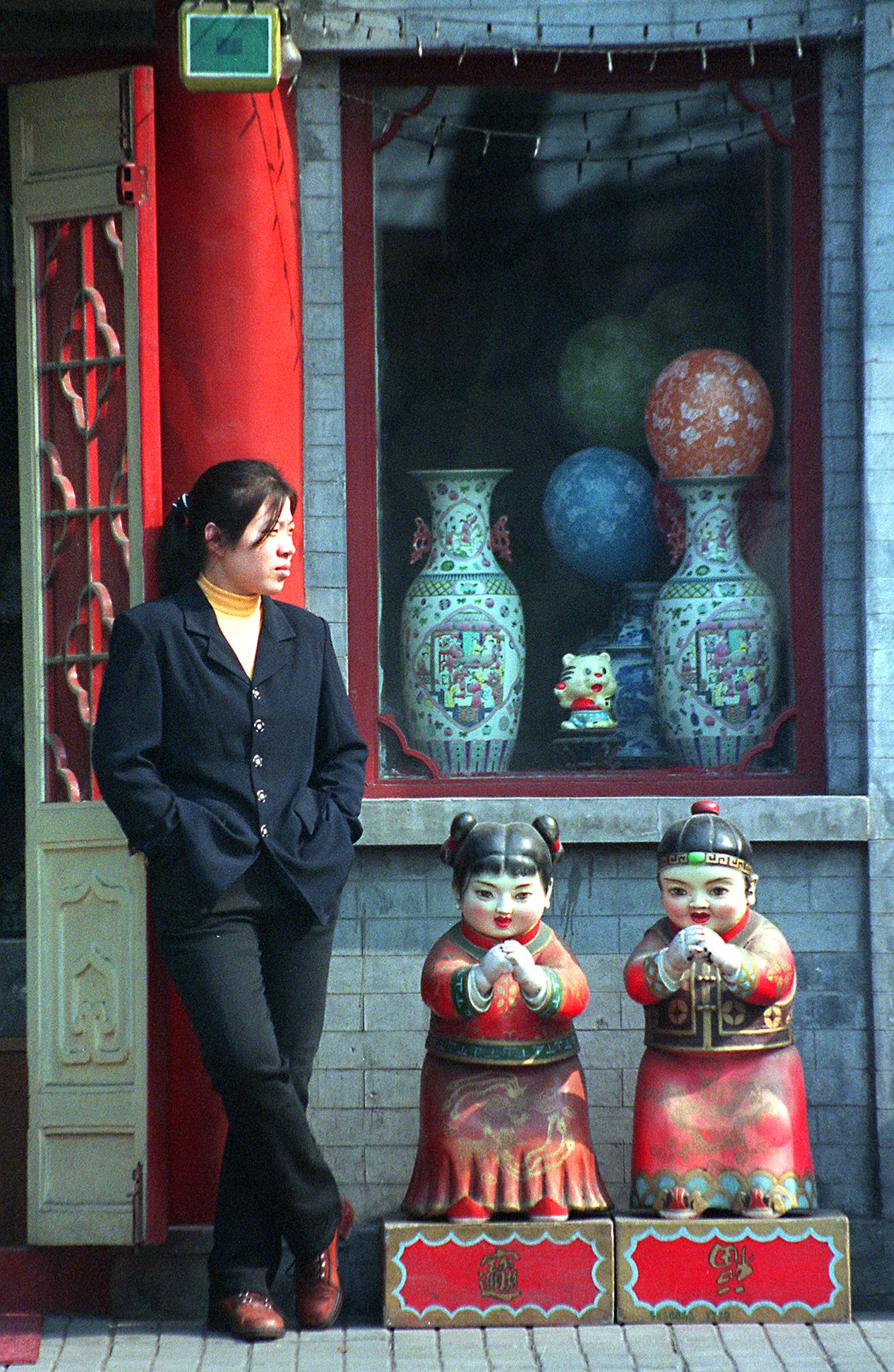
Streets. I very nostalgically recall Beijing's streets of the late twentieth century. These are crooked streets, usually dirty, but they had their own aroma. You go to the small store, where paper, rice paper, brushes are sold, and this store seems to have been working for the past 200-300 years. It was all in the center of Beijing. You could walk, go into small shops, small libraries where there were luxurious folios, which are now gone now, because they were bought by very rich people from China itself and from abroad. For example, I had a Japanese girlfriend who, in 1967-68, flew to Beijing on the orders of her Japanese boss, at that time the hunveibins were attended, she told me how she was selected from the defeated museums, which were standing millions today. I ask: "What?" She says: “There were scrolls IX, X, XI, XII centuries. They lay in the mud, I just picked them up. I gave the valuable part to my boss, the rest are stored for me. ” Today, rich Chinese around the world hunt these artifacts. I have a friend in Mongolia who studied in China, and he had the mind and taste in China to collect or very chosen to buy old vases, old sculptures, and starting from the Minsk period, that is, this is 1466. And from time to time he told me: "I have now sold one vase." I say: "Why?" "The daughter is getting married, I need an apartment." I sold a vase - bought a three -room apartment. That is, say, this is 100-120 thousand dollars.
The Chinese woke up, that is, rich, of course, thanks to Dan Xiaopin, the policy of four doors, relatively speaking, to perestroika, which they began to Gorbachev. There are Muscovites and "who came up", the castle, to be a Beijing is prestigious. But on the other hand, the Beijes know well that the Shanghai live cooler. Shanghai, Guangzhou, and then Hong Kong and Macau, which again became Chinese. And the Beijing is not so envious, no, he knows that the Shanghayakkruce. But still be a Beijing is very prestigious. All, not only the Chinese, but also the Mongols from Inner Mongolia, and the Tibetans, many representatives, as they call, national natives, to cling to Beijing for them, all the more to get a job there is very prestigious. Beijing is divided into five districts, and if some Chinese Mongol or Tibetan lives in the second or even in the third district, he will certainly say about it, because it suggests that he lives well, that he has a fairly high salary, that he can afford it. That is, becoming a Beijing for a Chinese is a very great prestige, which means that you live in one of the centers of the world. Moreover, the Chinese did not have this 10-15 years ago. They knew, for example, that they live in a third world country, that we need to work a lot, that we, of course, cannot afford such things as in London or in New York-I heard this very many times. Recently, such notes have appeared that we live in the second economy of the world, and we will soon catch up with the first economy. Since the Chinese loves to talk to Datszybao, with such templates, they told him on the radio what to say, and the Chinese man sacredly believes it. This is not a Russian person who says: sitting there, they tear any garbage. And the Chinese man firmly believes in this. Mao Zedong, unlike Comrade Stalin, was a cook. In 1949, China became a socialist, communist state, they expelled all enemies, and Mao Zedong began to cook a new Chinese people in this boiler. All his big jumps seem to us by economic, political zigzags. In fact, Comrade Mao Zedong as an experienced cook added or cleaned. He cleaned a little fat, added grass, spices. His last thing is the so -called cultural revolution of 1966. Then he decided to get rid of the rebellious intelligentsia, and he poured a new intelligentsia, because the old one was practically destroyed, some were simply killed, many were exiled, they had to be re -enveloped, they had to realize their guilt and understand that we had to go along the general line. Comrade Dan Xiaopin - there was a man who poured this soup by plates, he did all this in such a way that by the 21st century the Chinese came a very soldered people, not even a patriotic, but a nationalist people. One Chinese recently said very well, one very big businessman, so said: “We, Chinese, are not patriots - we are nationalists.” When I asked him, why are you not patriots? He said: “Because we keep all the money in America, but we love to sit in China because we earn money here, and we love China very much.” This is all the mass of millionaires, billionaires, some of them live in Beijing, and this, of course, is visible. You know that, for example, in China, about 150 million people who are called the middle class, that is, these are people who can afford to buy real estate, cars, cottages, carpets, ride abroad. This is more than the whole of Russia today.
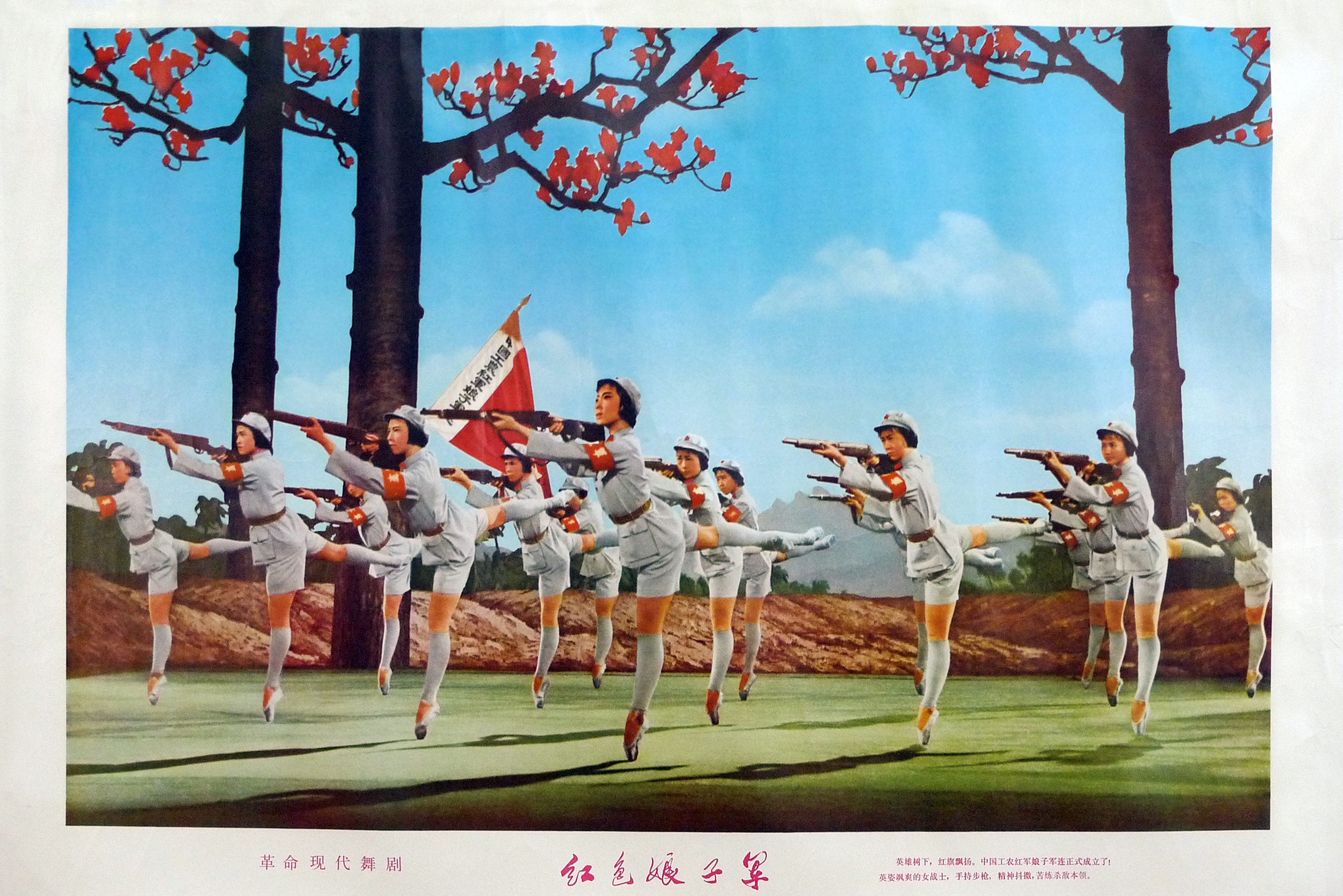
I went to China even before we lived there for five years with my wife at the Czech embassy. I saw a genesis. I am a Mongol, studied in the Soviet Union, and I was interested in how the Chinese relate to the Russians and the Mongols. I saw this development: the Beijes said earlier that they are very afraid of Russians, because they have an atomic bomb. For them, Mongolia is, of course, a country that was temporarily occupied by Russia, but in fact there is “our territory”. Today, the Chinese has more and more confidence and metal in his voice, which, of course, sometimes leads to very sad thoughts. I know, for example, that Europeans, probably due to the fact that China is very far away, and it is very different, perceive the Chinese as aliens. Although there are very interesting things, ethnographic sketches of Europeans in the early twentieth century. When in Shanghai, for example, or in Beijing, the European met with the European, they kissed each other in cheeks, absolutely harmlessly, and the Chinese stood and waited for sexual intercourse. Because for the Chinese to hug and kiss like that, which means that this is already sexual relations. The Chinese were amazed that, for example, Europeans could go in an embrace, kiss at all. Now I have repeatedly seen young couples in Beijing, who always held hands, hugged and kissed, that is, this, of course, is the “corrugated influence of the West”. Many times I saw the Chinese women who walked with the Africans, which, of course, would be unthinkable 20 years ago. And the fact that the Americans, the British, the French, the Czechs, the Germans, the Chinese girlfriends immediately or very quickly appear, there is nothing to say about it, because it became commonplace. A lot of Chinese women, I just knew many, we talked about this frankly enough, because of overpopulation or due to the fact that poverty is universal, many Chinese women dream of marrying a foreigner, and a white, European or American, and leave. By the way, the same conflict in Japan. When I worked in Japan, I heard many times that for the Japanese, despite the fact that the standard of living is high, we know “Sony”, “Sharpes”, “Toyota” there, for the young Japanese, getting a job in America is the limit of dreams. For the Chinese, who are still lower than the standard of living than the Japanese, to leave for Australia, to Europe, of course, to America-this, of course, is also a dream. The whole family strives for a daughter or son to leave for the United States or to southwest Europe.
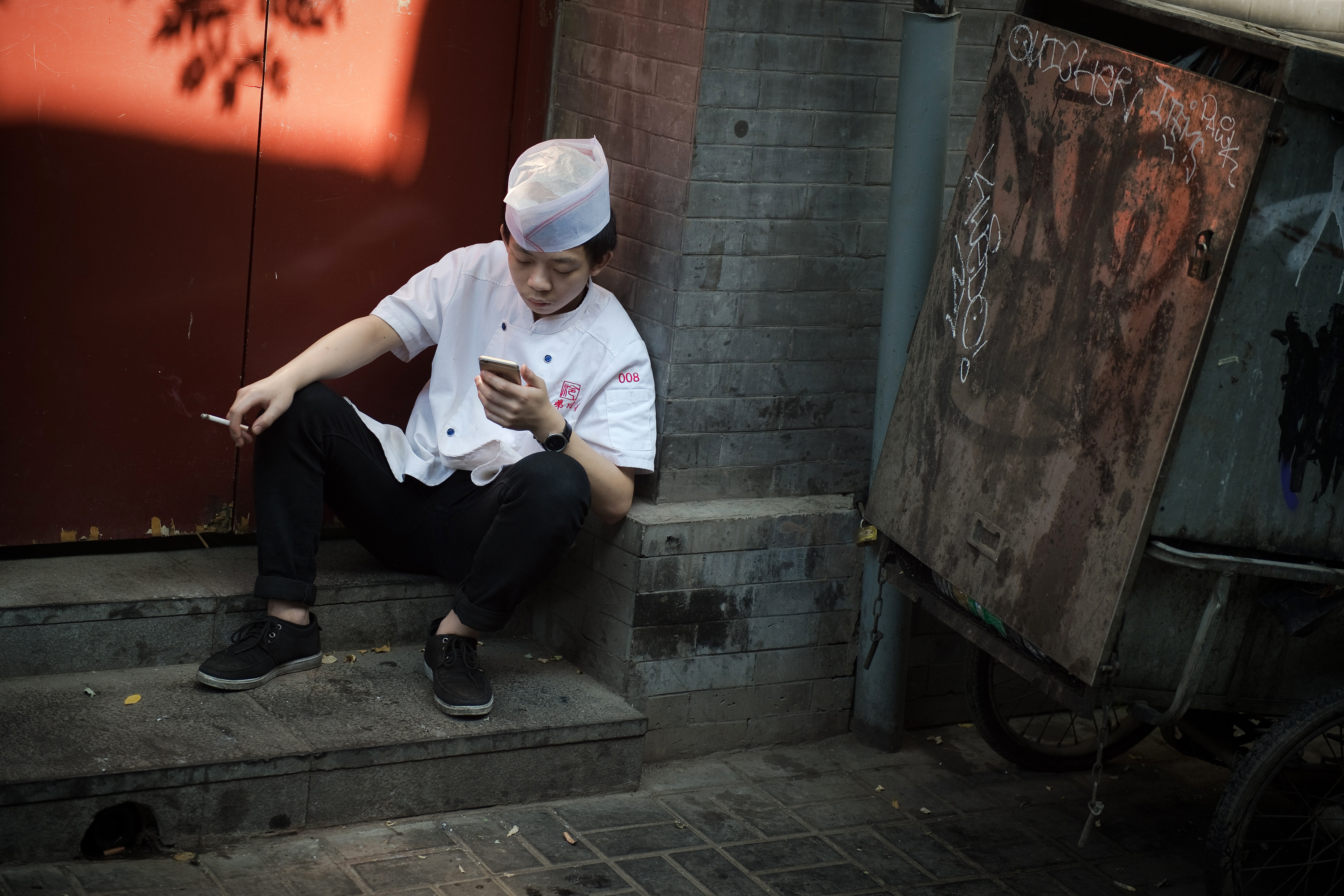
About friendship. I asked many of our young Mongols who studied in China, worked with the Chinese. They always say very unpleasant things regarding their Mongols, and that it is good to work with the Chinese, because if the Chinese promised, he will do it, he will not throw it. When I asked, for example, the Chinese about Russians ... In 2006, there was a year of Russia in China, I did part of the design work in Beijing, and I had to work tightly with the Chinese. So I asked many Chinese what they think about Russians. It is interesting that for a Chinese, for a simple Chinese, Russian is a very aggressive, cunning, loudly speaking and strongly smelling hairy man. I remembered the words of the last Empress of China Tsysi, who said: “What are these European women rude, loud, hairy, against their background, our Chinese women look like miniature dolls, very beautiful and graceful.” For many years I lived in the Soviet Union, in Russia, so for me it was amazing. The Russians consider themselves kind, good, wide, mysterious soul and so on, but for the Chinese they are loud, aggressive and cunning people. But the Russian about the Chinese, too, first of all, will say that that cunning and insidious. I remember that in the late 90s there were places where the Russians lived, where the Chinese taxi drivers were afraid to go. Not because there were Russian monsters there, but because it was an image inspired by the whole story and propaganda. In 2006, I made a design for Russia, for this exhibition in Beijing. The Chinese treated the Russians cautiously, believed that it was an unpredictable people who constantly kill someone, that Russia constantly attacks someone and constantly occupies someone, forces living according to its own laws. Two Chechen wars passed. When I told the Chinese: guys, are you yourself? They answered: what are you, we only want good. Apparently, this is in the mentality of many peoples: it is somehow not taken into account in the sense of bad.
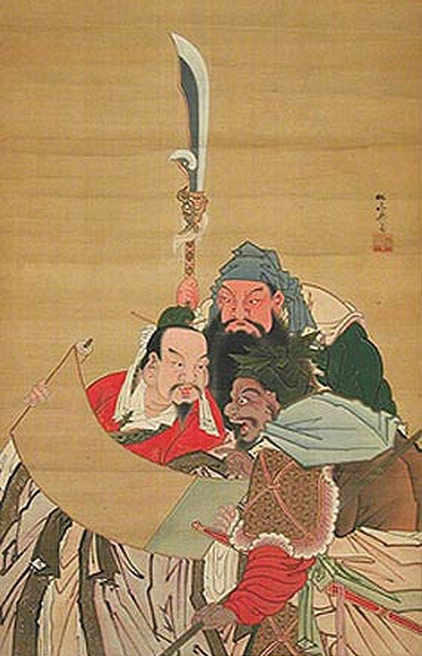
Since childhood, I really love Chinese classical novels: “Sleep about the Red Tower”, “Three-Gain” ”, of course,“ Jin Ping May ”(“ Plum flowers in the Golden Vase ”), the famous novel Polor-graphic, but spicy social. The Chinese have the same thing, they also love, they also suffer, they end up life with suicide as these two morons, Romeo and Juliet. In China, according to tradition, men did the main work, there are male cooks, and behind the plow of men and male warriors. The Chinese woman basically gave birth. For about a thousand years, the Chinese women even tied their legs in such a way that they could not walk normally. From the age of two, their paws were bent. I remember just from children's memories, because there were a lot of Chinese in Ulan Bator, we had two towers, these old Chinese women were barely seeded. For us, the Mongolian little hooligans, was the highest high to run up and push the Chinese woman from behind, she could not resist, she, of course, fell. Interesting about morality. In old Chinese love novels, morality is shifted. The Chinese may have several wives, depending on prosperity and rank, he has concubines, despite the fact that he can have a love connection with boys or a love connection with animals, but this is not condemned. At a time, when, for example, in Europe in the Middle Ages, gays were burned, they hung up a cattle, something else was done with them, in China it was considered absolutely normal. So he loves to do this with a donkey or with a goat, well, here he is such a person, it does not detract from his other virtues. About love. The man had a complete “Roman” right to change his wife, and if his wife changed, then she was very cruelly punished. When you read these great Chinese novels, you see the whole palette of human relationships, it is no different from universal people. Ilya Ehrenburg in the 50s was in China and wrote that Chinese intellectuals are some contempt for European ones, because European intellectuals know their literature, and the Chinese know their own and them.
My wife Ivana and I often went to all sorts of different “part”, parties, sometimes some rich Chinese invited the Western group, young guys from Australia, England, from New Zealand, from America, they played Pops, Bi Jiz, Abba. It is interesting when there is a motley crowd of people of our age, say, from 40 to 60, then foreigners, as a rule, under the “Abba”, even under “Beatles”, even under “bi jiz” begin to dance, and all the Chinese are standing, do not move. Because this period, of course, was not through their fault, was missed. They know Western music somewhere from the late Michael Jackson or Beyoncé, here they are already starting to jump. For example, in China there is no jazz, there is no rock music. This is also very interesting. We once met with one very advanced Chinese woman who came from New York, she herself was from Red China, but her husband was a rich American, and she, having lived for a while in New York, came to Beijing and decided to create such a club where jazz and rock played. Jazz and rock are a little different things in itself. But this project failed, because in China there is no such thing as “jazz” at all, there is no concept of “rock” either. Rock music is always associated with some kind of protest, and in China you cannot protest by definition. What does they go? There is Vitas and Chinese music, clearly borrowed from the Koreans, who once borrowed from the Japanese in the 50-60s, in the 70-80s are Koreans, and now the Chinese borrow from the Koreans what is called pops in the worst sense of the word for us. It is played everywhere: in the subway, in supermarkets, it is impossible to get away from it. From these snotty-chopped things, young guys just die. I know the Mongolian and Russian Pops, and I always think: how lucky the Chinese pop, because some pop-up Chinese singer has 50 million, 100 million people, you can imagine, and they are all multimillionaires. When some Chinese young singer came out, he was promoted, he has CD, he was twisted on TV, he becomes a multimillionaire in a dollar concept for several days. There is such a singer Vitas, who is known in Russia, but in China he has just some incredible popularity. When he lifts the octaves, not even young Chinese, and young Chinese women are simply written and fainted from his squeal. He looks like a European, which is very important for a Chinese, here he comes out self-confident, with such a cunning Leninist squint, so he sings and begins to raise octaves, Chinese women, I really saw, this is in the best traditions of the late 60s, when Rolling Stones played in Europe, these young girls turn into some zombies. This is a strange phenomenon. I met people who worked with Vitas from the Chinese side, they say: this Vitas should be kept here all their lives, because he gives us such grandmas.
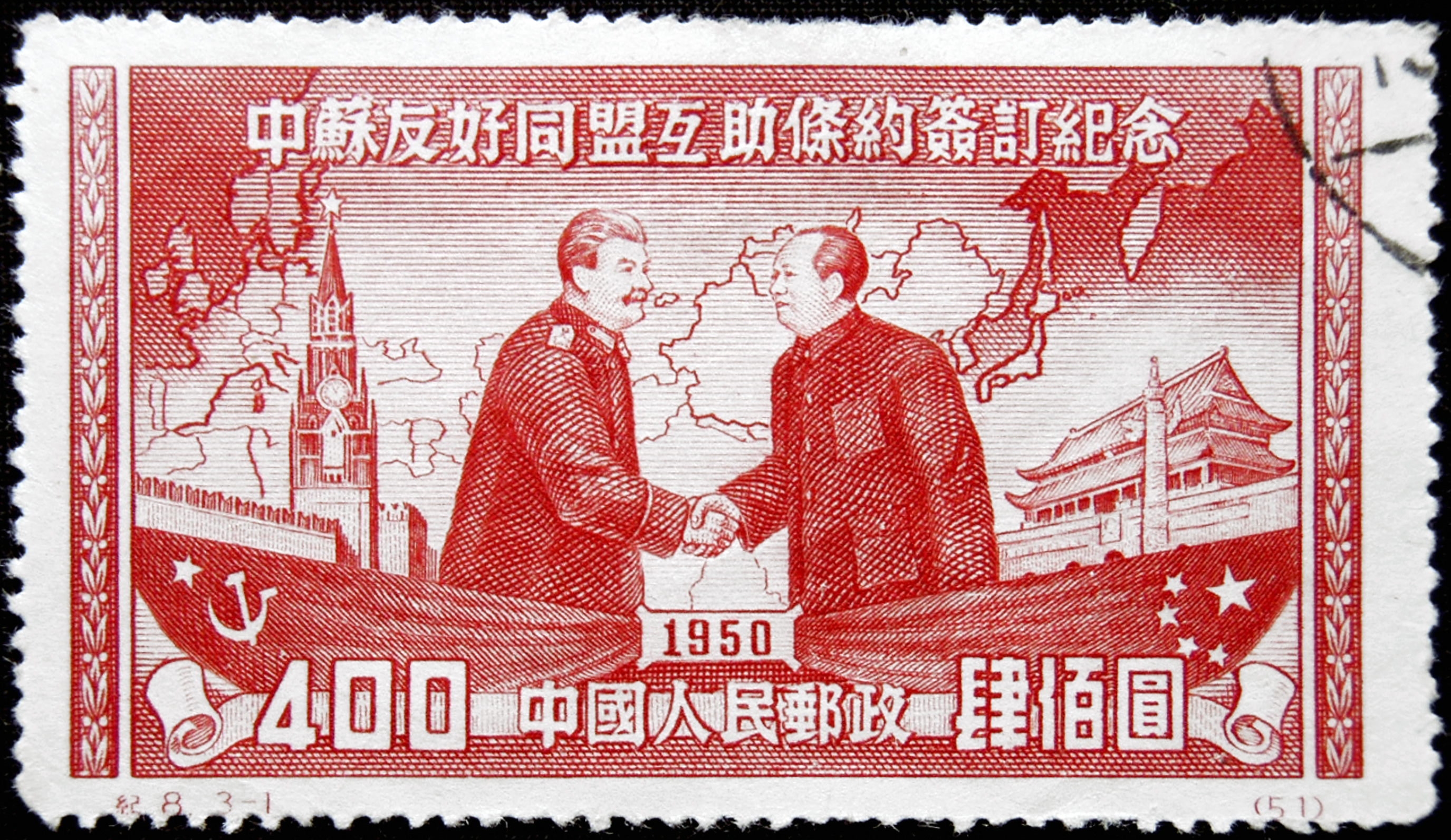
About books. Stephen King or Dan Brown, for me this is such a junk literature, popular. For the young Chinese, Russia is no longer an example of a cultural dominant, from where you can get something. Oil, gas, yes. For the elderly Chinese, with whom we are in very good relations, there are enough cultural people, for them Russian literature stopped somewhere on Sholokhov and Fadeev. They knew that there was Chekhov, Dostoevsky, they seemed to be studied in schools. А так китаец со своими широко раскрытыми узкими глазами смотрит на Запад, воспринимает все, что приходит с Запада. Потому что когда приходит оттуда хай-тек, то вместе с ним идут и литература, и все остальные вещи, и фильмы. Правда, бывают у них какие-то непонятки. Например, Ричард Гир дружит с Далай-ламой, поэтому, конечно, все фильмы с Ричардом Гиром в Китае запрещены. Бьорк как-то на концерте в Шанхае закричала про свободу Тибету, естественно, она в черном списке. У них черный список достаточно большой. Но Россию они знают в виде Витаса. В Пекине и по восточному побережью, в таких злачных местах очень популярны европейские блондинки, обязательно они должны быть большие, высокие, со светлыми волосами. Кстати, этим воспользовались наши монгольские проститутки, потому что они все начали красить волосы и ходят по злачным местам, где собираются определенного уровня люди с определенными интересами.
Further in the program:
«О чём мечтают вильнюсские дети?».
"My favorite records" with the director-documentary Valery Balayan.