
Translated material
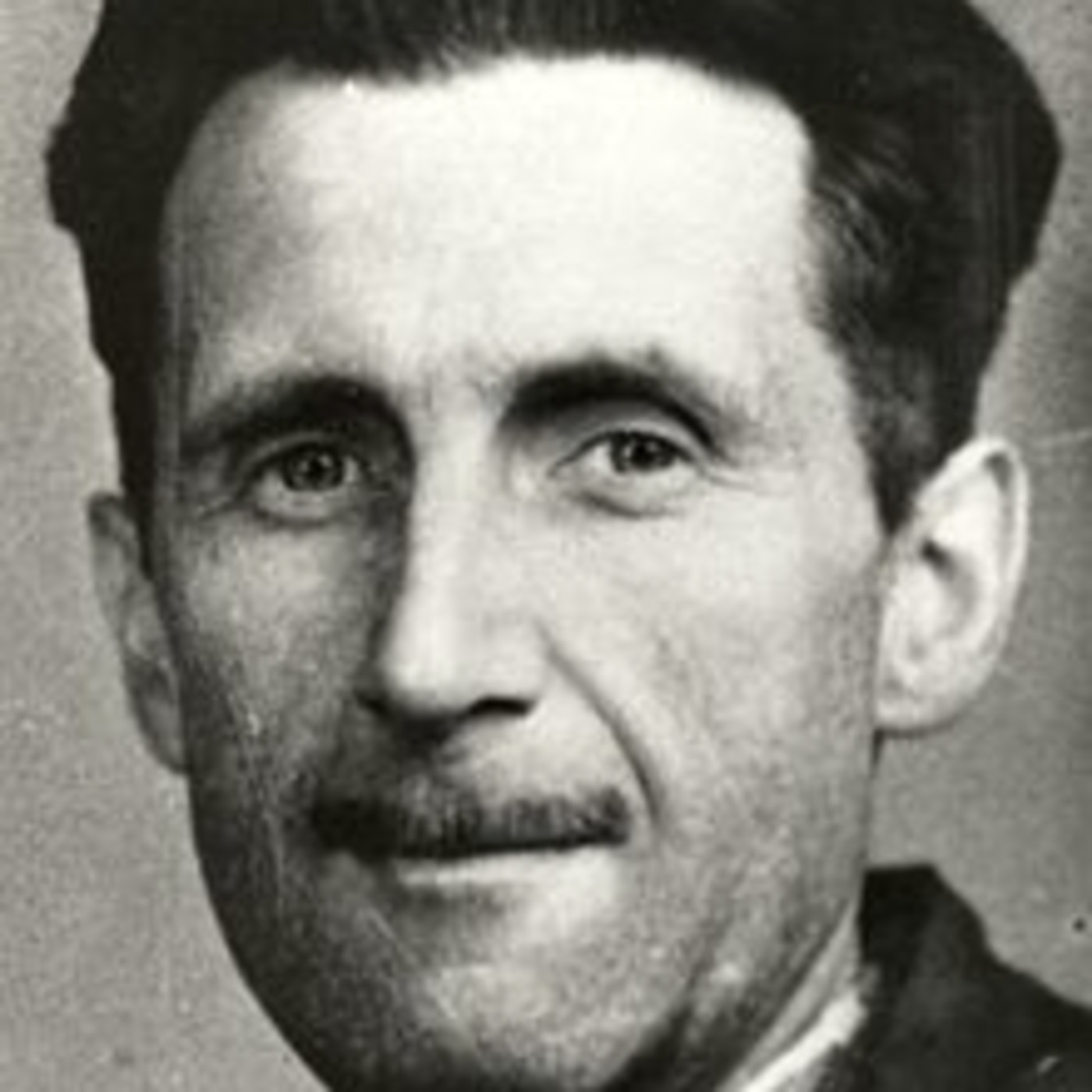
Orwell is always alive
Conversation with the biographer of the writer Maria Carp
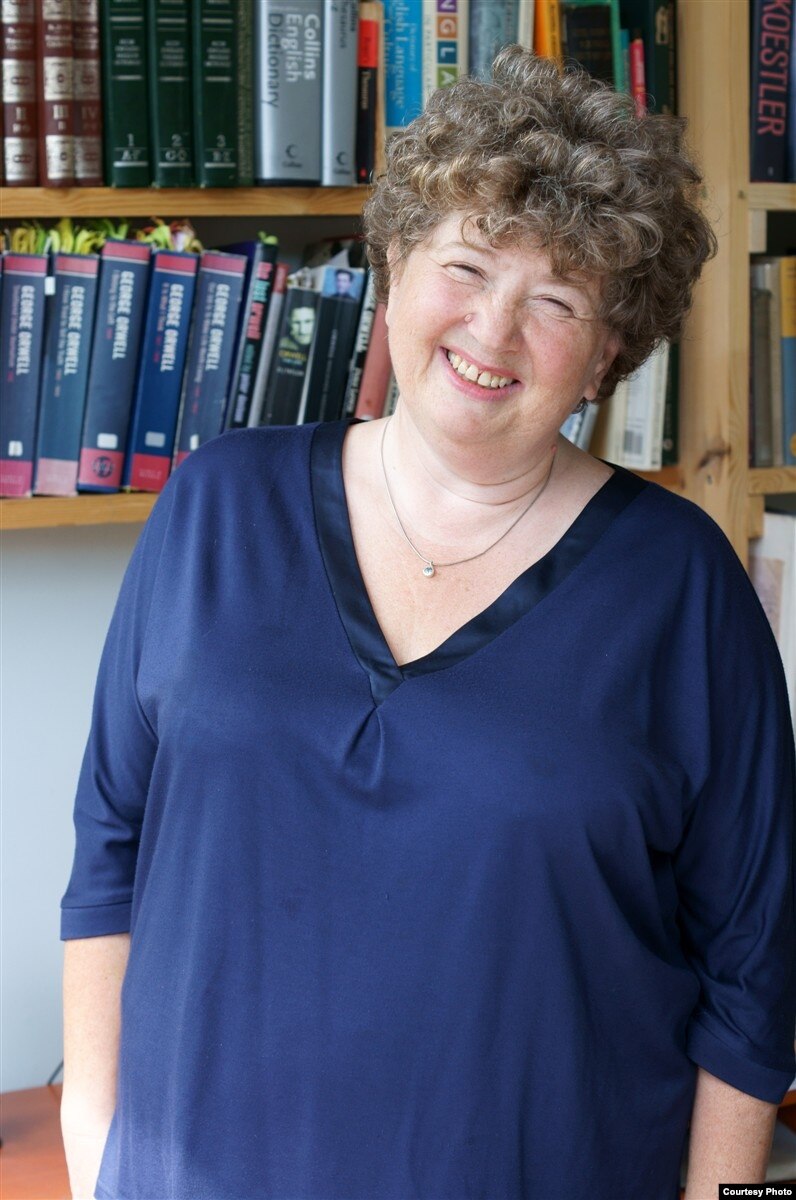
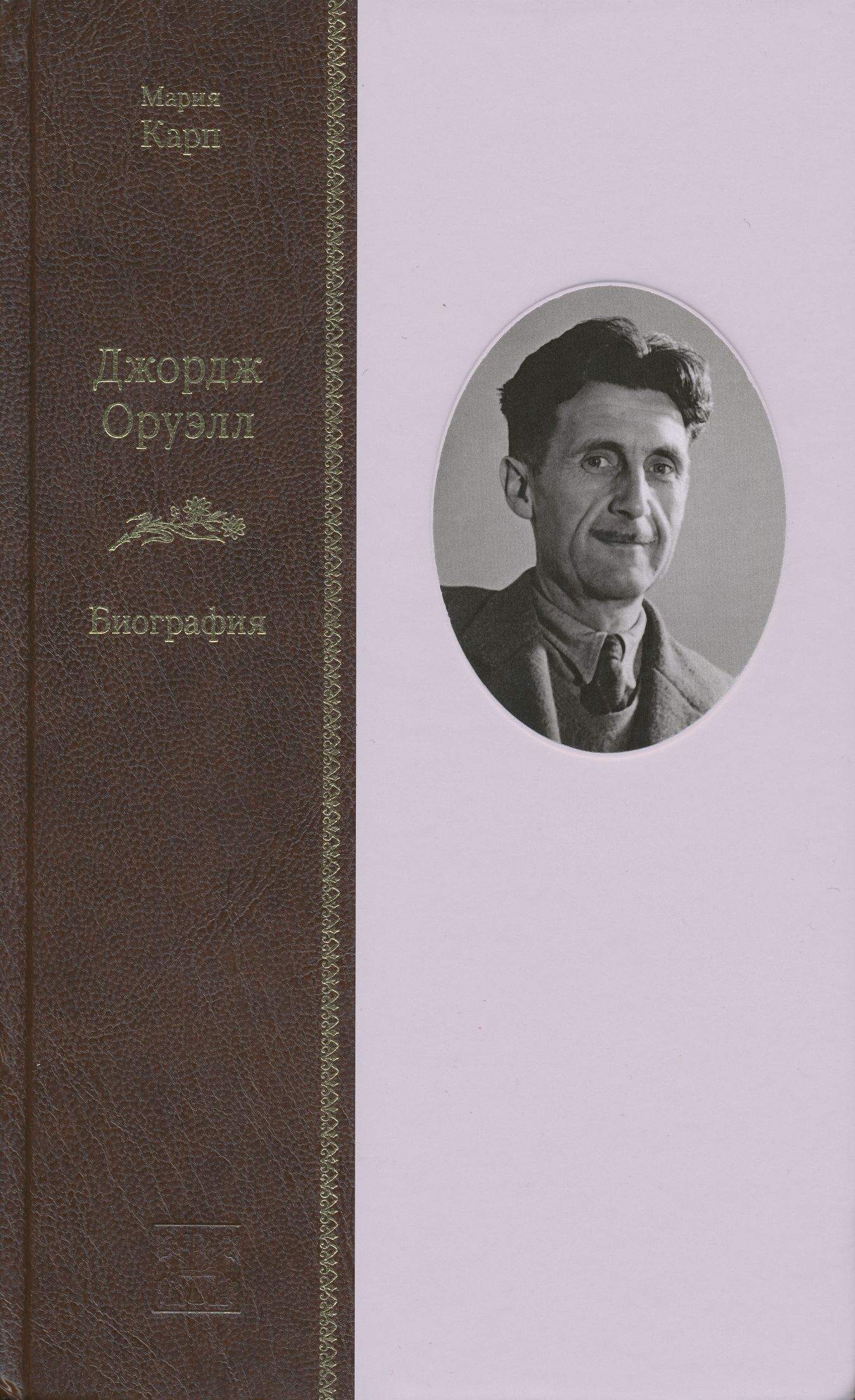
The St. Petersburg publishing house Vita Nova released a 600-page volume-"George Orwell: Biography." The author of the book is Maria Poilevna Karp, a journalist and translator, a many-year-old employee of the BBC, chairman of the London Pushkin Club and a member of the board of the British Orwell Society.
The book about Orwell, like all the products of Vita Nova, is perfectly published, abundantly illustrated and costs so much that you involuntarily grunt.
- Orwell bequeathed not to write his biographies, nevertheless, there are already many biographical books about him. What task did you set before you?
How, never being in the Soviet Union, he managed to describe not only how we live, but also how we feel?
- My main task was to find the answer to the question that was asked by everyone who read Orwell in the Soviet Union or in the socialist countries of Eastern Europe when it was under communist power: how did he know this? How, never being in the Soviet Union, without living under a totalitarian regime, he managed to describe not only how we live, that is, not only the tyranny of inhuman power and the fact that the elevator never works and not to get razor blades, but how did he manage to describe how we feel? And it turned out that he went to this for quite some time, because his whole life, the life of an Englishman, a graduate of Outon, seemed to have not had to lead him to this. But still, how he was a man, it, in the end, led him to this. And he was a romantic person, first of all, and a person of action. Firstly, he wanted to experience everything on himself. Secondly, he passionately wanted to be a writer, a writer, at first even a lyrical poet. And the third of his most important features is that he wanted to fight with injustice.
His interest in Soviet power and in Soviet life arose very early
And it is also interesting what I found out is that his interest in Soviet power and in Soviet life arose very early. The turning point for him, of course, was the Spanish Civil War in which he took part. And now, starting from his youth, he made a lot of mistakes, a lot of wrong steps and for many years thought how this policy distracts him from literature, what to do? And only at the very end of his life did he realize that he did not need to choose, his calling to unite them, to make political prose art. And therefore, having understood as a social thinker, what was totalitarianism (because he reflected a lot about this in social terms), he described it as an artist. And if we talk about what excites and worried the former inhabitants of the Soviet Union, this is what, as the first Russian researcher, Orwell Victoria Chalikova said, he got used to the role of a thinking and feeling victim of a totalitarian regime of political terror for many years.
But even when he was 25 years old, he met his husband’s husband, his mother’s sister, Aunt Nelly, who was married to the famous Esperantist Eugeno Lanti. He was a man who initially enthusiastically adopted the October Revolution, who himself stood at the origins of the French Communist Party, a man who traveled to Russia in 1917, several times in the 1920s. But he understood very early, already in 1923, the dictatorial nature of the Bolshevik regime. And I understood it on my own skin. He created the World Izperantist Organization, and at first, as you know, in Soviet Russia there was a very great interest in Esperanto. Lanti realized quite early that the Comintern was trying to subjugate the organization he created, and from that moment his strife began with Soviet Esperantists. Then he published the magazine "heretic" on Esperanto, where Stalin was very criticized, and wrote in co -authorship the book "Is socialism is being built in the USSR?" It was already in the 1930s.
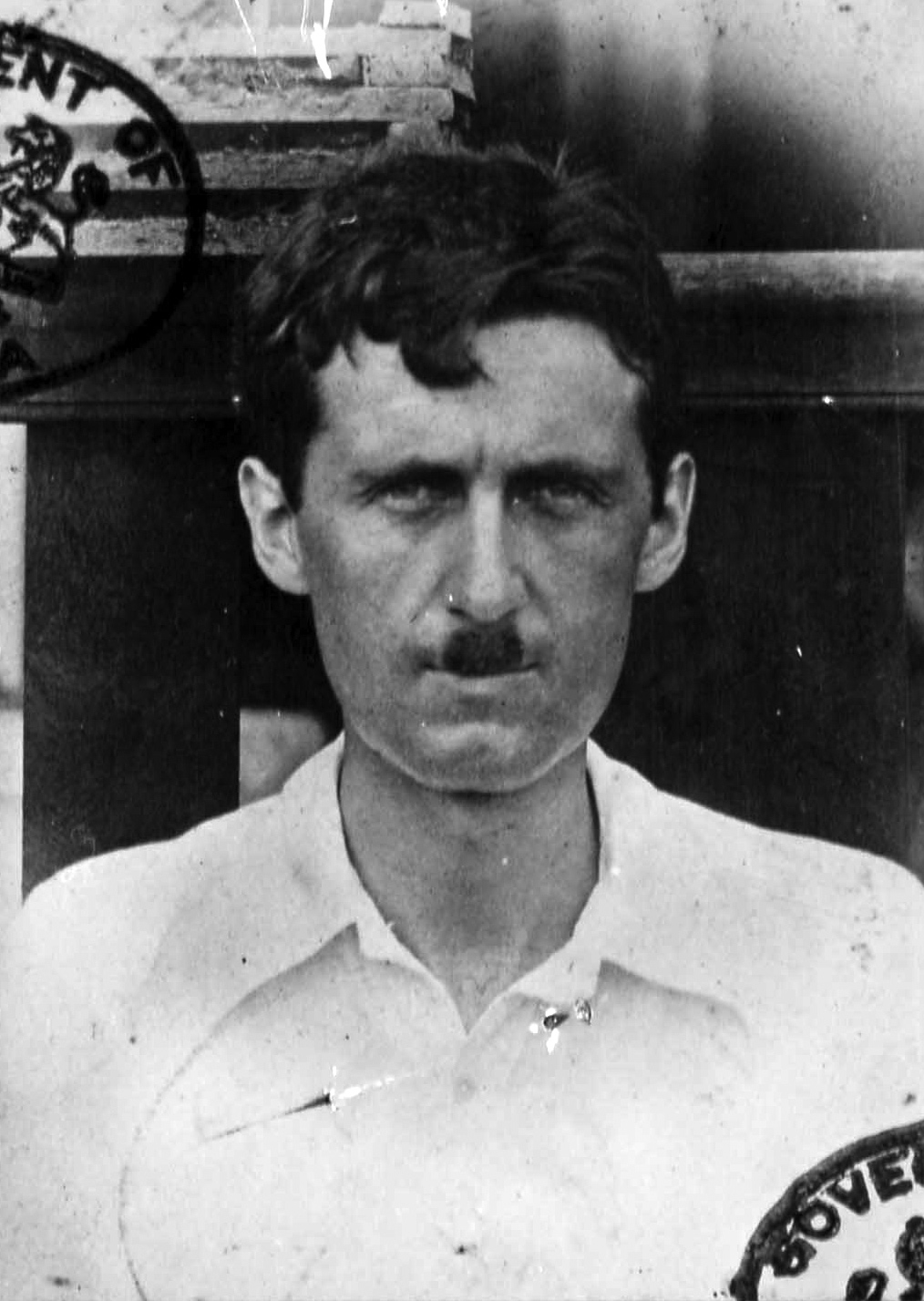
But when the young Orwell, who was still called his real name Eric Blair, arrived in Paris in 1928, and just then Lanti only broke his relations with the Soviet Esperantists and the Soviet government, they talked a lot about how much they wanted in the Soviet Union after the October Revolution. And it is interesting that when ten years later in the Soviet Union, the defeat of Esperanto began, so many Esperantists at interrogations were accused of ties with this Esperanto-fascist Eugeno Lanti. That is, this was the first vaccination of Eric Blair against the danger of enthusiasm for the Soviet regime.
-Good, but interest in all social or political issues is one thing, but in order to become a writer, you still need much more and, most importantly, much larger components of another enzyme. That's where Eric Blair got this enzyme, writing? Where did it come from?
- From the very beginning, from his youth, from childhood he wanted to be a writer. He was fascinated by literature, he read books, and, as his contemporaries recalled in the result, the literary critic Cyril Konnoli, who studied with him in elementary school, he read terribly and terribly randomly. He loved Herbert Wells, Bernard Show, he was fond of strange books, including all kinds of classics, he read French. And he told his girlfriend in childhood that "any book can teach you something." That is, he himself really wanted to write. At the age of 11, he wrote a poem that the First World War and, obviously inspired by the famous poster began, where they called on the young man to go to the front to fight, he wrote the poem “Restore the same, the young men of England” in such a patriotic spirit. In any case, he had seen himself a writer all his life.
He was a police officer, that is, he was part of a system of oppression, a system of imperialism
And then the question arises: why did he not engage in, after Cutson, did not indulge in the literary activity immediately, to which he clearly pushed him? At this moment, his other component jumped out, namely the desire to do something himself. And naturally, in his position it was what his father did before him, what was customary in the family, namely, to go to Burma, to India, in the British colony, and there to prove himself in these, as it seemed to him, romantic circumstances. And quite quickly he understood, we do not know when, because about those five years that he spent in Burma, notes or letters has not been preserved, so we do not know at what point this awareness happened, but it obviously happened at some point, he understood. He was a police officer there, that is, he was part of a scoffing system, a system of oppression, an imperialism system. And when he saw that he was engaged in the fact that he was arresting, punishing, suppressing the local population in every possible way, he saw how people react to this, he came into some horror. And as he later wrote: "I never learned to relate to the expressions of the human face indifferently." That is, he managed to read the expression of the faces of the Burmans, who, of course, did not like British power very early. Then he even said that the imperialism could really understand the one who was part of it. And this experience of a policeman, a representative of the empire in the colony, was also very important for him.
This was one result of his stay in Burma. And the other was the one that he realized that it was impossible to be a police officer and, in general, it is impossible to be anyone except as a writer. And when he returned to England in 1927, he already realized that now he would engage in literature, and he did not even look for any necessary place for earnings. He began to write in 1927.
- Orwell has a famous essay on how he shot at the elephant. Please tell us what kind of work and why did it become so famous?
- He wrote this essay already in 1936, many years after his return from Burma, and this is just an essay on how the role is stronger than a person, how a white policeman feels that imperialism affects not only the conquered, but also on the conquerors, that the role of the representative of the empire forces a person to do what he may, and does not want to do as a person. And he has to kill an elephant, he has to shoot at the elephant, although he does not want to do this at all.
- It is known that on Orwell an extraordinary impression took part in the Spanish war and, it seems, he was wounded there. What did he see there, what he was doing and what he returned from there as a writer?
- The Spanish war was really very important for him, because there he saw personally how the Communists act, how the NKVD acts there. This all happened quite by accident, because at first he went to Spain with a romantic intention to fight against fascism. And at first he even went to Harry Pollyt, the general secretary of the Communist Party, and thought that he would fight in the Interbreds, who were led by the Communists. But it so happened that Harry did not like Harry, Harry Polita immediately felt that this person was so too independent. And Polita refused him a recommendatory letter. And a letter of recommendation was given to him in an independent Labor Party. It was, one might say, a branch of the party labor, who, in a sense, was to the left of the Labor Party, but is sharply anti-Stalinsky. And there was a tiny party in Spain, the “working party of Marxist unity”, which was also left and anti -Stalin, perhaps even greater reasons, because it was headed by Andres Nin, a man who lived for nine years in the Soviet Union and miraculously from there with a Russian wife and children. At one time, he was the secretary of Trotsky, but quickly quickly dispersed with Trotsky, because his intentions to unite the left anti -Stalinist parties in the West did not fully coincide with Trotsky's plans. Nevertheless, for Stalin they were all Trotskyists - and the people were Trotskyists, and the anarchists were very strong in Catalonia, where Orwell came, were also enemies.
Stalin wanted to turn Spain into his bridgehead in the West
The role of Moscow, of course, was quite large in the Spanish Civil War, because the Soviet Union supplied weapons there. But besides, Stalin played a very cunning game, hoping, on the one hand, to turn Spain into his bridgehead in the West, so that later it plays about the role that socialist countries later play so that it was a Soviet piece, and in addition, there was still a task to deal with its enemies, that is, with the Trotskyists. And therefore, in May 1937, after Barcelona fights (and this was such an intra -republican three -day clash, there is a point of view that it was provoked by the Communists), the Republican Government of Spain pressed from the Soviet side so that the party was prohibited and many of its leaders and participants in its militia are arrested. They were declared as accomplices of the Nazis, as is customary for the NKVD and its successors, that their enemies are certainly called the Nazis. And the people with whom Orwell fought with fascism began to arrest.
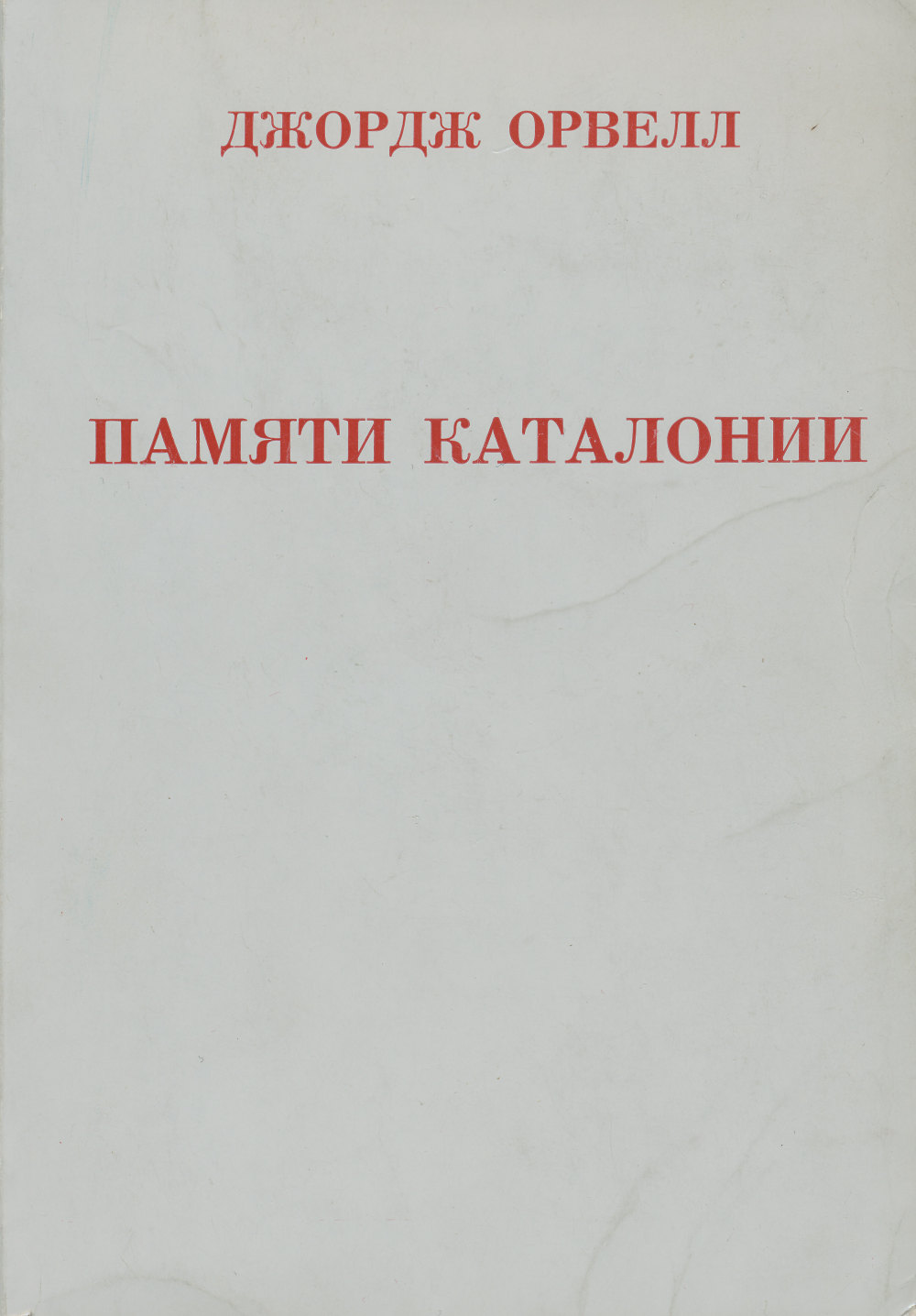
And this made him just a deafening impression, because he was a man of extreme personal honesty, and imagine that they could slander, slander people who even came from other countries specifically in order to help the Spanish republican government to fight with fascism, they can accuse the fact that they were fascists, it was a blow for him that completely shocked his worldview and all his idea of what was happening. And the first thing he wanted to do was write about it. And he understood, and subsequently wrote that what happened in 1937 in Spain was very similar to what happened in 1937 in the Soviet Union (of course, on a smaller scale). But in his library, a book called Stalinism in Spain was always stored, written by the widow of the Austrian Communist-antistaine, Kurtu Landau (her name was Katya Landau), and the methods used in prisons, which the Spaniards called the "Chek", that is, in the NKVD prisons, were described in this book. And Orwell very clearly imagined that this was part of a single terror that exists both in the Soviet Union and in Spain. And it was precisely driven by this desire to somehow interfere with the honor of his slandered comrades, he wrote the book Homage to Catalonia. I translate "in honor of Catalonia."
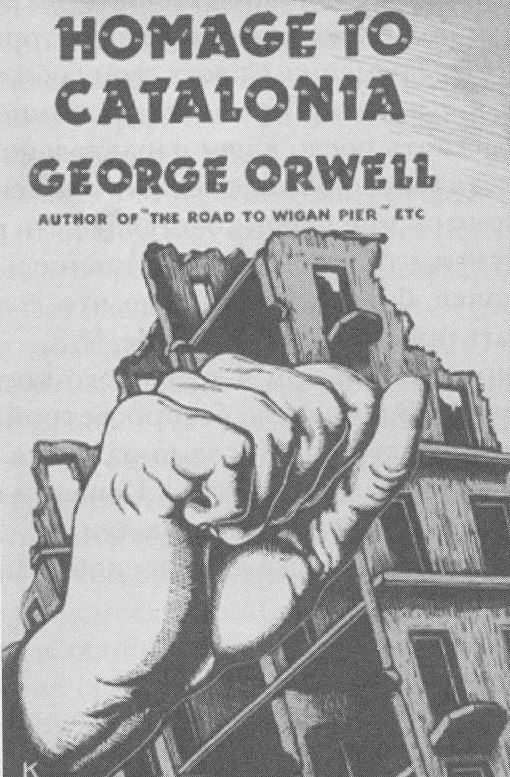
- You translate - "in honor of Catalonia." And about forty years ago in the West, the book was released under the title of "Memory of Catalonia." Did you prefer "in honor of Catalonia"?
-In English, this is "homage", and in Russian sometimes they also speak Ommage. In highly firing speech, they use the French version of this word, which, in fact, means a tribute to admiration in a sense. And, in principle, I like the translation published forty years ago abroad, and I am very sorry that so far it has not been possible to find the name of the translator of this book into Russian. But this is the name of the "memory of Catalonia" ... For me in the word "memory" there is the feeling that Catalonia is no more, that Catalonia has died. We say "memory of someone" after a person died. Of course, we can argue that that Catalonia in which Orwell fought, she died, but still I did not really want this moment of her death, which was not in the English name, I did not want him to be in Russian. Therefore, I propose my translation, more reflecting the idea of admiration for what was there.
- It's clear. And I rather accept your option. It seems to me that the explanation of the Tamizdat name of the “memory of Catalonia” is connected precisely with the word “Ommage”. The book was nevertheless intended for the reader in the Soviet Union primarily, therefore, it was so pocket, a quotal format, and it seems to me that no one would have understood the word "Ommage" in the Soviet Union, the readers of that time were absolutely not implemented and not approved, right?
- Absolutely. Exactly. And today it exists only in certain contexts if we are talking about artists, musicians. It seems to me that this is the area where this word is used. Therefore, I would not suggest using this word, so the equivalent is "in honor."
- Since we have talked about the translations, can you ask you the following question: there are a lot of options for translating the titles from Orwell: what do you think about the names "Castard", "Skotsky Khutor" and others? You choose, it seems, "far yard", right?
- No. The fact is that in 2001, my translation by Animal Farm called the Cattle Economy was published in the St. Petersburg publishing house of ABC. In general, there is a dozen, I myself was amazed to find that there are a lot of Animal Farm translations, because Orwell specially wrote this book with the idea so that it was easy to translate, he really wanted it to be extremely simple, clear in language. And not only therefore, of course, but also because it is a wonderful thing, but it was translated into Russian a lot. And I am against the name "Castard", "Zooferm" or even more so the "Farm of Animals" that's why. Because the whole point of Orwell’s fairy tale is that the animals capture everything, they capture not only the piece that belongs to them, not only the far courtyard, but also the Lord’s house, and the lands, the extensions, and the services, and the forest, and the fields are all their possessions. And since in Russia there was no capitalism in the village, the word "farm" in the meaning of the "economy" in the village did not vaccinate. And if you remember, in Soviet times, we had a farmer that was a foreign peasant, the pre -revolutionary peasant was a peasant, and the post -revolutionary was a collective farmer. Everything was very clear. Therefore, the word "farm", it seems to me, has narrowed, it is used only in the narrowed meaning as a poultry farm, a dairy farm. And I wanted to take a word that would cover the entire estate, in the pre -revolutionary language, but at the same time so that there is the meaning of the economy. And I also wanted it because it still returns us to collective farms and state farms, and in my translation the heroes there say: "Long live the Scotchoz!". And so I chose such a name. Although I understand that the first name "Far far" is more popular. This is the translation of Gleb Struve and his wife Maria Krieger.
But the word "farm" is still perceived rather like South Russian, like a farm in the steppe, or as those allotments that Stolypin planned to give to the peasants, that is, this is not quite natural for the Russian reader, still a word in such a normal context, he has additional shades.
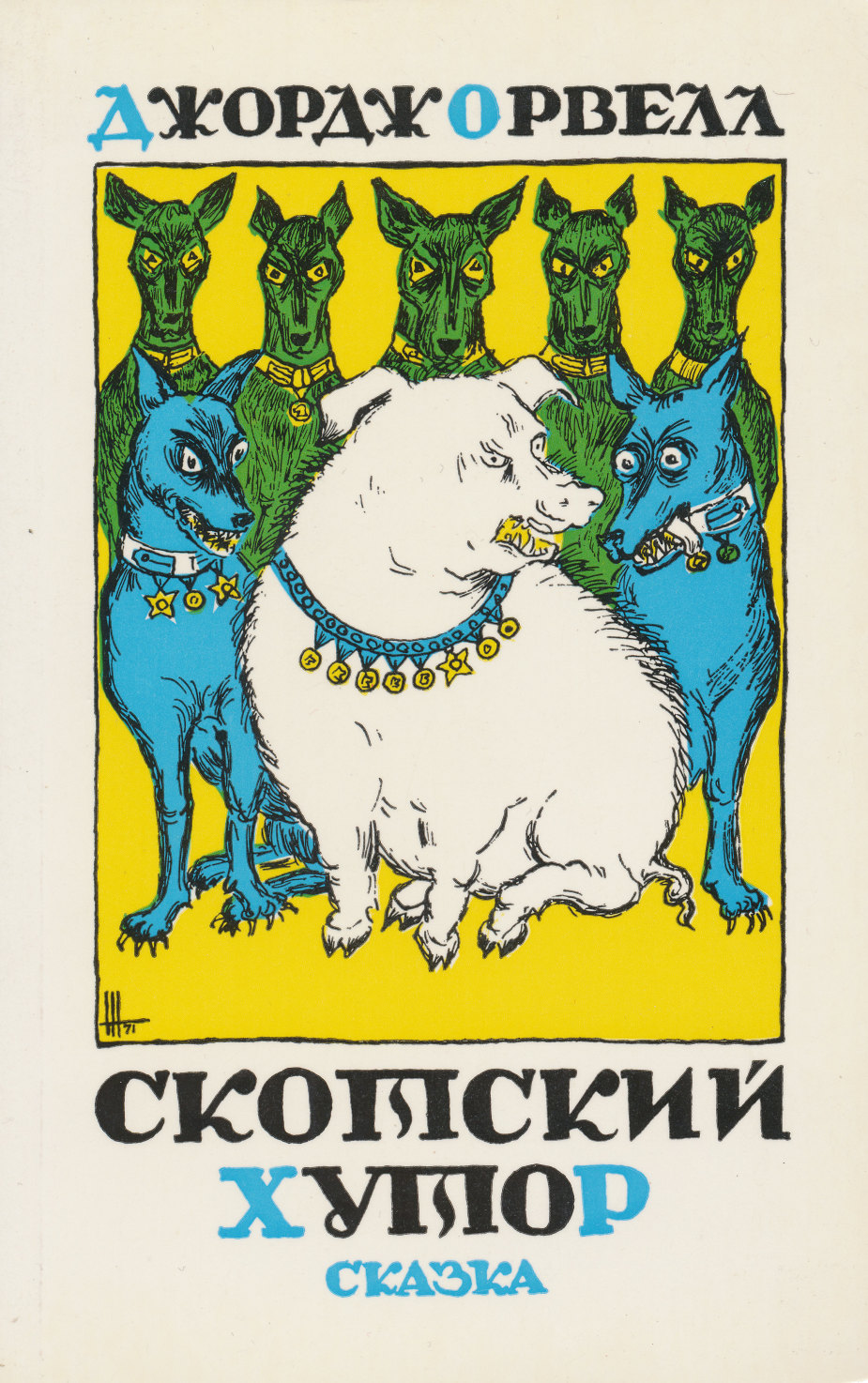
- Do you know what the wildest name, the Russian version of this Animal Farm? Someone in America translated it and released a book called Russian letters, "Emniel's Farm" in a very small circulation .
- Yes, "Emniel", with a soft sign at the end. This is monstrous. The fact is that it is difficult to translate. I am not saying that my name is perfect, but it, for the reasons that I called, seemed to me the most adequate. "Animal Farm" sounds better in English, I'm sure.
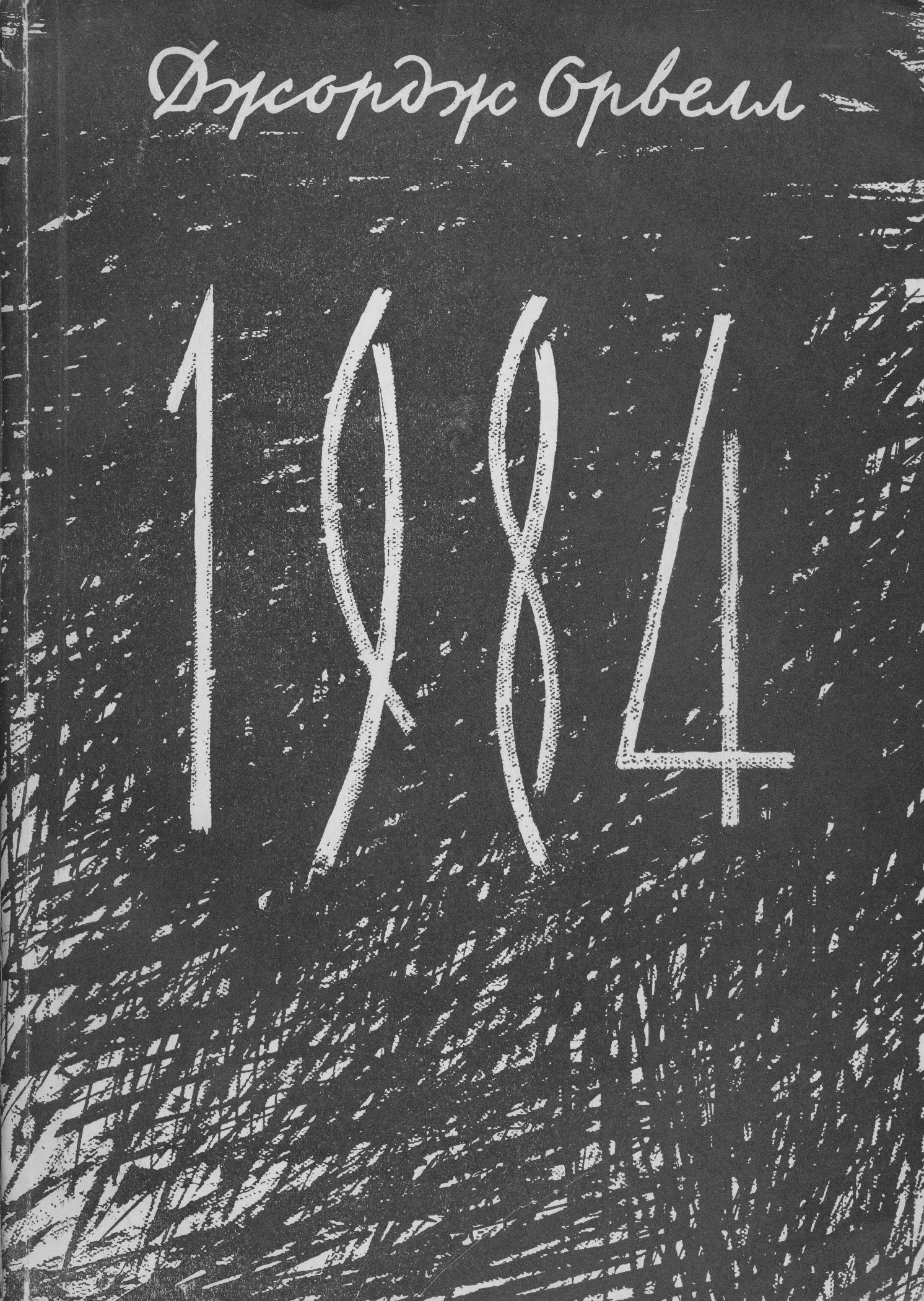
-What kind of Orwell Russian writer turns out how much attention and shades were found in Russia, Russian translators in order to convey his title. Let's move on to the largest, most famous book, Roman "1984". What country did Orwell take? I ask because there are also several different opinions on this subject.
– Видите ли, книжка "1984", конечно, это предупреждение британским и прочим западным социалистам о том, что у вас ни в коем случае не должно получиться так, как в Советском Союзе получилось. И в этом смысле, конечно, когда он писал "1984", он имел в виду Советский Союз, только, как он сам говорил, доводя до логического завершения то, что в Советском Союзе уже существовало.
Все то, что вошло в роман "1984", основывалось на весьма конкретных деталях советской политики, начиная с того самого пакта Молотова – Риббентропа
Я уже говорила, с каким ужасом он отнесся к той лжи, не говоря уже о терроре, который НКВД осуществлял в Испании. Но у него были неплохие источники, когда он писал "1984". Он сам очень много читал, но кроме того, он от разных людей узнавал всякие замечательные подробности. Например, в 1944 году Глеб Петрович Струве написал ему о том, что в ежегодных исторических таблицах за 1944 год упоминания о пакте Молотова – Риббентропа 1939 года не было вовсе. И нас с вами, может быть, это и не так удивляет, потому что этот пакт последующие советские годы замалчивался или о нем говорилось вскользь, но для Оруэлла это было невероятно, что вот историческое событие, которое мы все помним, которое произошло в 1939 году, за пять лет до 1944-го, советские власти объединились с нацистскими, Великобританию бомбили немецкие самолеты, работающие на советском бензине, и вот этого события просто не было. Точно так же ему написал человек из местной газеты города Лидса о том, что они узнали о советском невозвращенце Александре Бармине, который был дипломатом, и они написали в газете своей о том, что он остался на Западе. И читатели, конечно, очень просоветски настроенные, им не поверили, и кто-то написал в Москву спросить, правда ли, что пишет наша английская газета. И в Москве ответили, что такого человека просто не существовало. И возмущенный английский читатель написал в редакцию: что же вы тут нам голову морочите, в Москве сказали, что такого человека нет.
То есть все то, что вошло в роман "1984", основывалось на весьма конкретных деталях советской политики, начиная с того самого пакта Молотова – Риббентропа. Как Океания постоянно объявляет своим гражданам, что то мы воюем с Евразией, то – что Евразия всегда была нашим союзником и мы с ней не воюем. То есть эти резкие смены политического курса, случающиеся внезапно, к недоумению таких граждан, как Уинстон Смит, герой Оруэлла, и в общем-то, уже почти не замечаемые остальными гражданами страны, все это естественно взято из советской современной истории.
– Забавно, что этот якобы не существовавший Александр Бармин через короткое время стал коллегой Оруэлла: он возглавил Русскую службу "Голоса Америки" в Нью-Йорке, а потом в Вашингтоне.
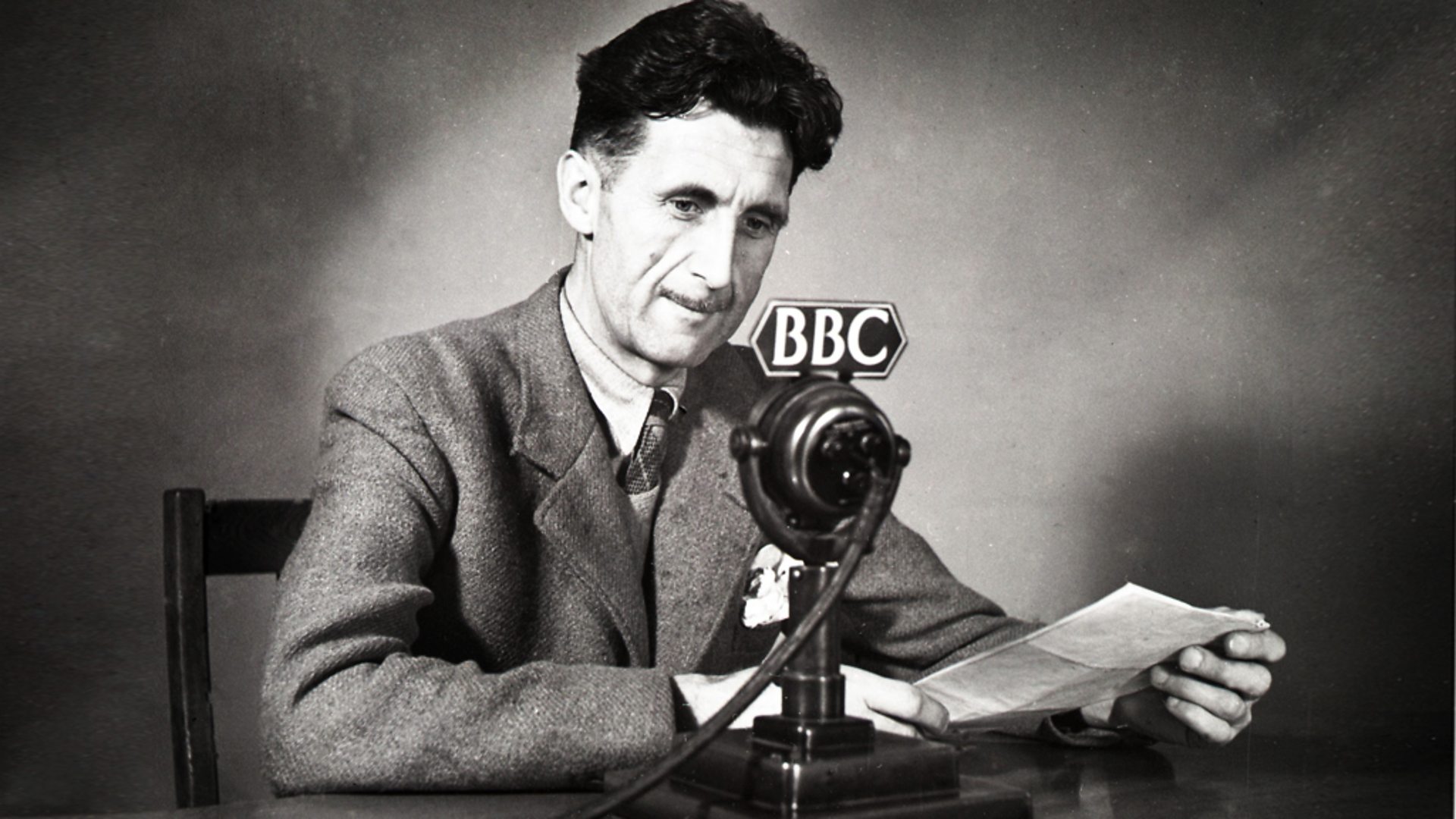
– Интересно, я не знала, что он работал на радио. Оруэлл проработал на радио всего два года, с 1941 по 1943 год, и это было для него очень противоречивое и сложное время. Он работал в индийской секции. Это была идея руководства, что надо вещать на колонии для того, чтобы во время мировой войны все-таки они хранили верность Британии, хранили верность метрополии. И каким же образом, надо сказать, довольно трогательно рассуждало руководство, они хотели привлечь индийскую интеллигенцию? Они стремились знакомить их с плодами английской культуры. И вот тут Оруэлл просто превзошел самое себя, потому что он почти в одиночку делал огромную просветительскую работу. Например, он выпустил в эфир шесть программ под названием "Голос", это был такой радиожурнал, куда он приглашал поэтов читать стихи. Было шесть выпусков этого "Голоса", в трех из них принимал участие Элиот, были там и другие поэты, Уильям Эмпсон, который сам работал в китайской секции Би-би-си, а при этом был известным поэтом и автором книги "Семь типов многозначности", до сих пор известной книги о поэзии, были молодые поэты. И поскольку в Англии чтение стихов вслух, при известной английской зажатости, не было особо популярным делом, Оруэлл очень обрадовался, когда понял, что у радио есть возможности вернуть стихи звуковой стихии – люди слушают эти стихи, и поэту это тоже дает чувство общения с аудиторией. То есть, как он писал в одном письме, "когда делаешь такие вещи, к тому же во время войны, то есть ощущение, что ты не даешь погаснуть где-то там светящейся крохотной лампочке". То есть у него было ощущение, что где-то там, в далекой Индии все-таки сидит какой-то человек, прильнув к приемнику, и слушает замечательные стихи Элиота. Вот это то, чем он занимался, не говоря о политических обзорах и собственных передачах о литературе и так далее.
Но Би-би-си, я сама, как человек там работавший, могу сказать, что это организация очень сложная, потому что она всегда представляла собой сочетание идеализма и бюрократизма. И конечно, Оруэллу нелегко там было работать, потому что начальство постоянно вмешивалось, чего-то требовало, чего-то останавливало, про что-то говорило, что, нет, это несвоевременно. И большие были проблемы с тем, что, хотя они его пригласили работать благодаря его известности в Индии, как писателя антиимпериалистической направленности, они не могли ему позволить выступать с антиимпериалистических позиций, потому что, во-первых, черчиллевское правительство в тот момент совершенно не разделяло этих антиимпериалистических чувств и позволить человеку выражать свою собственную точку зрения, а не точку зрения корпорации, уж особенно во время войны, Би-би-си никак не желало. И, в общем, помимо того что это была огромная работа, он работал шесть дней в неделю по 10 часов в день, и очень много административных обязанностей было, приглашать людей на выступления, чуть не рассчитываться с ними, во всяком случае, подавать бумажки. И начальство сильно портило ему кровь.
В 1943 году он с Би-би-си ушел, поняв, что его силы расходуются не так, как ему хотелось бы их расходовать
А кроме того, видимо, он стал понимать, что после довольно большого перерыва, после 1938 года, когда он написал последний из своих традиционных романов, роман "Глотнуть воздуха", он уже очень давно ничего не писал. Поначалу он сам как-то чувствовал, что ему надо, как он говорил, "побыть под паром", понять, что он делает. Потом началась война с ее ужасами, потом была работа на Би-би-си, он одновременно был в ополчении и времени ни на что не оставалось. И хотя мы точно не знаем, когда именно возник замысел "Скотского хозяйства", очень может быть, что, уходя от Би-би-си осенью 1943 года, Оруэлл уже понимал, что он хочет написать эту новую, совершенно неожиданную для себя книжку, сказку-притчу, что-то, чего он прежде никогда не делал, и поэтому в 1943 году он с Би-би-си ушел, поняв, что его силы расходуются не так, как ему хотелось бы их расходовать.
– То есть вы не поддерживаете. не развиваете эту легенду о том, что Оруэлла выставили из корпорации, потому что у него было ранено горло и по голосовым качествам он просто не подходил под некие бибисишные нормы?
– У него голос был ужасный и, как говорили многие, и до ранения его голос никак не годился для радио. Но не сохранилось ни единой записи на Би-би-си. Но дело в том, что не сохранилось и ни единой записи каких-либо его текстов, зачитанных кем-то другим. Я думаю, что просто в то время, с 1941 по 1943 год, внимание к звуковой стороне вещания было совсем невелико. Они сохраняли все сценарии, все планы передач, тексты, которые зачитывались в эфир, комментарии, обзоры - это все существует на бумаге в архиве Би-би-си, но звукового не сохранилось ничего.
Нет, я совсем не думаю, это ничем не подтверждается, что его выгнали. Во-первых, он ушел сам, во-вторых, у него был непосредственный начальник (у него были конфликты с начальством повыше), он очень его ценил, поэтому они, скорее, жалели, что он уходит. Но просто он больше не мог, он говорил, что "я себя чувствую как выжатый апельсин, по которому ходят грязные сапоги". Ему было дико тяжело уже там находиться.
– Хорошо, тогда, чтобы не переходить к содержанию и идеям романа "1984" (это, наверное, от нас с вами потребовало бы целой недели радиоэфира), давайте я сужу свой вопрос и спрошу о том, как "1984" шел к русскому читателю?
– Я в своей книге, честно скажу, этим особенно не занимаюсь, я сосредотачиваюсь на биографии Оруэлла, на его жизни. Роман вышел буквально за полгода до его смерти, и хотя было много восторженных рецензий, сам Оруэлл для публикации романа по-русски, в отличие от публикации "Скотского хозяйства", ничего не делал. Другое дело, что, поскольку он многократно говорил о том, что ему очень хочется говорить с людьми, живущими в Советском Союзе через голову их правителей, он поддерживал идею засылки книг к русскоязычному читателю, он субсидировал "Скотское хозяйство". И поскольку он неоднократно говорил и писал о том, что ему не нужны никакие гонорары, что он готов дать деньги для того, чтобы его книги (он имел в виду последние книги) пришли к русскому читателю, его вдова и его душеприказчики впоследствии субсидировали посевовское издание "1984" тоже. Русский перевод вышел в 1957 году.
– А вы сами когда обратились к фигуре Оруэлла, когда он вас заинтересовал как объект для жизнеописания? Ведь это же огромный труд. Ваша книга очень большая, вы, наверное, много лет писали ее?
– Я переводила "Скотское хозяйство" в перестройку, в 1990 году. Опубликовано оно было спустя 10 или 11 лет. Но тогда, в 90 году, я переводила не только саму книжку, но и статью Оруэлла, которая предполагалась им как предисловие к "Скотскому хозяйству". Это статья "Свобода печати", в которой он рассказывает о том, как ему трудно было эту книжку опубликовать, потому что на протяжении 1944 года и в 1945 году никто в Великобритании печатать книжку, где сатирически выведен Сталин, не брался, потому что Россия, Советский Союз был союзником британцев в войне.
Но Оруэллу, как говорил его бибисишный начальник, было чуждо понятие политической целесообразности. На самом деле оно, конечно, было ему не чуждо, он прекрасно эти все соображения понимал, но просто считал, что важно не это, а важно сказать правду, он настаивал, надеялся, и в конце концов эта книжка вышла, правда, уже после окончания войны.
Но тут я немножко отвлеклась. Во всяком случае, этот интерес к его позиции возник у меня очень давно, а работала я над этой книжкой, можно сказать, последние пять лет, я ее писала почти три года и еще два года шел издательский процесс, в ходе которого пришлось ее, должна вам признаться, сокращать, потому что те 600 страниц, которые вы видите, это сокращенный вариант. Но дело в том, что я не ожидала, я честно скажу, что жизнь его окажется настолько интересной, что в ней столько разнообразных подробностей, столько интересных связей с советской жизнью, и просто это оказалось погружено в историю отчасти и английского социализма, английской Независимой лейбористской партии, различных взглядов на организацию общества, это все оказалось очень интересно, поэтому этот процесс длился очень долго, я не ожидала ни что это так много времени займет, ни что книжка получится такой толстой.
– Мир времен Оруэлла был прост и двуполярен, существовал тоталитарный Советский Союз и существовал некий условный, редуцированно понятый Запад. По-прежнему ли актуален Оруэлл сегодня, когда все границы размыты?
– Дело в том, что я, конечно, не соглашусь с тем, что мир времен Оруэлла был, и даже чуть позднее был прост и двуполярен. Я думаю, что нам сегодня удобнее так это рассматривать, а в свое время это все тоже было достаточно сложно и запутанно.
Мы видим сегодня всевозможные попытки организованной лжи, прежде всего, конечно, в России
Но что касается Оруэлла, мне кажется, что он очень актуален, и в каком-то смысле можно даже сказать, что он сегодня актуален чуть ли не больше, чем тогда, потому что тогда думали: вот тоталитарные режимы, нацистская Германия, Советский Союз, все это исторические понятия, и вот после 89–91 года уже стало казаться, что тоталитаризм – это совершенно ушедшее понятие. К сожалению, мы видим сегодня, что тоталитаризм не ушел. Я нашла в одной из статей Оруэлла замечательное определение тоталитаризма. Он говорит: "Страна считается тоталитарной, когда ею правит однопартийная диктатура, которая не дозволяет существование легальной оппозиции и сокрушает свободу слова и печати". И в другом месте он говорит, что "организованная ложь, используемая тоталитарными государствами, вовсе не является, как иногда говорят, временной мерой такого же рода, как военная хитрость, организованная ложь входит в самую сущность тоталитаризма и не исчезнет даже тогда, когда отпадает потребность в концлагерях и тайной полиции".
То есть мы видим сегодня всевозможные попытки организованной лжи, прежде всего, конечно, в России. И после захвата Крыма и войны на Донбассе, когда мы увидели пропаганду, организованно льющуюся из российского телевидения, начиная с того, что то, что произошло в Украине, называется фашистским переворотом, правительство называется фашистской хунтой, и кончая всевозможными распятыми мальчиками, которые якобы являются жертвами украинских фашистов.
На это всегда можно сказать: а что, не происходит в других странах организованной лжи? Конечно, происходит. Но как говорил Оруэлл в своей замечательной статье "Фашизм и демократия", разница заключается в масштабе, во-первых, и в возможности ответить, во-вторых.
В России мы видим за последние годы только нарастание этой абсолютно лживой пропаганды, которая, и тут еще один момент актуальности Оруэлла, касается не только настоящего, но и прошлого, потому что это классическая формула: кто управляет настоящим, тот управляет прошлым, и кто управляет прошлым, тот управляет будущим, – она абсолютно верна для сегодняшней России. И вот мы уже видим, что Музей ГУЛАГа в Перми закрывают и превращают чуть ли не в музей охранников и лагерных надзирателей, мы видим, что в Сандармохе, где находящийся сегодня под стражей Юрий Дмитриев раскопал останки тысячи расстрелянных и репрессированных в сталинские годы, сегодня якобы обнаруживают останки советских военнопленных, якобы расстрелянных финнами. Сочиняются абсолютно оруэлловские сюжеты только для того, чтобы исказить то, что реально происходило со страной,
Я уж не говорю про реабилитацию Ивана Грозного, Сталина, Николая Второго и вот последнее – Александра Третьего, российская история в последние годы искажается просто постоянно, и это не случайность, это, безусловно, часть возрождающегося тоталитаризма.