
Translated material
Gentlemen invitation
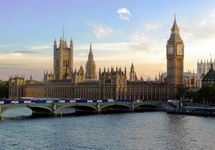
The British parliament demanded that Facebook and Twitter provide detailed information about Russian intervention in the British exit from the European Union (Brexit), reports The Guardian. Otherwise, social networks may be subject to sanctions.
Chairman of the Committee on Culture, Media and Sports Damien Collins, heading a parliamentary investigation, called the "inadequate" reaction of social networks to a request for information. "There should be a way of careful tracking of actions that companies such as Facebook are introduced to identify sources of misinformation, especially when it is politically motivated and comes from another country," Kollins said.
The social networks should tell the parliament how they can resist such actions, the head of the committee noted. "And we, in turn, will have to tell them that they better follow what is happening on their sites," said Collins. At the same time, he did not exclude that in the absence of a response regarding social networks, sanctions will be imposed, for example, restrictions on advertising.
On December 14, the Facebook administration said that on the eve of Brexit, Russia did not conduct paid political campaigns on the social network. The Russian Internet research agency, also known as the "Troll Factory", paid only three advertising posts regarding immigration issues and designed for both the British and American audience. The British messages were shown four days in May 2016, a month before the referendum. The total cost of posts amounted to only 97 cents. The results of the Facebook investigation were sent to parliament, as well as to the British election commission.
On December 22, the British Foreign Minister Boris Johnson at a press conference in Moscow stated that Great Britain was ready to "turn the page" in the topic of Russia's intervention in the election campaign of Western countries, after such an intervention "remains in the past." At the same time, the British minister noted that attempts to interfere in Brexit were unsuccessful.
“Unfortunately, there were a lot of evidence of Russia's intervention in the elections in Germany, Denmark, France, the United States of America,” Johnson said. “However, as I said, there is no evidence of successful Russian intervention in the UK.”