
Translated material
Veteran (not) equality
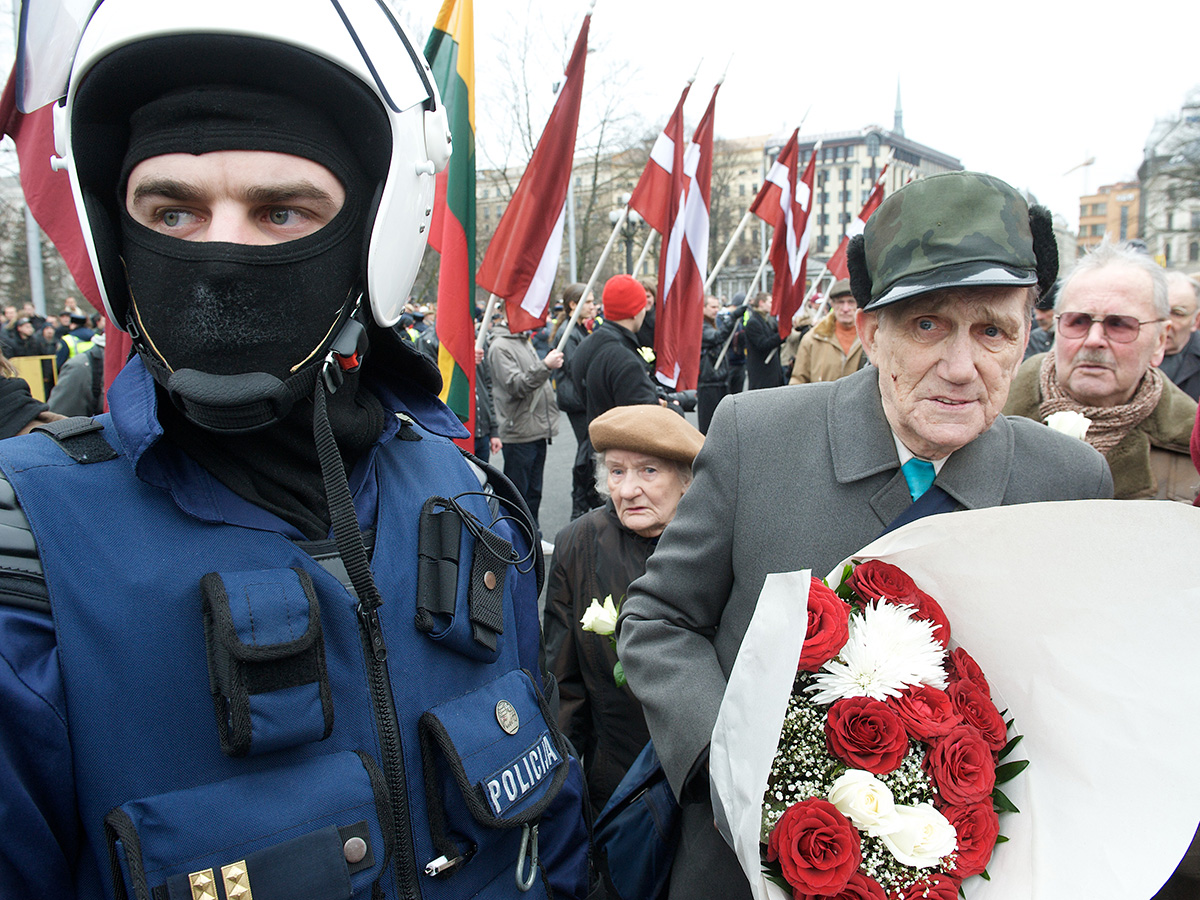
President of Latvia Raymond Weionis approved the law "On the status of a participant in the Second World War." He equalizes in the rights of veterans - citizens of Latvia who took part in the Second World War as part of the Armed Forces of both the USSR and Nazi Germany.
More precisely, the wording of the law is as follows: the participants in the Second World War may be recognized as the current Latvian citizens who were citizens or permanent residents of the country on June 17, 1940 or could claim Latvian citizenship. Military criminals and participating in the genocide, former members of organizations recognized by criminal Nuremberg Tribunal, as well as KGB veterans, except for employees of its financial and administrative units, are deprived of the right to claim veteran status.
The law approved by the Sejm in the third reading on December 21, 2017 will enter into force on February 1. He does not provide for social assistance and gives the appointment of benefits and benefits to veterans at the regional authority. Here is what Radio Liberty told one of the authors of the bill - a historian, a member of the parliamentary faction of the National Association Ritiver Jansons .
- What is the purpose of the law you have developed?
- Legal status implies that citizens and permanent residents of Latvia were anti -settlement in the Second World War in military operations, which began and led the country who occupied Latvia - both the Soviet Union and Nazi Germany. They are considered participants in the war in which there were neither winners nor defeated in the Republic of Latvia: those who fought on both sides were victims of World War II. The end of the war did not bring independence to Latvia, the occupation continued until 1990. This is only legal status, the law does not imply social assistance.
Subscribe to us in Telegram
Those who fought on both sides were victims of World War II
- How many people can claim, according to your calculations, for this status?
- I think they will be very few. According to the Ministry of the Interior, a maximum of 300 people. Or maybe less: our military organizations, for example, “unite the Latvian national warriors”, counted only about a hundred people who could claim this status.
- You are reproached with the fact that the law puts citizens who have received a Latvian passport in a different way, in an unequal position.
- Yes, the fact is that in 1940 and during the Second World War they were citizens of other states: both the Soviet Union and Nazi Germany, and possibly other countries. The Latvian Republic, which at that time was occupied and existed only legally, but not in fact, cannot take responsibility for citizens of other countries. Therefore, persons who have received citizenship as a result of naturalization, and non-citizens cannot claim this status, and in my opinion, this also excludes the possibility of obtaining it from people who then served in the Soviet Baltic Military District (its center was in Riga) and carried out the military occupation of Latvia in the post-war years.
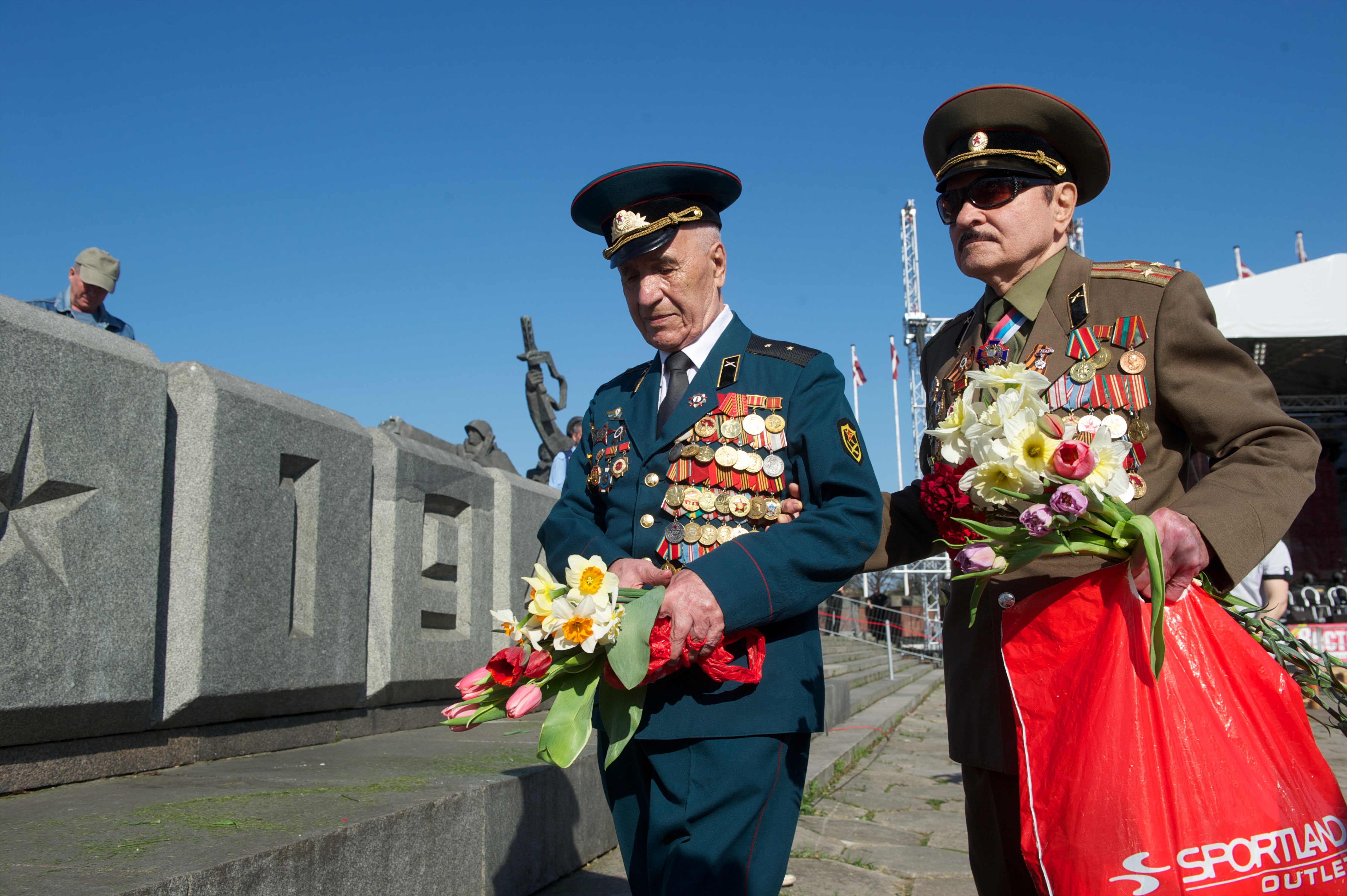
The opposition party "Consent" sharply criticized the law. The parliamentary faction of "Consent" voted against, and after the Sejm adopted the law, asked President Weionis to return him to revision. According to the opposition, in the current editorial office he discriminates for many groups of residents of Latvia, it also does not mention Soviet partisans, non -citizens and received citizenship after 1940. Says a member of the "Consent" faction Boris Tsilevich :
- This law is already quite old, this is the initiative of the previous President Andris Berzins, and the main idea of the project was to reconcile all participants in the Second World War regardless of which side they fought. This story stretched for a long time, it is such a "hot potato" that is thrown from hand to hand. In parliament, he was treated with careful approval, a working group led by historian Ranitar Jansons was created. As a result, a document was born, which, alas, did not correspond to the original idea. The problem of the project is that it provides for the possibility of obtaining status only by a certain group of war participants, namely, those people who in 1940 were citizens of Latvia. Thus, in fact, the majority of people who fought on the Soviet side cannot get such a status: in the 130th Latvian Rifle Corps and other formations, mostly people who lived in the Soviet Union before the Second World War. These are Russian Latvians who did not return to Latvia after the First World War. Even from a purely legal point of view, this causes a serious doubt: for the first time in Latvian legislation, a norm has appeared, which provides for a different attitude to Latvia citizens, depending on the method of obtaining citizenship. People who were registered as citizens of Latvia after 1940 or have undergone naturalization, cannot get this status. Not to mention the non -citizens living today in Latvia.
Most people who fought on the Soviet side cannot get such a status
At the same time, the law on citizenship, the 4th article contains a norm that directly says that the rights and obligations of Latvia citizens do not depend on the method of obtaining citizenship. The Association of Veterans of the 130th Latvian Rifle Corps has already stated that such a law did not support, and based on considerations of consideration with their combat comrades, people who fought on the side of the anti-Hitler coalition and have the right to the status of a war participant will not receive it. The Association made a letter to the embassies of countries - participants in the anti -Hitler coalition. There is no reconciliation here, rather, on the contrary, we continue to sort veterans to somehow sort and beat each other. The law does not reach the declared goal. However, the president approved him.
It should be noted that the law is purely political, as its initiators expressed, and declarative, it does not provide for any social benefits or guarantees. A certain budget is provided, but these funds will go exclusively for the manufacture of badge and payment of the work of officials who will consider applications and assign the status. Today, those participants in the war who fought on the side of Germany, with the exception of those who personally participated in war crimes and crimes against humanity, already have a certain status - according to the law on the status of repressed: all the legionnaires passed at least filtration camps, and most of them were in conclusion, in the link. There is a law on participants in national resistance, and “forest brothers” , other fighters against the Soviet regime, have such a status. Both politically sentenced and participants in national resistance are placed tangible social benefits. And those who fought on the Soviet side, in the vast majority of any status, have no social benefits. That is, inequality is only aggravated. And it is unfortunate that the good idea that we supported from the very beginning is distorted.
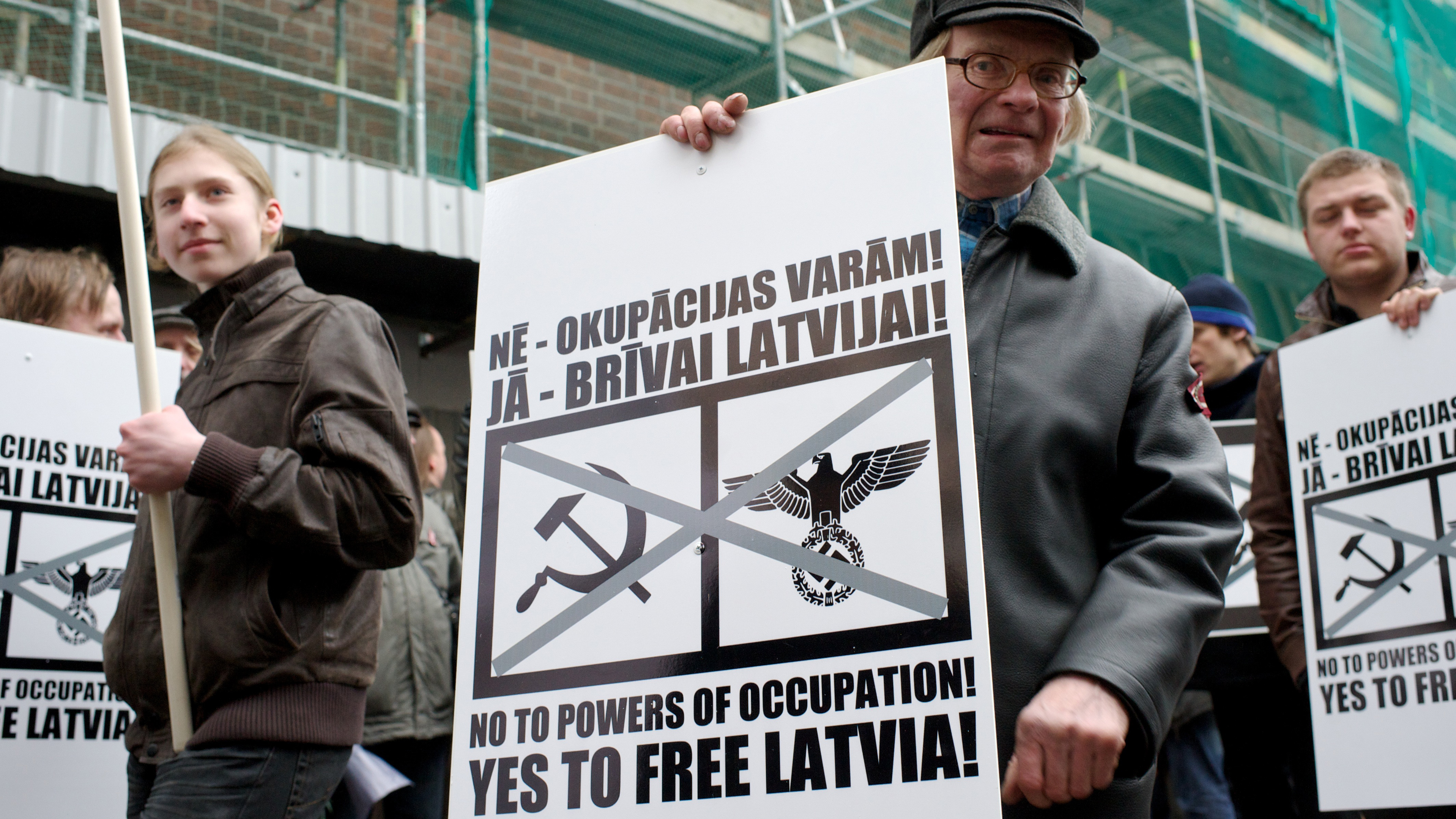
- As far as I understand, his authors had the goal of reconciling the victims of forced mobilization of both totalitarian regimes?
- This status can receive not only forcibly mobilized, but also volunteers. On both side were both those and others. The main criterion is different: a person should not personally participate in crimes. These restrictions were specified in the preparation of the law for the second and third reading. In particular, the status of a war participant cannot receive persons who participated in organizations recognized by the criminal Nuremberg Tribunal, in particular members of the Nazi party, employees of the Gestapo and so on. The main thing is to separate the soldiers from the executioners who participated in repressions against civilians and other atrocities.
- And what does the authors of the law motivate such an unequal attitude towards citizens?
The main thing is to separate the soldiers from the executioners
- As far as I understand, they had serious fears that the provision of such a status to all residents of Latvia can jeopardize the concept of continuity of the state, which is the cornerstone of the current legislative system of Latvia. Latvia was not a capable state at the time of the start of the war, did not participate in it and cannot take responsibility for all the troubles and crimes that were committed during the war. We, they say, are obliged to take care of only our citizens. Such an argument seems unconvincing to us: if we set the goal of reconciliation, we need to take care of all the people who are de facto belonging to Latvia today. There is in Latvian legislation the concept of Valstspiederīgie (literally - "belonging to the state." - approx. RS) . It is somewhat wider than just citizens: these are those people who are related to Latvia who live here, have documents issued by Latvia, and have no connection with any other state. Now there is a threat that only those participants in the war who fought on the side of Germany will receive status.