
Translated material
Radio "Dolin"
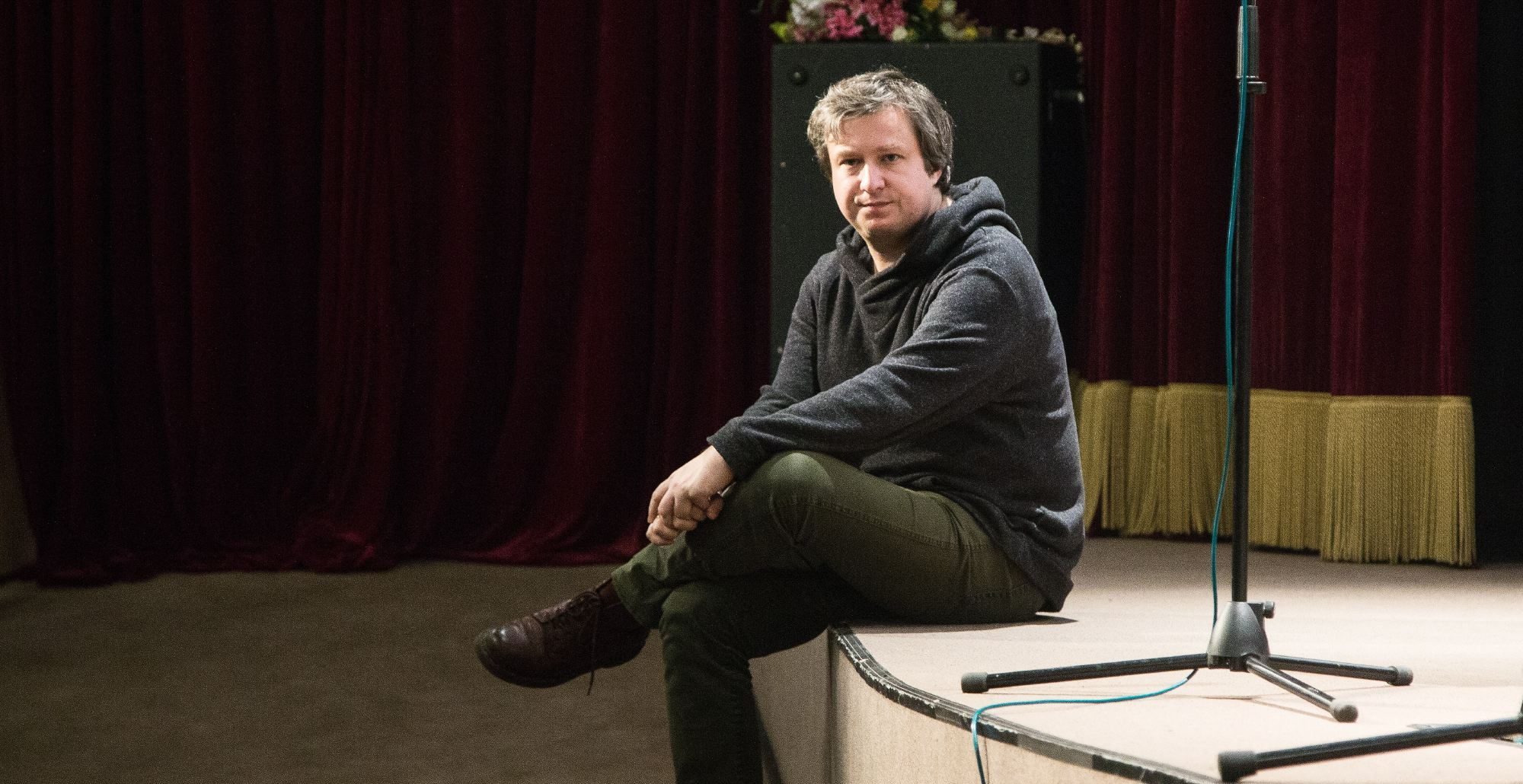
Anton Dolin - about why he does not have bad habits, what is it like a liberal to work on a state hospital and for the sake of this alone he learned to smile
Katerina Gordeeva : Sometimes it seems to me that you simultaneously perform in several places at once.
Anton Dolin : This is not so.
“ But with the fact that you are a lot and you seem to be everywhere, you can’t argue.” Is this your internal need to have time everywhere or an acute shortage of society in a lifting on the rise of an educated young man who, in a simple language, tells people about the difficult world of culture in general and cinema in particular?
- It still seems to me that I live in an idiotic dream - and not even my own, I did not dream of success and the so -called demand. There is probably a need, there is a deficit. The devil knows him. The demand for your work is always like a miracle. Personal recognition is another matter. It is very inconvenient to be famous, nothing but awkwardness, this does not bring. Until there is a rare situation in which this recognition can convert this meaningful. Everything else - selfies, crowds on presentations and so on - terribly strange. I would like to close my eyes or run away.
“ But you don't look like a sociophoba .”
- Not really. I am normal, even comfortable to tell, answer questions, talk. But it is quite uncomfortable to see some kind of “fans”. Each time I do a small, but distinct internal work on me, so that I do not affect some incorrect grimace on my face. I hate smile in life and even more so on the camera. I have no smiling photos since childhood and until recently was not. Now - all the time.
- Specially trained to smile?
- Consciously learned to do this so that no one was offended.
- Paradoxical, of course, a phenomenon: a film critic, which has a bunch of fans from a non -special environment .
- Let's try to take a step back and figure it out. There are objective and subjective reasons for this. Objective reasons are related to the situation: we have an information crisis in our country, it is too often manipulated. This is superimposed on the crisis of education. The point is not that the quality of education becomes worse: just people stop believing in it. In Soviet times, for example, higher education had absolute value. Every self -respecting person should at least try to get it. Now this is not. Many, on the contrary, are proud that, having not received any education, they make their lives. But the need to grow and learn does not disappear. Therefore, parallel, alternative forms of education become in demand.
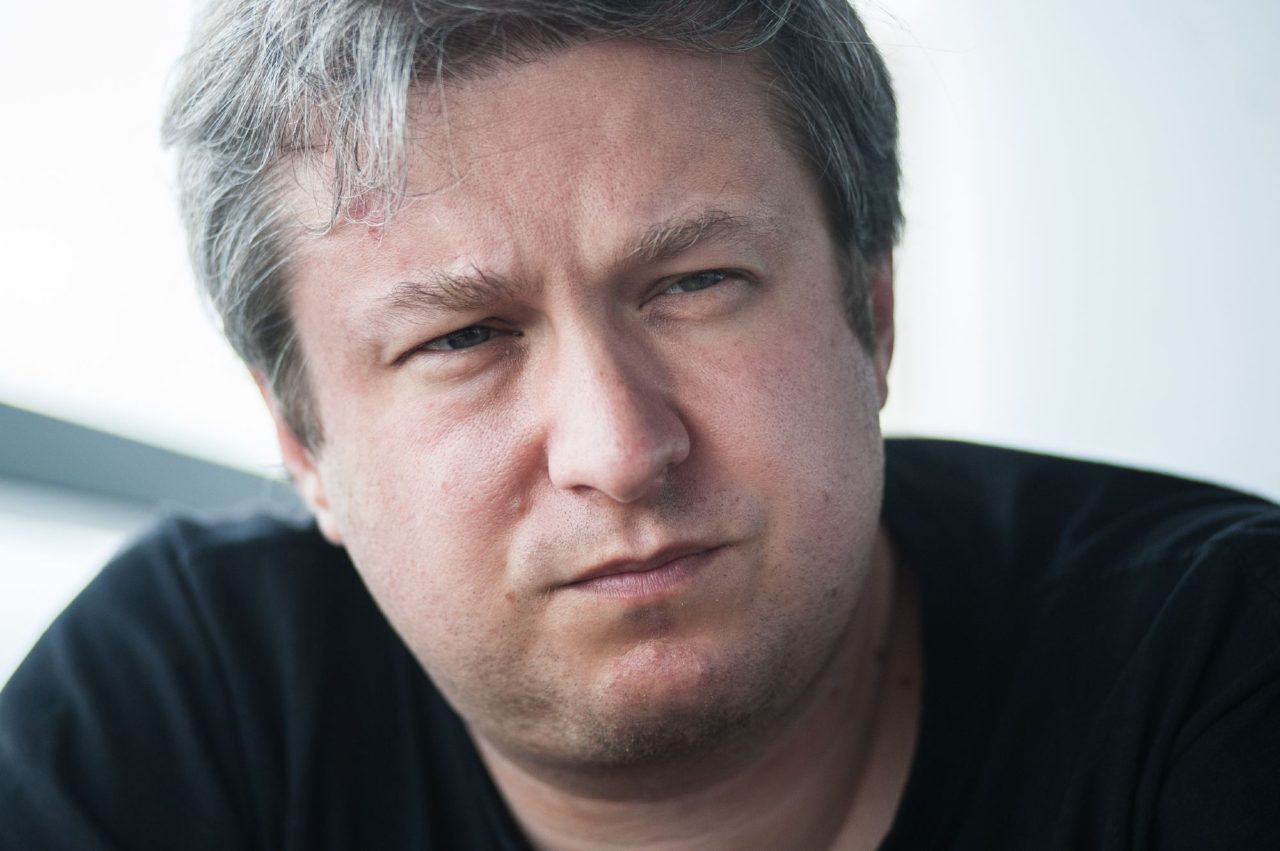 Film critic Anton Dolin Photo: Anna Mayorova/Ura.ru/TASS
Here the subjective reason for my popularity comes into business. Why am I? After all, I do not even have a specialized formation of film criticism. I know the movie a thousand times worse than many colleagues. The reputation of a “walking encyclopedia” invented by someone for me is a pure legend.
"I am the eldest child in the family and constantly told something to small, starting from the age of five"But. In my Philfakov diploma, it says "Teacher of Russian Language and Literature." And I really worked as a teacher at school, gave private lessons. And I had the experience of teaching even earlier: I am the eldest child in the family and constantly told something to little, starting from the age of five, when my younger brother was born. I love to do this, I like to answer questions, explain something, clearly and indefinitely tell people about something that they do not know. It lives in me indestructively. Sometimes I even forget to turn off. My colleagues-critics laugh at the fact that I am starting to give lectures to them. My family laughs over it. They say that I turn on the Radio “Dolin”, when, for example, we are driving by car. While we are going, I begin to tell something, say, broadcast ... It happens that it lasts an hour and a half. I really hope that I say I'm not boring. Although, perhaps, it’s boring. But my homemade has come to terms with this and have not protested for a long time ... Outside my family, this speaking is definitely in demand: people are not enough intelligible, simple and preferably a quick story about something that they do not know or do not understand.
Learn to watch a movie
- Give an example .
- easily: “Mirror” of Tarkovsky. Everyone who knows how to read and think a little knows that such a film needs to be watched. But let's already say the terrible: not everyone watched him. Now imagine how you suddenly, for no reason, turn on the “mirror” and begin to watch. It may become uneasy. You climb the Internet, open the Wikipedia: what does all this mean? How are these scenes interconnected? Who are these people on the screen?
- A rather strange way to watch a movie: with Wikipedia .
- No, not strange. Ordinary. There was a touching episode with me here in St. Petersburg. When I represented the book of Luke Dardenna, to which he wrote a preface and for which I interviewed the Brothers Dardenn, a certain number of people came to the presentation to the store. The meeting took place before the show in the Aurora cinema Dardenov Rosetta. And one middle -aged man got up and said: “I am a little shy, but I want to ask: I never watched such films, I got used to a completely different movie. How can I watch it? How to make me not unpleasant? " And I began to explain in detail.
- That is, you really think that you need to explain not why it is worth watching, namely the mechanics of how to watch?
- I do not think, but I know this for sure.
- “Cinema is not for everyone” does not exist, should everyone watch everyone?
- They should not, of course, but they can. I know that there are people who have the need to watch something more complicated than what they are used to, but they do not have tools. Imagine a person who enters the church for the first time in his life: an adult, but has never been there. He feels something sacred and important. He sees that it is beautiful there. He sees that people perform a number of actions: someone, for example, is baptized. But he does not understand: why be baptized? Here is some kind of icon, something is depicted on it, but what exactly? In what order and why - does not understand. Of course, it is possible - so many do just that - just mechanically repeat the sign of the cross, the words that everyone speaks, look at the icon. And you can read somewhere or find out from someone why they go to church, what is prayer, where John the Baptist is depicted, and where is Christ, why are different people, that in their life there was such a thing, which is why they now hang on the wall in such institutions as the Church? Of course, this will lead to another experience of visiting the church. I don’t even say which experience is better and which is worse. But it is obvious that the second case will be more comfortable.
So, the mirror guide is not needed for someone who, relatively speaking, his whole life “watched Tarkovsky”. But when you first encounter Tarkovsky in adulthood, and even on the big screen, then, believe me, you need help.
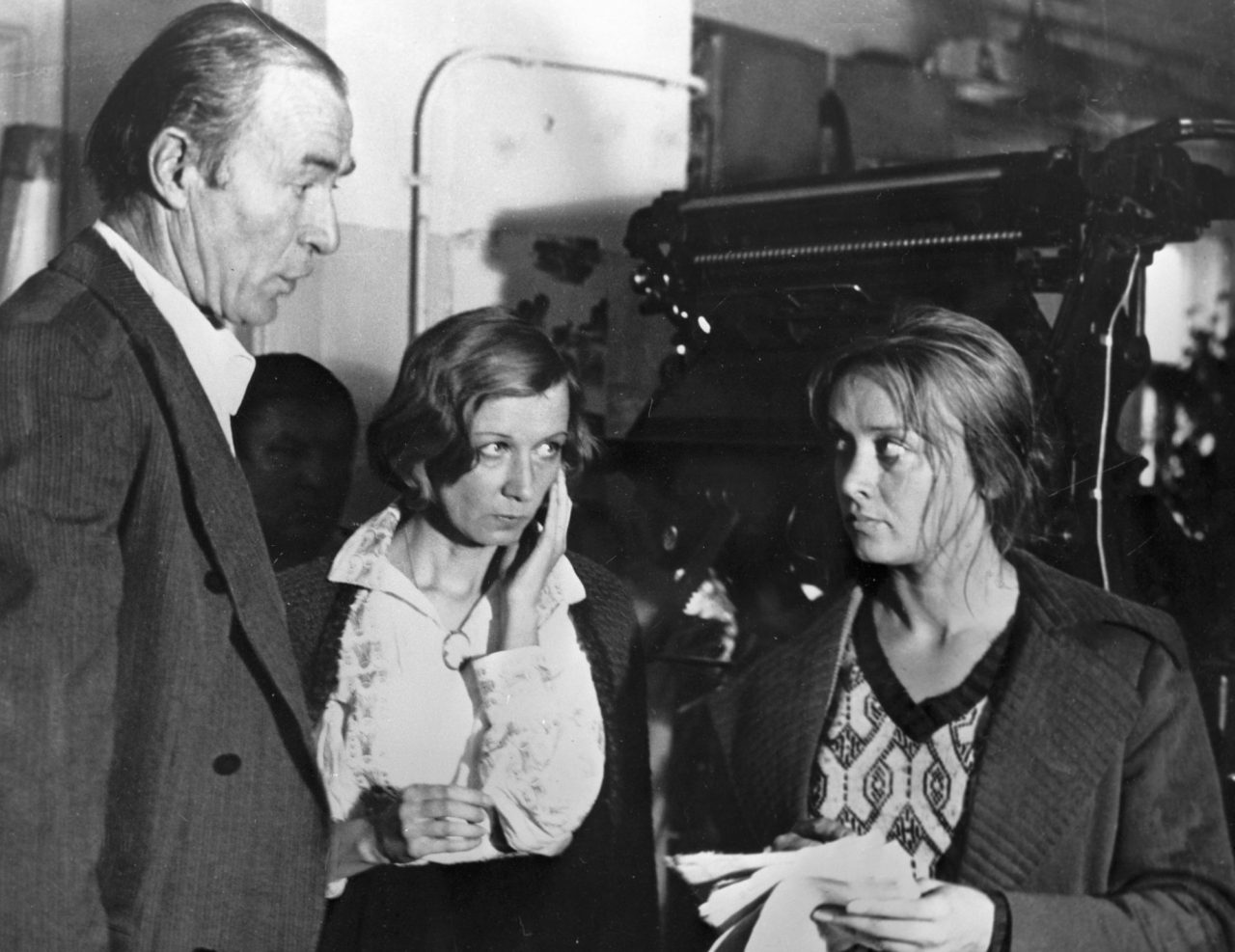 From left to right: Nikolai Grinko, Alla Demidova and Margarita Terekhova on the set of the film "Mirror" directed by Andrei Tarkovsky photo: RIA Novosti
“ But you find yourself next to the viewer not only at the fatal moment when he has to get acquainted with Tarkovsky.” Today you are the most popular adviser to a wide range of issues in the country. People are no longer able to solve anything at all ?
- We live in the era of an excess of information. Stress and problem are also to navigate in it. So you think to go to something in the cinema, you go to the cinema, and there is nine names of films in the poster. You don't know anything about one. You choose a finger at the sky, go, look, and there is nonsense. And you are very offended. You go out and say: "All this Hollywood is shit!" Or: "Russian cinema is no good." You say this because the situation you got into is a generalization, but to say, “I am such a fool, did not know anything in advance and went to an accidental film” - you cannot. You don't consider yourself a fool. Therefore, I came up with-in order of experiment-a whole master class on how to watch a movie. I literally tell people there how to choose a film, which to go in the evening so as not to break off.
- And what, for example, are you telling?
- For example, that you can never believe trailers, because they are not mounted at all not the people who made the film; The trailer always pretends that he is a shortened version of the film, but this is never it, even the music is always different there, and it is mounted from the first half an hour so as not to reveal what happens in the remaining two hours. That is, more simply, this is a lie. More - that you can not believe the ratings on the KinoPoisk or IMDB. They are often created by people who have not watched the films themselves. That there are paintings that have a fanbase, they are so arranged, while other fanbases do not, but the films are still beautiful, which means that you can’t navigate the fanbase. That is, basically my thought is simple: do not believe it, do not believe it, do not allow yourself to deceive.
- And what to believe?
- Critics.
People's critic
- Walh .
- Not for me - criticism. And not to anyone to another. There are still questions: how to find critics, how to read them, how not to stumble upon a spoiler? And I tell you which editions to read to choose a movie, which - after watching. I explain why it is best to watch a movie on a big screen, and not download from the Internet. That it would be nice to watch a movie in the original language with subtitles. You look at me with regret, as an idiot who speaks the obvious, but you can’t even imagine for how many people most of these points are becoming a revelation.
- I heard that with such lectures you are invited to large corporations like Lukoil. They collect employees, and you are conducting them lycubez. So?
- I’ll say right away: in Lukoil I did not give lectures. And they did not call. I give lectures for very different people: corporate, free for children in schools, for students, for ordinary people. Sometimes this is for some minor money: a cultural space opens, everyone is invited to a lecture, they take, for example, two hundred rubles for the entrance. And people come because I am for them - a person from the TV, from the Urgant program. "Anton Dolin will just come to tell something." They come - I tell. And it happens, some large company holds a master class for its employees, and they call me. The lecture on how to watch a movie, for example, I talked in one business school for managers and managers of large enterprises. And recently, for a large mobile communications company in the cinema, the Aronofski film was analyzed. That is, they first watched the movie, and then an hour and a half I talked with them about how it was arranged. But I do the same things with an ordinary audience: buy a ticket, come and take part in the same. I would have dreamed of being a popular critic. It sounds absurd, I suppose, well, let it be.
- simple, understandable and affordable, for example, the Komsomolskaya Pravda newspaper?
- Yes. I believe that it is necessary to somehow finish with systemic ideas about proper elitism. The film critic in my eyes is not the one who shares with the conventional “their own” thoughts of the beautiful, well -formed by a few interlocutors. This is a dead end. The fewer well -educated people, the fewer film critics, because they are less and less demand, and from this, in turn, educated people become even less. And so on. In the end, we come to the complete disappearance of both educated people and the profession of film critics. What is good about that?
"The fewer well -educated people, the fewer film critics, because they are less and less demand"- The critic who, like you, works with the masses, sooner or later turns out to be a serious player in the commercial field. And the accusations are pouring on his head that he made a rental fate to one film friendly. Or vice versa: with his review he killed the rolling prospects of another picture .
- I try not to know all this. The people of my profession in Russia live with a mantra that our word means nothing, our opinion does not change anything. Even in America, where critics are very strong, it is believed that critics are not able to influence cash fees. In fact, this is cunning: capable. Just not in the case of huge blockbusters, but in the case of a smaller movie. The opinion of critics is very important: as a rule, it does not affect the multimillion -dollar masses, but affects those people who can influence multimillion -dollar masses. A wide audience will not read the critic, but will find out the opinion of Stephen Spielberg or Tom Cruise, who will definitely read critics. This is in America. In Russia, we still have no real free and professional criticism. Under the USSR there were excellent critics that existed in conditions of rigid censorship restrictions. In the 90s, the profession began to build from the contrary: there was a free poetic film critic, which only began to form and gain its own language, when the independence of newspapers and magazines suddenly ended and cultural departments closed. And the critics themselves began to be fired as unnecessary. They went either to curator, or write books, or engage in science-who is what is it much ... All colleagues who today continue to engage in everyday and ungrateful labor of criticism, in my opinion, heroes. Besides me: I'm not a hero, I was just lucky.
In general, the profession began to die out. But there was a belief that critics do not affect anyone and no one. Personally, this gives me an amazing irresponsibility of the statement. And the irresponsibility of the statement is necessary. Because as soon as you understand that you have a gigantic audience in front of you and they will do as you say, you immediately start yourself, without power, without a hint of someone’s census to your word on top, you begin to be very polite and careful. Many colleagues do not like me that I am too kind of critic, very rarely scolding films.
- Preparing for this interview, I probably read more than twenty of your recent reviews. Of these, only one was abusive: for “arrhythmia”, one of the most discussed (along with “non -ilbal”, “hostages” and “cramped”) of Russian films this year .
- She was not abusive, she was critical.
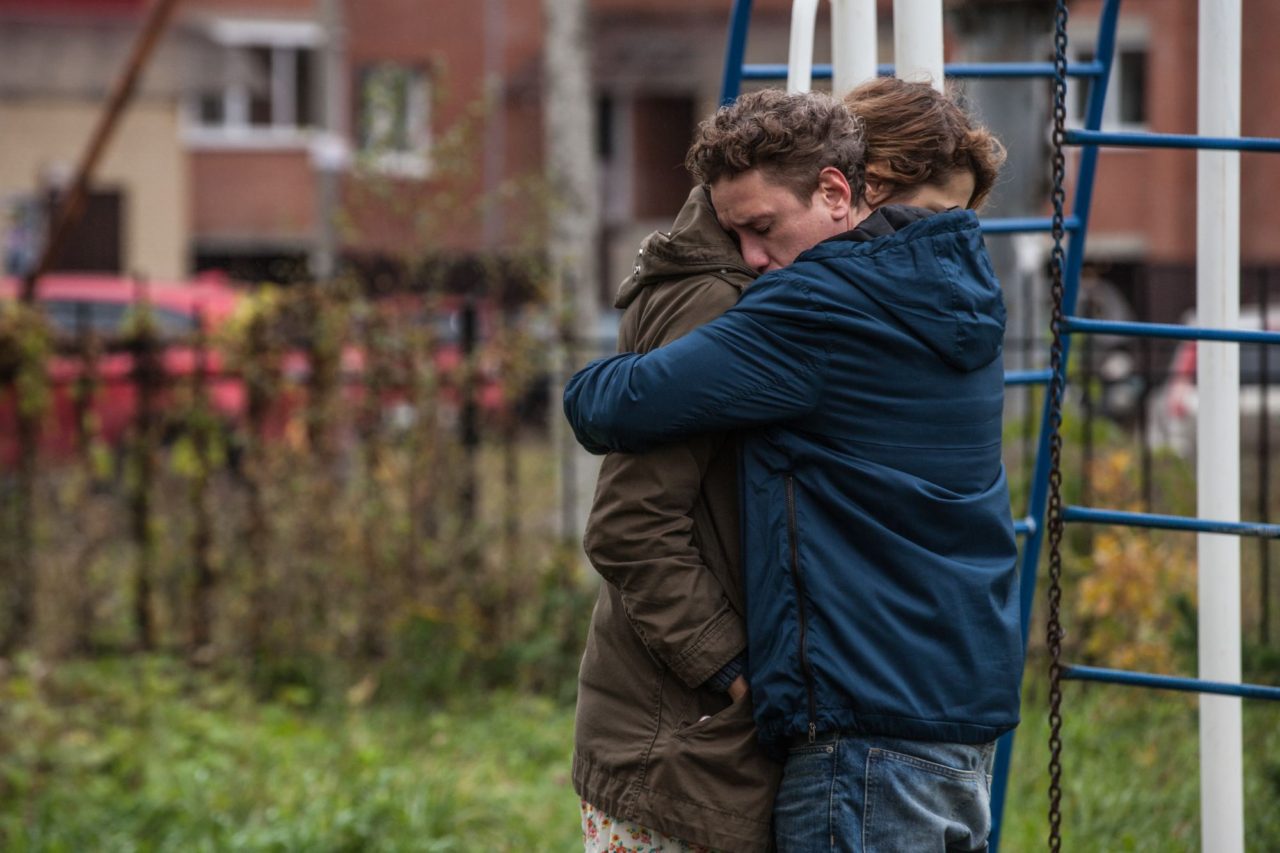 Frame from the movie "Arrhythmia" Photo: Mars Media Enterhem
- Well, you did not critically disassemble anything else. And then - he became .
- I had no task to scold the “arrhythmia”. After the publication, I met with the director of the film, Borea Khlebnikov. We discussed my article. He said that he understands claims. But this did not affect our good relations. In addition, I can’t say that “arrhythmia” is not interesting to me: I am very glad of the successes of this film, including commercial. Just personally, he, as a spectator, did not touch me. It happens.
- Do you agree with the fact that the audience’s choice between “dislike” and “arrhythmia” is equal to the human, civic choice of a model of behavior in the current conditions?
- No. The perception of films by viewers is almost in no way connected with their civil activism or, conversely, passivity. The results of this perception can generally be quite unexpected. Therefore, I really love the public shows that we conduct with Caro-Art: we show the film, and after that we discuss it with the hall. Sometimes such interesting questions and doubts sound from the audience, such curious interpretations. Some seem incredibly stupid to me, others are incredibly deep. But it is important to know that the audience is always thinner and smarter than we think of it. And I doubt that people are so straightforwardly perceiving what they saw - as a call to act.
- And it seems to me that after decades, in order to understand how we lived in the second decade of the 21st century, it will be enough to watch these three films - “Arrhythmia”, “Testamus” and “Dislike”.
- Agree. They are emblem. Anyway, I must admit, 2017 was terribly interesting for Russian cinema. And I am very pleased that my book about Russian cinema has published this year. This, of course, is a coincidence. But we know: there are no random coincidences.
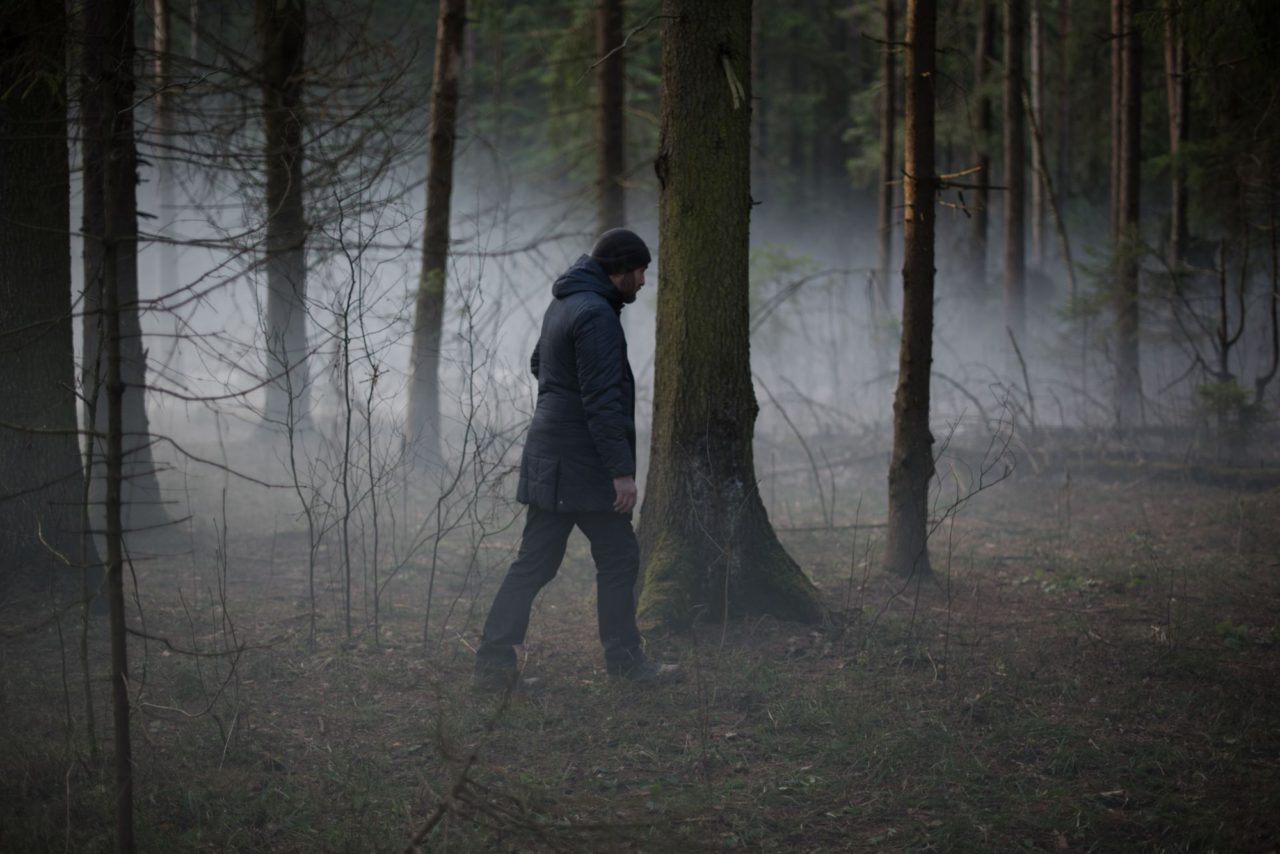 Frame from the movie " Dislike" Photo: WDSSPR
“ But still, how is your laudatory review of“ dislike ”, very warm for“ cramped ”and, let’s say, critical on“ Arrhythmia ”played a role in the rolling fate of the paintings ?
-In the three films you listed, there is something very complex and absolutely antidogmatic, which made them a viral phenomenon. Fabric critics can only catch it and write about it, but they cannot create a viral phenomenon: only comprehend it. It is impossible to write in the best expressions about the film that you liked, to make it popular. This critic can never.
I scold films very rarely. I have my own ethical code that I have developed, having agreed with myself. By the way, I don’t know, I became good because I felt responsibility for popularity, or became popular because pathologically kind for critic. Here causal relationships are lost. I can say one thing: I categorically do not want to be a shepherd and the ruler of minds. One of the reasons why I am so actively and daily leading my Facebook, entering into a dialogue with everyone, without fear of conflicts, talking with hammers and trolls, is that I do not want to play the elite. The number of subscribers - mine or the interlocutor is important to me. The arguments are important. For the same reasons, I like to use public transport, walk the streets, talk with people who do not belong to a privileged area, and try to find a common language with them.
The eater of culture
— Но ведь это разные вещи. Пользоваться общественным транспортом — это одно. А вести активную жизнь в фейсбуке, отвечать каждому, со всеми разговаривать и спорить — значит как раз повышать собственную популярность. На разговоры и споры приходят люди, к ним подтягиваются другие, в конце концов, все уже говорят между собой — чистой воды кликбейтерство. Правильно ли я понимаю, что с помощью личной популярности ты популяризируешь то, что самому тебе дорого ?
— Это одна из задач. Я многозадачный человек и стараюсь быть сложным человеком — в том смысле, в каком Даниил Борисович Дондурей, один из моих учителей, часто и подробно о «сложном» человеке говорил. Вот я, например, музыку очень люблю, не живу без нее, но вкусы у меня эклектичные. За последние пару месяцев навскидку побывал на концерте своего любимейшего украинского композитора Сильвестрова, балете на музыку Баха, оперной постановке Генделя, концерте музыки Монтеверди, потом на концерте Оксимирона, выступлении Бенджамина Клементина, балете на музыку Прокофьева, балете «Нуреев», где музыка современного композитора Демуцкого, и еще на концертном исполнении произведений Николая Рославца — великолепного русского авангардиста, раздавленного сталинской машиной в 30-е годы. По мне, это совершенно нормально. Так же нормально, как за обедом съесть сначала кусок сыра, потом суп, потом жареную утку, а после — что-то сладкое. Разве этим кого-то удивишь? Постепенно пищеварение справляется с любым разнообразием. Точно так же мое мозговое пищеварение с этим справляется.
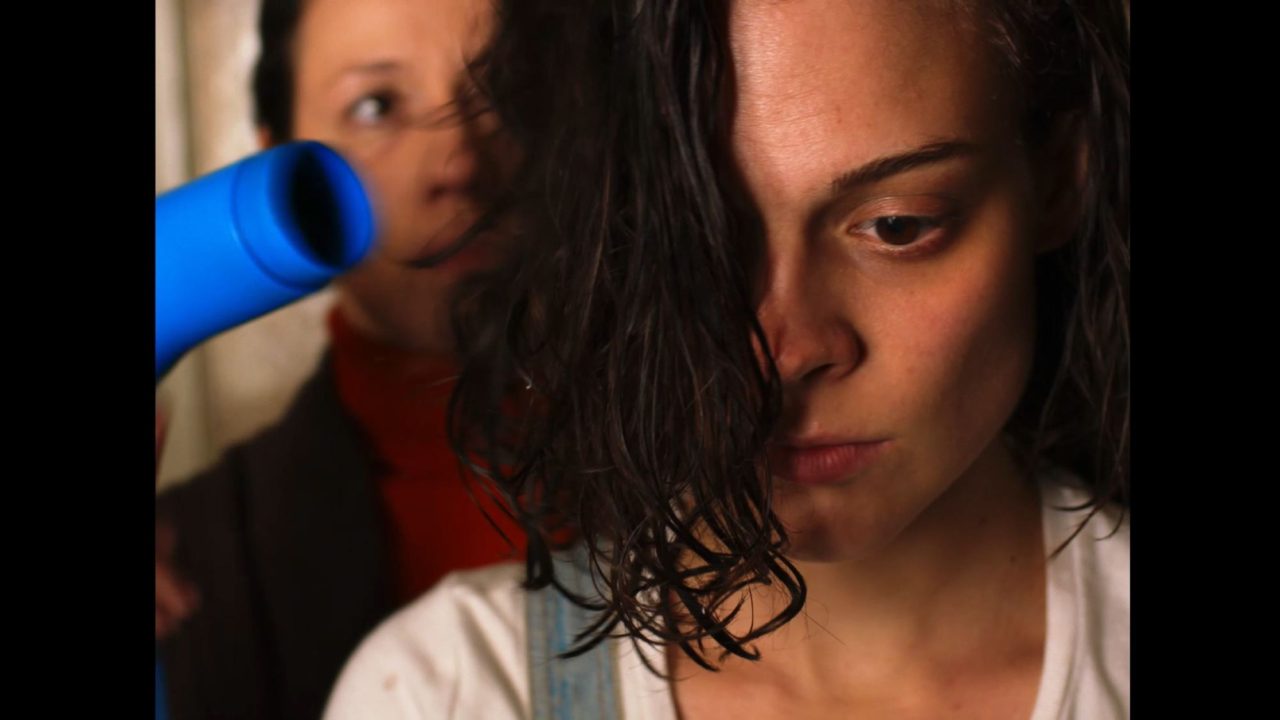 Кадр из фильма «Теснота» Фото: www.festival-cannes.com
— Меня поражает скорее не разнообразие вкуса, но количество.
— Мне — нормально. Мне повезло, я быстро работаю. И поэтому работаю много. Не трачу время на поиск мыслей для статьи, не страдаю перед пустым экраном в поисках нужных слов. Крайне редко трачу время на мысли о чем-то высоком и недостижимом, особо не мучаюсь самоугрызениями. У меня не бывает, чтобы я спал в сутки лишний час или больше часа. С другой стороны, времени на приятные беседы с друзьями тоже не хватает — это мрак, конечно. В моей повседневной жизни три основных составляющих: потребление культуры, моя работа и семья. Это полный список.
«Я никогда не пробовал наркотиков, даже марихуаны, не играл в казино и не хотел бы»Много знакомых, друзей и членов семьи порой звонят мне с вопросом: «Ты сейчас свободен?» И когда я говорю, что свободен, их удивляет, что я имею в виду совершенно конкретный ближайший час. Но больше чем на час фраза «сейчас я свободен» для меня не имеет смысла. У меня не бывает такого, свободного от всего дня в жизни. Never. Возможно, это патология. Но моя жизнь устроена как игра «Тетрис»: в ней нет пустот. Все прилегает ко всему. А мой мозг — это печь, в которую постоянно надо бросать топливо.
— Мозг мозгом, но эмоционально я бы, например, не выдержала .
— Я привык. Скорее, для меня лишен смысла вопрос о том, как можно утром прочитать книгу Кадзуо Исигуро, днем пойти на фильм «Лига справедливости», а вечером — на концерт Сильвестрова. К моменту очередного приема пищи предыдущая порция переработана. И мы снова голодны.
— Мне кажется значительным упрощением сравнивать сильные эмоциональные переживания, которые вызывает искусство, с пищевым опытом. В эмоциональном плане иногда хватает одного мощного впечатления на месяц, а может, и на год .
- Maybe. But not for me. Может быть, дело в том, что во всех остальных областях у меня невероятно скучная жизнь. Я никогда не пробовал наркотиков, даже марихуаны, не играл в казино и не хотел бы. Не курю и никогда не пробовал. Я человек, который только однажды в жизни выпил больше, чем надо, и почувствовал себя пьяным. С тех пор — ни разу. Люблю выпить, но только до тех пор, пока мой мозг функционирует. И так во всех областях, включая самые интимные.
— То есть главный орган в твоей жизни — это мозг ?
— Однозначно, важнее органа нет.
— Это результат какого-то особенного воспитания ?
- Don't think. Это рационально принятое решение. Так называемые вредные привычки отнимают очень много времени. А поскольку у меня их нет, то время экономится. При этом мнение обо мне как об эдаком отличнике, для которого главное — быть первым или лучшим, стопроцентно ошибочное. Мои школьные и университетские учителя, которые, к счастью, живы, могут подтвердить, что я был троечником и прогуливал уроки. Я бы и сейчас их прогуливал: не видел никакого смысла ни в алгебре, ни в химии. Мне было абсолютно наплевать на плохие оценки, главное — как-то перевестись в следующий класс, чтобы не выперли из школы, которая мне нравилась и в которой у меня были друзья, а это — важнее оценок. Но с уроков я сбегал в одиночку, а не с друзьями. И бежал в книжный магазин или на выставку или сидел в парке и книжку читал. Три часа вместо уроков. И это никак не было связано ни с социальным преуспеванием, ни с чьей-либо оценкой. Успех, который я имею в каких-то областях, для меня до сих пор шокирующий факт. Мне он, пожалуй, льстит, но я не знаю, как им пользоваться. Участвовать в корпоративах за большие деньги считаю безнравственным, от вида юных поклонниц впадаю в ступор. Я же реально, к своему ужасу, стал героем для школьников после участия в передаче «Вечерний Ургант».
— Никто тебя в этот «Вечерний Ургант» насильно не тащил .
— Да, «Ургант» сложился исторически, в отличие от всех других телеэфиров. Но ни одного своего выпуска в записи не смотрел.
Уроки свободы
— Но так или иначе выходит, что все люди с фамилией Долин(-а) имеют творческие профессии. Вы конкурируете между собой? Вас всех каким-то специальным образом воспитывали, чтобы вы занимались только культурой и искусством ?
— Нас воспитывали очень по-разному. Я старший сын, меня вообще воспитывали бабушка с дедушкой. Мама тогда в свои двадцать гастролировала по всему Союзу с концертами. И я все это считал нормальным. У меня было счастливое детство. Мой брат Олег родился, когда папа и мама получили свою первую однокомнатную квартиру, он рос уже с родителями, а когда родилась сестра Ася, мы переехали в трехкомнатную квартиру и жили уже все вместе. Однокомнатная квартира, где все ютятся, и трехкомнатная, где у каждого более-менее есть свой угол, это разная жизнь, разное воспитание. Есть свое пространство или нет своего пространства — большая разница. Главное, что я получил в процессе воспитания, это братские отношения с мамой, с которой, начиная с моих 12-13, а ей тогда было 32-33, мы вместе, синхронно читали одни и те же книги, смотрели одни и те же фильмы. У нас, впрочем, была полнейшая демократия и свобода выбора в вопросах о том, что читать, что смотреть, как жить. В итоге с братом и сестрой у нас довольно разные, мало в чем совпадающие вкусы. Но есть какие-то незыблемые, взявшиеся, наверное, именно из семьи штуки типа культа свободы, уроки которой каждый из нас получил и усвоил, разумеется, по-разному. Лично для меня свобода и в политическом смысле, и в художественном — главная ценность из существующих. Важнее ничего нет.
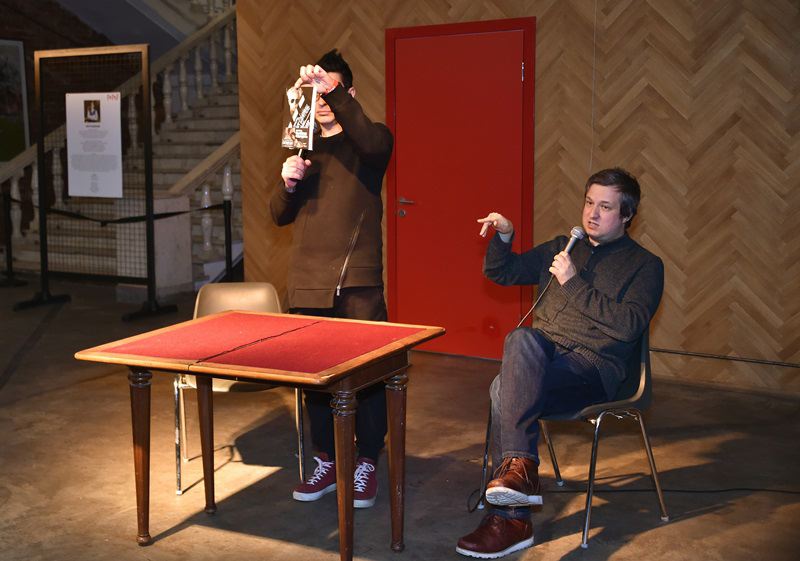 Премьера фильма Джима Джармуша «Патерсон» в рамках программы «Гоголь-Кино» в театре «Гоголь-центр» Фото: Ирина Бужор/Коммерсантъ
— Как свободный человек, ты умудряешься совмещать работу на Первом канале, в системе ВГТРК, в «Медузе». На обложке твоего фейсбука — фотография Сенцова, а внутри вполне может быть чек-ин на Санкт-Петербургском культурном форуме. Тебя в этом наборе ничего не раздражает ?
— Меня раздражает только постоянно увеличивающееся количество людей, у которых это вызывает идиосинкразию и которым хочется указать мне на мое место.
«Я человек либеральных взглядов. Мне не нравится сегодняшняя власть в стране»— Это нормально: людям хочется понять, по какую ты, в конце концов, сторону баррикад .
— Сторона баррикад была выбрана мною давно и совершенно определенно: я человек либеральных взглядов. Мне не нравится сегодняшняя власть в стране. Мне не нравится, как обстоят дела с культурой. Мне не нравится, как обстоит дело с политикой. Мне не нравится, что у нас нет настоящих, честных выборов. Мне не нравится теперешний президент России. Я говорю это абсолютно открыто. Стало быть, об этой моей позиции знают и на Первом канале, и на «Маяке», и в «Вестях», где я работаю, и в «Медузе». При этом убежден, что до тех пор, пока наша страна не превратилась в ГУЛАГ (надеюсь, она никогда в него не превратится), можно и нужно заявлять о своих взглядах прямо и открыто. This is the first. Second. До тех пор пока никто меня не цензурирует, я не вижу проблем в том, чтобы работать в любых государственных СМИ и выступать на любых государственных форумах.
— А тебя не цензурируют?
- No. Если не считать формой цензуры то, что я там рассказываю про кино, а не толкаю политические речевки. Но, на секундочку, я не политический обозреватель, а кинокритик. И прошу всех помнить, что это моя основная работа. У меня есть свои политические взгляды, но это не значит, что я посвящаю свою жизнь их пропаганде или проведению в жизнь. Поэтому и сторона баррикад в политическом или в эстетическом смысле мной выбрана совершенно определенно, очень давно, никогда не менялась: я еще в 1999 году не хотел, чтобы глава ФСБ становился президентом России. С тех пор мое мнение не поменялось. Я остаюсь при своих взглядах. И не очень понимаю, на основании чего происходит логический скачок и общественность переходит к осуждению журналиста, который сам стоит за свободу и либерализм, но работает, например, на Первом канале.
— Общественность полагает, что такой журналист автоматически становится пропагандистом .
— Но это не так! Если стал пропагандистом — да, тут есть что осудить. Но что, если не стал? За факт принадлежности к Первому каналу осуждать нельзя. Первый канал — это площадка. Радио «Маяк» — площадка. Петербургский форум — площадка. Ты приходишь на площадку и обращаешься к тем, на кого ты работаешь. Я не работаю на государство или на врагов государства. Я работаю на аудиторию. Я работаю на нее там, где могу.
— Ты сейчас оправдываешься .
- No. Когда я прихожу и записываю свою рубрику на Первом канале, когда делаю свою работу на ВГТРК, я приношу больше пользы, чем принес бы, хлопнув дверью и сказав: «Я с вами сотрудничать не буду». Всей системы я бы своим уходом не подкосил, это был бы просто очередной демонстративный уход. Вот я и остаюсь там, где я есть. И если на Первом канале, допустим, во всех передачах врут (что, кстати, совершенно не так), то смотря те отдельные программы, в которых я участвую и где точно не врут, зритель может научиться выключать телевизор в правильном месте, а потом снова включать. И таким образом не получать ни капли пропаганды. В итоге Первый окажется обычным развлекательным каналом, каких полно в мире.
Привлекать лицом
— С этого года ты возглавил один из двух главных в стране киножурналов, «Искусство кино». Теперь это тоже твоя площадка для разговора с самой широкой аудиторией? У тебя хватит сил, слов и времени еще и на это ?
— Времени у меня не хватает уже много лет. This is the main problem. But what to do? Справляюсь каким-то образом. Проблема в том, что в «Искусство кино» меня позвали не только потому, что я давний автор, друг журнала и человек, которому этот журнал не безразличен. Но и потому, что я — популярное лицо. А журнал — в кризисе. Моя популярность, мое присутствие в других СМИ и на прочих площадках помогает журналу привлечь к себе внимание, найти новых читателей, найти людей, которые будут помогать, в том числе и финансово. Именно поэтому, возглавив «Искусство кино», я должен везде остаться. Стоит мне откуда-то уволиться, как половина смысла моего присутствия в журнале исчезнет. При этом я все-таки занимаюсь в «Искусстве кино» всем тем, чем принято заниматься главреду. Я не просто витрина.
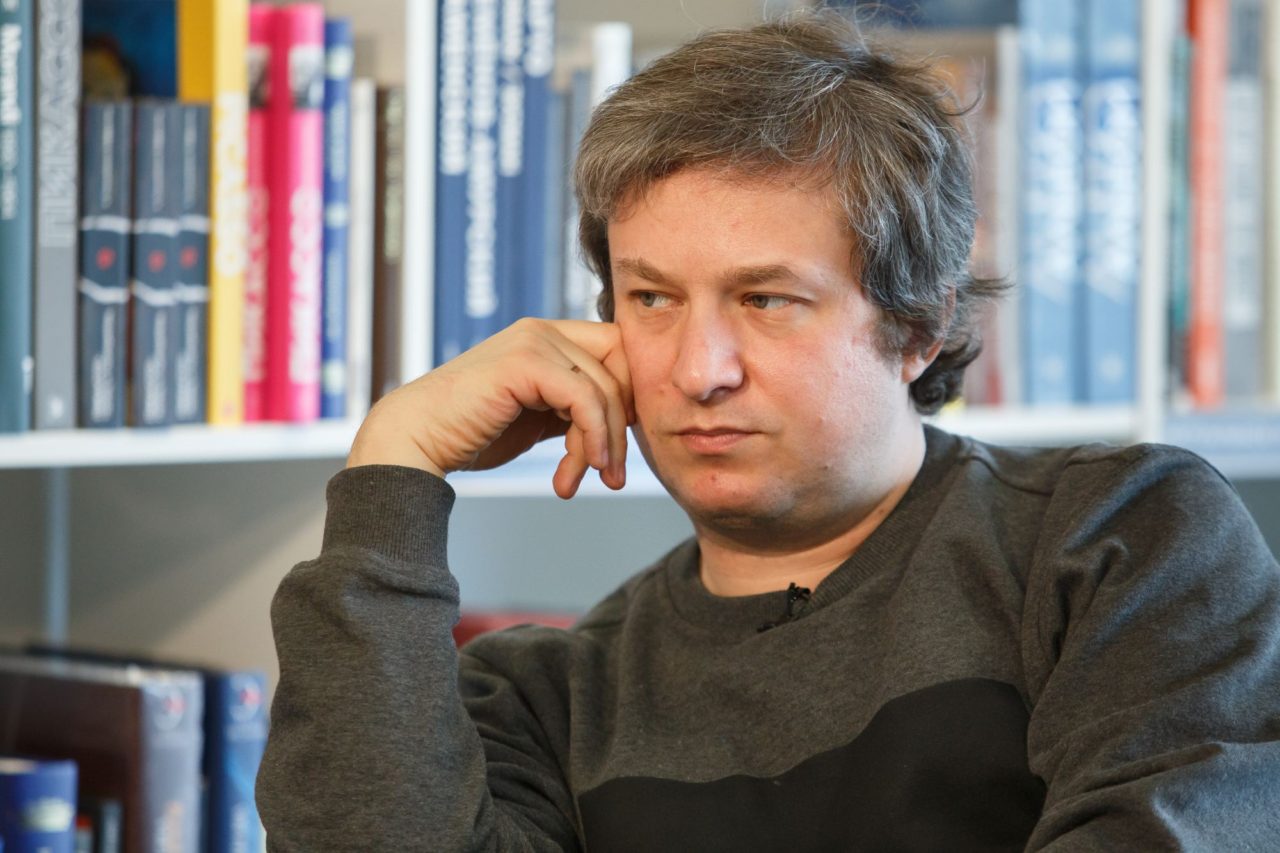 Антон Долин, кинокритик Фото: URA.RU/ТАСС
И да, я, конечно, собираюсь делать «Искусство кино» популярным. У нас впервые за черт знает сколько лет последние три номера расхватывали как горячие пирожки. Такого давно не бывало. Все мероприятия, которые мы организовали уже в рамках обновленного «Искусства кино», например, синематека, которую мы придумали, — проходят с аншлагами. И у нас для широкой аудитории много всяких планов: сценарные конкурсы, новая медиаплатформа, свой фестиваль и, наконец, своя кинопремия.
— То есть шоу-бизнес .
- Not really. Это не шоу-бизнес. Скорее, глобальный образовательный проект: решив популяризироваться, сам журнал более популистским не станет. Но, как и всегда, я буду стоять за внятность изложения. Я убежден: можно быть сложным и понятным. Есть стилистические идеалы, к которым можно стремиться: Эко, Гаспаров, Лотман — большие ученые и мыслители, умевшие говорить на понятном языке. Думаю, они прекрасно понимали, что, обращаясь к широкой аудитории, следует слегка корректировать свой язык, чтобы быть понятным. Но корректировать не значит цензурировать! Компромисс необходим только в той части, которая касается способа изложения. Сама же мысль будет оставаться глубокой и сложной.
— Ты оглядываешься на то, что бы по поводу всех твоих нововведений сказал Даниил Дондурей ?
— Я стараюсь не оглядываться вообще. Но мне очень приятно, что вдова Даниила Борисовича, Зара Абдуллаева, — мой заместитель. Она мой товарищ и коллега много лет. А их дочь Тамара постоянно мне говорит, как ей нравится то, что я делаю. С Даниилом Борисовичем мы часто обсуждали, что можно было бы сделать с журналом. Мне кажется, то, что я делаю, не противоречит его идеям и его видению будущего журнала. Наверное, у нас по поводу всего того, что уже происходит и что задумано, мог бы состояться большой, обстоятельный и долгий — как прежде — разговор. Alas, this is impossible. Что ж, постараюсь справиться сам.
Do you want us to send the best texts of “such cases” to you by e -mail? Subscribe to our weekly newsletter!
movie