
Translated material
Oil will not help. By the end of the quarter, the ruble may become cheaper again
Oil prices are kept at $ 70. But the ruble will be crushed by record purchases of currency by the Ministry of Finance and the fear of American sanctions
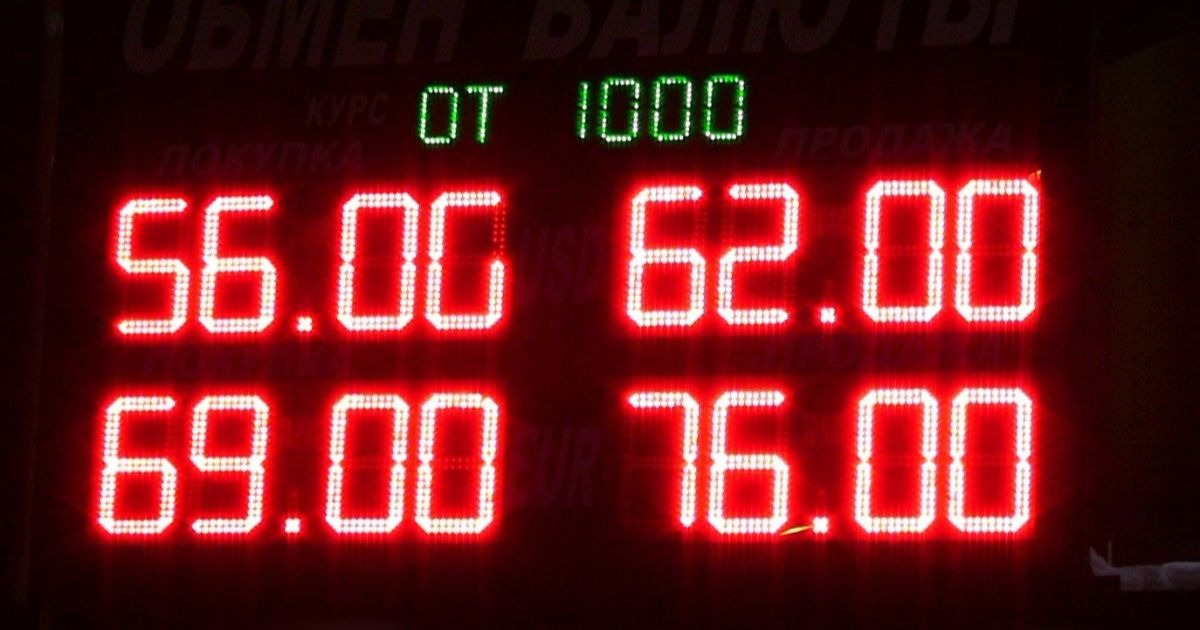
Photo: AGN "Moscow"
Record from the end of 2014, oil prices are not a guarantee of further strengthening of the ruble, which today has strengthened to 56.4/$. By the end of March, the Russian currency can weaken by 4%, suggest in Nordea and UBS. The reason is the purchase by the Ministry of Finance of the currency to replenish the National Welfare Fund and possible US sanctions.
- The possible fall of the ruble of investment battles is primarily associated with the budget rule of the Ministry of Finance, which involves the purchase of currency for excess oil revenues at prices above $ 40 per barrel.
In January, the department will purchase currency for a record 257 billion rubles. In general, in 2018, the Ministry of Finance wants to spend 2 trillion rubles on currency in order to replenish the national welfare fund - after the exhaustion of the reserve fund, it became the only source of replenishment of the budget deficit.
The ruble can also negatively affect the future US sanctions and the fall of the attractiveness of the Carrie Trade scheme-if the Russian Central Bank and the American Fed do not change their policy, the scheme may cease to benefit investors this year, and this will raise the departure from the Russian market of speculators.
- The same risk factors for the ruble are called by Sberbank CIB analysts - they believe that the ruble will reach a point of 56 rubles./$, And this "will become an attractive moment for purchasing US currency."
At the same time, Bloomberg warns that the growth of oil prices may soon stop-this is evidenced by the rates of hedge funds for the growth of oil that have reached a historical maximum.
Since mid -November, the ruble has strengthened by almost 6% - from 60 to 56.4 rubles./$. The price of oil is now $ 70 per barrel, and the Russian federal budget for the next three years has been formed at $ 43.8 per barrel.
What am I to me?
If the forecast comes true, it may turn out that the current 56 rubles/$ is a maximum for the Russian currency in the near future. However, the final clarity will appear only in late January and early February, when it becomes clear how hard American sanctions will be.
MONEY
Who will increase taxes
In the morning, we learned that the government thought about increasing personal income tax in order to finance investments in human capital according to the plan of Alexei Kudrin - and in the evening it became known who this would affect. According to RBC, the tax rate may be increased for citizens with a salary of 7-10 million rubles per year. It is not clear to the end whether the sources of the publication were in mind the salary or the total annual income, but so far it can be assumed that the increase will affect no more than 0.4% of working Russians.
Alexey Ananyev again in Russia
The co -owner of Promsvyazbank Alexei Ananiev returned to Russia to conduct a deal to sell the Renaissance bank. Alexey Ananyev and his brother Dmitry left the country immediately after the announcement of the sanitation of Promsvyazbank in December last year. After that, the Central Bank said that he was preparing an appeal to law enforcement agencies about suspicious transactions at the bank on the eve of the reorganization, and Dmitry Ananiev spoke with unprecedented criticism of the regulator himself.
Sanctions turbines 2.0
The Finnish Wartsila, due to the sanctions of the European Union, refused to supply generators for the vessel under construction in the Crimea. The company explained that they were ready to continue to cooperate with Russia, but only within the framework of legislation. In the summer, a big scandal happened in a similar situation - it turned out that the Russian Technopromesport set four turbines bought in March 2015 from Siemens for use on the Taman Peninsula, for construction in the “forbidden” Crimea - supposedly without the knowledge of a German company. As a result, Siemens (so far unsuccessfully) is trying to return turbines through the court and announced the refusal to work with Russian state -owned companies, with whom, according to The Bell, only in recent years he concluded agreements for 10 billion rubles. You can read in detail about the whole story here .
PRACTICE
The digital future from the government
If you were afraid that soon a robot would replace you, then not in vain - for this there are not only market prerequisites, but also the state program “Digital Economy”. By 2020, it implies massive automation of production, including medical ones. By the end of this year, blockchain is supposed to be introduced into the regulation of intellectual property, and after a couple of years, security forces and banks will use powerful quantum computers. What else in the near future will bring us the hobby of the state (and personally Vladimir Putin) in the Gallery of Vedomosti.
What startups will fly in 2018
In 2018, companies in Fintech, Health and Education, AI, AR and Big Data will be the most popular among venture funds, showed an Inc. survey conducted by Inc. The most promising in Russia are startups that can earn the digitalization of raw materials and infrastructure companies.
Fun
Tips from the lord of the locust
Since last year, Japanese investors are almost more often than a local Central Bank website, Oksanman’s anonymous twitter account is opened-it gives traders important information, including the most important solutions of the regulator, before it will appear in the official news and even news agencies. Those who are hiding behind the nickname Oksanman and the nickname "Lord of the locust" are not known to anyone - but Twitter with 146 thousand subscribers already affects the market no less influential business publications.
Peter Mironenko, The Bell