
Translated material
Vaccination from the dictatorship
In Lithuania, the largest museum of Soviet sculptures in the open air operates outside Russia
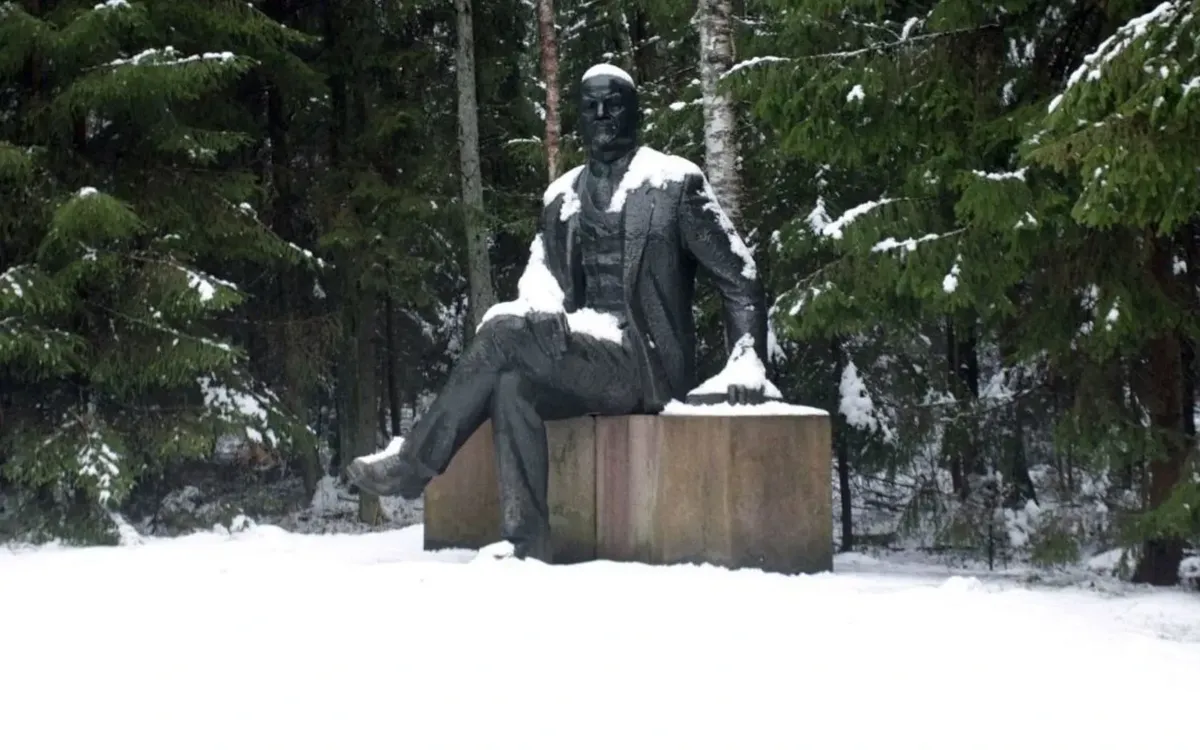
The deputies of the Sejm of Lithuania before the onset of summer plan to consider the Law “On Decommunization”, which suggests, in particular, the dismantling of monuments related to Soviet ideology. There are already few of them on the streets of Lithuanian cities - mostly memorials to soldiers of the Second World War or busts of cultural figures. But in Lithuania there is a whole museum of Soviet sculptures collected in one place in the open air. If the law is adopted, some of the dismantled monuments will probably move here.
Where to send the Lenins
Mostly, for the sake of water procedures, this is one of the most famous resort cities in Lithuania in Lithuania. In 2001, another attraction appeared here - the Museum of Soviet Sculptures in the Khuto private park, the largest such kind of open -air museum outside Russia, on an area of twenty hectares.
In the 90s, after the restoration of Lithuania’s independence, a large-scale eradication of Soviet ideology began. First of all, they dealt with the monuments: numerous bronze Lenins, Stalin, as well as their own, Lithuanian, communist leaders dismantled. No one really knew what to do with them, to allocate additional funds from the budget for the restoration and storage of monuments that glorify what the Lithuanians themselves perceive as occupation, no one planned. Some monuments found themselves in small private collections, but for the most part they simply lying around where-in warehouses, in the yards, in art workshops.
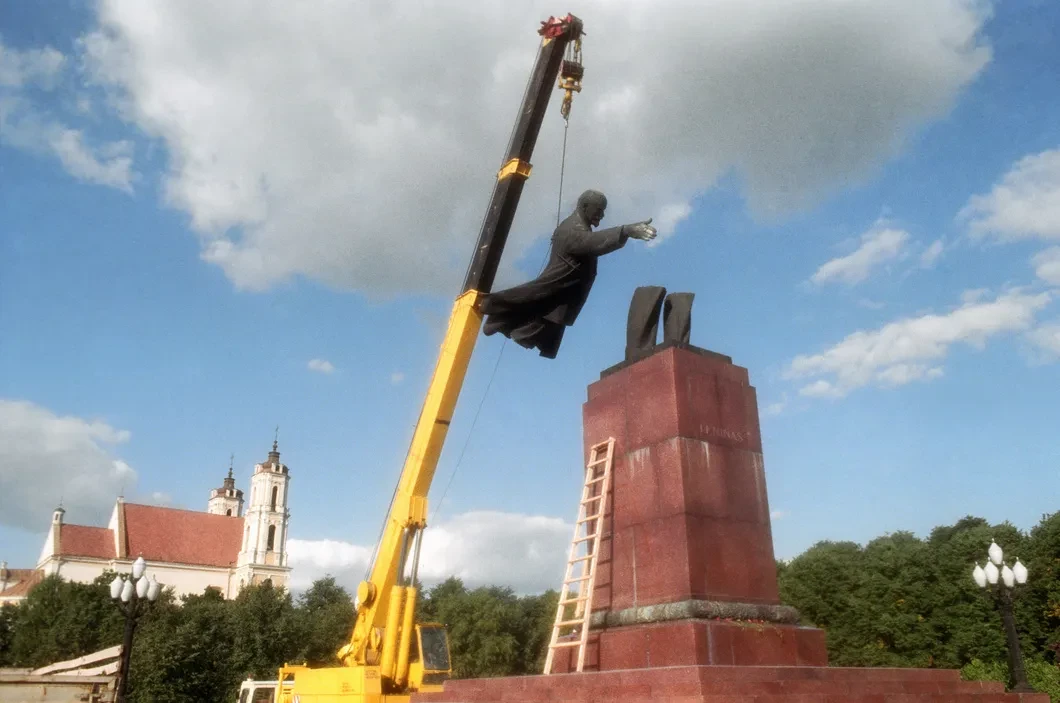
The Lithuanian entrepreneur Vilyumam Malinauskas decided to collect them all in one place.
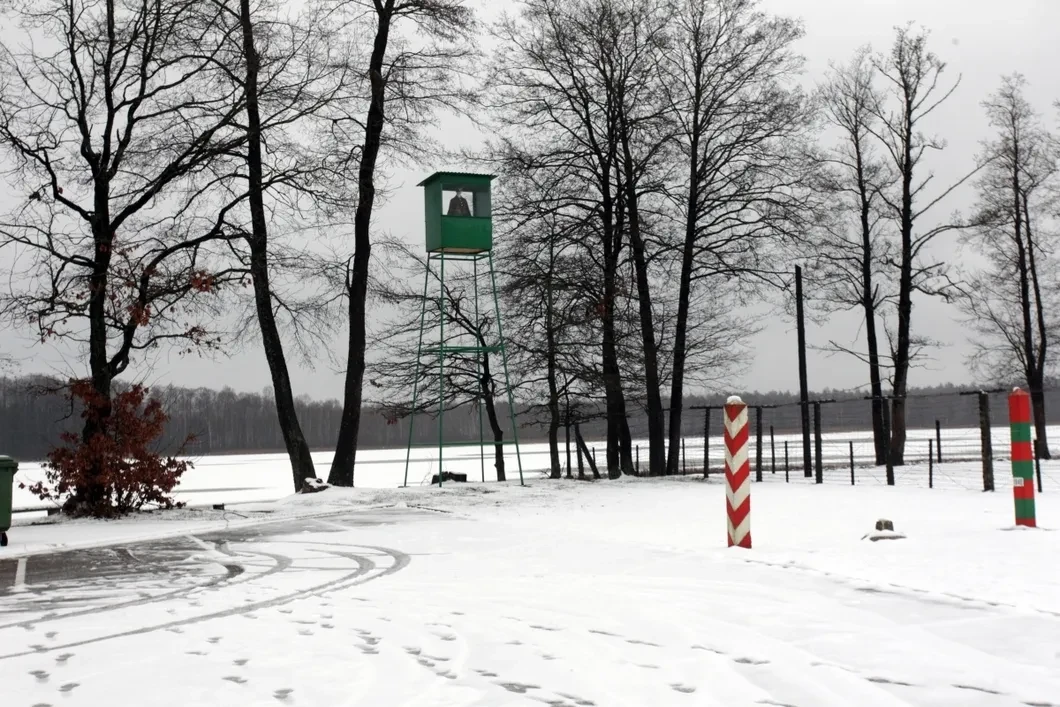
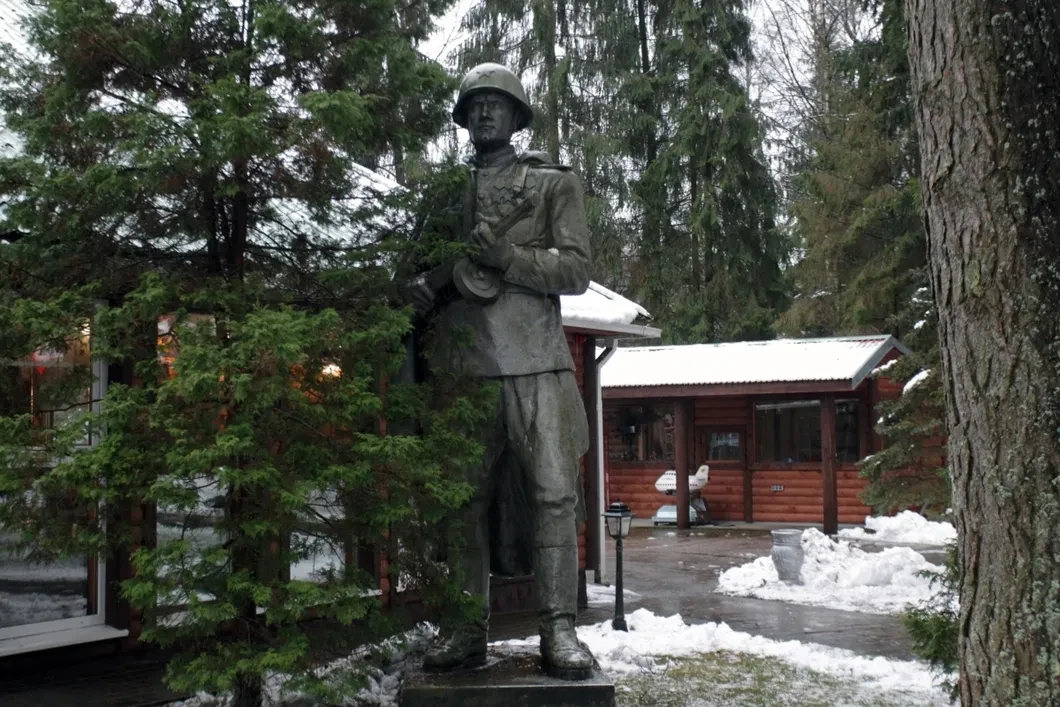
At the entrance to the park from afar, you can see an observation tower of ten meters in height: a soldier’s doll in the military uniform of Soviet cut guards the entrance to the park. Now there is no one to protect particular: the Park Directorate says that annual cross -country ability is more than 100 thousand tourists, but this is in the spring and summer, and in the winter it is empty, deserted and silent. Previously, there were swamps and forests - swamps were drained, and thick needles remained a gloomy decoration for monuments.
At the main entrance to the park, a little away from the main alley, a large house is built: the first two floors occupy office premises, and upstairs - living space. Vilyumas Malinauskas lives here in the park. Until recently, he was the director of the administration, but now he transferred this post to his daughter - he says, tired, let them understand themselves now. Malinauskas built this house for his family back in 1995, and he wanted to equip two millennia under the Lithuanian history park-just by 2000. The idea to abandon the history of history and settle here exclusively Soviet monuments came by accident. “In 1996, I went to Vilnius, I was in various art workshops,” recalls Malinauskas. - And I saw these removed sculptures: they just lay there in the mud. I then thought immediately - why not collect them from all of Lithuania and make such a park? "
Negotiations began with the government - as Malinauskas says, "persuaded the little one." Probably, a large role was played by the fact that Malinauskas was ready to equip the park for its personal funds - income from business processing and selling mushrooms, berries and grape snails. Only about two million euros took only to drain the swamps and the initial ennolation of the territory, according to Malinauskas.
Only facts
Now the park is simultaneously both a time machine for nostalgies for the Soviet past, and a visual aid about the dangers of a totalitarian dictatorship. At least he thought so.
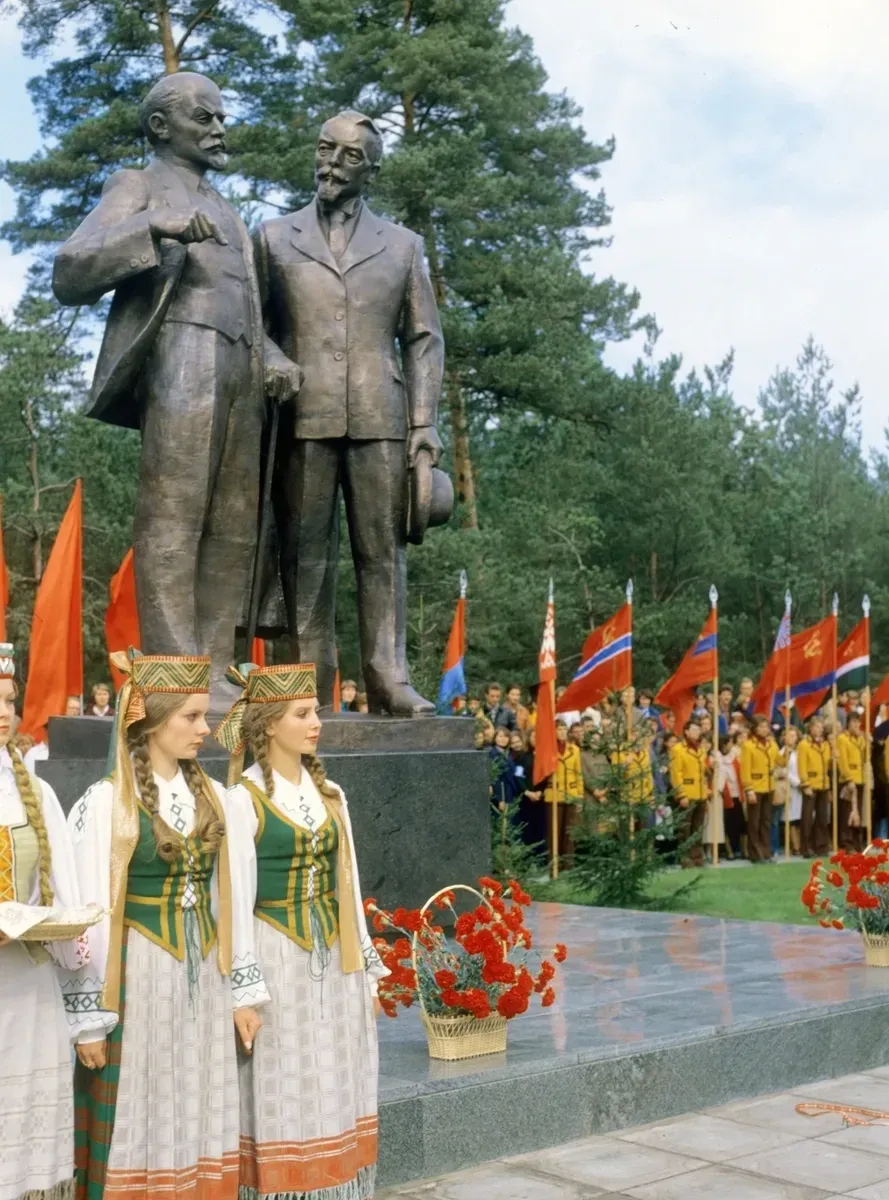
“You know, they told me: oh, flowers will be worn to you all the time,” recalls Vilyamas. - Nobody wears. Once my grandmother brought cloves, I came up, say: “Thank you for bringing them, I understand you, but we don’t have such a park.” She replies: "Sorry, I understood everything, but I will leave the flowers anyway, if you want, take it and throw it away."
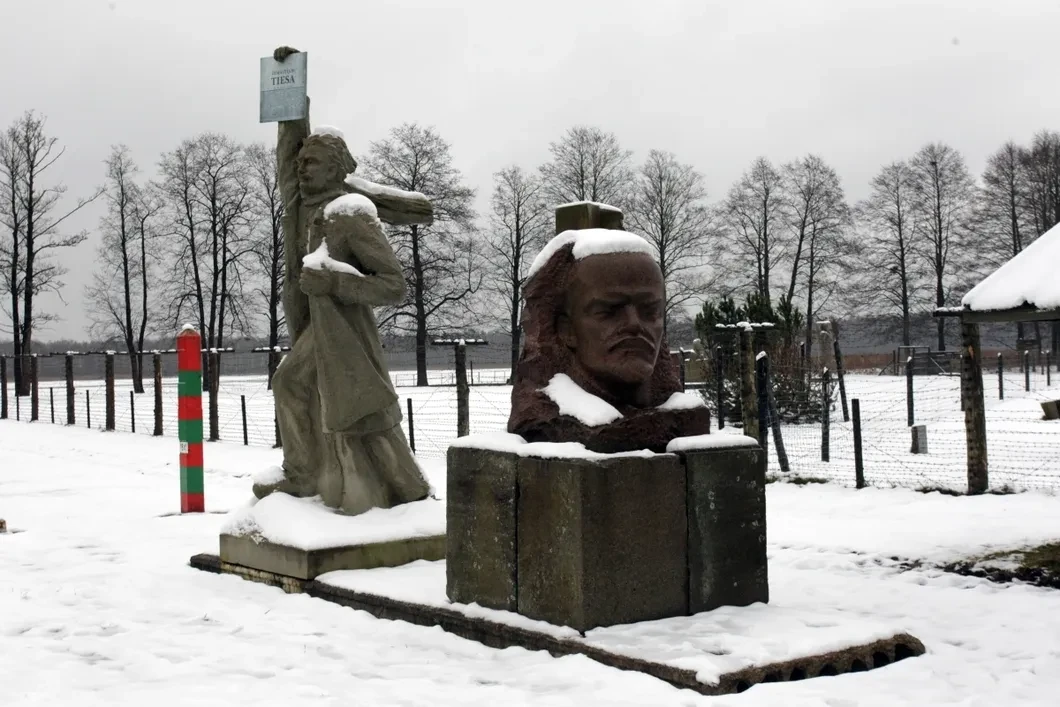
Near each monument there is a stand with a biographical certificate in three languages: Lithuanian, Russian and English. For example, “Zigmas Angaretis was born in a Upulupii. One of the organizers and heads of the anti -state organization - the Communist Party. <...> Being a citizen of the Soviet Union and a member of the Communist Party, he never recognized the independent Lithuanian state, he used his great influence on the Communist International in order to strengthen anti -state activities in Lithuania. ” "Jan Pshevalsky. Since 1924, he worked as a teacher in Vilnius and studied at the University of Vilnius ... In May 1943 he became a member of the underground Committee of the LKP (b) of Vilnius and soon the second secretary. In the spring of 1944, he was arrested and shot by the German occupation authorities. ”
Give maximum information with minimal interspersed of emotions is the approach of the park administration. All biographical facts are verified using the center of genocide and the resistance of the inhabitants of Lithuania, and the design is as neutral as possible. You can’t rewrite history, except that you can document.
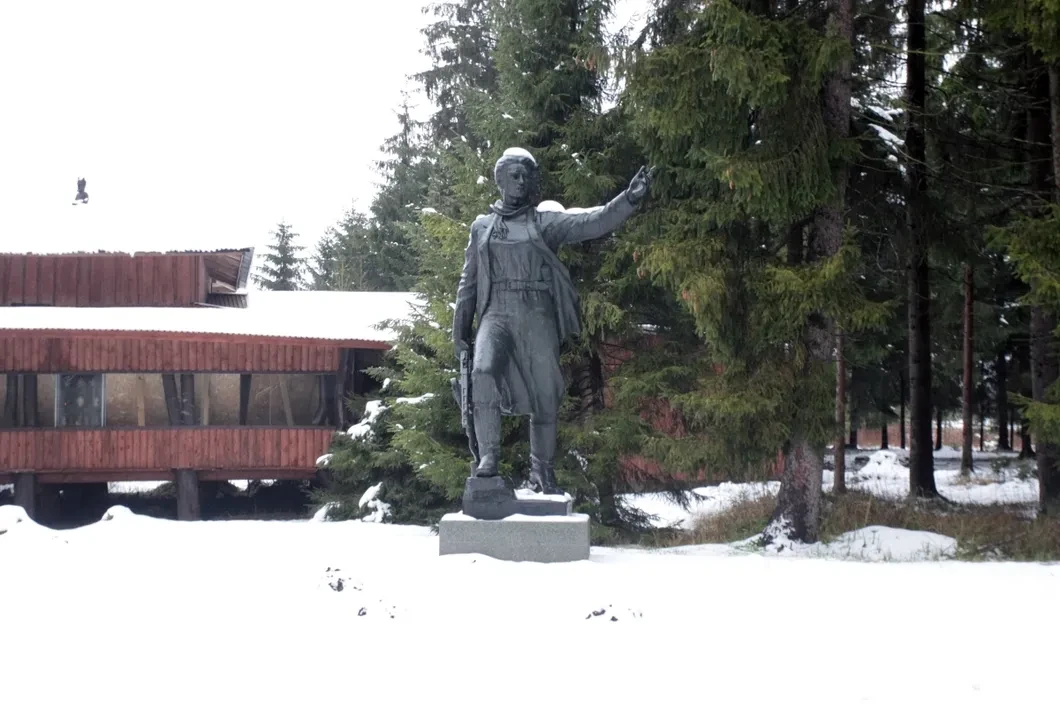
Malinauskas believes that this is careful documentation - and there is the necessary vaccination for the future, especially for those who, due to the age of the Soviet years, have not found. “I wanted, creating this park, to show people, especially young people, what any dictatorship can lead to,” he says. - What is easily forgotten is easily repeated. I wanted such a museum to be and constantly reminded people of those times so that they would not return. ”
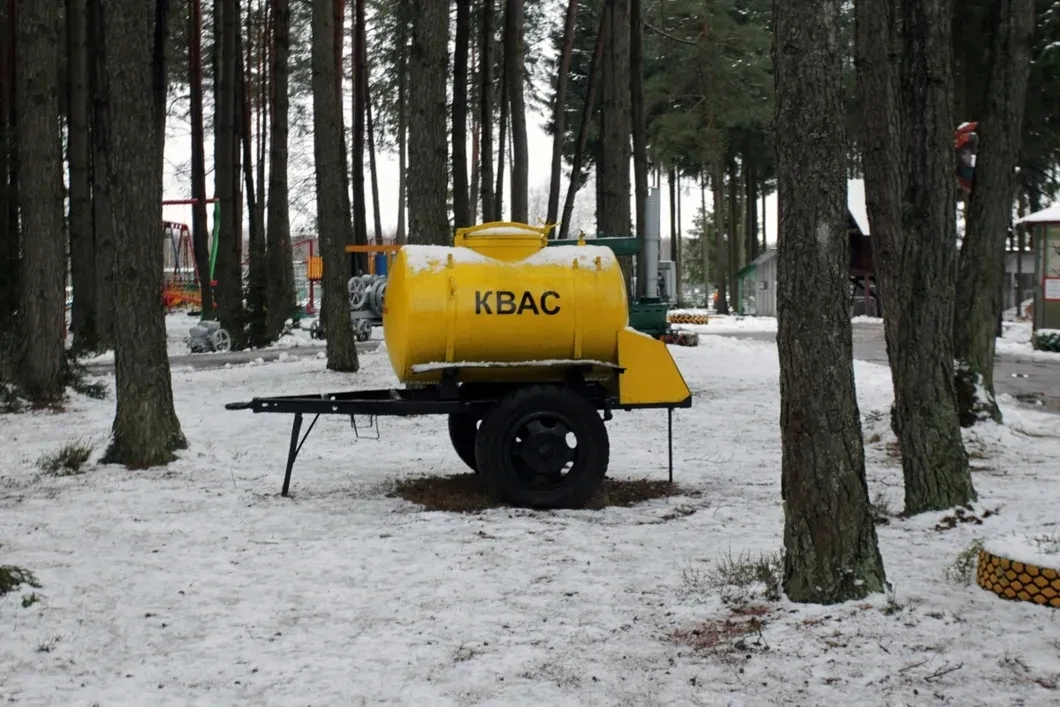
When the exposition was just starting to collect, there were 98 dismantled sculptures on the lists, but only 39 managed to find. Malinauskas continued the search-he found something in private collections, bought something from the thieves, brought something to him immediately after dismantling. Most of the Lenins, there are Dzerzhinsky, Stalin, Lithuanian communists, several common sculptural compositions-a massive group of soldiers soldiers, workers, collective farmers-only 112 works. In addition to the monuments, the general flavor of the Soviet past is complemented by different attributes, scattered around the park here and here: an old carriage from a diesel locomotive, a tractor, a can with a kvass.
Pioneer cafe
The family of Vilyumas Malinauskas himself also suffered during the years of the Soviet occupation. His father Bel was deported to Siberia - and spent 10 years there, his uncle - 12 and a half years old, another uncle - 15. “In Lithuania you will not find such a family whose members or friends would not have been in exile. Of the incomplete three million, more than a million Lithuanians were injured, ”says Malinauskas.
But his very neighborhood with the living heritage of this era does not annoy - "the same thing that birds fly." Speaking of birds - in Gruto there is also their own zoo so that the children, having bored, could have fun separately from their parents.
Another attraction of the park is a cafe where visitors are met by waiters in red pioneering ties. The menu, however, is quite Lithuanian, and the cafe itself causes associations rather with a strong Lithuanian farm than with the Soviet dining room. But for those who want to recall the past, there is a separate “nostalgic” menu with quite the same nostalgic prices: sausages with mustard for one and a half euros, jelly for 1 euros, cutlets with buckwheat “Goodbye youth” for 4 euros, Kilka “in Russian” with a glass of vodka for 5 euros. Everything is served in tin bowls - not too beautiful, but authentic.
However, not always and not all dismantled sculptures move to Groto Park. So, for example, the famous composition from the Green Bridge in the center of Vilnius - a student with a student, two soldiers, a peasant with a peasant and a miner with builders - was removed two years ago, but so far stored in self -government. The city authorities and the Department of Cultural Heritage cannot decide whether to give them to the art museum, or to put on public display in some other exposition, and recently there are even separate proposals to restore sculptures and return back to the bridge.
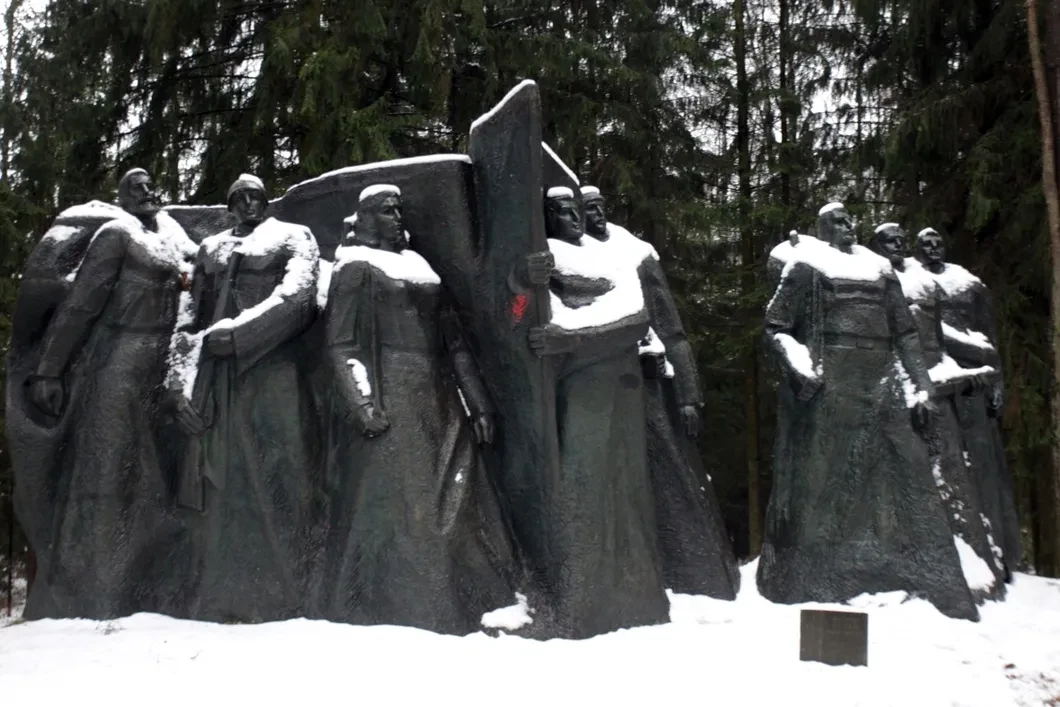
Malinauskas would be glad to see them at home, but does not count on it, because, as he says, in Vilnius it is believed that "raspberries are already enough."
“They do not understand that these sculptures have value only when collected in one place,” the entrepreneur is indignant. “If they put them in the villages one at a time, it will be like in Soviet times.”