
Translated material
For the first time in nine months, the dollar dropped below 56 rubles
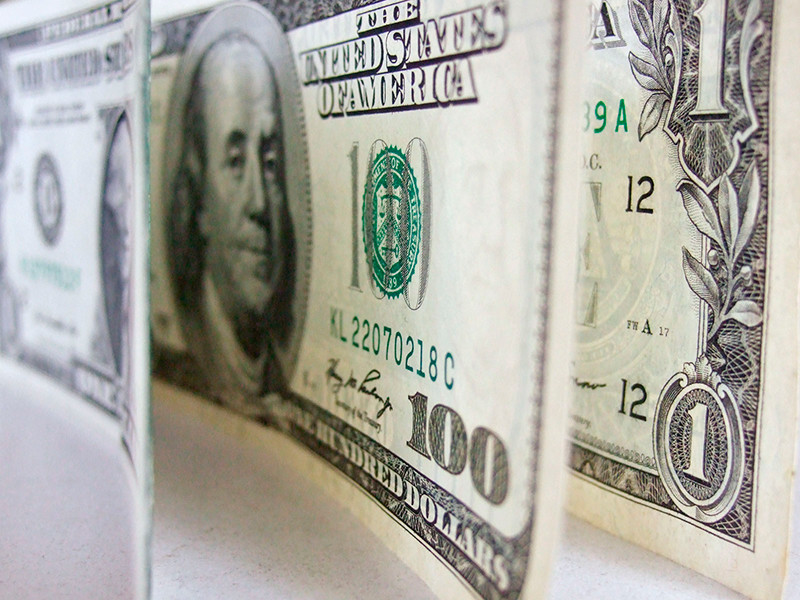
The US dollar exchange rate as of Half of Thursday, January 25, for the first time since April last year, fell below 56 rubles. He fell immediately by 46 kopecks - up to 55.92 rubles. At the same time, the euro sank only by 10.25 kopecks - up to 69.5175 rubles.
Meanwhile, oil prices are rising and traded in the maximums since December 2014 due to a decrease in reserves of this fuel in the United States according to the results of last week. The March futures for the Brent brand have risen in price to $ 70.89 per barrel.
The head of Sberbank, German Gref, who is located in Davos at the World Economic Forum, said on the sidelines that in 2018, the fluctuation of the ruble is expected in the corridor 56-61 per dollar. According to Gref, if oil prices will remain in the corridor of $ 60-70 per barrel, then there will be no dramatic changes, reports Interfax .
According to experts, the current decrease in the American currency for the ruble is associated with the growth of world oil prices, the fall of the dollar in the world Forex market to the main world currencies, including the euro, and the merchant wars, since the weak currency increases the competitiveness of national goods in the world market.
Trade wars come to the fore. On the eve of the US Minister of Finance Stephen Mnuchin called the weakening of the dollar good for the American economy . And in the near future, similar statements about the weakness of national currencies should be expected from other countries.
As Mnuchin said on Wednesday at the World Economic Forum in Davos, "the weakening of the dollar is good for us, since it favors trade and opportunities." The short -term cost of the currency “does not bother us at all,” he said, violating the many years of the head of the American Treasury to act in support of a strong national currency.
After such a statement, the dollar demonstrated a significant fall and sank to a three -year minimum amid the fear of investors regarding the protectionist plans of President Donald Trump. The euro on Thursday was fixed above the level of 1.24 dollars - at the maximum in more than three years.
Mnuchin comments have become a new incentive for the sale of the dollar. The American currency was under pressure for several months. Now the US Federal Reserve System is no longer the only one in the tightening of monetary policy, since growth in other regions, in particular in Europe, is gaining speed.
Investors are waiting for a meeting of the European Central Bank on Thursday, hoping to receive signals about the prospects of monetary policy in the eurozone.
Meanwhile, in Davos, tense trade relations between the United States and China were named one of the strongest threats for global economic growth. The US President, in his Friday performance at the VEF in Davos, intends to promote America’s policy first of all. In accordance with this agenda of the day, he threatened to withdraw from the North American Free Trade Agreement (NAFTA), left the global climate agreement and criticized international institutions, including the United Nations and NATO.