
Translated material
After BAM
The correspondent of the "New" drove along the Buryat section of the Baikal-Amur highway to understand what was left of the great idea and great construction
Installation: Alexandra Sorochinskaya, especially for "New"
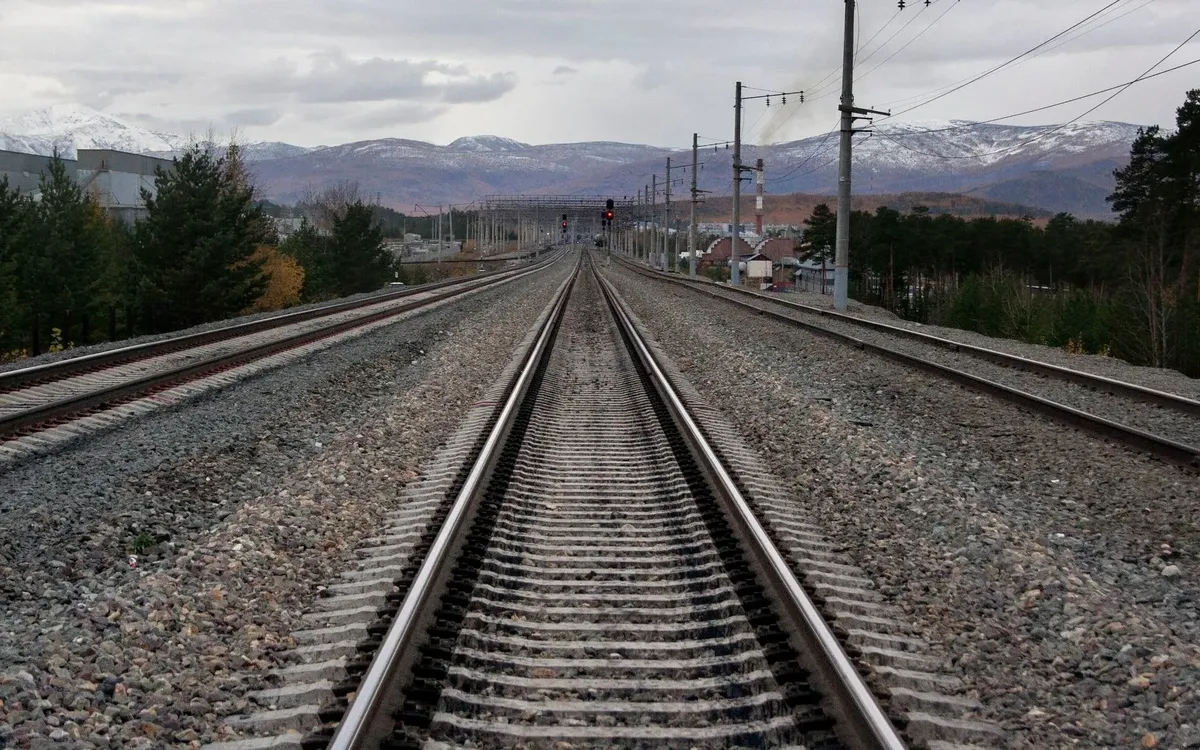
The Baikal-Amur highway is 4287 km from the Taishet to the Soviet Harbor, from the Gulag construction of the 1938th to the North Munsky Tunnel, surrendered in 2003. The path through seven mountain peaks, 11 rivers, 8 tunnels, 142 bridges, 60 villages and cities.
In the 1970-1980s, BAM was not so much expensive as the largest Soviet construction: “The project is expensive, large-scale, romantic, backed up by the whole power of Soviet propaganda, economically absolutely meaningless,” wrote Egor Gaidar, in the 2000s.
To extend its existence, a decrepit system needed a large mobilization project, on which all the power of propaganda would be abandoned. They sent to the construction as a war: to the sounds of an orchestra and with a wish to go back once.
However, for the people who went there, Bam was something else. “An attempt to overcome Soviet formalism? Searching for meaning? Drunk ideal? " - suggests historian Nikolai Baikalov, author of the dissertation about the creation of the highway.
The construction of the main part of the BAM ended in 1984 - a little earlier than the country ended. In total, more than two million people participated in it. Tens of thousands remained to live next to an already completed road.
The houses in the villages along the highway were erected temporarily while the construction was ongoing: beams, wagons, later - wooden barracks, “bastards” and “shields” ... The builders remained in them for decades.
In 2011, a program began in Russia to relocate from dilapidated and emergency housing in the BAM zone - and people began to leave from these places.
The correspondent of the Novaya Party of the Buryat section of BAM drove to understand what was left of the great idea and great construction.
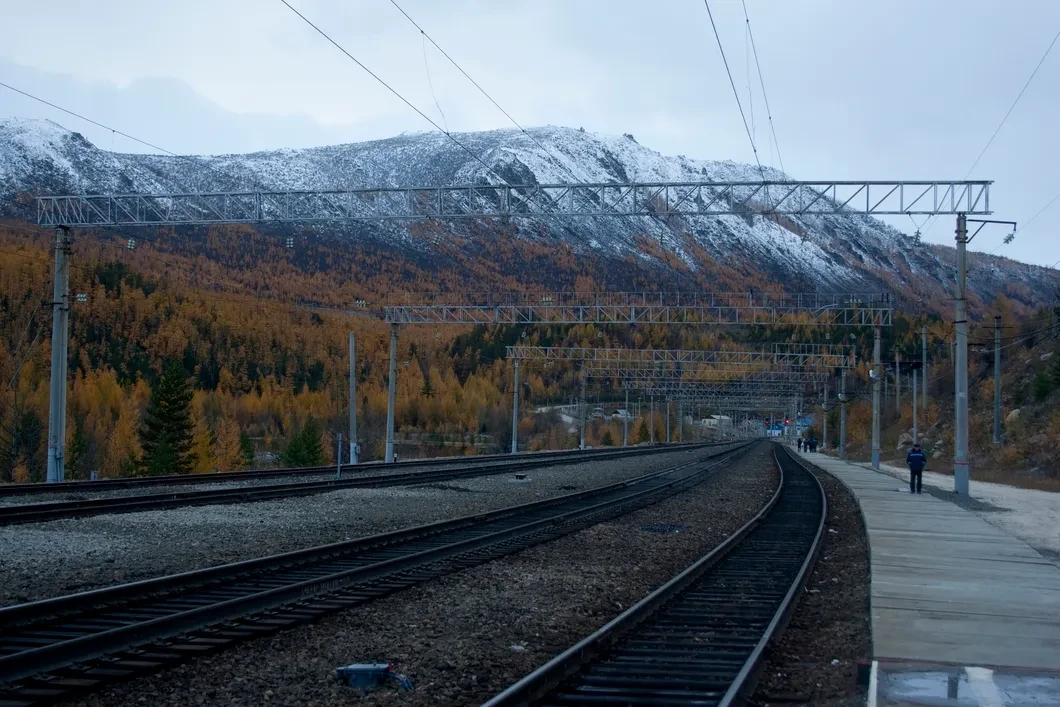
Nizhneangarsk, 1090th kilometer BAM
"Brusnice"
Nizhneangarsk (7 thousand people in Bamov times, 4,500 - now) - several dozen old huts and huts, stretching out an eight -kilometer narrow strip between Lake Baikal and Mountains. It was founded long before BAM, and in the 1970s only here it was possible to meet Starikov Street. Only here were residents who can call themselves local.
BAM was declared the All -Union Brozen Builder in 1974. They took Komsomol members here, the call was announced in all republics of the USSR, the programs about BAM were twisted and television almost continuously. And now, recalling those times, BAM veterans cannot explain why they threw everything and drove around. They deny that they hoped to earn money. Infinitely repeat the line from the song about the smell of the taiga.
In the 1980s, according to the memoirs of veterans, the situation changed. The “Chekists” went to BAM - those who hoped to work for three years and get a check to buy a car relying Bamovites. On the Great Earth, the check could be sold and buy an apartment. After three years, the “Chekists” planned to leave, but many remained: they got used to good salaries, northern supply with fresh vegetables and imported goods, friendly villages.
It was not ordered to take the locals in the Komsomol call of the local people, but they did not hide the insults: they treat the newcomers, they are proud of the past (“Everyone went to BAM, but BAM came to us”).
Discuss:
- Vilkova swelled again. The week does not dry, but also the bamovka.
- You don't talk about her bad: Vilkova built a tunnel!
Both the neighbors from the second, and Zinka from the first live in Brusnichka - new houses around Brusnice Street. Here, on the wasteland for treatment facilities, in the fall of 2016, people were relocated to the Bamov resettlement program from dilapidated housing.
For a long time I squash along the wet mud to the five three -story buildings of the “lingonberries”: the sidewalks have not been laid here, and cars, children's strollers and even balconies of the first floors are drowning here: they stand right on the ground, and fluid mud flows freely and flows freely.
Houses were built at the rate of about 33 thousand rubles per square meter, so now the roofs flow, there are no insulation in the walls, last winter in several houses the temperature did not rise above 10 degrees (“all winter were shaking like bastards”); The basement of one of the houses flooded the sewage system.
Dissatisfied residents - a dozen middle -aged women - from the date of resettlement write to all authorities and even to the head of the republic Alexei Tsydenov went to complain: “He came to the opening of the houses. We all gathered, and ours, from the administration, say: "Dive, otherwise we will an unauthorized rally, we will call the police with machine guns and to the Svezem Catalahing."
As a result, the smallest of women nevertheless squeezed between the guards, handed Tsydenov a letter, but did not wait for an answer: “In our administration they said: the summer will be, we will fix everything. And now it turns out that the developers faded, only they saw them. And there is no one to repair. So we walk in a circle, as a horse running in the circus. ”
It is bad in the houses not only that they are cold and crumble before our eyes, but that the old Bamovites were resettled together, without analyzing who drinks and who is not. There are a lot of drinking: “We had such fifs in Bamtonnelstroy - you won’t approach the crooked goat. BAM closed, 2-3 years - and that’s all drank. Many went to BAM, because they strove for something, they wanted something. And in the end, they came to the beams - they are taken out of the beams forward. And now we are listening to the kitchen how they will quit behind the wall. ”
True, now only a neighboring TV is heard in the kitchen. And BAM is heard: the wheels are knocking, the trains go.
* ### "Where did I go without eyes?"
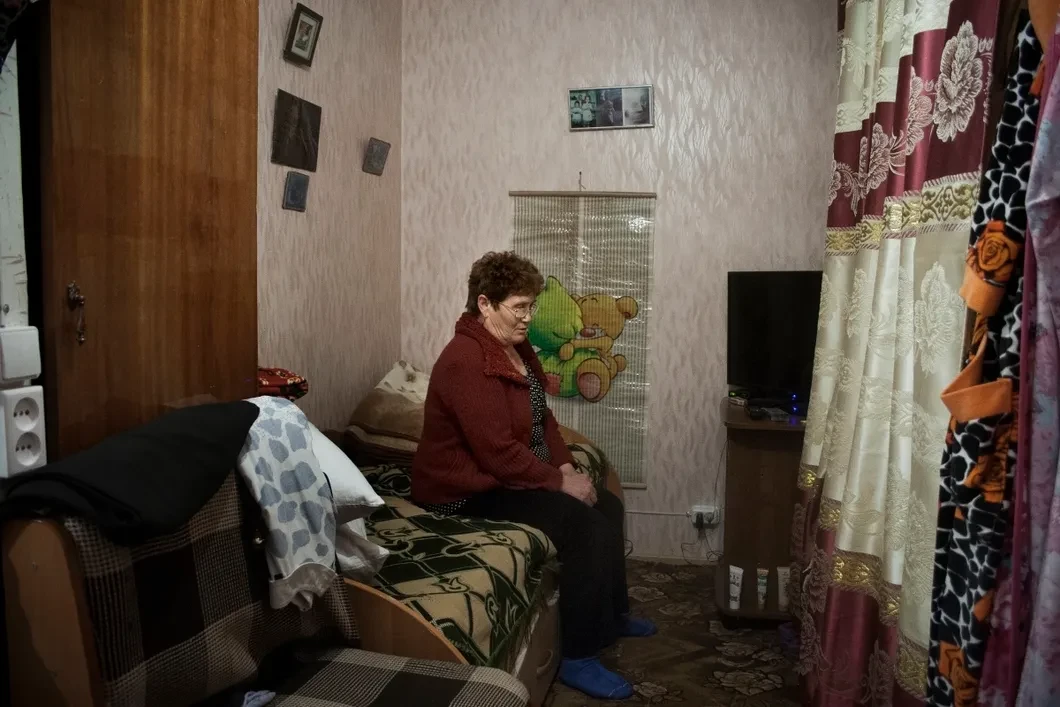
- Now I know everything to the touch in this apartment, but first I was wandering, oh! - Valentina Pavlovna Tchaikina loudly, laughs file. - Now I got used to it, but I’m still afraid to go to the store - I won’t find the way. I only see the light. I don’t see your faces. Meeting later - I will pass by.
Valentina Pavlovna carefully, holding the wall, makes his way along the room, similar to the penalty. At the left wall there is a narrow, neatly seasoned bed. And right behind the bed, the right wall is already. Closely, of course, but you will not be lost. Valentina Pavlovna laughs again, throws her head off high, looks squinting, like a flip, sighted edge of the right eye.
Valentina Pavlovna moved to the first floor of the new building No. 19 a year ago. I did not want to leave the old emergency house. Firstly, he’s not so emergency, for ten years it would have stood still. Secondly, the warm, not the current couple: “I went barefoot there in winter. Even without socks. " Thirdly, Valentina Pavlovna lived there still sighted and all remembered everything by heart: how to go to the store, and how to a clinic. But when the Bamov resettlement program was announced in Nizhneangarsk, in old but good houses, heating was disconnected first, then light. So she with her granddaughters and ended up in a “lingonberry”.
“As the kittens were taken by the scruff of the scruff - so we moved. Now I don’t know how I will live if I stay alone. I’ll not even reach the store. ”
The granddaughter of Sandra and Veronichka moved to Valentina Pavlovna in 2004, when they stabbed her son Sasha: on Bam, on the way to work.
“This Soloviev, killer,” he is some kind, I don’t even know ... ”Valentina Pavlovna says without expression. - Before that, he was either completely stabbed in Taximo, or not to the end ... they found, put it, gave 9 years. So what?..
The eldest son of Valentina Pavlovna worked “on the races” (watch) on the construction of a new BAM line. While working, he helped with money, then there was no work, and “now it’s difficult for us. My pension is 18 thousand, my granddaughters have five. ” There is enough for food, it is only bad that tickets to fly to the hospital are more than half aPensia: “Now medicine oh-oh-oh how has stepped. Maybe they would have been cured. But what will I go to? "
We are sitting in the kitchen. Outside, in the porch, shoes rumble heavily, male voices yell drunkenly. Valentina Pavlovna does not even turn her head.
Tchaikina arrived at BAM at 26. Not for romance - for husband. He moved, without telling her, he got a job as a driver, gave a telegram: “Calculate, collect things, order a container.” I will hear dozens of such stories on BAM: men always left first, women dutifully followed them.
On Bama, Valentina Pavlovna quickly divorced: “He, this is the most well, was drinking well, oh. It was a dry law here, and he got the water with boxes. ”
The second time she got married soon, still sighted. At 40, he stopped seeing his left eye: cataract. Later - the second.
- Then I bought a Veronichka, granddaughter, a jacket ... - Putano, going from afar, says Chaikina. - Four thousand cost, oh. And the second husband also drank. I had to pay debts for his booze, and I bought a jacket. He did not believe that I had no money. And that’s it, - Valentina Pavlovna is silent, she rubs her eyes. - It was so painful when I gave it in the eye, so I screamed, oh ... Sandrochka was scared strongly, ran to the neighbor.
Valentina Pavlovna suddenly begins to laugh, for a long time cannot calm down.
- And what will the neighbor do? "Ivan, Ivan, what are you doing?!" He was already very drunk. I opened the window, I wanted to jump into the window, and there is height. Neighbor: “Valya, Valya, what are you doing? ..” - laughs again for a long time, - but I proved to him: “Van, I bought a jacket ...” And that’s it. And retinal detachment.
Outside, screams are heard again, the sound of beating - it seems, about the head - bottles.
“They drink again,” Valentina Pavlovna nods casually.
- Have you filed a statement to the police?
- Police? - responds Valentina Pavlovna. - Call, often. How they completely disperse on the stairs - we write a statement right away.
- And then, when did my husband beat?
- No…
- And they lived with him further?
Valentina Pavlovna throws her head even higher. Either with despair, or with a challenge says:
- Of course, I lived.
Worships:
“Where would I go without eyes? .. He was a bulldozer, Bamovets.” We have known each other for a long time. He moved from Ulan-Ude ...
It straightens, loudly, with the Komsomol entertainment blurts out:
- Then, from all sides, from all over the globe, workers were rode to build a BAM! - Frozes again. - From the outside it was not to say that he was drinking ...
Valentina Pavlovna realizes that she did not offer me tea, drives her hand on the table, gropes the kettle, says:
- Of us, Bamovtsev, some women remained, husbands all died. We are old hardening, we bake one about the other. What people we had, oh! Good, responsive. If the holiday - everyone went out into the street, made tables. And there were guels, and dancing. I recall with warmth ...
- When you stopped seeing, your husband ... Well, continued all that? - I ask.
Valentina Pavlovna freezes with a cup in her hands.
“Of course,” exhales is barely audible, “of course.”
New Waloyan, 1242th kilometer BAM
According to legend, the new Wahoyan began with four tents. In 1974, here (the population is 7500 thousand earlier, 3663-now) a tunnel detachment No. 11 came. The first inhabitants were builders from Leningrad, Lithuania, Estonia, Buryatia. The brick four -story buildings of the village are still called Litbas - their Lithuanians built them.
Now the new Wahoyan is one school, one kind of kindergarten, a hospital for 18 beds, where patients from all over the okrug are taken, and - as in most Bamov villages - work only on the railway. There is no highway here, the asphalt ends at one hundred kilometers, at the Dzelind station. Locals call this place “End of Soviet power” - the road managed to reach here just in 1991.
“We have all the visitors, here everyone who falls under the resettlement program is trying to leave,” says the head of the new Wahuan Olga Oklikha. In total, in the village it is planned to demolish 158 houses, to relocate 238 families. Since 2013, residents have bought 100 new apartments and issued 88 certificates for new housing (each for about a million rubles). The resettlement program, of course, is delayed, but it would not be scary if the houses in Wyan did not start burning.
* ### children Leonid Ilyich
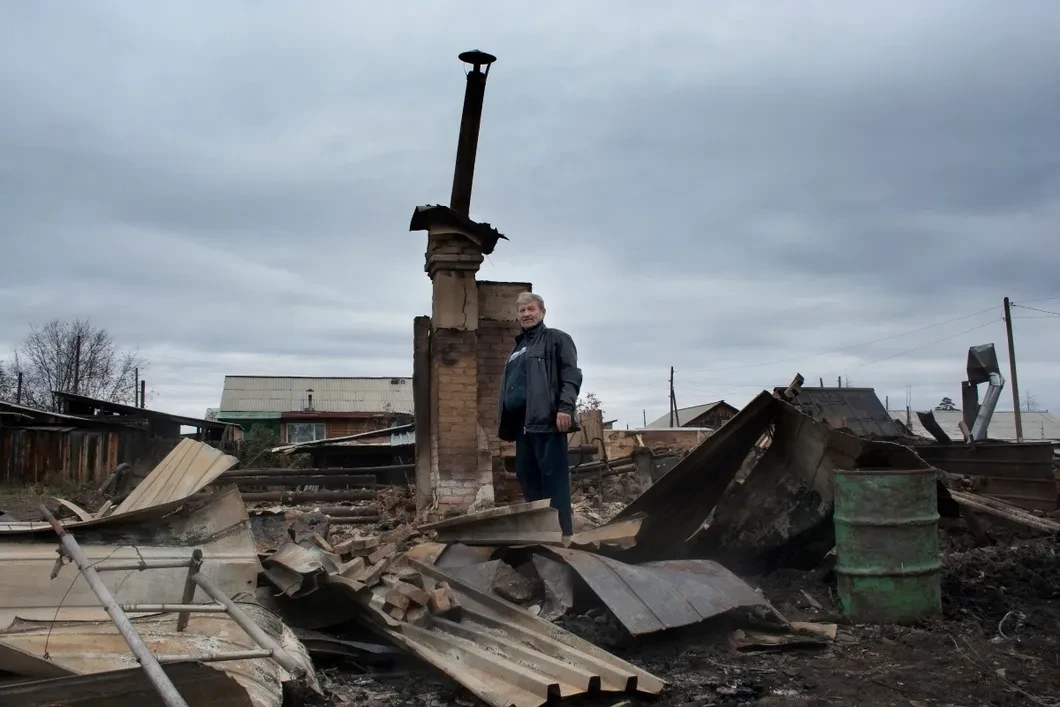
The sailors were set on fire at midnight. The fire took up the veranda, quickly spread to dry foliage (wood) at home. “15 minutes - that's all. Everything burned out. I went to Severobaikalsk, they called me - at three in the night I was already at home. He himself did not understand how he arrived, he did not notice the traffic lights. I arrived - there are no huts. Even the cellar failed, even the banks burned. What was on himself was left. ”
The sailor stands on the ashes - in a black jacket, sweatshirt, jeans and snow -white boots with elongated noses. With a hand with a large gilded rings, raises rags covered with ashes, throws it.
The fire happened three days ago. The sailor spent two nights in the car: “The swollen became, of course ...” Then the administration of the new Wyan “gave the hut”-an apartment in a razor ragdown before the demolition, but all the days the sailor still spends on the ruins of the house: looking for the surviving things, the boiler was watching: “The past hut burned out in the 93rd, so the neighbors put things up.”
In line for relocation, the sailor has been standing since 2014, was going to take money and leave for Severobaikalsk. Now from the queue of the sailor should be removed: there is no house - there is no resettlement.
Actually, the sailor’s name is Misha, but as in his youth he served three years in Severomorsk-he remained for everyone a sailor. From the fleet in 1977 he transferred to BAM, himself: “So we wanted this construction site ... And there were gratitude and medals in the nightstand. Burned ... "
According to the sailor, he believed in BAM until 1990: “Then everyone understood that he was not needed. They began to handle us like ... as if we were the children of Leonid Ilyich Brezhnev. Brezhnev died - and we seemed to be gone. "
- Was it a shame?
- It's a shame that they are not in demand. In the 2000s, some women stayed here, men ran, who had survived where he could. I worked on Sakhalin, and I built the road of Chitovsk, and I was on oil pipelines.
Wyan's second breath opened when the taiga began to chop around.
- 40 wagons per day of the forests were loaded. It is forbidden, of course, but there was no order, and the forest-he, the forest, immediately behind the fence.
All chopped and brought to China. So we realized what BAM did to carry everything to China: a forest, scrap metal, and a flower.
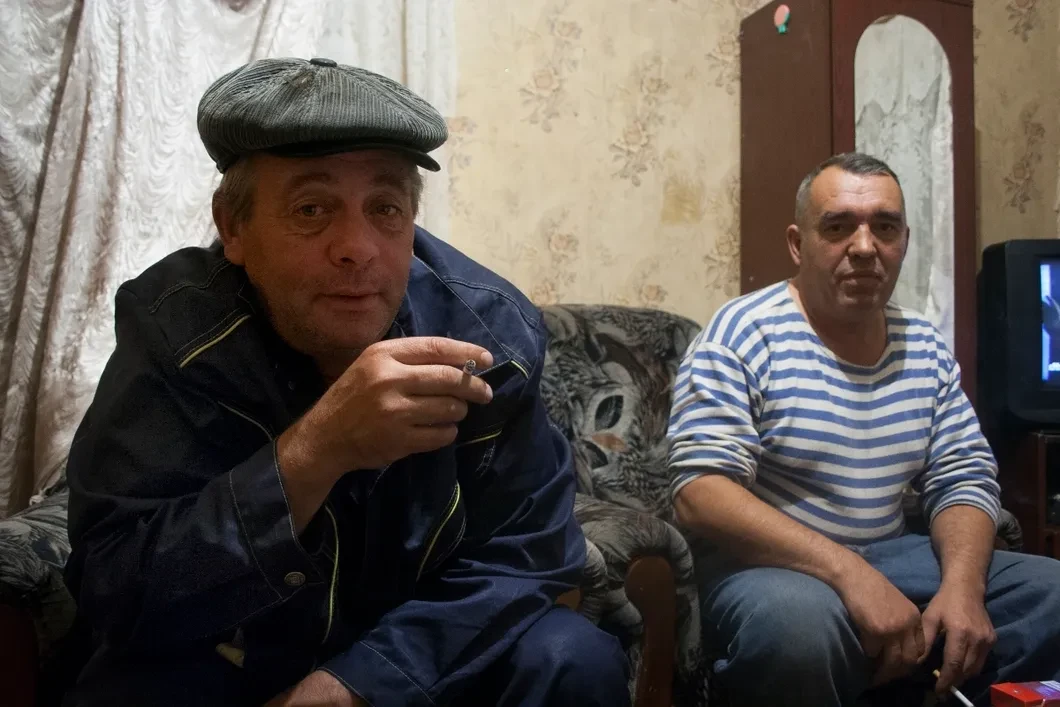
* ### without documents and without a leg
On the pickup, in which Misha was asleep for the last nights, we go to fire - draw up documents. The low firefighters nod frowning: "Pirumans, EPT." They say that they have already sent a letter about 30 arson to Ulan-Ude: "All sheds and toilers were counted, otherwise they will not react."
In general, the inhabitants of Wayan are sure that the village council is behind the arson: it is profitable for him to burn old houses in order to pay not a million for new, but 20 thousand compensation for the burned out.
At the same time, in the village council in arson, they blame the inhabitants themselves (supposedly they do not want to wait their turn and set fire to get money faster) and complain that if the federal budget pays for migrants from the bam, then the fireworks should resettle at the expense of the district, and each fire for him is a disaster.
The new Waloyan began to set fire to the new Walong from the last winter. The sports center was the first to burn out, then the old sheds and beams, then the resettled barracks: "People have not managed to endure things, and they were already burned at home." The fire walked along the coniferous, sports and Olympic, houses burned almost a day later.
At first, the fire scored the alarm: “They are used to sleeping and sleeping there. And now they come to one street - and the second is already burning, ”says a resident of the Olympic Vlad.
By autumn, the flame began to be selected to residential buildings. The first to burn the Fatkins' house, then Belokurenko, then Misha with sports. Misha was not lucky the most.
Before the fire, he gathered in Ulan-Ude to change the prosthesis of his legs, but the passport and certificate of disability burned, so now Misha without home, without documents, and without a leg.
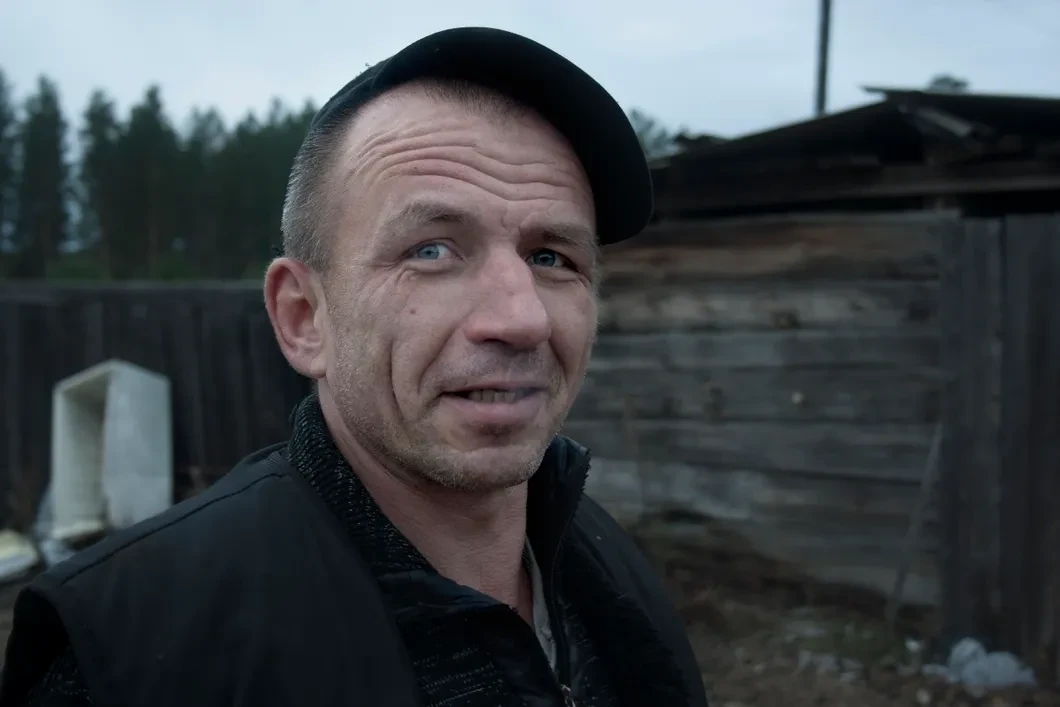
* ### "We live here, as in Syria"
As the sailors burned out, the Olympic and coniferous hunting for the arsonist was opened.
- At the sailor, the house caught fire, burned for 20 minutes - well, I think it's time for ours to puff. I went, damn it, settled in an ambush by his fence, damn it. I look - the car goes here, behind the heaps, stops. Oh, I think it's normal, my client. Me: "U-oo-oo-oo!" - And with a shovel. And this is Arthur, damn it. Cop, damn it. I say: damn it, and if I killed you, damn it? Go to *** from here, damn it. You spoil the whole ambush to me.
Vlad spent four nights at the fence in the bushes, but the arsonist did not wait. He would not have been worried at all, but in the fall, someone arson abandoned neighboring cottage, and the fire approached Vlad's house close.
Most of all is afraid that he will go on the watch, and the house is soldered with his pregnant wife: “We live here, like in Syria, damn it.” Vlad works at the oil station under the Ust-Kut, there are one month out of three at home. Previously, half a holidays disappeared, because "while I arrived, I got drunk while I was in full swing from a hangover, damn it ...". But recently, he almost does not drink: “He had already drunk, probably. And with whom? Previously, it was fun in the village, if Senegali, they were sneaked for weeks. And right now, a day or two, it’s not serious. ”
Vlad calls himself Bamovts, although he does not experience any Peter for construction, his parents arrived in 1975, when he was six months old. Since then, everything wanted to leave - but still in any way: “I have already grown. He lived in Chelyabinsk for two years. I was younger then: fingers fan, teeth in tattoos. And then I'm tired of me in the city. No mushrooms, no berries. And here the forest, taiga, damn it ... In the city for the past six months, I wanted to end the life of suicide. In the morning I’m going from the shift, and on the street bonfires are burning, and the smell, like in a taiga, damn it. I went, damn it, a bubble, took - and in one sting. 9 in the morning, sitting, loosening, damn it, I think: to fall out of the window, or what? So he returned here, damn it. I'm sitting now, I'm guarding the house. ”
It gets dark, and Vlad begins to peer anxiously at muddy twilight:
-Oh, Hulman walks. We have to go to see the face ...

***
I am leaving the Olympic afterlife, the railwayman Sasha takes me to spend. В полной темноте (фонари в Уояне не горят) мы обходим остатки пожарищ, пустые, с темными глазницами, бараки. Тепло светятся зарешеченные окна вагончиков (в них в Уояне магазины), отчаянно громко горланит пьяная компания.
Вдалеке виднеются сполохи пламени. Огонь горит над четырьмя остовами зданий, бессильно уже прибивается к земле. «Два барака, баня и сарай, — определяет Саша. — Эти пустые были, расселили их давно. Пожгли, видать, чтобы не сносить». Мы молча смотрим на красные сполохи. «Нищета, безработица. Скоро ничего от России не останется, — внезапно говорит Саша. — Довели страну правители наши».
- Who? — вздрагиваю я.
Саша наклоняется к моему уху:
— 13 человек правят миром, 13 человек много веков решают все вопросы. И никто не знает, где они живут и как их имена…
Falls silent. И мы долго стоим, глядя, как догорает старая баня.
Северомуйск, 1385-й километр БАМа
* ### «У зайчика лубяная, а у нас никакая»
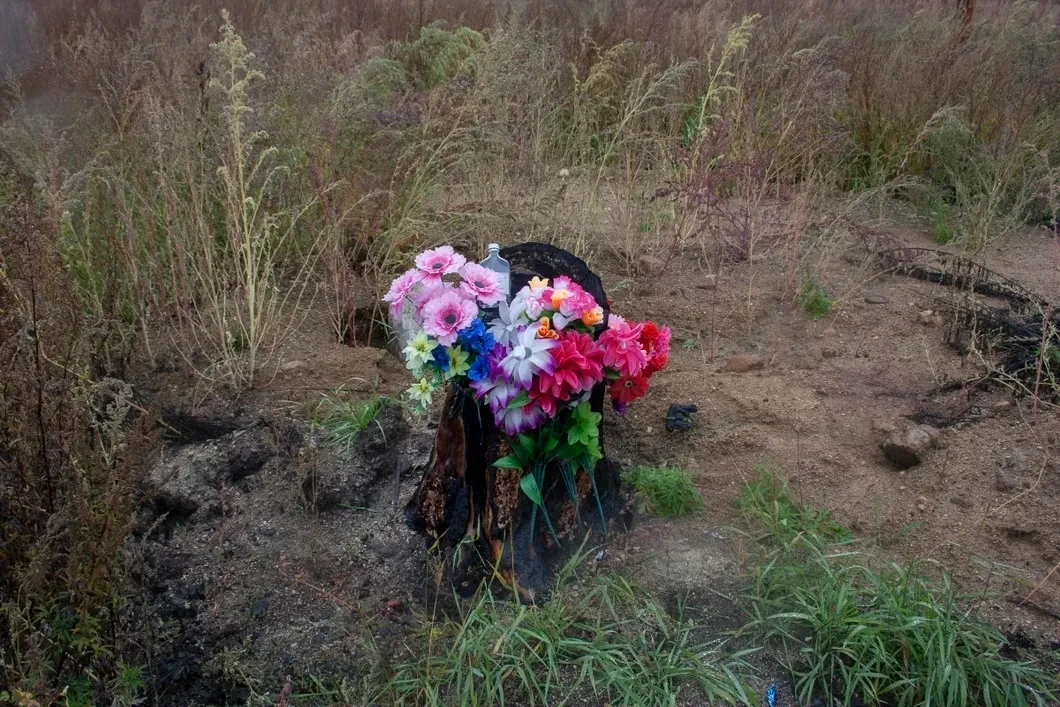
Посреди бывшего двора Юры Артемова стоит черный, обугленный пень, на котором лежит пустая фляжка и искусственные цветы.
Юру нашли только спустя две недели после второго пожара. 14 июля он забежал в свой горящий дом забрать вещи — и больше его не видели.
— У него во дворе баллон с водой стоял, — вспоминает соседка Юры Татьяна Цымбал, — Он, видимо, обгорел, в этот баллон прыгнул — и, видно, сознание потерял… А на баллон что-то сверху упало, не видно Юру было. Когда его нашли, он наполовину обгорел, наполовину в воде был. Лет 55 ему было, бамовец. Да… А раньше поселок гремел, рос. Жили — не тужили… - Это же счастье было! Направляли-то самых лучших: за хорошую учебу, за активное участие. Кто здесь живет – все гордятся. Раньше к нам сюда все приезжали! Артисты – все-все! Эти, как их… Ну, не «Песняры», другие…
Татьяна идет по бурому, поросшему высокими кустами пустырю. Нагибается, разводит длинные стебли:
- Тут у меня порожек был, тут дорожка такая деревянная. – Под травой видны обугленные, рассохшиеся балки, - Тут огород... Когда уже дом сгорел, вылезла картошка. И такая хорошая картошка уродилась!
Про два пожара лета 2016-го в Северомуйске (12 тысяч жителей во времена БАМа, 992 человека — сейчас) вспоминают, как про войну: первый полыхал восемь часов, перемахнул три асфальтовые дороги, спалил 15 жилых домов. Второй докончил дело, уничтожив оставшиеся четыре жилых дома. Всего на улице остались 90 человек.
Все, что осталось от улицы Ленина в Северомуйске после пожара 3 июня 2016 года.
Теперь на месте старой части поселка пустырь, за которым начинаются заснеженные, мягко изогнутые, перламутрово светящиеся горы.
— Представьте, какая здесь красота была. После пожара кто-то вытащил скамейку, поставил, где мой дом был. Я приходила, сидела… — говорит Татьяна. — А потом все бульдозером расчистили, песочком засыпали. Мы как раз сидели на голодовке. Они ровняли — а у нас слезы текли…

…Все лето большинство погорельцев провели в спортзале школы: «И выпускной мы детям сорвали, и все подряд. А 25 августа нас оттуда попросили».
Нового жилья им не предложили, и 14 июля 16 погорельцев объявили голодовку. Поставили палатки перед администрацией, повесили лозунги: «У зайчика лубяная, а у нас никакая», «Путин, помоги, народ голодает!»
Рядом встала пожарная машина: «Они решили, мы суицид хотим сделать. Мы в ярости, может, че-то такое и сказали. Но на деле нет, конечно. Кому охота вообще?»
В палатках было холодно, голодовщики быстро начали болеть. Когда кто-то из них выбывал, присоединялся следующий. Спустя месяц, ничего не добившись, погорельцы разошлись. Те, кто мог, стали снимать жилье. Татьяна, уборщица в школе, поселилась в расселенном, брошенном бараке без отопления и с дырами в полу. В пахнущей плесенью сырой комнате — обои в крупных цветах, оставшиеся от прежних жильцов кружевные салфетки. Посреди комнаты сидит огромный, с человека размером, плюшевый тигр — единственное, что спасли из горящего дома.

* ### 14 миллионов
Когда председатель совета депутатов Тамара Ефимова собралась ехать к главе Бурятии, чтобы просить жилье для погорельцев, она еще кормила грудью третьего ребенка. «Только я его от груди отучила — помощник Цыденова позвонил, — вспоминает она. — Сказал, не будет глава со мною встречаться».
Ночь, мы сидим с Тамарой на кухне. Дети уложены, обед сварен, на работу в администрацию только к восьми утра.
— Понимаете, погорельцы каждый день приходят. Сядут в кабинете и сидят. А что мне им говорить? Что денег нет? — Тамара зло гремит чашками.

Всего по программе из ветхого жилья в Северомуйске за три года переселили 500 семей. Три четверти из них выбрали забрать деньги и уехать с БАМа. В 2015-м деньги в программе закончились, и 143 семьи остались в рушащихся ветхих бараках. В их числе были и все погорельцы. После пожара из очереди их пришлось убрать: нет жилья — нет и переселения. Спустя полтора года 20 семей все еще на улице.
…В сентябре 2017-го погорельцы начали вторую голодовку, она продолжалась 10 дней. Днем сидели в кабинете Тамары, ночью спали на скамейках в коридоре. Тамара ворчала, что выходит из кабинета под вечер — а по всему коридору люди лежат, и на лестнице белье сушится.
В сентябре 2017-го года погорельцы поселка Северомуйск объявили голодовку, требуя предоставить им новое жилье вместо сгоревших домов. Они круглосуточно находились в здании поселковой администрации. Видео снято председателем совета депутатов Тамарой Ефимовой.
Не успела закончиться голодовка, как в Северомуйск пришла новость: глава Бурятии Алексей Цыденов попросил у Владимира Путина разрешения перевести в Северомуйск 13 миллионов 858 тысяч рублей, которые остались от строительства домов в бурятском поселке Черемушки, выгоревшем в пожаре прошлой весной. Путин разрешение дал, и перед сельсоветом встала проблема, как распределить 13,8 миллиона рублей, если известно, что на переселение двадцати семей нужно 35 миллионов 423 тысячи рублей.
— 14 миллионов — это 9 квартир, — говорит Тамара и смотрит в пол. — Ну, может, 10… Кому их дать? How to solve? Как им сказать?
Проблема решилась сама собой: за прошедшие четыре месяца деньги из Черемушек в Северомуйск так и не пришли: вернулись в федеральный бюджет. Зимовать погорельцы остались в брошенных холодных домах.
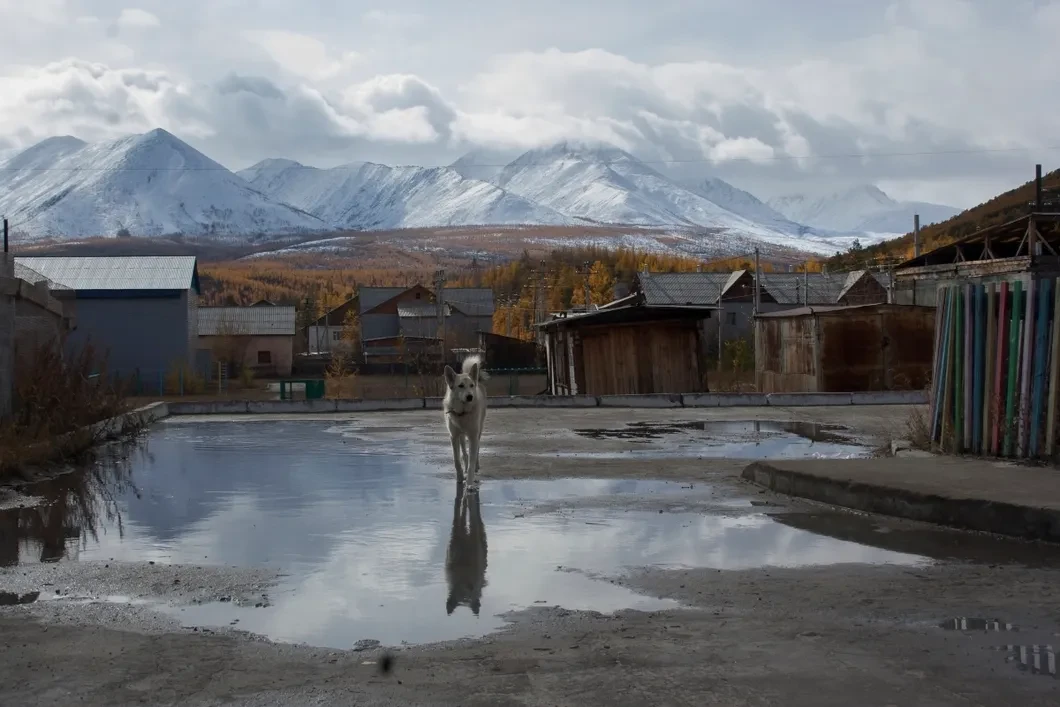
* ### С игринкой в душе
— Зайдите на балкончик, оттуда вид такой красивый. От такого и уезжать не хочется, — библиотекарь Татьяна Борисовна Логинова ведет меня по северомуйскому Дому культуры. Мы заходим в центральный холл, и я застываю: огромный атриум, хрустальные люстры, алые шторы. Выглядит, как картинка из альбома о советском дизайне 1970-х. Только на потолке — мокрые разводы, крупные капли гулко падают в подставленные пластиковые баклажки. Cold.
Когда в 2015-м здание ДК разморозилось (котельная не справилась с нагрузкой, и полпоселка осталось без тепла на всю зиму), замерзшая в трубах вода, расширяясь, начала выбивать заглушки труб.
— Они летали тут, как снаряды, — вспоминает Логинова. — Идем на работу — боимся-я!
Так всю зиму и работали: лыжные костюмы, сверху дубленки, перчатки, сверху варежки — и в кабинет бежим перебежками, как в бомбежку.
Два года пять сотрудников неотапливаемого, разваливающегося ДК работают, как и раньше: готовят праздники, выдают книги в библиотеке, ведут вокальную группу «Огни тоннеля», тиражом в 500 экземпляров издают международный литературный альманах «Северомуйские огни». Как сообщает «Википедия», он «распространяется на территории России, стран СНГ, Европы и Северной Америки» и «превратился в культурный феномен, переросший масштабы крохотного бамовского поселка». Про -10 в редакции альманаха зимой «Википедия» не сообщает.

Логинова с солисткой «Огней тоннеля» Натальей Поломошиной приводят меня на балкон ДК. Сквозь густой туман смутно просвечивают невысокие прозрачные ели, остальное теряется в молоке.
— Вот здесь, где береза, такой спорткомплекс стоял! С бассейном! Тут каток зимний был, где елки. Вот здесь лавочки, трибуны футбольные. А тут сцена, вообще шикарно было! Сколько людей в праздники собиралось… — женщины машут руками, указывая во влажное ничто.
Как почти везде на БАМе, российские 90-е начались в Северомуйске в 2000-е, когда закончилось строительство самого длинного в России (15 343 метра) Северомуйского тоннеля. Люди начали уезжать, работа пропала, и теперь о перспективах Северомуйска глава администрации Алексей Кудряшов говорит так:
«Я с энтузиазмом отношусь к возрождению жизни поселения. Эта задача очень сложная. В нынешнем состоянии — невыполнимая».
— Вы когда будете писать, — говорит мне Логинова, — вы упор сделайте на то, что как бы много погибает домов культуры… Но у этого-то, посмотрите, какой творческий потенциал! Мы можем горы свернуть.
Спрашиваю женщин, почему они остаются на БАМе, и слышу привычный уже ответ:
— Это были лучшие годы, все говорят. Сюда ехали люди… такие, с игринкой в душе. Оптимисты… Такие мы тут все родные до сих пор. Такая тут была атмосфера… И мы, дурочки, так в ней и остались.
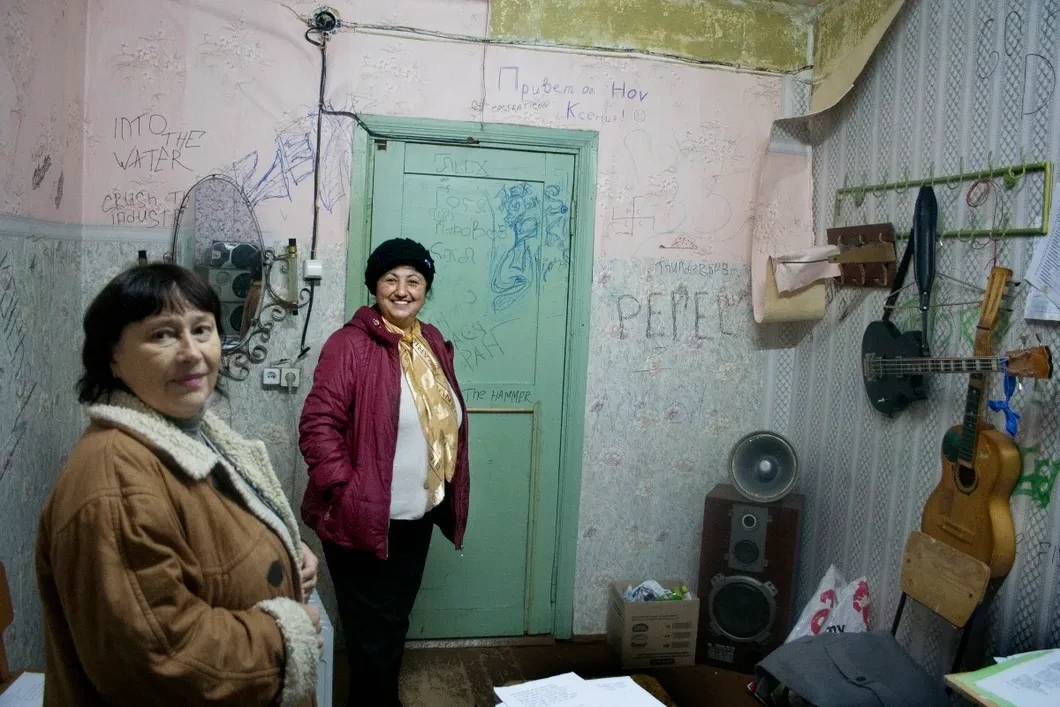
Я предлагаю сделать общую фотографию, и женщины начинают суетиться, находят розовую помаду, красят губы по очереди. Ведут меня в заставленную гитарами и обогревателями комнату для репетиций, поют:
Мой друг Северомуйск на карте ищет,
Но не найдет никак его нигде.
У нас тайга-а вокруг и злые ветры свищут,
Но мы не покоряемся судьбе.
Таксимо, 1469-й километр БАМа
«На одном трудаке по два игиловца* сидят»
Когда в Северобайкальске только минули выборы, пришли смотрящие по району знакомиться с новым главой, спрашивать, что волнует, чем помочь.
«Наркоманов много, — пожаловался мэр Константин Горюнов, — наркотики из Иркутска везут». Прошло немного времени, смотрит — пропали в Северобайкальске наркотики.
«Я удивился, — вспоминает Константин Михайлович, — говорю им: спасибо, конечно, только вам-то какая от этого выгода? А они: «Мы это дело сами не любим. А деньги от наркоты нам не нужны, нам и так золото с Бодайбо идет».
До Бодайбо, иркутского Эльдорадо, столицы ленских золотых приисков, БАМ не дошел, обошел на 200 км южнее. Больше всего, конечно, от этого выиграл поселок Таксимо — последний на бурятском участке БАМа. В 2007 году отсюда до Бодайбо впервые проложили по тайге дорогу (на самом деле — плохонькую грунтовку), и теперь единственный путь к золотому богатству Сибири лежит через построенный латышами краснокирпичный вокзал станции Таксимо.
Вечером перед поездом Нерюнгри — Москва я застаю на вокзале два десятка очень усталых мужчин. В одинаковых черных куртках, с серыми лицами, они спят, аккуратно поставив рядом ботинки и положив головы на большие баулы. Иногда их по одному расталкивает вокзальный полицейский, козыряет перед затуманенными со сна глазами, уводит в участок — намывает там свое золото.
Сейчас на вокзале еще, считай, пусто, объясняет дежурная вокзального туалета Надя, но скоро, скоро хлынет волна золотоискателей по домам. Заполнится людьми построенный в надежде на будущую добычу олова и меди огромный вокзал, закончатся билеты на единственный поезд, заработают на год вперед полицейские, карманники и кафе «Кафе».
За сезон на приисках можно намыть 800–900 тысяч рублей, только пить нельзя, и с концом сезона некоторые золотодобытчики так загуливают в немногочисленных кафе Таксимо, что и домой не возвращаются: спускают все деньги, разворачиваются и едут на прииск назад.
Правда, в последние годы стало с работой на приисках хуже. Не потому, что золота меньше. Просто в артелях сообразили, что за зарплату одного местного можно нанять сразу двух непьющих и работящих жителей Средней Азии, и теперь местные жалуются, что «на одном трудаке [трудодне] по два игиловца сидят». Работают «игиловцы» больше, домой ездят реже, грабят их чаще. При мне полицейский пинками будит черноволосого смуглого мужчину. «Игиловец» втягивает голову в плечи, подбирает баулы, с привычной покорностью бредет в участок.
Советский интернационал в этих местах не удался (строители-литовцы давно отсюда разъехались), зато благодаря золоту превратился Таксимо в край победившего феминизма: большую часть года поселок живет без мужчин. Семейным отношениям в Таксимо это, говорят, пошло на пользу: «Пивал муж, конечно, как водится, — объясняет Надя, — потом в артель ушел. Сначала возвращался на зиму в году, сдавал мне деньги — и в запой. А потом надоело ему, видать, пить. Как бросил — так теперь все три месяца не притрагивается. С артели каждый вечер звонит. Такая любовь у нас».

* ### Смертельный враг
В счастливые бамовские времена метил Таксимо в столицы БАМа. Здесь должны были быть самые большие зарплаты, самые красивые дома. Не сложилось: за 35 лет население Таксимо упало с 13 тысяч до восьми, огромные месторождения асбеста и меди, ради которых сюда и завернул БАМ, так и не начали разрабатывать.
— Планировалось, что после БАМа тут будут возникать новые стройки: золотодобыча на Бодайбо, горно-асбестовый комбинат, цементный завод, ГЭС на Витиме, Удоканский горный комбинат по добыче меди, — говорит Владимир Скарга, бывший проектировщик БАМа, сейчас глава проектно-конструкторской фирмы «Желдорстройпроект». — А тут — перестройка. Строители все бросили и стали разъезжаться. Теперь Таксимо гибнет. Всем, кроме железнодорожников, здесь делать нечего.
Разведанные, но не востребованные недра — главная трагедия Таксимо.

…Когда прокладывали БАМ, об экологии не заботились. В милитаристской риторике БАМа отряды бойцов-комсомольцев противостояли коварному, жестокому и безжалостному врагу — природе. Они вырубали леса, прорубали тоннели, форсировали реки. Проигрывая, они гибли в тайге, задыхались под завалами тоннелей. Побеждая, мародерничали, забирая у поверженного врага золото, рыбу, пространство для жизни.
В отличие от строителей, геологи завоевателями не были. Еще до начала БАМа они приезжали в Таксимо и расходились по тайге на разведку того, ради чего и строилась магистраль: меди, асбеста, редких руд. «Геологи всегда отделяли себя от бамовцев, смотрели на них как на саранчу, — говорит историк Николай Байкалов. — Рассказывали мне, как из-за дороги отсюда уходил зверь, на десятилетия пропадала рыба, горели в пожарах леса…»
На стене доме 80-летнего геолога Виктора Федоровича Жерлова висят побуревшие от времени карты. Он тасует их, как игральные, показывая то один, то другой район:
— На одном Удокане 19 миллионов тонн меди, 20 тонн золота, 6–7 минералов меди. На Витиме — молибден, на Холоднинском — свинец и цинк. — Виктор Федорович застывает, глядя куда-то сквозь желтый картон. — 17 лет мы его разведывали, 303 тысячи метров прошли. Если б его разработали, Таксимо был бы город на сто тыщ. Мы бы жили тут как цари!
Виктор Федорович приехал в Таксимо, когда здесь было всего шесть домов. Вместе с женой Ниной охотился за полезными ископаемыми по всей Бурятии, думал, что «месторождения, которые мы нашли, будут кормить наших детей».
It turned out differently. Ни одно из найденных Жерловыми месторождений разрабатывать так и не начали, геологические изыскания оказались не востребованы, и, ведя разведку бериллиевых руд, жена Виктора Федоровича получила смертельную дозу радиации:
«Она и в Москве лежала, и всюду… Кровь распадалась, кровь же заменить нельзя. 56 ей было. Вот так я и живу. 25 лет один, для себя».
Виктор Федорович наливает из термоса чай: вскипятил перед моим приходом, перелил, чтобы был тепленький, сверху полотенцем обернул… Раскладывает на кухонном столе другие карты, поменьше, и старые фотокарточки, и еще карты. Вот он сам, молодой, на коне. Вот с женой, красивой, словно киноактриса…
— Будут строить вторую очередь БАМа — может, поднимут вопрос разведки месторождений. А то сейчас только лес везут в Китай и нефрит…
Наливает мне чай, настойчиво зовет остаться пожить. Задумывается:
— А вообще раз в сто лет бывают такие большие стройки. Лучшего нам можно уже не ждать.
*ИГИЛ — организация, запрещенная в России.