
Translated material
In search of ashain
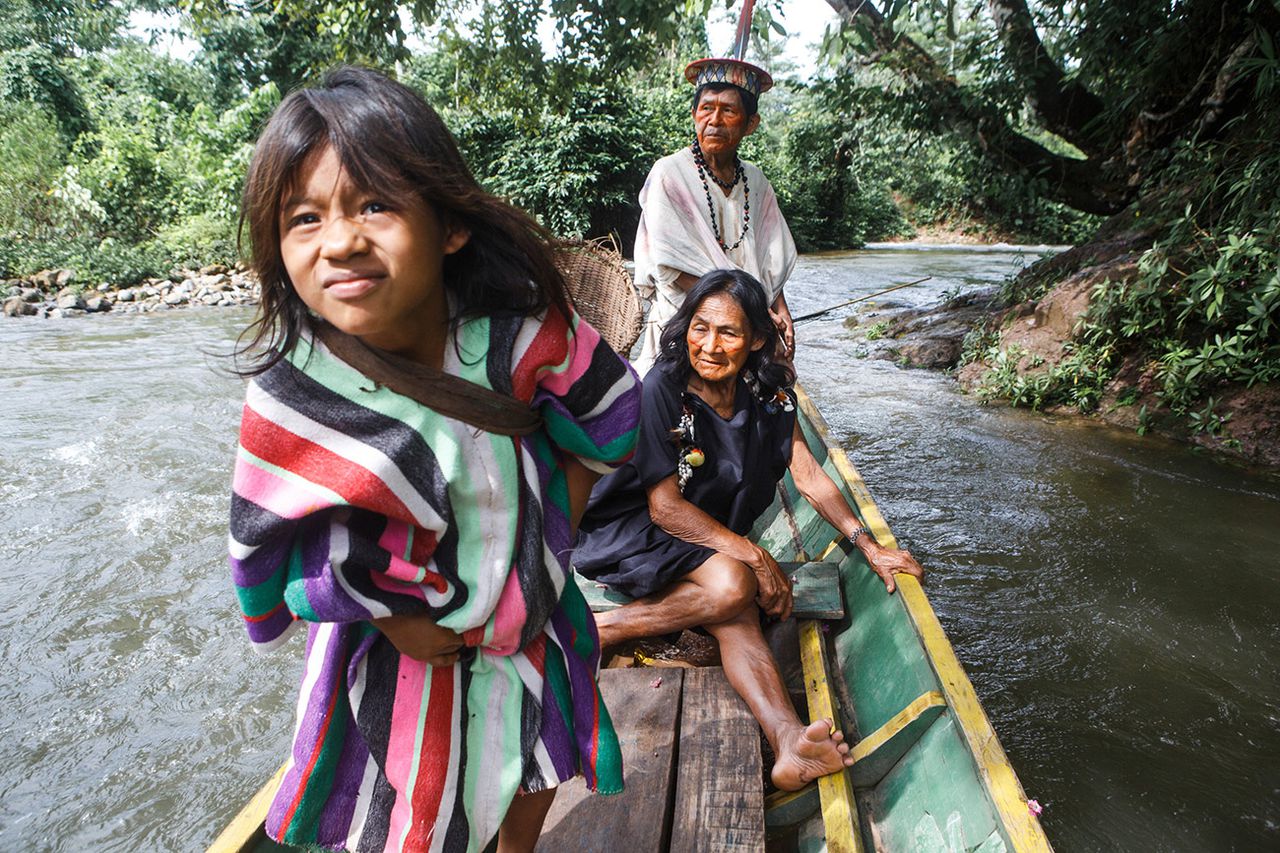
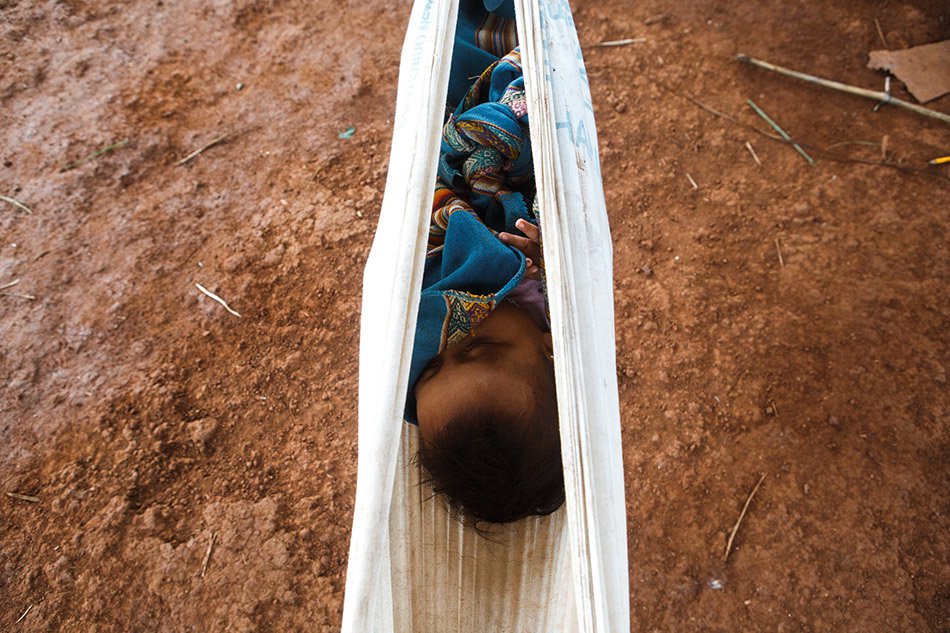
Photo journalist Alexander Fedorov and journalist Elena Schipyan left on a long journey through the Amazon to collect material about the life of five Indian tribes. They work on photo stories, short video and audio recordings, in order to bring an exhibition to Moscow in the fall of this year. "Batenka" asked Elena Srypean to keep travel notes on how they were looking for the settlements of the Auchane Indians and which people met along the way.
Puerto-Bermedes
I
“Raise! All arrived. Puerto-Bermedes! " - The driver of the pickupa screams to us, in the back of which we were shaking the last seven hours. We are covered with an even layer of dust: the dirt road did not leave the clothes of a chance. Although we got up at six in the morning, and it was only one hundred and fifty kilometers to go, we arrive in the night.
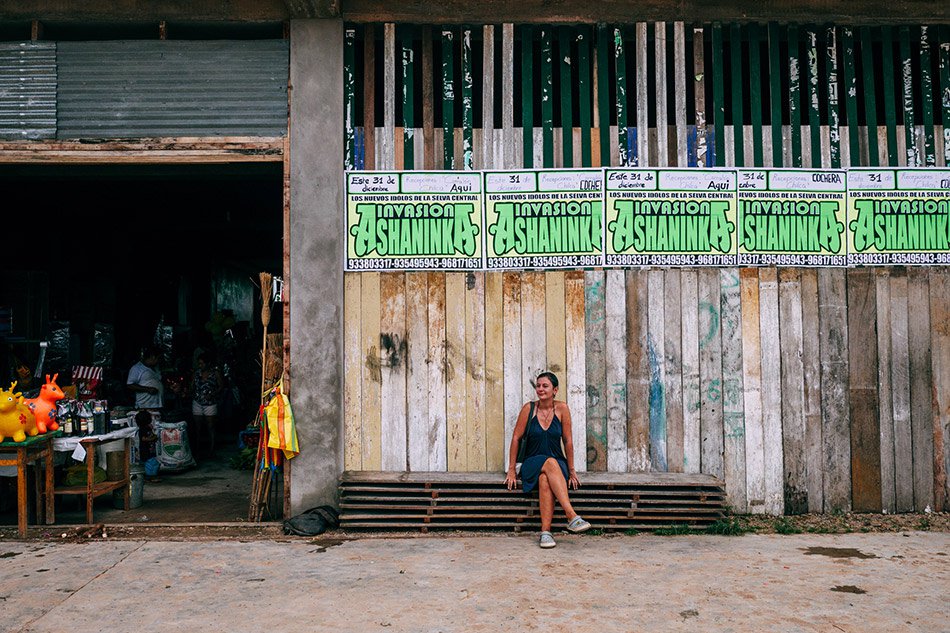
Puerto-Bermedes is another ass where we started working on the project about the Amazon Indians. We arrived at this God's forgotten town so that from there the boat to get into the Indian villages of the people of Auchaninka. In general, Auchaninka live in the vast territory of the Eastern Peru, to Cuzco in the south and itself of Brazil in the east, but we faced a difficult task: to be as far as possible from tourist paths and still find some ways to fit into the boat. Because our daily budget, ideally, should not exceed thousands of rubles, or a maximum of twenty bucks, and in places similar to Cuzco, visitors do not know the price of money - and thanks to them tours in the jungle are worth hundreds of dollars. It is unlikely that people will do something for free for lifting journalists with such a price, we decided and went to Puerto-Bermedes. There was only my assistant girl Stasia, who decided to travel to North Tingo Maria with a new exotic route-and got into the cultural center of the Auchaninka tribes.
"Stasya, how did you bring you here at all?" - I think, frantically shaking away. Bermudes is a village in three streets, the main one is the former take-off and landing strip, turned by rains into a sticky red mud. We arrived just by the beginning of the rain season. Shit, but you do not have to choose. We throw backpacks from the pickupa, on the road we have the first chicken that fall with rice and potatoes for a hundred rubles - thank God, prepare in the pen for next. We go to look for housing. We do all this almost every day, so that the scheme has been worked out to the smallest movement.
“Separate bathroom. For 25. This is the cheapest thing we have, ”the young beauty is notorily notifies us with condoms, cigarettes and a million bottles with soda. 25 salts are about 500 rubles, our price. A metal mosquito net in the window is torn and sticks out to the shutters. There is no light in the toilet. The only fan, of course, does not work. Thanks to the rains: if there was summer in Selva, we would die. And nothing, you can live.
*Seilva (Spanish Selva from Latin Silva - Forest ) - wet equatorial forests in South America
II
We know almost nothing about Auchanine - the work of such a shaft that it was simply not enough time for normal research. But it is clear that this is a developed people who were in trade contacts with the Incas. Colonization, slavery, rubber boom, a civil war with the “Reds” - Auchaninka passed all circles of hell, but still remained in Selva. Only in the municipality of Bermodeu there are more than 170 villages of Auchaninka, and this introduced us into an additional trance: how to find among them those who still preserved the details of traditional life? And most importantly - how to get there?
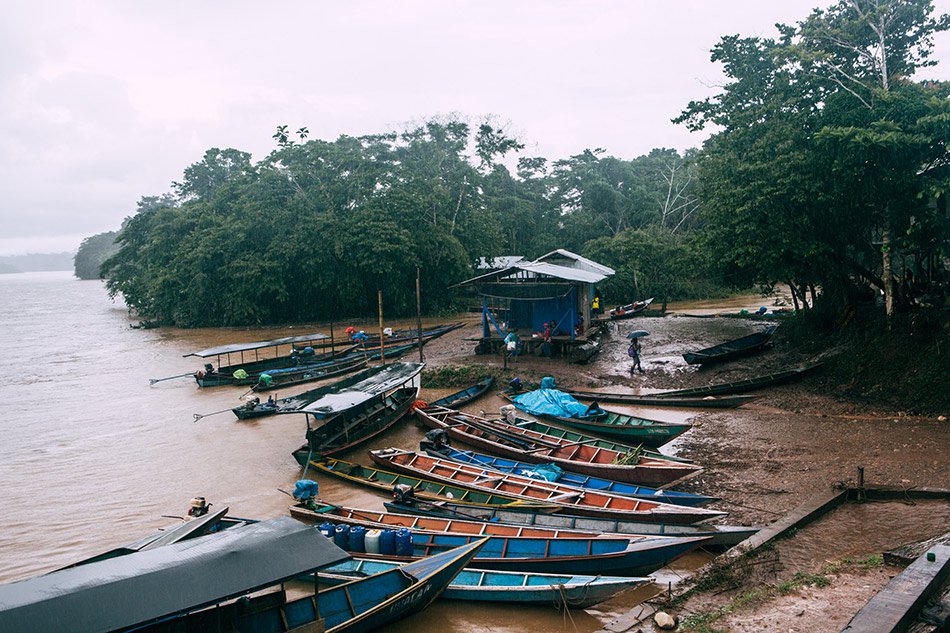
In the Amazon, in addition to the Amazon itself and the largest rivers like Madeira or Rio Negro, there are almost no transport boats. Of course, there are no roads. Of course, all the most interesting is so far that we do not even hope: we can’t master the days of walking in Selva without special training. But everything is interesting, accessible to us - at least in hours of driving on a motorcycle. I smoke a cigarette on the pier, pouring rain. Sanya learns the atmosphere of the man behind the counter of the largest store, who calls himself the “King of Selva”. There are no useful news from the king of Selva: where we should go, there is nothing to do with a regular transport.
By the third trip, we had a little lost enthusiasm. We already know how everything will be: we will eat the most affordable food in the city for a week, whip the rum with Kologi, I will go through the multi -user maps of the “heroes” for the thousandth time, because the Internet will probably be cut off a few days after the first thunderstorm. All the remaining time we will overtake the thresholds.
From the port we immediately go to ANAP - Apatyawaka Nampitsi Ashaninka Pichis, Association of the Indians Auchanine. “So the day off. We have no one. Maybe come in a week? " - A guy of about thirty meets us. No, man. We just won’t go anywhere. “Where is your main one? - At home. - And where does he live? - Yes, here, here - see the hammocks? - Okay, where is he? “Okay, damn it, now we will call him.”
The main one appears after half an hour - an amazing speed for the Latin American province. Only our conversation could be more shocking: a man named Enry not only promised us to help us, but also made an appointment at eight in the morning of tomorrow. True, after such a serious acquaintance, he drank the wheat beer “Chopping” all evening in our lobby, so to speak, the hotel. No wonder: the only place in the city where bottles of 0.6 are sold. We appreciated too.
After the next chicken, it is hard in the stomach. Damn gastritis. Sanya is cheerful, but he is two years younger, and in general - a man. The first scattering of the bite of the mosquitoes has already swelled on the elbow. Weighted by walking through the torment, we are falling to sleep.
New Year tomorrow.
III
Right under the window is a river, but somewhere far, behind the jungle, mountains rise. The river is called Pipis, and it is located in such a bowl of small surrounding ridges: all rivers from the hills flow into the PICCHI, and the PICCELLY falls into the famous Ukyali. Hanging up, I force myself to crawl to the shower: the water is cold, and on the street it is not so hot that it doesn’t matter. But water is life, it’s good that it is at least. When we return from the jungle, it will no longer be.
“Why did I come here? Well, it was such a dream, utopia, if you want. Paradise in the Amazon jungle. But now everything has changed: the city has turned into a market, ” - Don Hesus, bases from the Basque Country, pours us coffee in small cups. He looks like Castel Fidel, but he hates the left. His house used to be a hostel: professors and students who were studying the Peruvian Amazon came here. Now the hostel is empty: Hesus is disappointed. He says that he was forced to close his programs from behind robberies and a common unsafe environment. In addition, local guides and officials wanted more and more money from a newcomer expansion.
Once the river came out of the shores and flooded the house to the second floor. Since then, Don Hesus goes to the pier every evening: to check if the water has risen.
He looks completely lost: an elderly man, whose relatives have already been old in their homeland, and someone has long died. Hesus recently returned from a trip to Spain: it seems that there he did not find a place. His life in Bermudes also looks sad: completely alone, with absolute distrust of the surrounding world - lost illusions absorbed all the ease. Don Heses live cute cats, and he tells three times a day how their kittens are drowning - I don’t know why. I feel sorry for the kittens and a cat that fogs in the corners: I would have taken the animal to sterilize the old fool.
In his house we will meet the new 2018 year: an hour before the local midnight, I won’t stand it and still run to the local supermarket for champagne and tangerines, we will drink and tell how the New Year in Russia celebrates. We’ll even see Putin’s performance: the power of habit does not know time and distance.
In the morning it turns out that we were allocated a boat. Of course, we will not believe. But now it is necessary to spend another three days in the depressed Bermudes. In the evening the Internet will turn off, and a languid expectation will drive us into perfect longing.
IV
Clock, days, weeks - when you are in the Amazon, the expectation becomes part of you. You lift yourself out of bed and go to look for food when it is completely pissing. You never know whether the expectation will be empty or will be successful: people who make promises easily take them back. You should always be on the alert: if something happens, it will happen quickly. In Spanish, this is called Estar Pendiente. I hate Estar Pendiente. Enrages you when you lose time in line? Imagine that you have lost in line a week, two, three. Only in this queue there is no one to occupy for to leave.
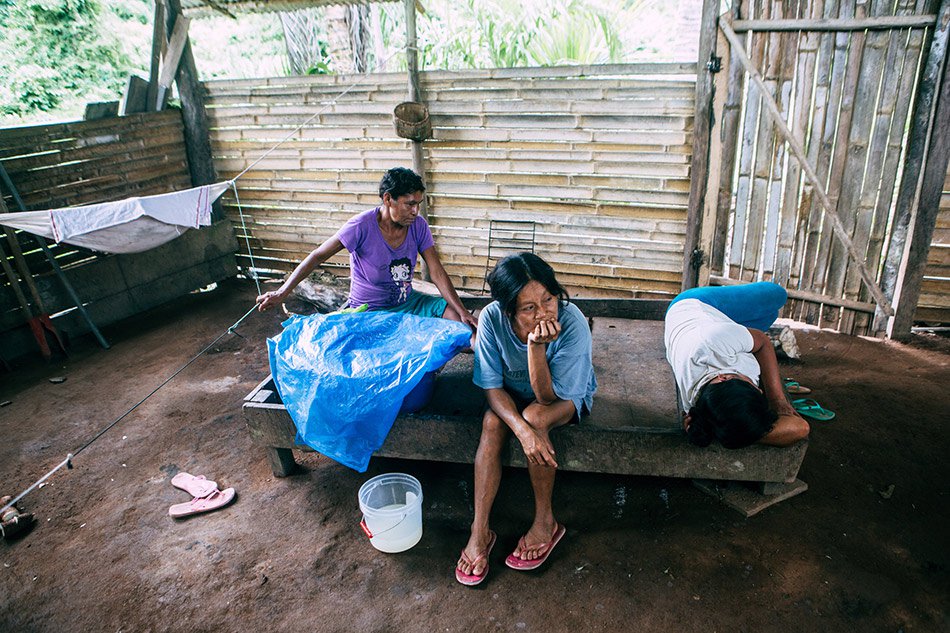
In our hostel (read with stress on “A”, the so -called cheap hotels) people seem to live constantly: their rooms look like rented apartments in Moscow - everything is cheap and very close. Flapped with things, children's toys, with an always screaming TV and an unchanged reggeton from the mobile, if the tenants are at home. We spent thousands of hours in shit hotels, and I like it much more like this: noisy, but there is life around you, and reality becomes a little more tangible.
We did not collect backpacks from the evening: what should happen on Thursday, never happens on Thursday.
- Hey, we need to see Lucio, - the local city hall is similar to the police department: it is also absurdly stuck in the middle of the emptiness of the runway. - Yes, he is sitting behind a closet!
 Lucio is an employee of the municipality who, together with Enry from Anap, promised us the day before to give a boat. The uncle with a rusted face is short: when you speak with him, it is not always clear what exactly he is isolated from your speech. We took his assumption for ordinary friendliness.
- And where are your things? - looked around us Lucio.
- What, really are we going? Now? Right now?!
- Well, yes, we agreed! - Then Lucio pulls out a canister of gasoline from the corner of the cabinet, and we understand that he is seriously: we were really given a boat! And gasoline! And even a motorist-translator! (Spanish is just like that-not a motorist, but Motorista. -Approx. Aut. ) We put things in five minutes, wrap them into garbage bags purchased in Lima, which suddenly turn out to be too small, quickly replenish the stocks of bread and cigarettes and run to the port. Hurray, cheers! Out! We are going!
Sardis
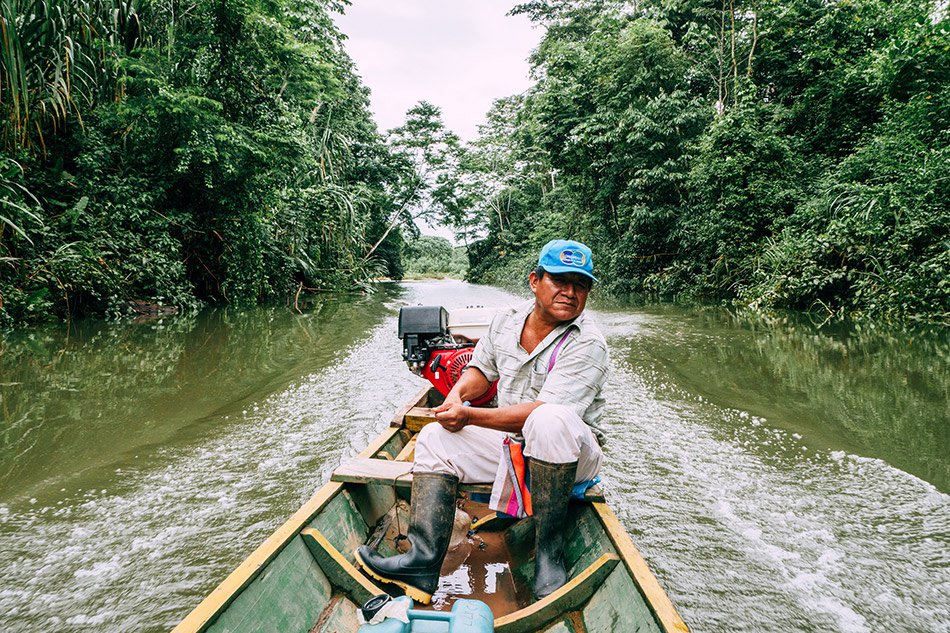
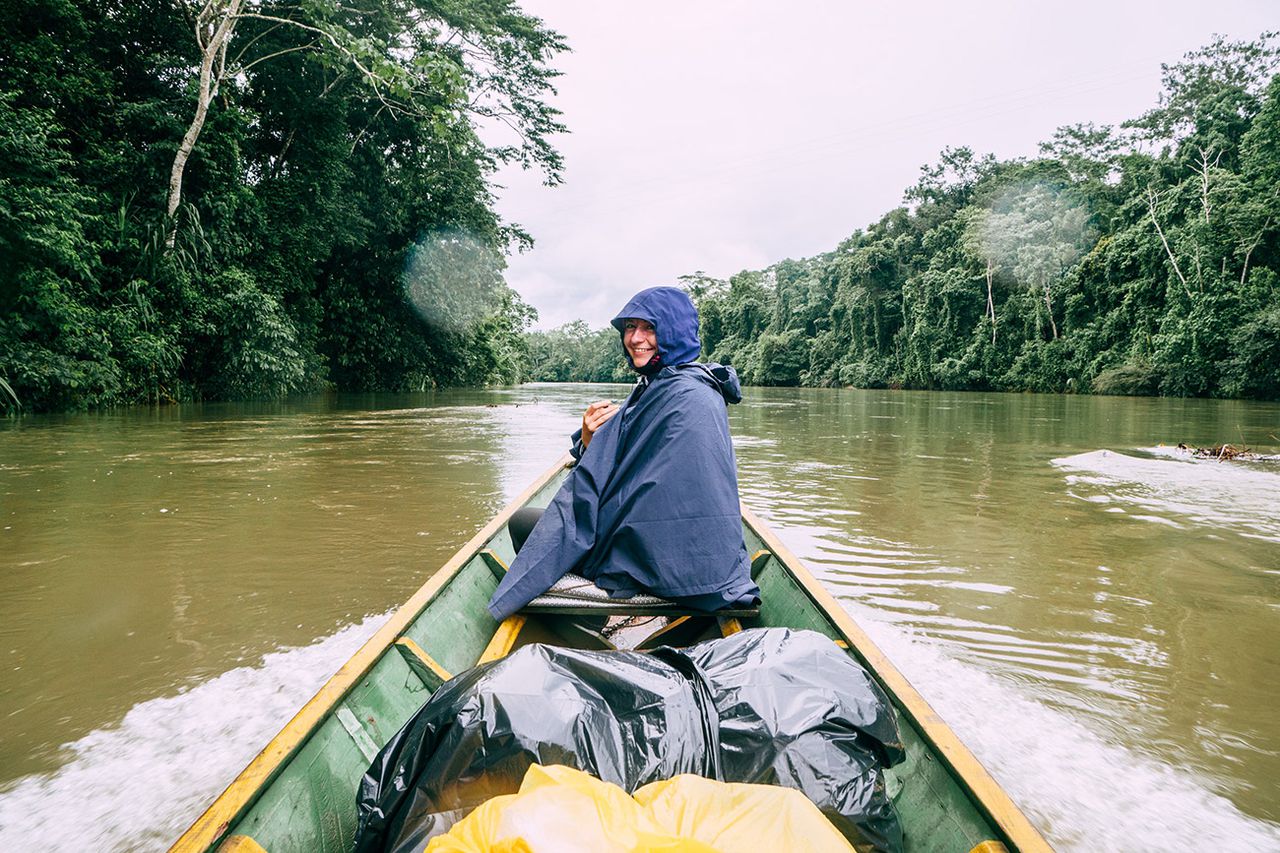
There are only three of us in the boat, and I still cannot believe. The first time for all the time we have almost our own boat, on which we can go where we want, when we want, and we don’t have to beg anyone, explain anything. This is science fiction. Our motorist is a large and friendly uncle of about fifty, he is Auchanine and even a certified translator from Auchane to Spanish. What you need.
Three hours of journey in the pouring rain - and we turn. There is a knee -deep depth, every time I look at the approaching thresholds with horror. Each time we slip a miracle: lucky with a motorcycle. The samples of a new scriptonite album beat in my ears: I don’t want to drown out to the surrounding violent greenery, but I want to drown out a monotonous chatter.
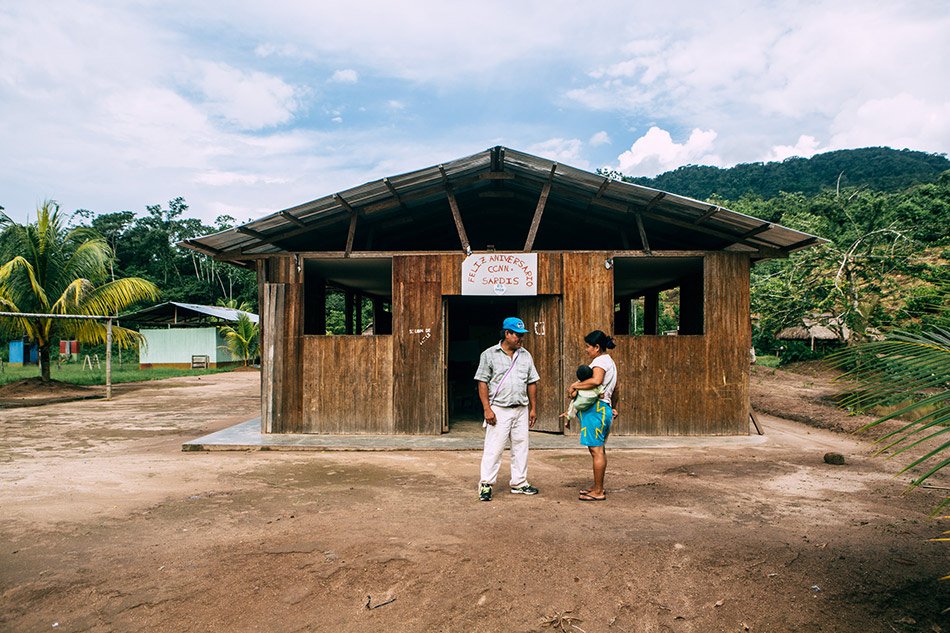
The exit to the land is like a breath in full chest: the expectation ended, the work began. The village, where we got, first seems large: at least a dozen houses, scope, courtyards, in some places even galvanized roofs that came to replace the traditional from palm leaves. The head of the village, La Jefa, is a woman named Leonilda, she meets us with her daughter. Hefa has a serious look and warm hands. By evening, I will love Leonilda forever: having heard that my back hurts, she will weave a bright green lounger from the leaves of a coconut palm. We will wallow in the yard and chat, like old acquaintances, about everything in the world-and I can’t believe that it was here that people were found with whom the whole distance evaporated somewhere.
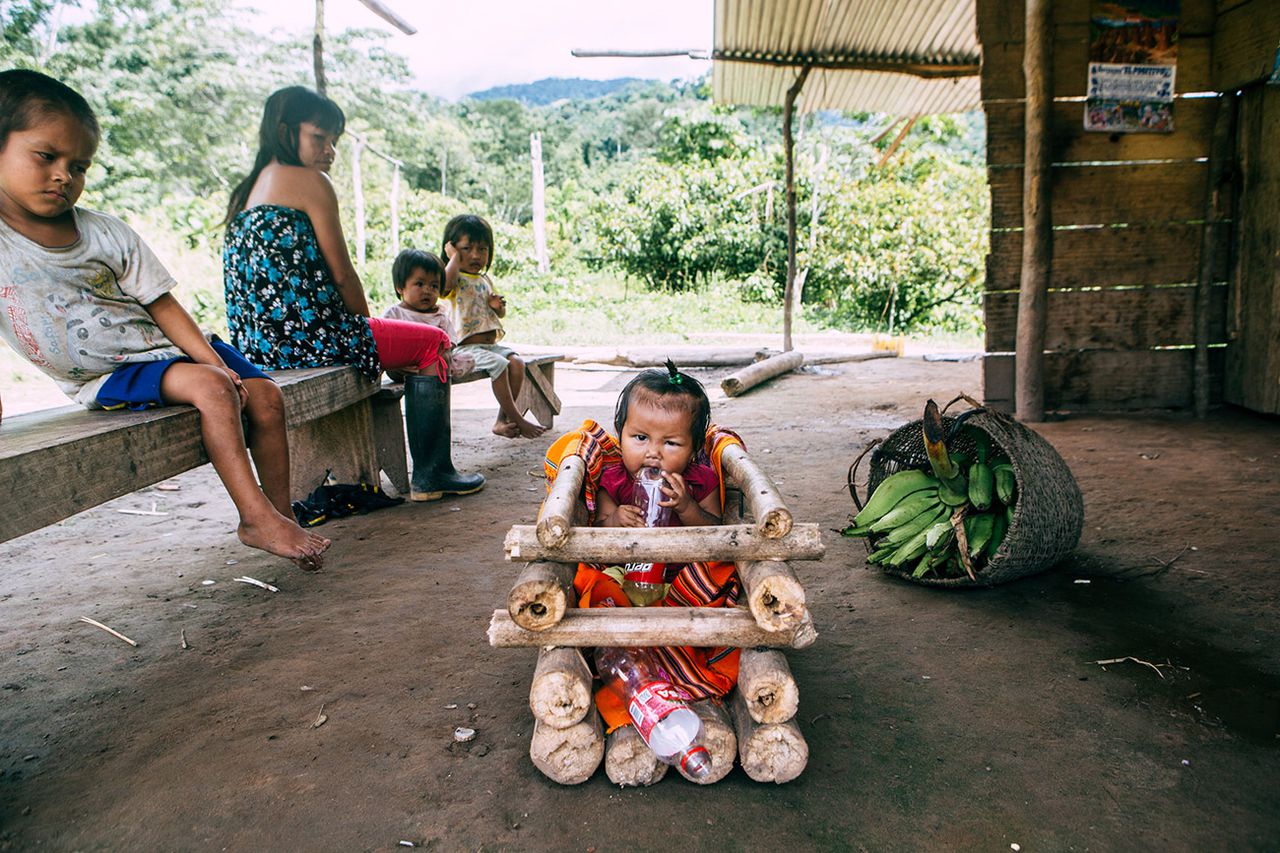
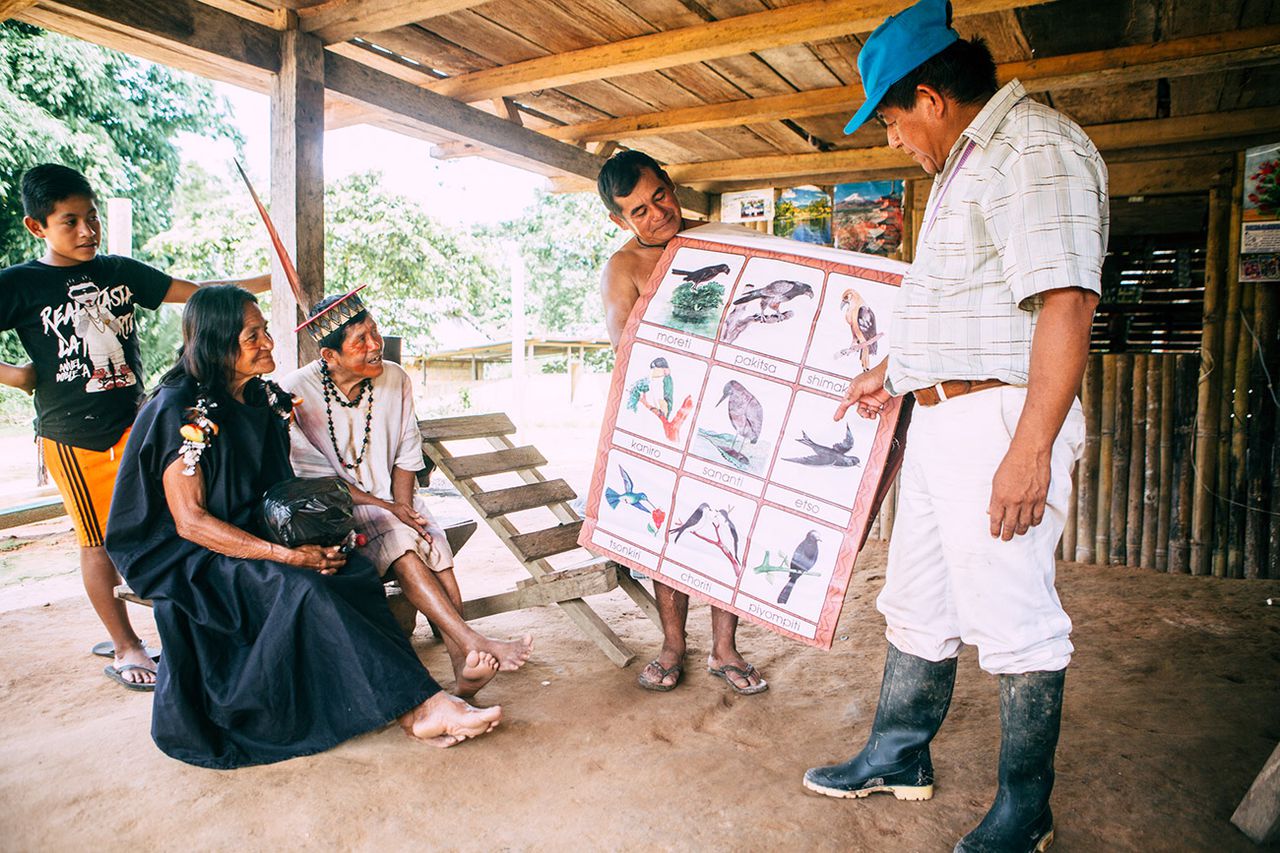
The whole bright day we run around the village as children: there is an uncle in a national suit called Kushma (otherwise, as you through Kuchma and you won’t remember), here the twelve -year -old beauty came to the communal house with a bright green parrot, now we are standing knee -deep in rotten foliage and examining the dried cocoa tree. Sanya directs: we will take it away, and this is so. Leonilda makes a large announcement on the loudspeaker, and the inhabitants of the village come to greet us - there were very few of them, because everyone went downstream to cultivate their fields. There they also have temporary houses called chakra.
Scary satisfied, fall asleep in the tent. Large drops of rain slowly begin to drum on the roof. So it will be every day.
San Juan de Dios
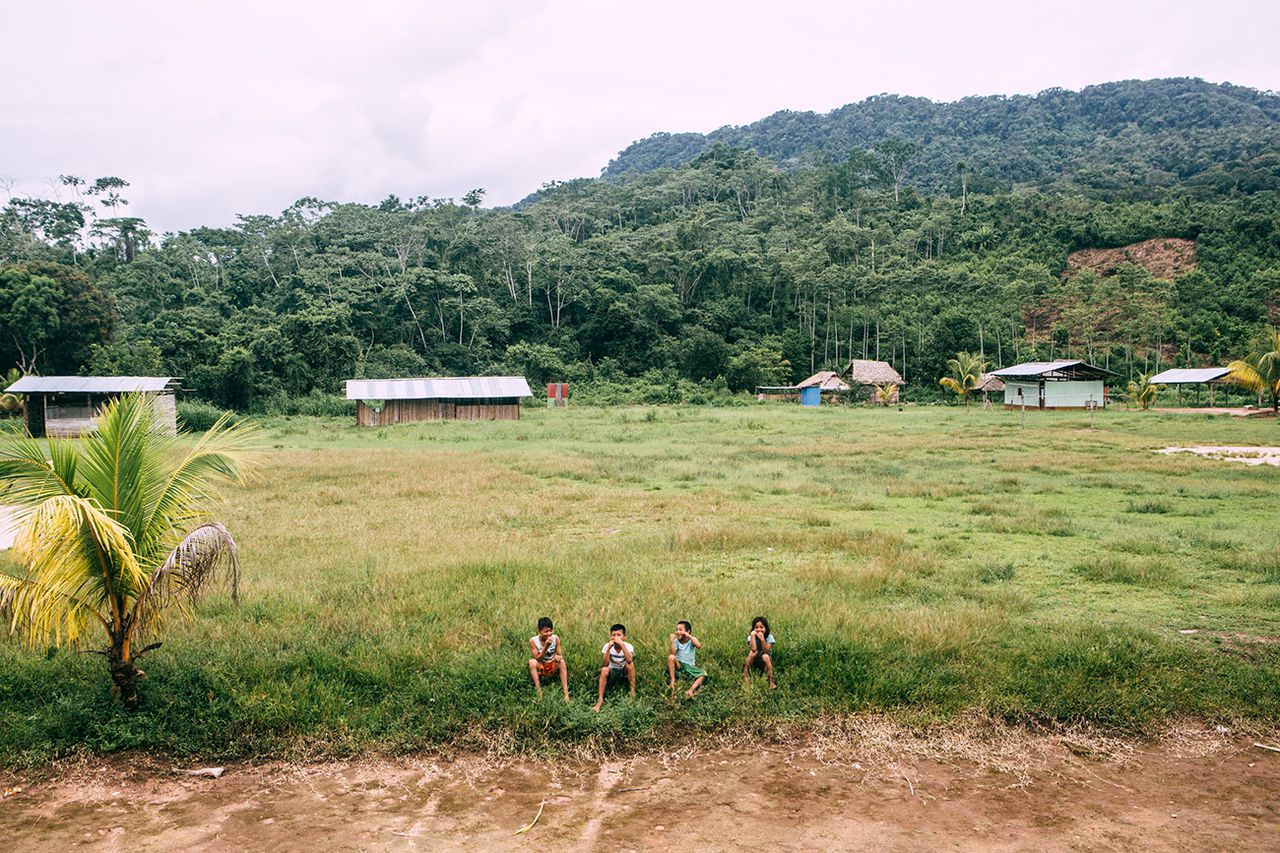
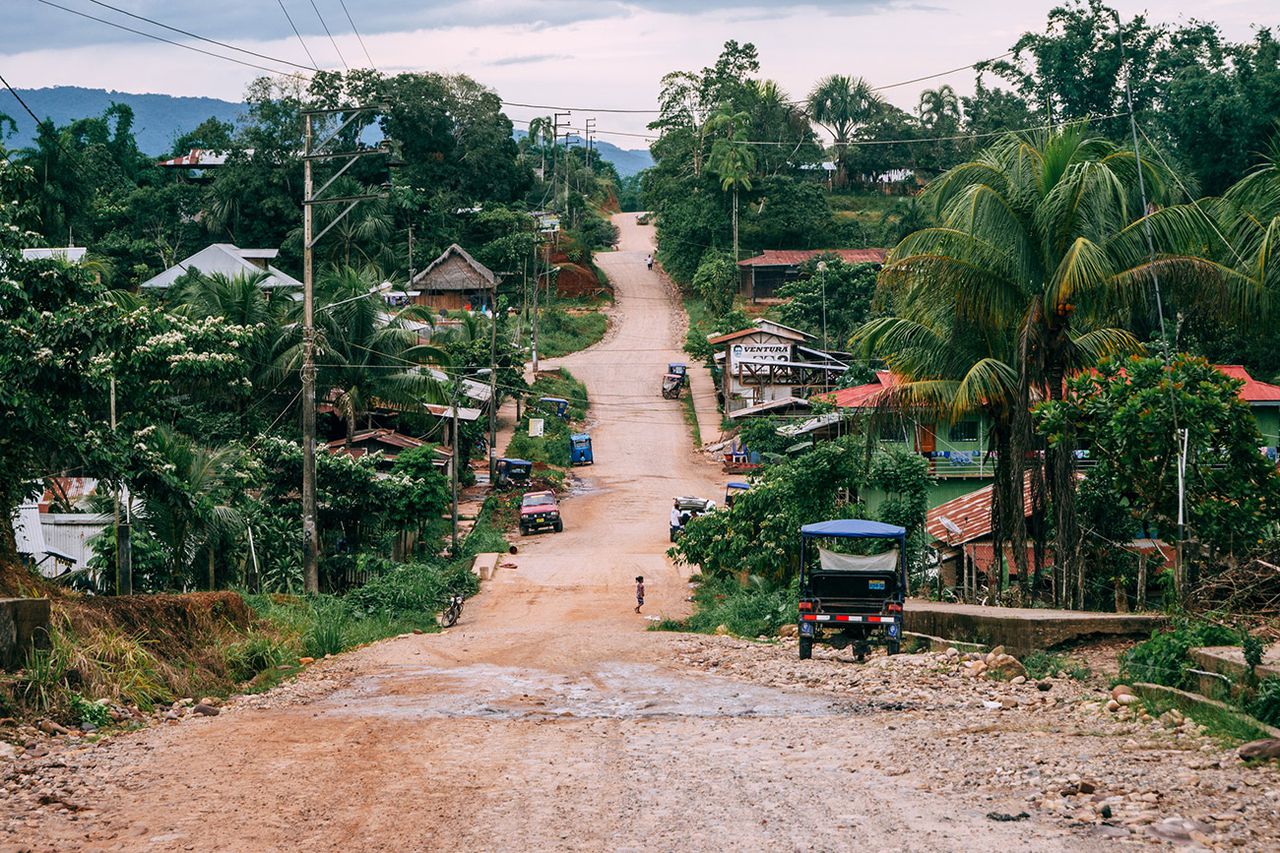
We are again in the boat, again we float forward. To take more pictures of real life, we go to a large village San Juan de Dios-they say that someone even has electricity there. He is very close, less than an hour. Also extended along the runway, San Juan de Dios is very photogenic: bright flowers and trees, wooden houses, rivers and ravines. It turned out that our guide is called Efraim and his family lives here.
The sun comes out, until the evening we have to hide under the roof. Efraim falls asleep right on a wooden floor of an open house on stilts - most Auchaninka now live in such houses. Later it turns out that we have neighbors: the builder from Puerto-Bermedes came with his wife and daughter to help relatives with a new house. In contrast with the locals, it becomes noticeable how alienated he holds, but the daughter is glorious, and I treat her with colorful candies.
"Do you want refreke?" - Efraim asks me when we finally go for a walk. Refressko is lemonade, roughly speaking, and I always want this. "Cocoa!" - exclaims a woman, starting a mug into a huge bucket. I am already waiting for her to get her complete cool chocolate, but instead I get a thick transparent drink, slimy in appearance, but tasty. It turned out that cocoa beans in the fetus were surrounded by a whitish pulp, similar to Thai mangostin. Therefore, the beans are shaken out of the fruits into the bags, the pulp is drained by juice, and the beans themselves are washed and then fermented on the scorching sun.

Of course, we run to look at the fields again-we hope to find someone there. The children of Efraim are departing with us: the son of Brian, the daughter of Claudia and their younger brother of about five, who is embarrassed to name his name. San Juan de Dios was founded by US missionaries from the USA, and now in parallel with the Spanish names in the USA. Children persuade my younger brother to give me a flower that is found in a recently scorched field. Auchaninka is still used by subseral-ozny agriculture, which makes the meager soil Selva a little more fertile. But such a field serves no more than three to four years, so the deforestation moves further and they have to build temporary houses. Previously, Auchaninka was semi -naked, but now everything has changed.
- Hey, Senorita, this is for you! So as not to fall! - Children solemnly give me a stick with a bifurcated end, like a snake's tongue. The stick turns out to be ingenious: slippery clay slopes are really difficult to overcome without falling on the ass.
I continue to give out sweets. Actually, I do not like children, I do not understand them very well, and they rarely accept my personal space. But these are such cool ones, especially in contrast to terribly spoiled by the Peruvian boys from the “big land” that the next day I will even sadly ask Efraim: “But what, children will not go with us?”
Haniani
Surprisingly, in the most developed village of the district, we found everything we needed. Auchaninka has been living side by side with modern civilization for hundreds of years, they have mobile phones, televisions, one of the local school graduates studies at prestigious universities. They did not preserve the traditional dwelling, they grow unhealthy rice and many other crops, they ride motor boats and fish with the network.
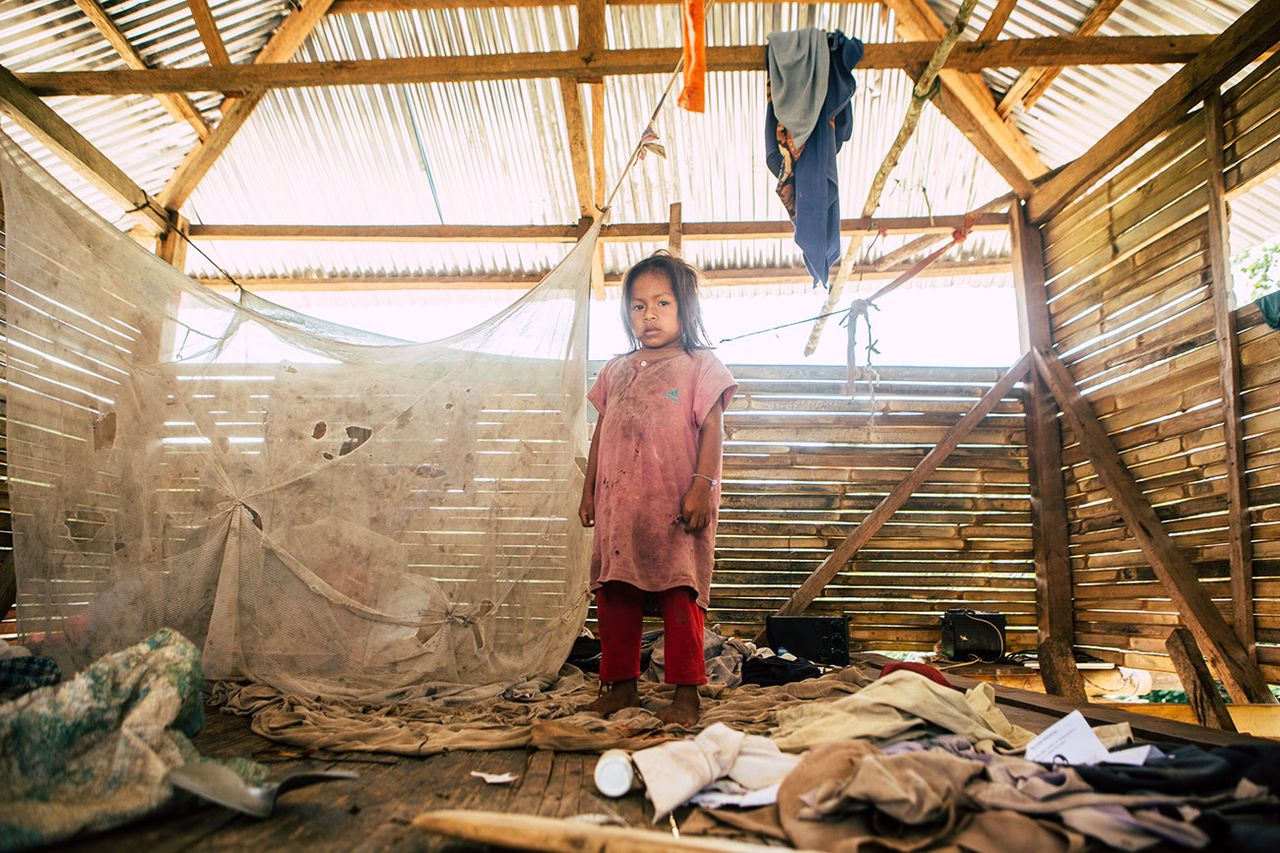
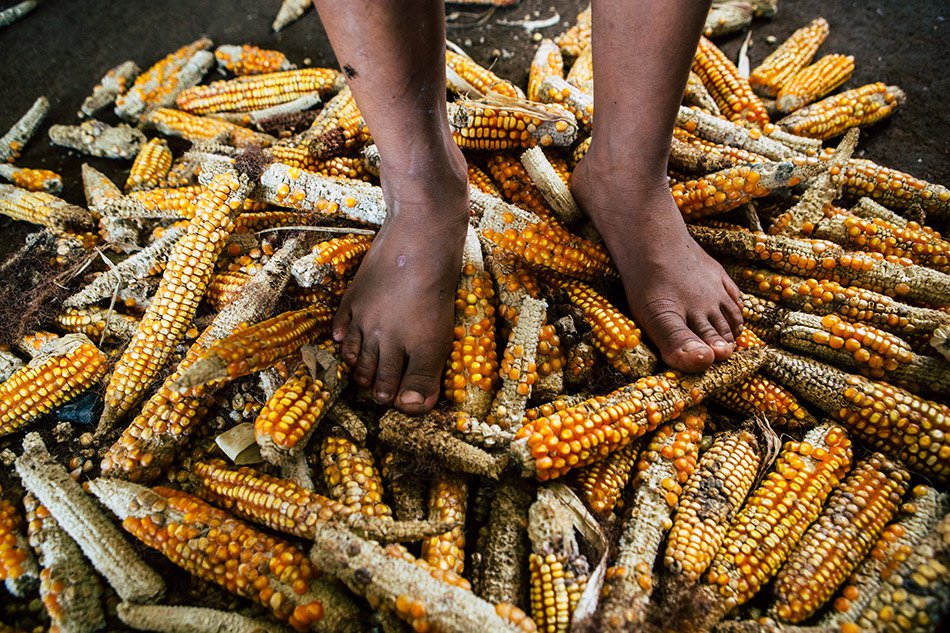
But these same people are fishing with onions in the dry season, hunting with arrows because they are cheaper than gun cartridges, weaving baskets and weaving clothes - though not from their own cotton, but from purchased yarn, but still manually. A conventional bonfire often serves the hearth, and guests are met without fail by drinking Masate - a fermented liquid from a chewed manico, which is very reminiscent of Russian white kvass. Traditional clothing is stored in every house, and it is worn in honor of the holidays. The old and modern intertwined so closely and so long that they became a single new one. And in this new excellent people grow: lively, lively, smart and very cheerful. Although there are a lot of reasons for sadness: here they still die from the bites of snakes, from numerous cured diseases that white people once brought, and did not provide medicines. “Death in childbirth is a common thing. Infections, tuberculosis, flu. And very often people die in an attempt to reach the doctor. Look there to the mountain. There are a lot of rans. To some - more than eight hours on foot. They have no chance, ”Efraim answers my questions.
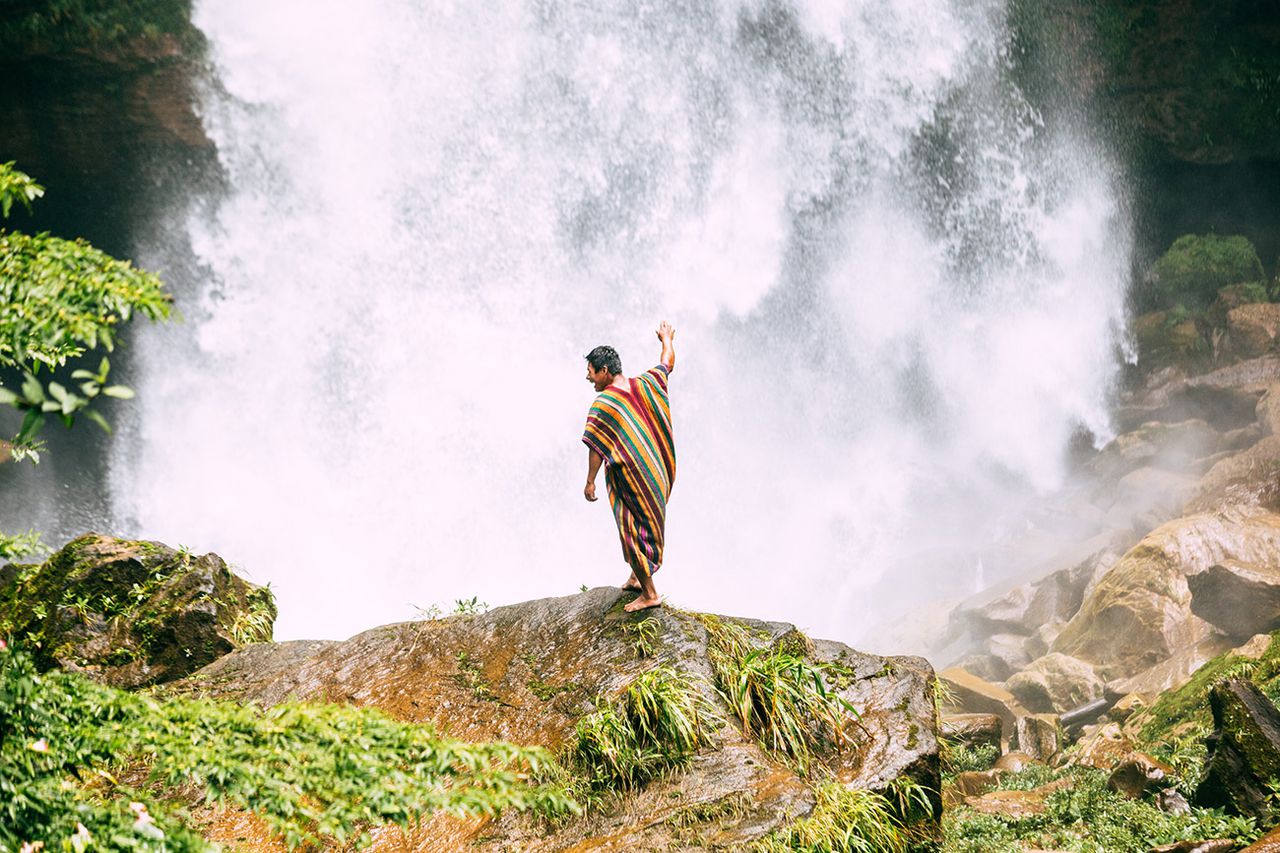
We ourselves have a hard day: we waited for the rain, we took the conductor, captured a little food and go to the Haniana waterfall: the most in the district. We hope to take worthy photos for the project there, even if you have to go for three hours over the overgrown selva after night downpour. And we are already starting to get tired of it, the bites of mosquitoes and midges, combed in Bermodeza, already multiplied and filed, the body under dense closed clothing - another in the selva and do not use, itching - itching and itching, sweating is poured with a stream, so wet. For three hours to go down the hills and climb on them, rising higher and higher for tens of kilometers from tourist trails, where the locals do not go - this is not a walk along the Boulevard Ring.
Хотя поначалу тропа очень лёгкая, даже удивительно. Саша смеётся: «Смотри, это похоже на дорогу! Вот колеи, вот середина, надо же!» Я тоже смеюсь — откуда тут дорога, так далеко от автомобилей и города? Потом случайно выяснится, что мы угадали: пятнадцать лет назад одна компания решила построить на Ханариани ГЭС, чтобы снабжать Сан Хуан де Диос бесплатным электричеством. Местные жители так обрадовались, что работали бесплатно — проложили дорогу, затащили кучу железа. Бесплатное электричество волновало их намного больше, чем природная достопримечательность, и их можно понять. Но это же Перу, так что в какой-то момент очередная коррупционная схема дала сбой, и стройка прекратилась. Дорогу разрушил лес, но её всё ещё можно различить — и она даёт первые километры относительно лёгкой тропы.
Я тащусь позади: идти всё равно тяжело, болят колени, льётся ручьём пот. Я иду медленно и аккуратно: пусть лучше я приду последней, но не упаду и не поранюсь. У нас нет страховки, так что любой перелом — это большие деньги, а денег нет. Чтобы сэкономить, нужно идти осторожно. Впереди крики и лязг мачете: что, что случилось?
Почти бегу, плюнув на предосторожности, — оказывается, нашему проводнику, который шёл первым, попалась огромная ядовитая змея. Ей сразу отсекли голову, а оставшееся туловище всё продолжало извиваться: когда Ефраим поднял мачете со змеей без головы для фото, она спиралью обняла лезвие — и так и застыла. Длиной около метра и толщиной сантиметра три, эта змея оказалась смертельно ядовитой — хорошо, что мы в своих шлёпках шли позади.
Последние метры даются очень тяжело, склоны настолько крутые, что кое-где приходится подтягиваться на руках. Мы уже совсем близко, в воздухе прохладная взвесь, почти дождь, кругом шум, но самого водопада не видно почти до конца — такая интрига, что ты уже не знаешь, надо ли тебе на него смотреть. Даже Брайан с Кло, которые дурачились и поддразнивали друг друга всю дорогу, притихли и сосредоточенно лезут дальше, пыхтя.
Шаг, шаг, я последней втягиваюсь на крошечную площадку — и вижу его. Две огромных ступени драконовых скал, и с них валится бурным потоком внушительная река. Мы радуемся как дети — правда, водопад поглощает все наши слова и восторги, они тонут в водяном гуле. Мы бежим ближе, ближе, уже не по земле, а по скользким камням. Wet. Мы мёрзнем и ждём Сашу, который застревает где-то на склоне, фотографируя панораму. Проводник отдаёт детям свою тёплую кушму, и они залезают туда вдвоём.
Я с детства боюсь воды. Плаваю очень плохо, до дрожи в коленках пугаюсь мостов над водой: чем больше они качаются и чем ненадежней сделаны — тем хуже. Но я с самого начала решила, что искупаюсь в водопаде. Мне нравится, что в Ханариани нет ничего священного, нет никакой лжи — это чистая красота, и рядом со мной те люди, которые в этой красоте выросли и продолжают жить. Я неуклюже сползаю по скользким камням и погружаюсь в холодную воду, которая накатывает волнами. Немного страшно, но хорошо. So it should be.
Epilogue
Через два дня я проснусь от страшной боли во всём теле в горной деревушке Ла Флорида, куда мы накануне с трудом поднимемся со всеми вещами на плечах. Ночь будет холодной, и я спишу всё на ломоту из-за температуры и походов. Утром у меня будет температура 38,5. Саша скажет, что мы уже сняли всё самое необходимое, и лодка помчит нас в медпункт, где мне вкатят такой укол, что температура пройдёт навсегда. Сейчас я в Икитосе, и у меня всё ещё страшно болит горло, но мы движемся дальше, к индейцам тикуна в Колумбии. Надеюсь, что у нас всё получится.
Если вам понравился этот материал и идея проекта, то журналистов можно поддержать — на planeta.ru открыт сбор средств.