
Translated material
Cleveland Indians, the baseball team, abandoned its symbol - the leader of the Vakhu. The American Indians sought this half a century
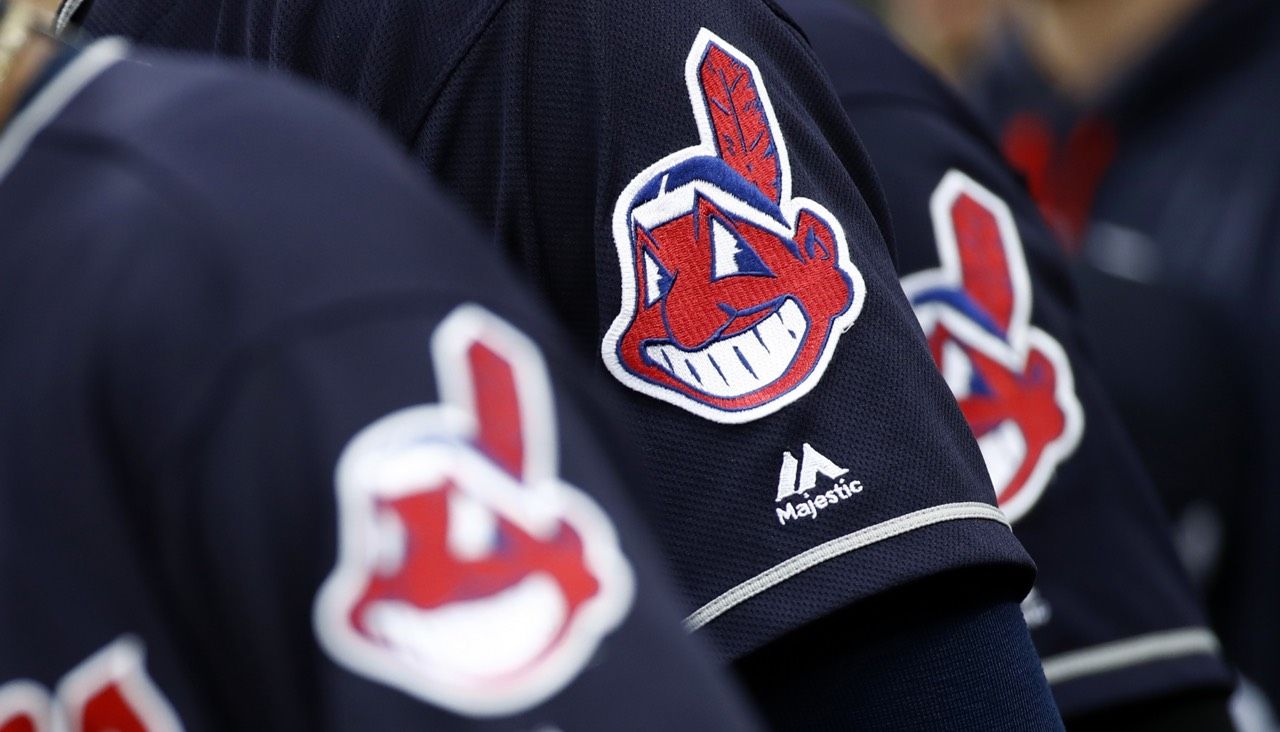
On January 29, the main baseball league (MLB) of North America announced that the Cleveland Indance team from Ohio refuses to use the caricature image of the Indian leader Vakhu as its logo. Since 2019, the drawing will completely disappear from the equipment of the team and will not be used in the design of its home stadium "Progressive-films" in Cleveland.
The fans of the team, who continue to love and read the red -skinned Vakhu, will not be prohibited by the entrance to the stadium in symbolism with its image. Also, Cleveland Indians do not intend to change the name of the team. The logo with a red -skinned Indian will remain on souvenirs, which can only be purchased in a limited number of stores. As the team owners explained, they are forced to maintain control over the brand and maintain a certain level of retail trade symbols with the leader of the Wahu so that the logo cannot be used by third parties.
Cleveland Indance had to abandon its main symbol after the multi -year accusations of the team of racism. Representatives of the American Indians pointed out that the image of the leader of the Vakhu is an inappropriate racist caricature based on ethnic stereotypes and prejudices. The protests on this score have not subsided since the 1970s.
A portrait of a cartoon smiling Indian was drawn in 1947 by order of the owners of Cleveland Indians, 17-year-old artist Walter Goldbach. Soon, the drawing began to regularly appear on the form of the players of the team, and in 1952 the already converted logo received the official name leader Vakhu. In the same way, in the 1930s and 40s, the popular newspaper comic book was called in the USA. In addition, such a nickname was worn by the Pither of the team Ellie Reynolds, an Indian-maski Indian.
For the first time, under the pressure of human rights activists, the team wanted to get rid of the Indian logo back in 1994, having moved to the new progressive-films stadium. But then a group of fans launched the public campaign “Save our leader” and collected 10 thousand signatures in defense of the Wahu, after which the leadership of Cleveland Indians abandoned their plans. Nevertheless, at home matches, groups of protesters were constantly gathering in front of the stadium, whom the management of the team and local police had to protect the fans from the anger.
Since the beginning of the 2010s, the leader of the Wahu began to systematically supplant from club equipment, first from the team baseball caps, then from the helmets of the players, and in 2016 the owner of the Paul Dolan already said that the main logo “Cleveland Indance”-a large red letter S. In the same year they filed a lawsuit in Canada, demanding to prohibit baseball players in forms With an Indian during playoff games against Toronto Blue Jace. Finally, in 2018, Dolan admitted that, despite the long and glorious history of the team, it is more unacceptable to enter the field with the leader of the leader Vakhu.
Representatives of the US National Associations have already welcomed the decision of Cleveland Indance, but at the same time complained that its implementation was postponed for 2019. “I don’t understand why you have to wait a whole year. And if they still do not get rid of their name, then the fans will mock our culture and spirituality. They will continue to paint their faces in red and wear feathers in matches, ”the executive director of the indigenous peoples of OGIO Philip Jenio told The Washington Post. In turn, the descendant of the Indian tribe of Onida Joel Barkin believes that the ban on VAHA for the players Cleveland Indians should also concern their fans.
In the United States, practice is widespread to give sports teams "Indian" names and use the appropriate symbolism. Among the most famous are the baseball team of Atlanta Braves, the hockey Chicago Blackhouks, as well as the Kanzas City Cits and Washington Redskins, American football teams. In past years, many "Indian" teams at the school and university level had to change names due to attacks of human rights activists. But now the owners of top clubs are in no hurry to abandon their brands and logos: they believe that they glorify the history of the indigenous peoples of America.
Alexander Filimonov