
Translated material
"Great" five and Sobchak
The myth of record competitions in the elections was debunked when the time came to take signatures. Only experienced politicians and TV star coped with this
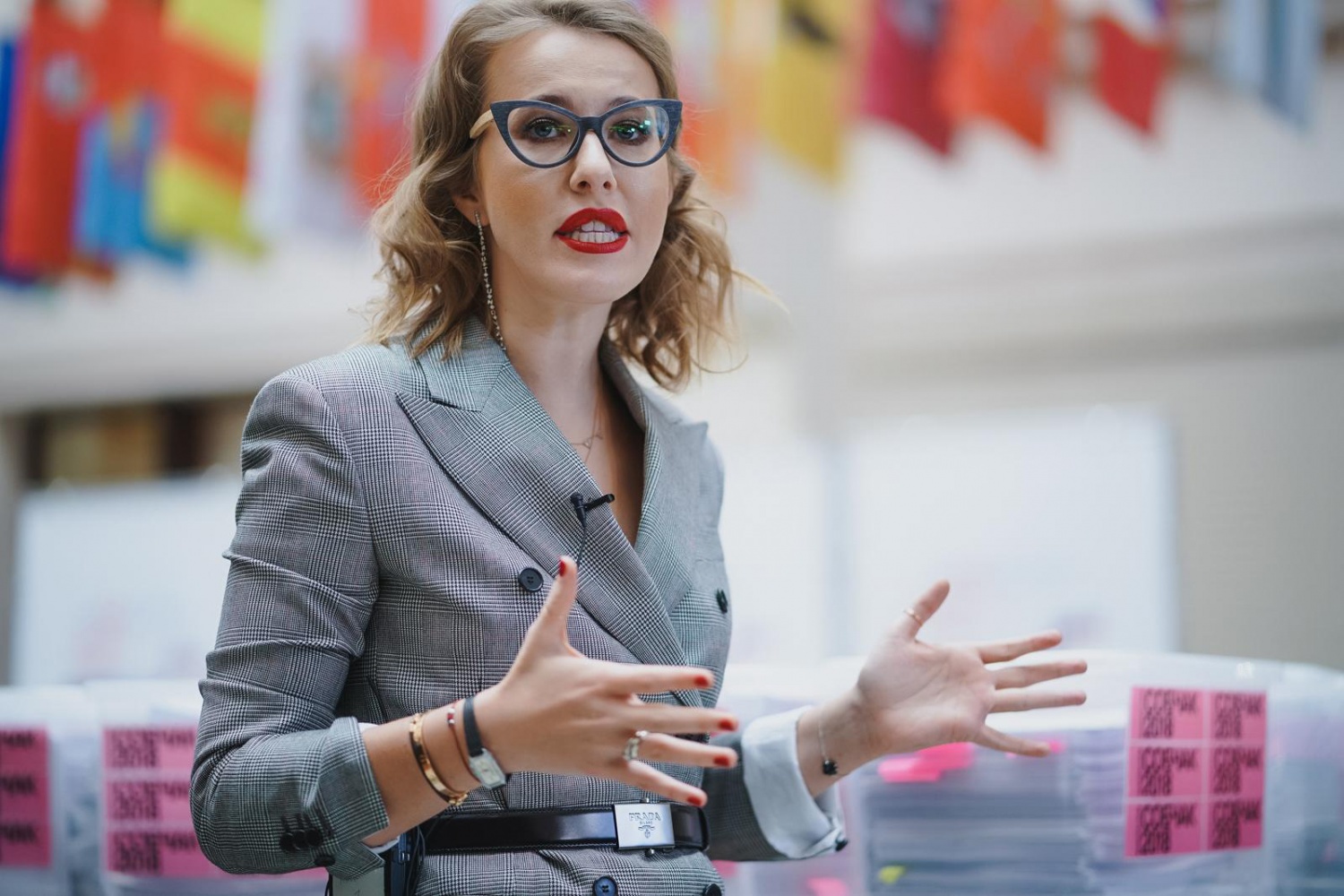
Photo: sobchakprotivvvseh.ru
The Record could not resist
“In general, these elections can be called record in the number of people who somehow declared themselves, and in the number of women-young, active, attractive,” the secretary of the Mayan Grishin, the fellow citizens of the CEC, reassured. “Women work quite successfully,” she continued, out of 13 candidates who need autographs, “collecting Sobchak, Gordon, Lisitsyn, Volynets, Agurbash.” And she concluded patho: "Of course, this is not 50%, but we are approaching."
But this joyful news of the great excitement in the elections, the democracy of the procedure and the active participation of women in the highest Russian politics, lasted less than a week. By the end of Wednesday, January 31-the last day for subscribing to potential presidential candidates-it became clear that of the named applicants, only the daughter of the first mayor of St. Petersburg Ksenia Sobchak, the most famous in this campaign, had a chance to go to the finish line. But in general, only six participants in the “qualification tour” and only one self -nominated - Vladimir Putin coped with the collection of signatures. Despite the fact that initially 46 self -nominated people announced the desire to run, and 15 of them were handed over to the CEC.
It was Putin, the first of the candidates, on January 29, he handed over 315 thousand signatures. His headquarters reported on the collection of the required number (300 thousand) of autographs back in mid -January. But the collection continued, and in total more than 1.6 million signatures were received, from which more than a million was not necessary.
The second day after the chief candidate in the CEC brought signatures for the oldest participant in the presidential campaigns, the founder of Yabloko Grigory Yavlinsky. The third was the authorized Putin to protect business Boris Titov (on the same day it turned out that he was in the “Kremlin list” of the United States - a list of politicians and businessmen close to Putin who can threaten sanctions).
On the last day of the semi-finals, the TV presenter Ksenia Sobchak from the “Civil Initiative”, the former Vice-Speaker of the State Duma Sergey Baburin from the “Russian National Union” and Maxim Suraikin from the “Communists of Russia”, passed the signatures.
Did not reach the final
After that, the reception was formally still going on - the CEC took autographs until 18 hours - but no one else appeared. Many potential candidates have lost the distance long before that.
Irina Volynets from the People’s Party of Russia and Stanislav Polishchuk from the party of social reforms removed in favor of Putin. At the same time, both politicians stated that they managed to collect the necessary signatures, and their decision was connected with similar to Putin's views on the management of the country (although at least the name of the Polishchuk party should not).
Mikhail Kozlov from the "social protection" in the CEC nevertheless appeared. But instead of signatures, he brought empty sheets and stated that he could not ensure the funding of the campaign. At the same time, he frankly admitted that he did not want to spend his own money on nomination.
Both politicians stated that they managed to collect the necessary signatures, and their decision is connected with the similar to the management of the country similar to Putin's views (although at least the name of the Polishchuk party did not follow)
For another reason, the deputy of the Kostroma region, Vladimir Mikhailov, refused to struggle (appeared in the reports of the federal media as a scientist-inventor)-the only self-nominee, in addition to Putin, made by the CEC before the collection of signatures. He admitted that he did not have enough federal fame to struggle at such a level.
In mid -January, she decided not to participate in the race, a candidate who had just fame - TV presenter Ekaterina Gordon. She, as she claims, managed to collect signatures, but she allegedly did not want to be part of the “show”. At the same time, she added that she intends to start creating her own party.
The representative of the “front of the front” Natalya Lisitsyn still brought the signature to the CEC, but they were not enough-the commission provided 90 thousand autographs at 100 thousand necessary. The representative of the Green Alliance Elvira Agurbash simply did not appear in the CEC, although two days ago she claimed that she intended to continue the struggle even contrary to the calls of the party associates.
At an even earlier stage, the former political strategist Anton Bakov, nominated from the Monarchical Party, and the ex-deputy of the State Duma from the LDPR Roman Khudyakov, representing the party “honestly” resigned. Bakov said that he intends to achieve the recognition of the state “Romanov Empire”, and therefore, as a person with dual citizenship, he cannot be a participant in the race. Khudyakov, on the other hand, explained that he had collected signatures, and he was removed again in favor of Vladimir Putin, as he considers it important to unite around the current leader.
Not victory, but participation
The CEC has 10 days to check the signatures provided by candidates, only by their results will be known to Putin competitors in this election. But it is already clear that only experienced politicians reached the final, some of which (the Communist Party candidate Pavel Grudinin, Baburin, Titov, Suraykin) managed to visit two or more parties.
“Social activists train supporters of supporters, for them it is like training. Someone is spinning for future elections. But this is not about the impact on the result, this is completely different. "
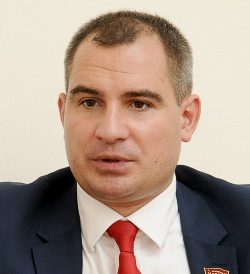
The least known
From presidential candidates
Photo: President-rf.ru
Only 39-year-old Maxim Suraykin, who founded the Party of the Communists of Russia in 2010, can be considered a relative beginner. But earlier he made a successful career in the Communist Party, and in 2004 he became the first secretary of the revived Komsomol (SCM). He tried to nominate from the new party to the mayors of Moscow and participated in the elections of the governors of Nizhny Novgorod and the Ulyanovsk region (gaining a little more than 2% of the vote).
The election expert Alexander Kynev in his Facebook notes: the March elections for current participants are more “promotion for the future” and training, and not a real struggle. “Organizations of observers simply cannot without elections, and they can be understood, they cannot stop their work. Social activists train the networks of supporters, for them it is like training. Someone is spinning for future elections. But this is not about the impact on the result, this is completely different, ”the expert summarizes.