
Translated material
"God save us!"
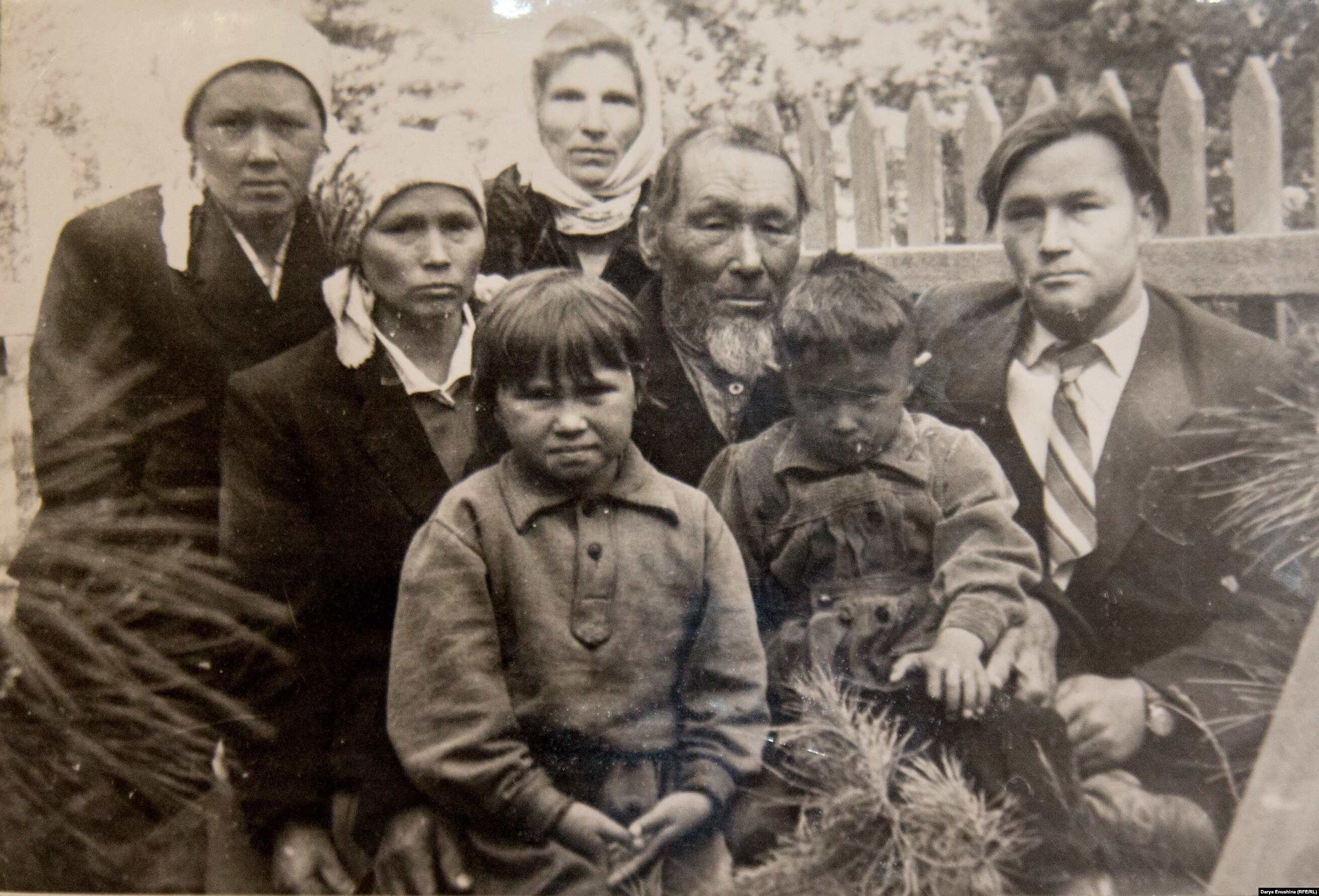
Chulymets are the endangered people of Siberia. For a long time, it was not accepted to even record themselves as a “Chuke” in the documents. People were ashamed to attribute themselves to this "wild" people. The traditions and language of the Chulymets are almost irrevocably lost. One of the last native speakers of the Chulym language lives today in the village of Teguldet, Tomsk region.
There are no words "sin" and "desert" in Chulymsky
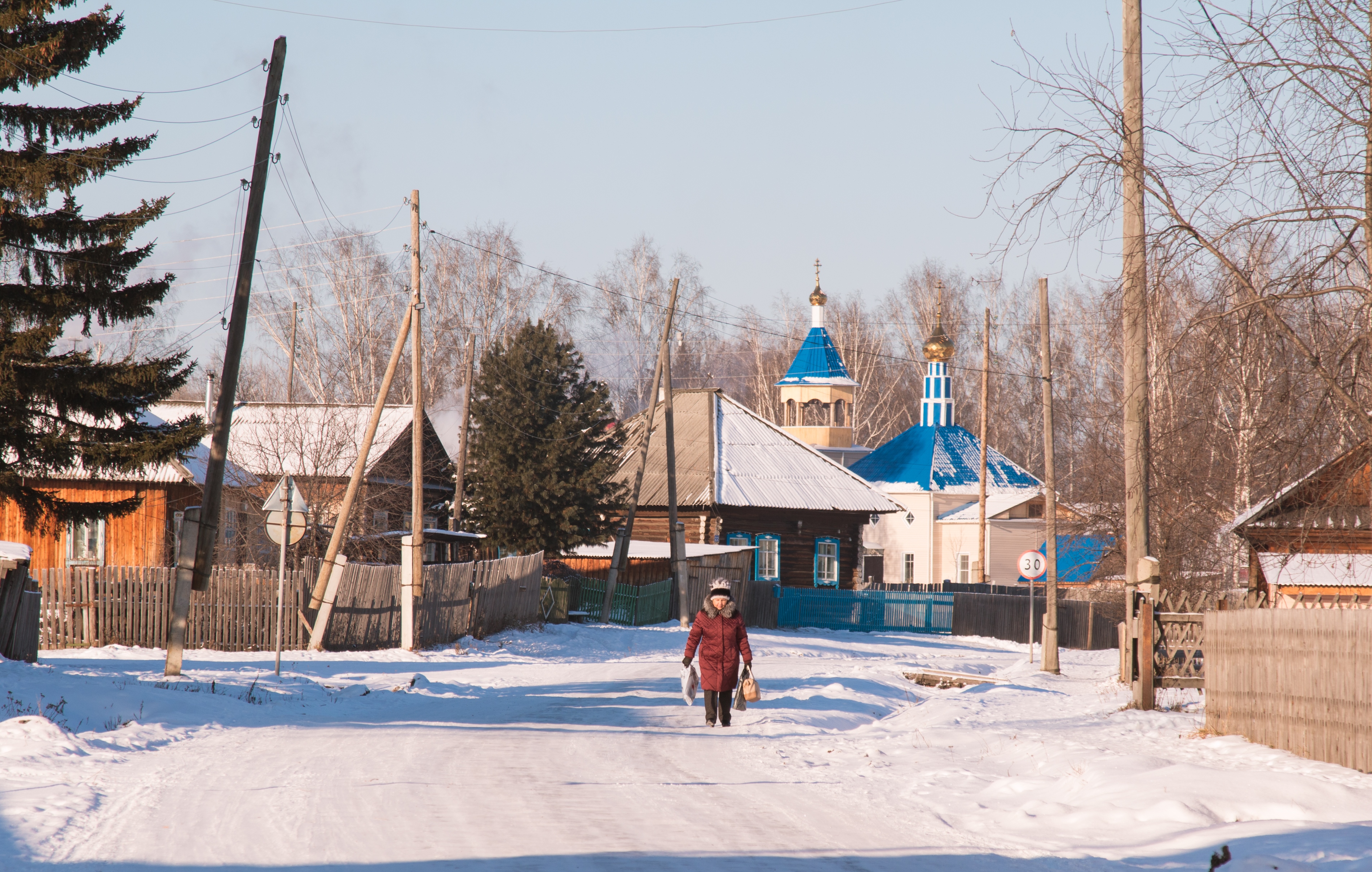
The small village of Teguldet, Tomsk Region is five hours from the regional center. It is here, according to the latest census, that almost all the Chulymets of Russia live: 187 people, about 140 Chulymets here are recorded as Khakasses. There was a time when Chulym and Khakass were considered one people and recorded as necessary.
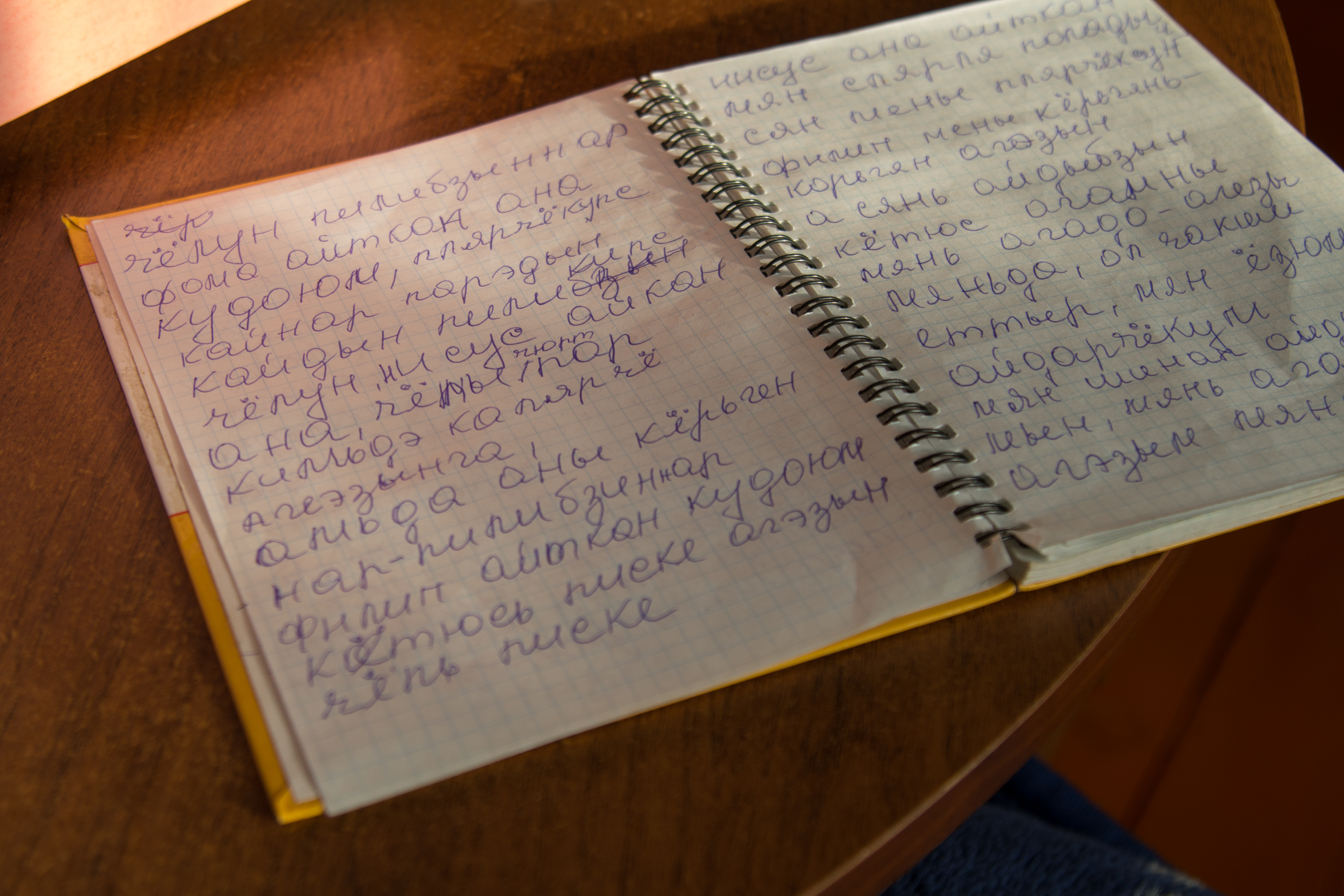
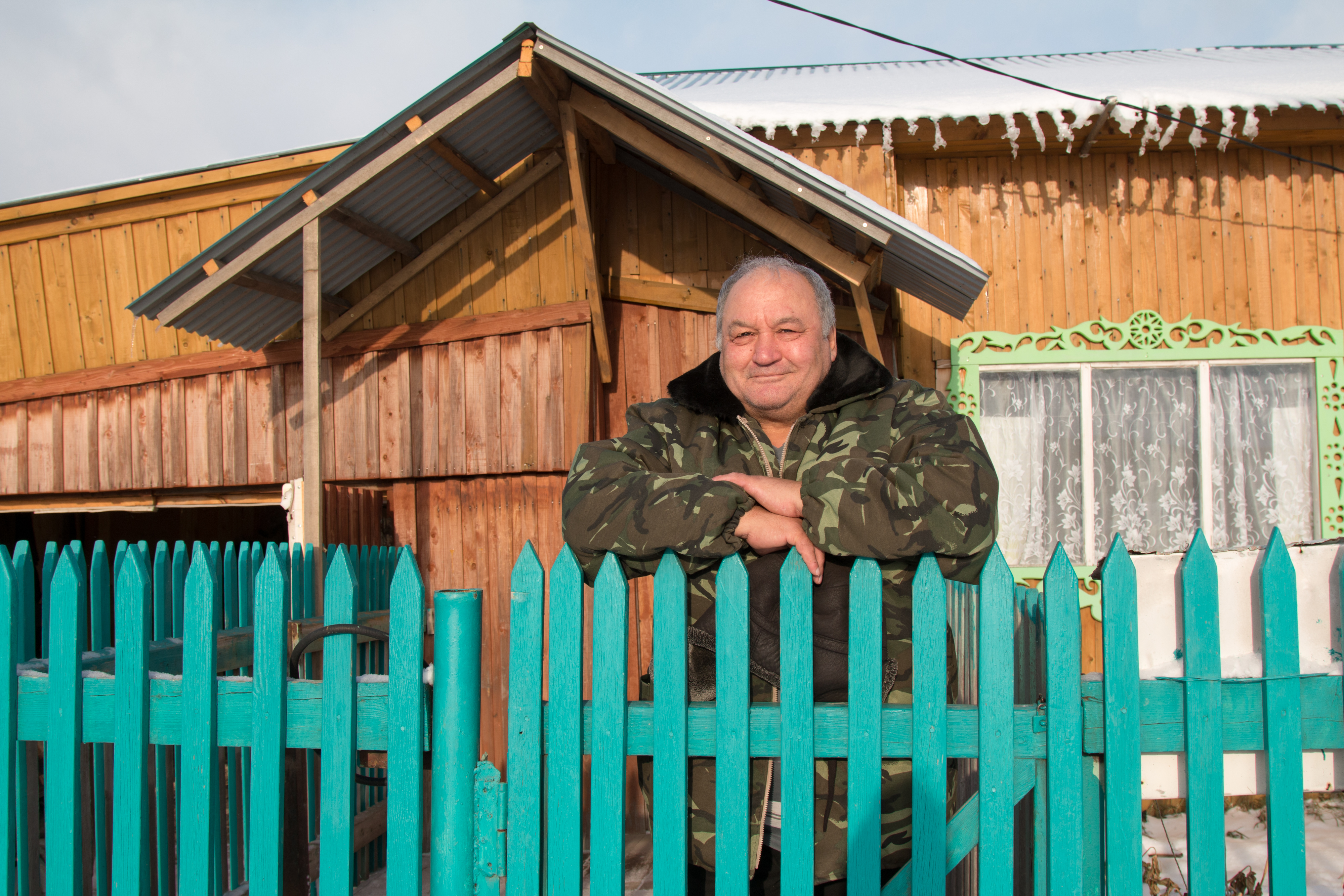
One of the last Chulymets, who speaks his native language, lives in Teguldet - Vasily Gabov. The Chulymsky language has always been uninigned, they did not write or read it, used only in everyday life and never taught at school
There are no words such as “sin” and “desert” in the Chulym, they had to be replaced with “bad deeds” and “deserted place”
Today, Vasily Mikhailovich dreams of fixing this and opening a school of his native language for everyone. True, so far, except for linguists and their own grandchildren, no one seems to be interested in obtaining this knowledge. But Vasily Gabov does not give up and continues to save the disappearing tongue: recently he began to help the missionary department in the Teguldetsky district with the translation of the Gospel from Mark to Chulymsky. The task is not easy: many words from the Holy Scripture have no analogues in the Chulymsky language.
- Priests from Tomsk come, we sit in the church, read and translate. The first two chapters have already been translated, ”says Vasily Gabov . - However, in the process we realized that the work would be difficult. For example, in the Chuke language there are no words such as “sin” and “desert”, they had to be replaced with “bad deeds” and “deserted place”. The fact that our language is unique and not like others was confirmed even by American linguists who came to Siberia several years ago. They were with me three times and recorded all the time. Recently, I also took up the compilation of the chilling of the Chuke people, I study the artifacts that are stored in our museum.
Now Vasily Mikhailovich regrets that in his youth he was little interested in the Chulym language, did not listen to the old people who spoke it better than in Russian.
- He taught him poorly, but the Chulymers had their own designations for every fish, for each beast, for every taiga bug. Almost everything is already forgotten. God forbid to keep at least grains, ”Vasily Gabov sighs.
After all, in those days there were no surnames in those days. Their Russians invented
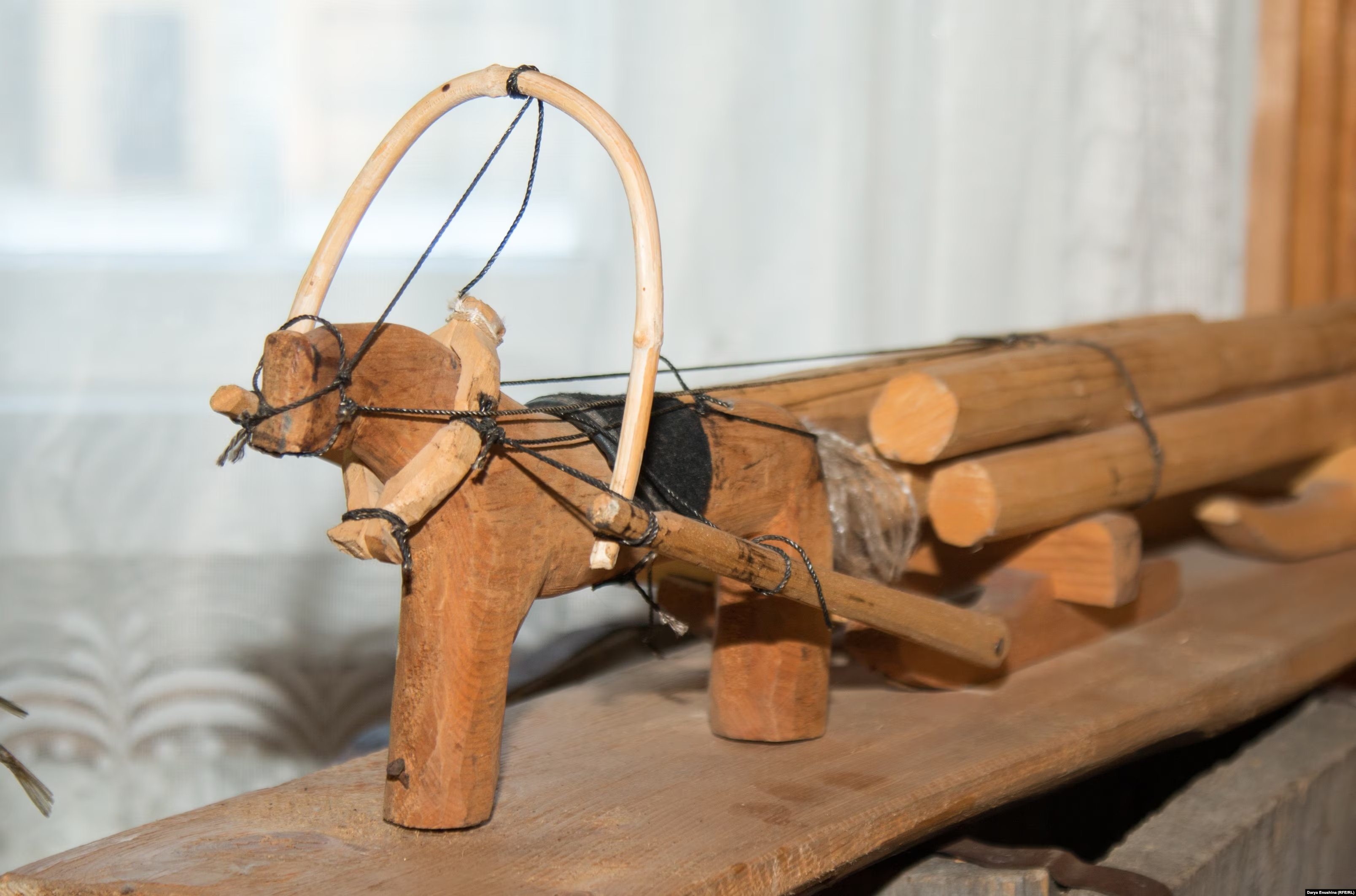
Chulymsy - Turkic people. According to researchers , the Turks settled the upper reaches of Chulym in the XII - XIII centuries. In the process of assimilation with the arrived Turks of the local Duturk population - Selkups and Ketov - the Chulym Ethnos took shape. In the area of modern Teguldet, Chulymets appeared about 400 years before the arrival of Russian immigrants here, that is, long before 1911 - the official date of the founding of the village. For several centuries, the main crafts for the Chulymets were fishing and hunting, a place of residence - dugouts and yurts.
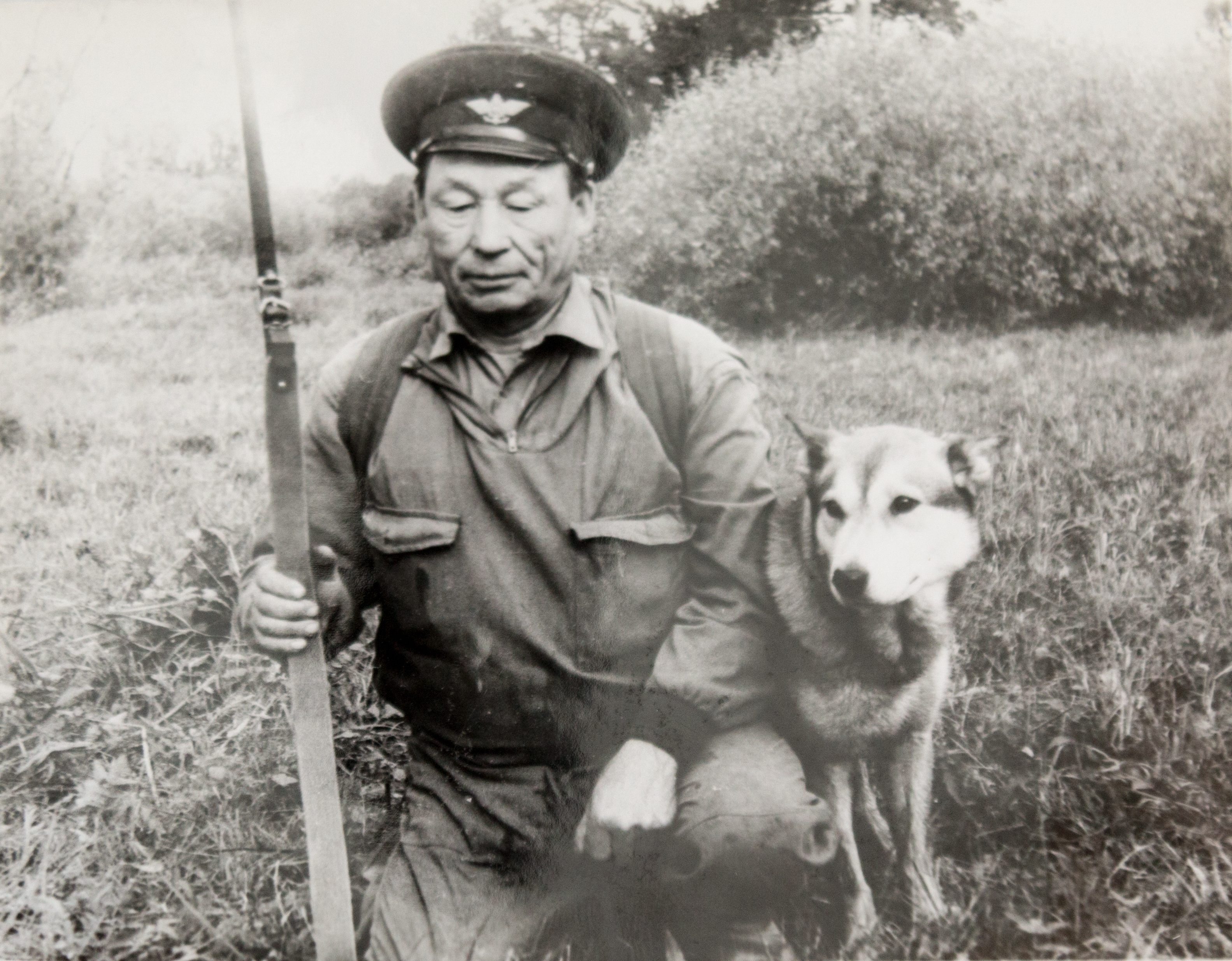
“We are regretted to state that even grandchildren, that is, the nearest generation of Chulymets, know almost nothing about national culture,” says Lidia Selyaninova, an employee of the museum of the village of Teguldet Lidia Selyaninova . -Moreover, many believe that the Chulymsy were some kind of wild and poorly educated people who could only navigate in the forest. This is wrong! Among the representatives of this small nations there are writers (for example, Pavel Barsagaev), successful leaders of different levels. Many Chulymers - the heroes of the Great Patriotic War, they were willingly taken to the front, because they shot perfectly.
The indigenous resident of Teguldet 89-year-old Aksinya Chapova-the daughter of a hunter-also knows Chulymsky. She was born that year when her father died. In 1928, three Hunting hunters, Aksinya said, went to the taiga for fishing, got a lot of beast and, returning home, met the Russian immigrants. Those pose for the rich prey of hunters and killed them. One of the killed hunters was Aksinya's father. She says that after the breadwinner was gone, the children with their mother no longer lived, but survived, because there was no one to go to the taiga. They experienced hunger, collective farms, war - did not think about the preservation of national culture.
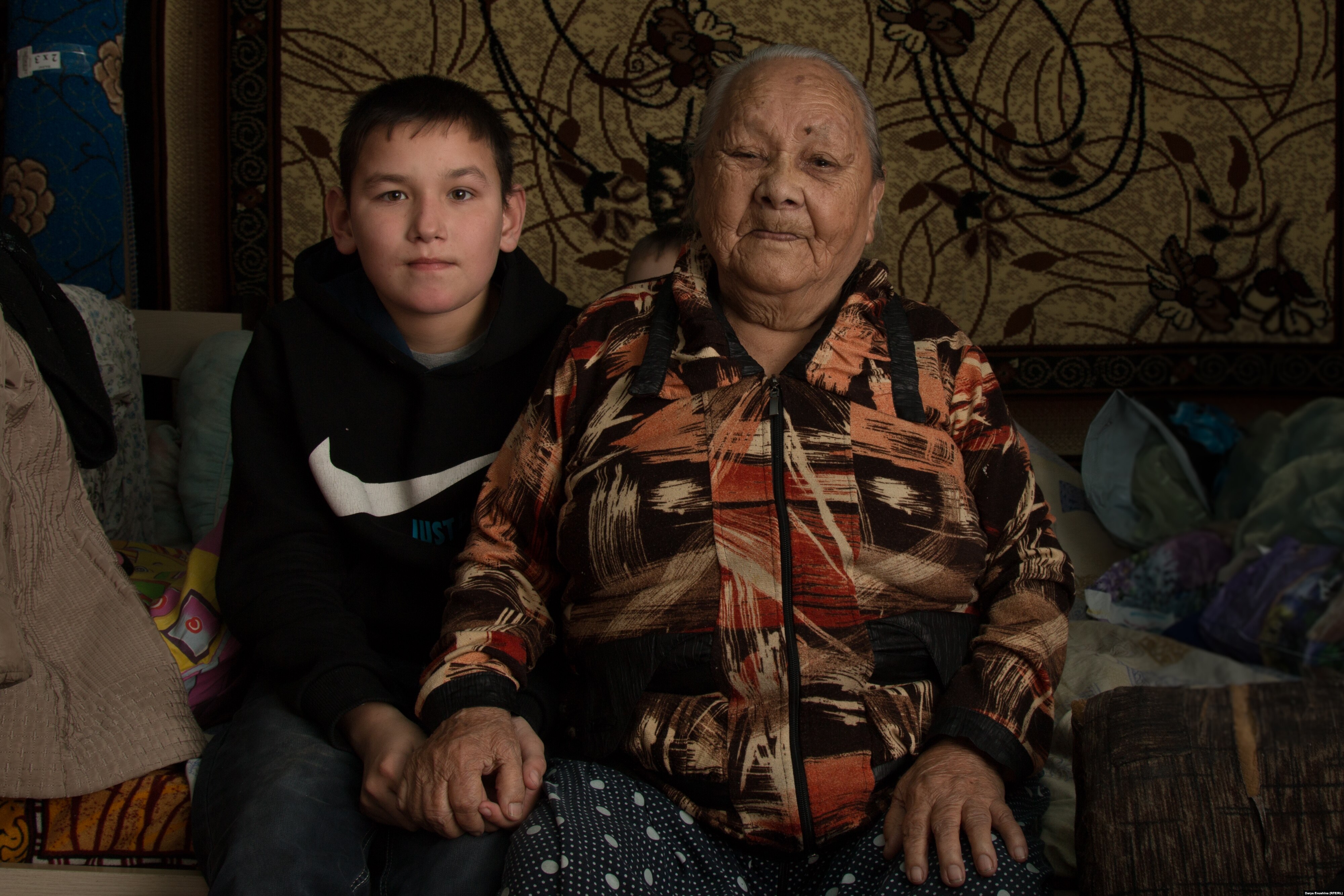
“Mom speaks with my older sister in a little sister, but this language has not taught us to this language,” says Nina Bardina , the middle daughter of Aksinya’s grandmother, says. - Father was Russian, forbade, was afraid that we would discuss it by the eyes. I only know how the word "aunt" - "chalja" sounds. So my mother called the numerous relatives of her first husband, who often came to visit. Chulymets are kind, hardworking. It’s a pity only they have problems with alcohol. Many died early because they drank. They say that there is no special enzyme in the blood. So my older sister abuses this business. Previously, my mother lived with her, but now she moved to me.
In April, Aksinya Makeevna will celebrate the 90th anniversary. It plans to collect three children, 15 grandchildren and 10 great -grandchildren. He will cover a rich table, put alcohol. And although the Chulymets are categorically impossible for him, the Russian traditions of another feast no longer suggest.
But a resident of Teguldet Galina Shatunova cannot call himself a chimney - too much blood has already been mixed. However, the fact that among the ancestors were representatives of this nationality are very much soil.
The Chulymets in those days had no surnames. Their Russians came up with special signs or behavior
- I do not understand why the authorities equated the Chulymians with the Khakasses. Judging by the language, it is rather like Tatar. I remember how relatives communicated on Chulymsky with the "yasashny" (representatives of the authorities) who came to the village to take fish, meat or skins from local. But earlier in families it was not customary to openly call themselves a Chulym, to talk about their nationality. Unless, legends from genus to genus were retold. - says Galina Shatunova . -For example, our great-great-grandfather founded the village of Novo-Shumilovo, and received his surname after “too much noise” at one of the meetings. After all, in those days there were no surnames in those days. Their Russians invented and, as a rule, called special signs or behavior.
Chulymets, like other representatives of small nationalities, by law have the right to benefits. Including a number of privileges in traditional national fishing. However, due to the fact that many were recorded as “khakas” or “Russians”, these benefits could not receive. Most most likely simply did not know about such an opportunity. In addition, in order to obtain benefits, you need to collect a huge number of papers, which not everyone here is within the power.
Shamans
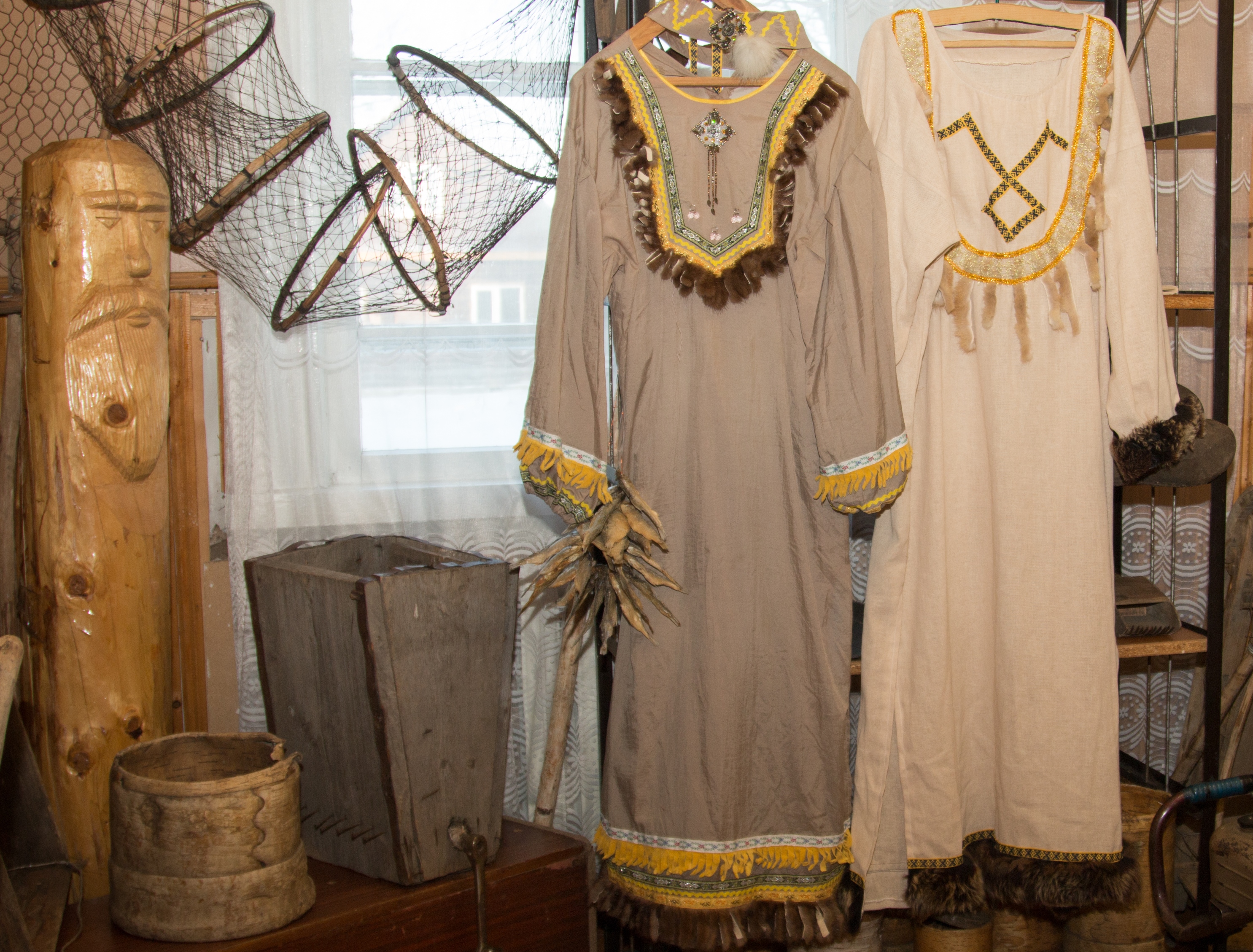
In the XVII century, the "Siberian Chulymsy" accepted Orthodoxy, but retained some traditions of shamanism. Paganism and Christianity were intertwined in their culture. Children, along with baptism, were given to children, and traditional Chulym names were given. And things such as a white head scarf, a necklace of white beads, a rattle and a spoon for feeding spirits, indigenous people have always considered magical objects.
- The grandfather of my grandfather and his great -great -grandfather were real Chulym Shamans and people very respected in the village. It is known for certain that they predicted the future, knew how to make out his obscure paintings in the smoke that fumigated the room, says 20-year-old Yevgeny Shumilov , a student of the historical faculty of Tomsk Pedagogical University.
Evgeny - a quarter of a chulmets. He is the great-great-great-grandson of the same Ivan Shumilov, who founded the village of Novo-Shumilovo. In the historical homeland, Zhenya never was, the Chulym language never knew, but his grandfather talked a lot about his ancestors. Evgeny Shumilov was going to engage in the compilation of a pedigree.
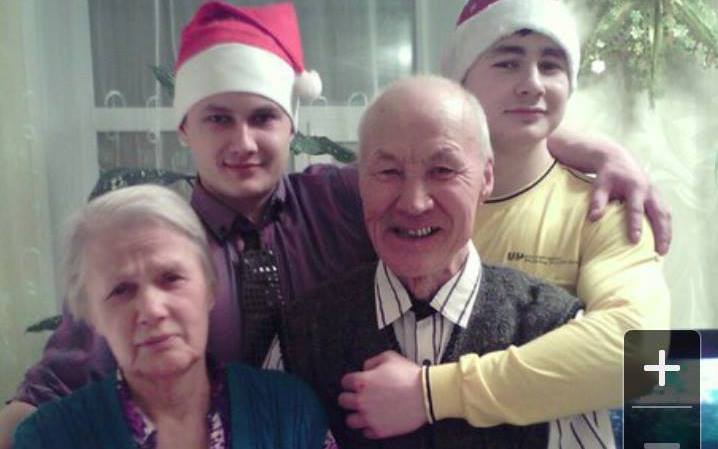
- Grandfather recalled that men in his family were always excellent hunters, and there was prosperity in the house: a lot of fur, meat, fish. For this, the great -great -grandfather Andron Shumilova dispossessed the authorities, sending him to a neighboring village. They sent one, leaving the family without a breadwinner. Andron managed to hunt during the day, and at night to swim on a boat in Novo-Shumilovo and feed his family by getting in the taiga. Once he was caught, ”says Eugene family history. -I want to save, write down at least one of the stories of my grandfather and grandmother. I will transfer all this in the future to my children and grandchildren. Let them know that once in Siberia, very hardworking and kind people-Chulytsy lived in Siberia.