
Translated material
The Ministry of Natural Resources wants to reduce the water protection zone of Baikal by 10 times
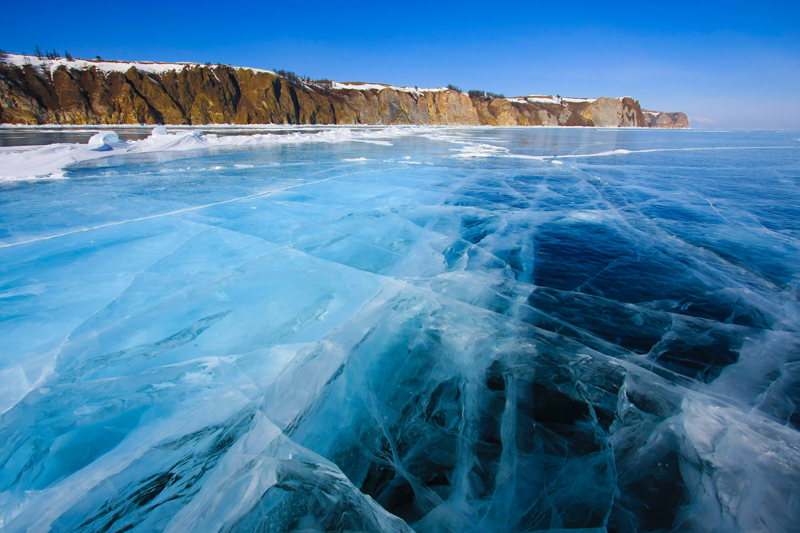
The Ministry of Natural Resources and Ecology of Russia proposes to reduce the protected territory of Lake Baikal by almost 10 times. The document is considered in the government. The water protection zone is intended to reduce from 57.2 thousand square km to 5.9 thousand, the Kommersant newspaper reports .
The department believes that it is necessary to reduce the protected zone of the lake due to the needs of 129 thousand inhabitants of 159 settlements. This will eliminate the difficulties with the movement of transport, the placement of cemeteries and waste, the newspaper quotes a source in the ministry. The restriction on the privatization of land for residents of the Baikal natural territory will remain.
Subscribe to the newsletter Siberia. Realities
Today, within the boundaries of the protected territory of Baikal there are 167 infrastructure facilities, 40 places of placement of municipal waste, about 40 cemeteries and about 540 km of roads without solid coating passes.
In June 2017, the inhabitants of the island of Olkhon complained to Vladimir Putin that due to the protection of the lake they could not graze cattle, fish, and lay roads. Then the head of the Ministry of Natural Resources, Sergei Donskoy, first announced the need for adjustments.
In January, residents of the Irkutsk region tried in the Supreme Court of Russia to challenge the boundaries of the water protection and fish protection zones of Baikal. The plaintiffs believed that the expansion of the guarded zone violates their civil rights, prevents the erects of houses and hotels. The court refused residents and entrepreneurs to satisfy the claim.
In early 2018, it became known that the water level in Lake Baikal decreased six centimeters below the critical mark.
In November 2017, the Prosecutor General’s Office estimated the damage to Baikal from facilities affecting the ecology at 156 million rubles. Only from stationary sources 747 thousand tons of pollutants are released into the air annually. In 2017, several cases of mass death of the seal on the shore of Lake Baikal were reported. Ecologists call two reasons - lake pollution and poaching.