
Translated material
White Tiger, Black Bear
The Olympiad in Pyeongchang began without 47 Russian athletes and with a lesser presence of world leaders than in Sochi-2014
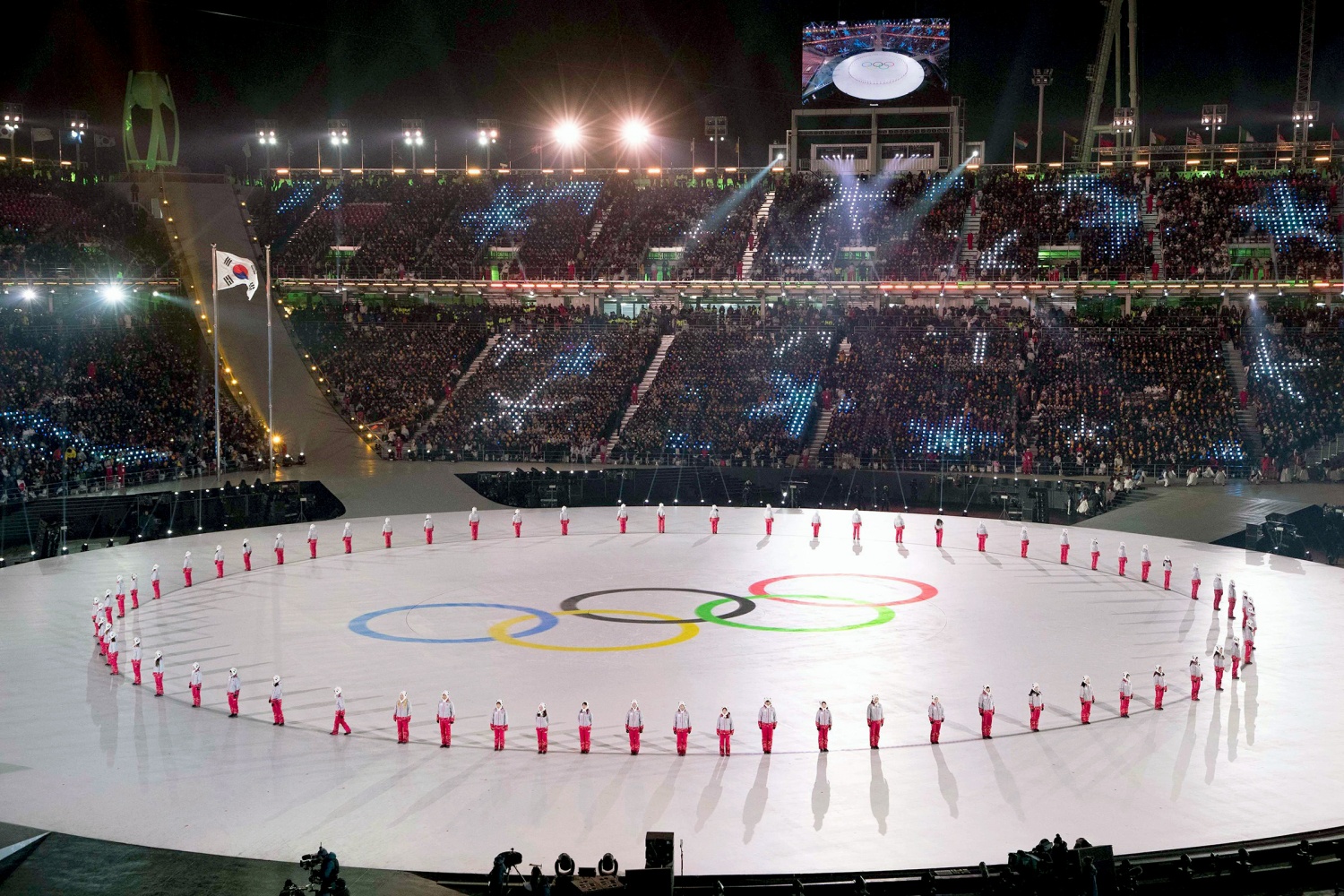
Opening of the Olympic Games in Pucchan, South Korea, February 9, 2018 Photo: IOC / Greg Martin
In a truncated composition
On Friday, the sports arbitration court (CAS) announced the final decision: in the Olympics in the South Korean Pyeongchang, only those athletes who did not stain themselves in the anti -doping history during the previous triumphant Olympiad in Sochi will be able to take part in the South Korean Pyeongchang. Thus, 168 Russian athletes will take part in competitions in the South Korean Pyeongchang. For comparison, in Sochi, the Russian team included 225 people, which was then considered a record. The US team was ahead of Russians in the number of participants in 2014 (230 people), and even more so now - 243 athletes. In total, 2900 athletes from 90 countries should come to Pyeongchang (there were 88 countries in Sochi, and then this was also considered a record).
Russian athletes, among whom, as already known, will be the skiers Anastasia Silantieva and Ekaterina Tkachenko, this time will appear at the opening ceremony, as in other games of the games, under neutral, white flag - as “Olympic athletes from Russia”. In addition, Russian athletes will be able to take part in the closing ceremony of games. But neither the flag nor the anthem of the country this time will be present at the Olympics.
Such a decision on December 5, 2017 was adopted by the International Olympic Committee (IOC), after special commissions presented evidence of guilt .
Russian athletes and a number of sports officials from Russia, including the former Minister of Sports (now Deputy Prime Minister) Vitaly Mutko and the head of the Olympic Committee of Russia (OKR) Alexander Zhukov. The membership of the latter in the IOC was suspended, and Mutko was forbidden to visit the Olympic Games. Ex-leader of the Sochi-2014 Organizing Committee Dmitry Chernyshenko (now the president of the Continental Hockey League-KHL) was withdrawn from the coordination commission of the Olympics in Beijing 2022. So Russia became the world's first country, detached from participation in the Olympics due to doping.
In the competition in South Korean Pyeongchang, 168 Russian athletes will eventually take part. The Russian national team included 225 people, which was then considered a record
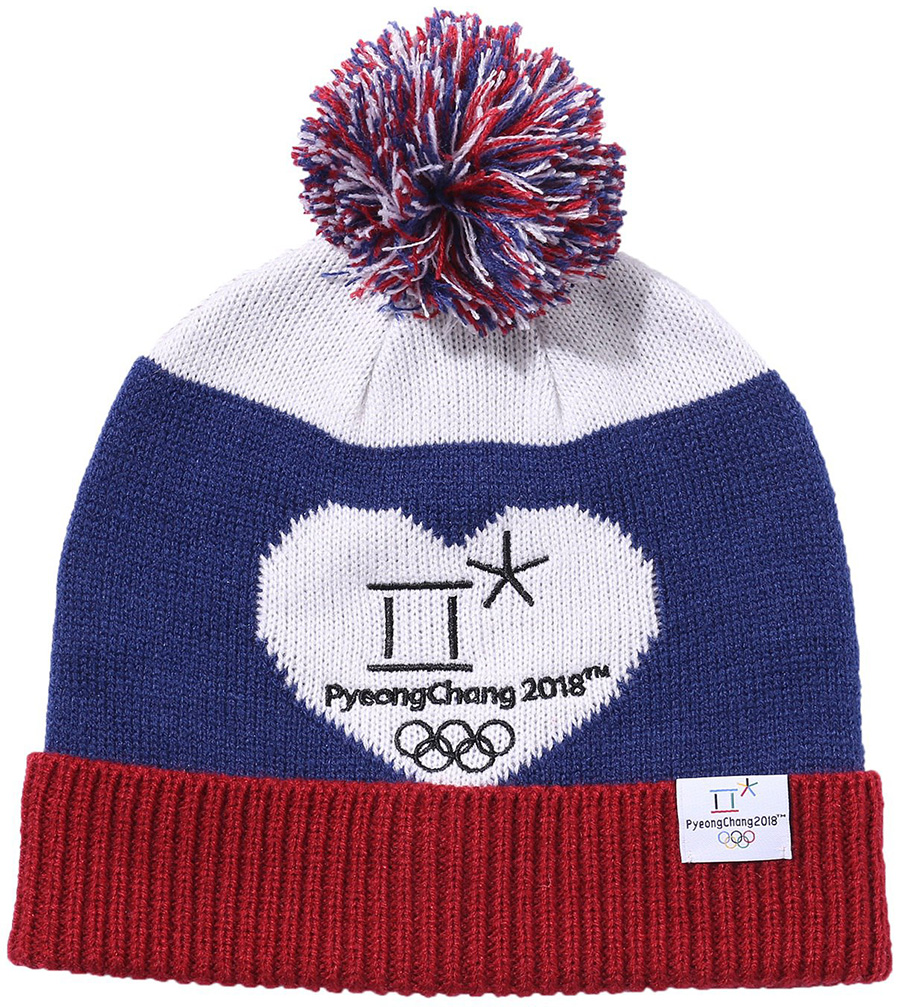
But the hospitable owners-the South Koreans-still took care of the appearance of Russian athletes and fans. In an official store where licensed Olympic products are sold, guests from Russia can purchase hats in the colors of the domestic flag with a heart and symbols of the Olympics. The white-blue-red hat “Pyeongchang-2018” costs inexpensively-about 950 rubles. (18 thousand won).
Russians are coming or leaving?
The last week before the start of the 2018 Winter Games was no less intense for Russian athletes than the beginning of December, when the IOC has issued its harsh verdict. 32 athletes decided to protest in the sports arbitration court (CAS) the decision of the Committee to remove them from the Olympics and cancel their results at the Games in Sochi. They were joined by 13 more athletes and 2 coaches convicted by the Danis Oswald IOC disciplinary commission.
And, indeed, on February 1, CAS decided to fully satisfy the appeal of 28 Russians and partially eleven out of 47. At the same time, six Olympians immediately refused the operational consideration of cases, which, in fact, meant - in Pyeongchang no longer had time to.
But on February 5, the IOC, despite the CAS decision, refused to send invitations to the Russians to the games. Russia was forced to contact the same arbitration instance again, whose exit commission promised to announce its verdict no later than the morning (in Moscow) on February 9. Some Russian athletes have been waiting for the decision to invite them to the Olympic Games directly in Pyeongchang and continued training. And their fans, meanwhile, avenged the International Anti -Doping Agency (WADA), which initiated an investigation against the Russians involved in doping. On February 7, on the facade of the WADA headquarters in the Canadian Montreal, the fans staged a light show, which, among other things, read: "Russians are coming!"
Among 47 athletes who did not receive an invitation were Russian celebrities - biathlete Anton Shipulin, skaters Ksenia Stolbova and Ivan Bukin, Tatyana Ivanova (Sani), skiers Sergey Ustyugovanin, Maxim Vylegzhanin
But this time, the court nevertheless took the MOK side, deciding that the lack of invitations by the IOC is not a punishment. The judges decided that receiving invitations to games for athletes from a disqualified country is a privilege, and decisions on their issuance were not discriminatory, subjective and unfair. Among the 47 athletes who did not receive the invitation were Russian celebrities - biathlonist Anton Shipulin, skaters Ksenia Stolbova and Ivan Bukin, Tatyana Ivanova (Sani), Sergey Ustyugov, Maxim Vylegzhanin, Evgenia Shapovalova (ski racing), etc.
In anticipation of the CAS decision on the fate of the Olympic movement, athletes from other countries who came to Pyeongchang were experienced. The Washington Post cites the words of the American skeletonist Katie Yulander, who at past games lost to a bronze medal (a difference of four hundredths of a second) to a Russian athlete, later accused of doping scandal. After the first decision, CAS, Julander, according to her, received letters with threats from the Russians through social networks. She believes that “clean” athletes should actively support the fight against doping until disappointment in the Olympic system took up. “Not only me,” says the athlete. “Many athletes have a feeling that we believe in the movement that dies.”
Games Seoul
In addition to the Russian scandal, the latest exacerbation on the Korean Peninsula also laid the print on winter games in Pyeongchang. After several months of passion, the situation on the peninsula was somewhat discharged. If on December 2, Pyongyang categorically stated that he would not take part in the Olympics, then in his New Year's appeal to the nation the DPRK leader Kim Jong -un hinted to reflect on the sending of athletes to Pyeongchang. Seoul understood the hint, and already on January 9, the information agencies spread good news: for the first time in two years, two Korea held a meeting at the highest level in Phangjoma (in the demilitarized zone on the border of the two countries), and the DPRK agreed to send a delegation to the Winter Olympics. As a result, 22 athletes and a support group of 230 people, led by Kim EN NAMA, the head of the Supreme People’s Assembly, arrived in Pyeongchang. Together with them, the opening ceremony will be attended by sister Kim Jong -un, his closest relative of Kim E Jong.
But Seoul also managed to persuade North Korea so that athletes from the two countries come to the opening ceremony together under the combined flag of the Korean peninsula. The last time this happened in 2006 at winter games in Turin. In addition, the united team of Korea will perform at the games, which will take part in the women's hockey tournament.
But Seoul managed to persuade North Korea so that athletes from the two countries came to the opening ceremony together under the combined flag of the Korean peninsula. The last time this happened in 2006 at winter games in Turin
Despite the cautious, but, it would seem, quite successful attempts by the Korean President Moon Jae in involving Pyongyang in a dialogue, today in Seoul only believe that the current turn indicates fundamental changes in the position of Pyongyan, the BBC correspondent in Seoul Wingfield-Heze states. The correspondent of The New York Times in Seoul Seel Seb, the South Koreans, especially young people, is more interested in work, household chores and unequal salaries, rather than uniting with a country that has already become a completely alien. The unification for them is increasingly sounding like a kind of abstract ideal, which teachers at school and politicians endlessly repeat. ” According to the journalists, Pyongyang has repeatedly presented hope, but then invariably returned to his former politics.
It is noteworthy that the shift in the current situation experts in South Korea consider the merit of not the Korean president, but the American one. “The leader of North Korea Kim Jong-un is more and more afraid of US plans to strike a military blow and therefore decided to do something to reduce tension,” writes BBC.
By the way, the Olympic Games in Pyeongchang should come to the US Vice President Mike Pence. However, despite the earlier statements by the Secretary of State of Rex Tillerson about the possibility of meetings with the North Korean officials in Pyeongchang, later neither the State Department of Heser Nauert, nor the White House spokesman Sarah Sanders confirmed this information. “We'll see,” Sanders said carefully.
Records and failures
But still, despite the small discharge on the peninsula, the number of high-ranking guests who still gathered to visit the current games does not compare with the number of world leaders who came to Sochi. At the opening ceremony in Pyeongchang, 16 heads of state and governments should visit, and 26 leaders from 21 countries will visit the Olympics in two weeks. In Sochi in 2014, this number reached almost 60, and, for example, summer games in London in 2012 visited more than a hundred world leaders.
At the opening ceremony in Pyeongchang, 16 heads of state and governments should visit, and 26 leaders from 21 countries will visit the Olympics in two weeks. In Sochi in 2014, this number reached almost 60
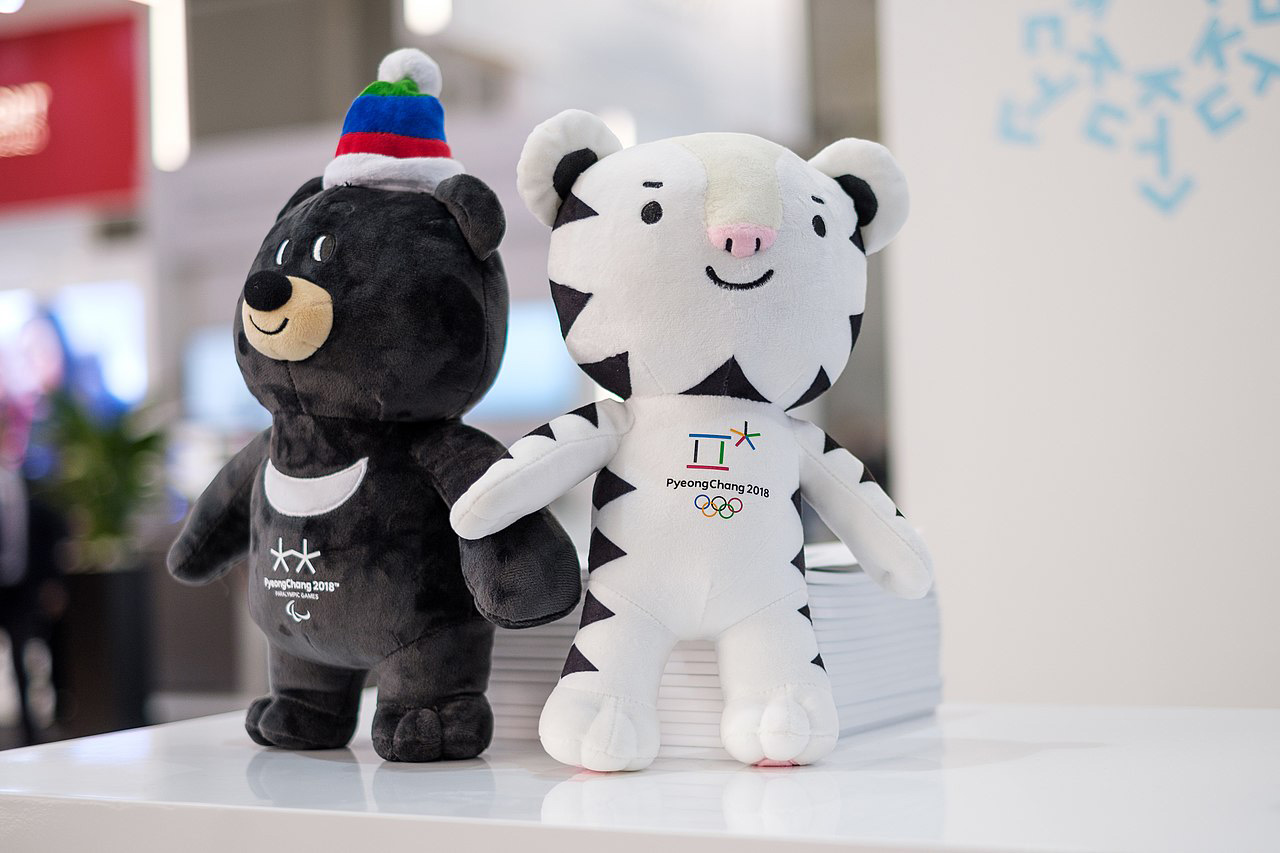
Photo: Commons.wikimedia.org
But this Olympiad has its own records. For example, this time the program includes 102 different competitions. Four of them are first held in Pyeongchang: a Big Eir for a snowboard (demonstration of snowboarding tricks when jumping from a springboard), a mass run of skaters, a cerling tournament among mixed couples and mixed command competitions in skiing. But the parallel slalom in snowboarding (men and women) is excluded. For the first time, athletes from Ecuador, Eritrea, Kosovo, Malaysia, Nigeria and Singapore will take part in the games.
All of them, as well as other athletes, fans and spectators, this time take two symbols of the Olympic Games in Pyeongchang - the White Tiger Sukhrang and the Asian black bear Pandabi. The first personifies the strength, trust and protection, and the second - will and courage, that is, all those qualities that in the next two weeks will be useful to all athletes and especially “pure” from Russia.