
Translated material
Grant development
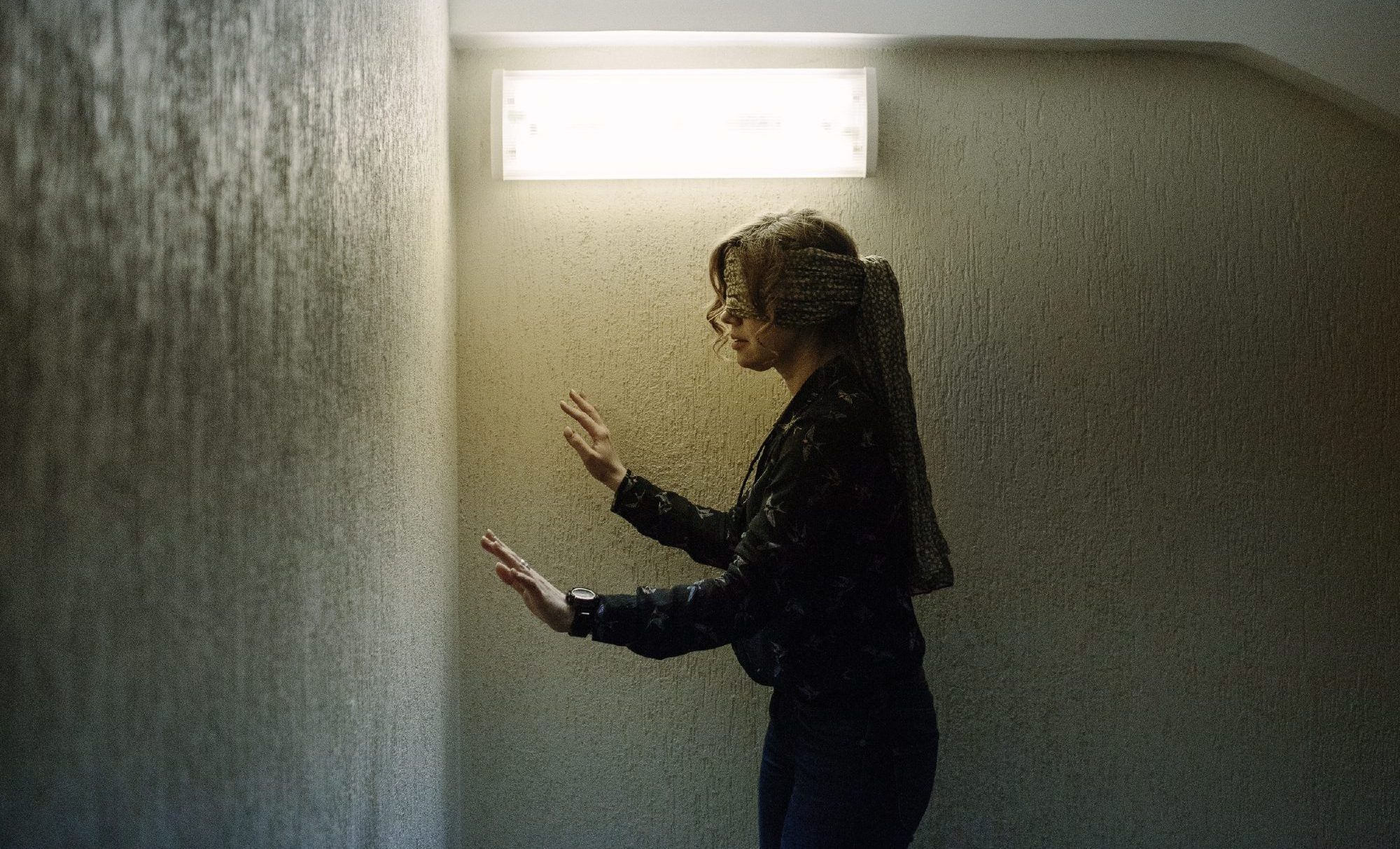
These young people in the training classes are not mothers of sick children and not patients who have suffered an injury or stroke. They are rehabilitologists. And came to St. Petersburg to study on physical therapists and ergotherapists
Help the back of Bifida help“You do not make a massage to my child, because we are with Ukraine! They do Russian children with cerebral palsy! "
"I do not need to help, I will not study in a wheelchair, I'm not disabled!"
“What are you, doctor, I can't get up, my head is spinning, even when I sit!”
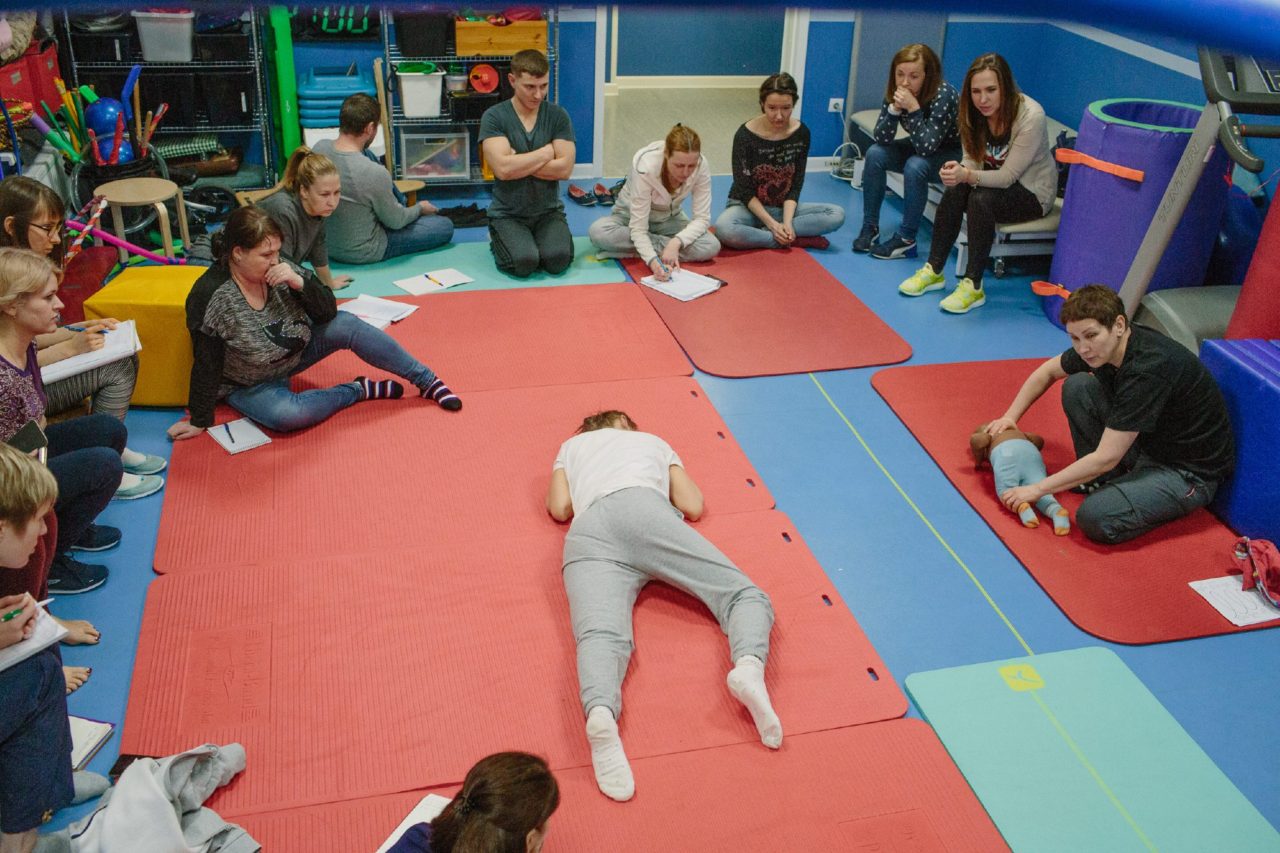 Practice Day “Motor Development of the Child” under the leadership of Ekaterina Klochkova (right) photo: Ksenia Ivanova for TD
So young people scream in the training classes, but they are not mothers of sick children and not patients who have suffered injury or stroke. They are rehabilitologists. And they came to Petersburg to study on physical therapists and ergotherapists.
Classes are initially similar to an acting study. They play. Rehabilitologists, psychologists, physiotherapy instructors working in forty rehabilitation centers from Ulan-Ude to St. Petersburg for a month after a month were instructions for their main doctors, out of fifty years, and did not see the result. They read books about physical therapy and ergotherapy, watched webinars, but there was practically nowhere to learn. Now they are studying.
Yesterday they blindfolded their eyes and walked along the corridors of the St. Petersburg Medical and Social Institute, on the basis of which training takes place. And in their own skin they felt that the world was not imprisoned under blind people. They rode in the wheelchairs and felt that the tiles of a slippery, wheelchair chair was slipping along the tile, why in medical and social institutions they put a tile on the floor?
Through these exercises, they replaced in their heads a medical model of disability by a sociocultural model. They tried not just to understand, but with their whole body to feel that a person becomes disabled not because he is sick, but because the whole world is around, all objects and all people are tuned to contact with healthy ones. We do not assume contact with special people, although sooner or later we will be all special people - sick, old people, visually impaired, non -coming ...
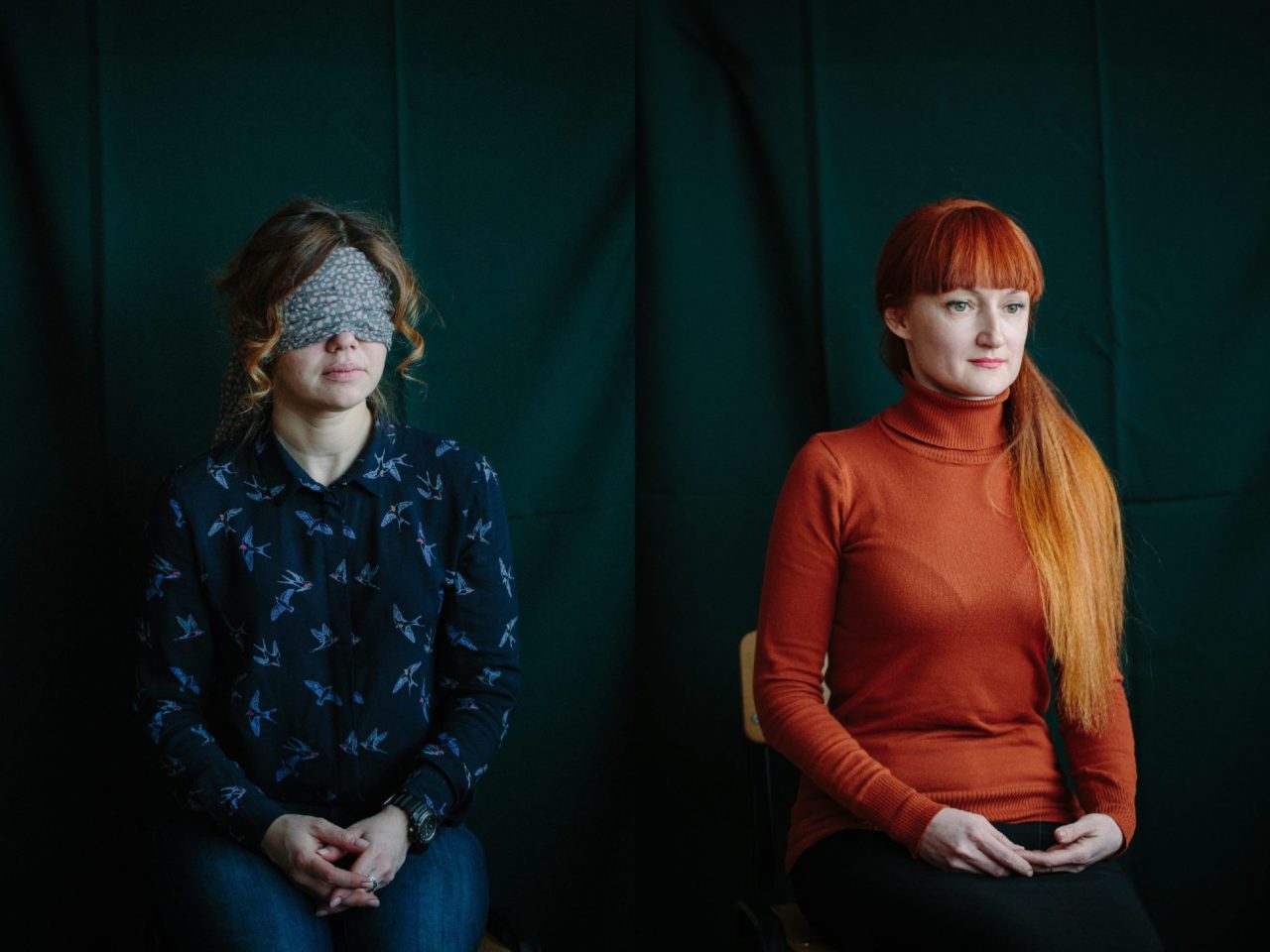 On the left: Elena Shoshina (Petersburg), a clinical psychologist, oligophrenopedagogue: “One of the difficulties in my work is the medical model of rehabilitation, when a child with violations is perceived as an object, and he must be“ cured ”,“ put on your feet ”. Moreover, this must be done without sparing neither a child nor yourself - for many hours, and if you shout, nothing, but it will be better. ”
On the right: Lyalya Bureeva (Kazan), a correctional teacher: “For me, the main problem is the lack of qualified teachers who can suggest or send in solving emerging issues in working with children who have TMNR (approx. - difficult and (or) multiple developmental disorders); lack of training materials and equipment. Therefore, I entered this course » Photo: Ksenia Ivanova for TD
Now they play communication, the therapist and the patient. The patient (according to the terms of the study specified by the teacher) is scared and depressed, the mother of the child with cerebral palsy outlined the miraculous healing of the baby, it is easier for her to think that the cerebral paralysis of her child does not pass, because everyone in the world discriminates on a national basis. Or a patient, broken after the accident, cannot come to terms with the fact that the path of recovery is heavy and long. Or the patient is afraid to get up after a stroke and only exacerbates his condition.
The physical therapist (students of the courses divide the roles and change roles) must agree with them with everyone: with a mother, with an injured, with a stroke. To achieve trust, clarify the goals of rehabilitation, build a route, outline the future ... So they learn the first thing to what a rare doctor owns in Russia - communications with patients and colleagues.
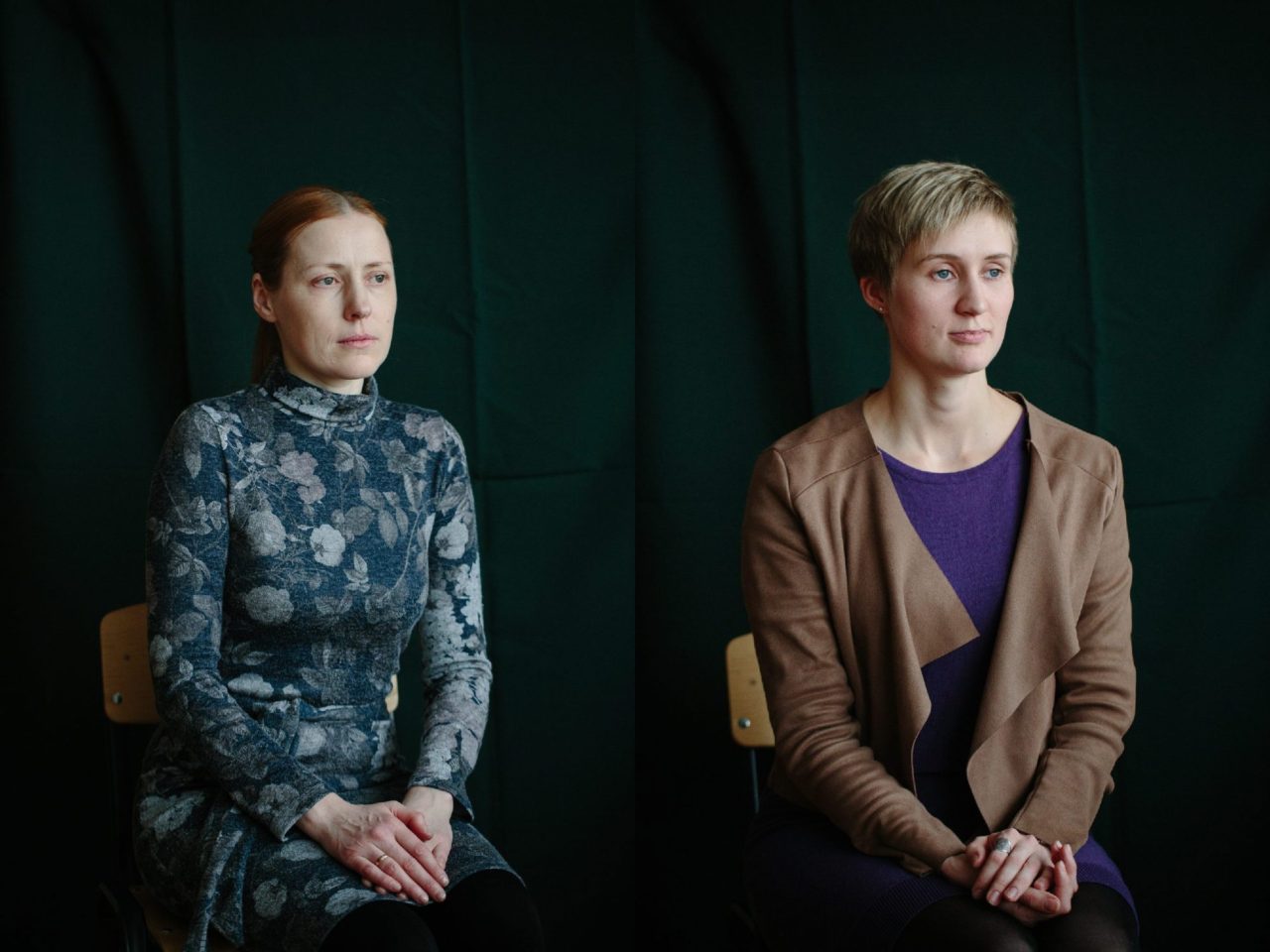 On the left: Nadezhda Epishin (Petersburg), a doctor, specialist of the Foundation “We can”: “In the training“ Understanding disability ”for me it was important to feel what a person with disabilities experienced. This is a world frightening at first glance, but this is our common world, which we look at different angles of internal vision. To be in a wheelchair, on crutches - stress. Walking with blindfolded eyes is incredible stress. ”
On the right: Maria Kudelich (Petersburg), an adaptive physical culture specialist, LFC-instructor instructor: “There are a lot of formal documentation in state institutions, which, unfortunately, does not carry useful information, but the inspection organizations tirelessly monitor it, the result of the very process of long-term rehabilitation does not care, except for the patient and specialists closely in contact with him”: Photo: photo: Ksenia Ivanova for TD
Tomorrow they will learn to measure the motor, speech and cognitive capabilities of the patient using special objective scales. The day after tomorrow they will learn to set goals and achieve them. A day later, they will learn to foresee complications and avoid complications. All this is called clinical thinking together. They will no longer be masseurs, instructors or speech therapists who stupidly comply with the instructions of the doctor-head. They will think, set tasks, look for answers to questions.
Two weeks later, when the first module for teaching physical therapists and ergotherapists will end, they will be separated by their regions, return to work in their rehabilitation centers and try to apply the knowledge gained in practice.
It will be difficult. It is difficult to explain to the mothers of children with disabilities that massage strengthens only the musical muscles, and the child, in order to strengthen muscles, needs physical activity, consciously and independently performed movements. And it will be difficult to explain to the head of the rehabilitation center, which should not be put on the floor of the tile in the next repair.
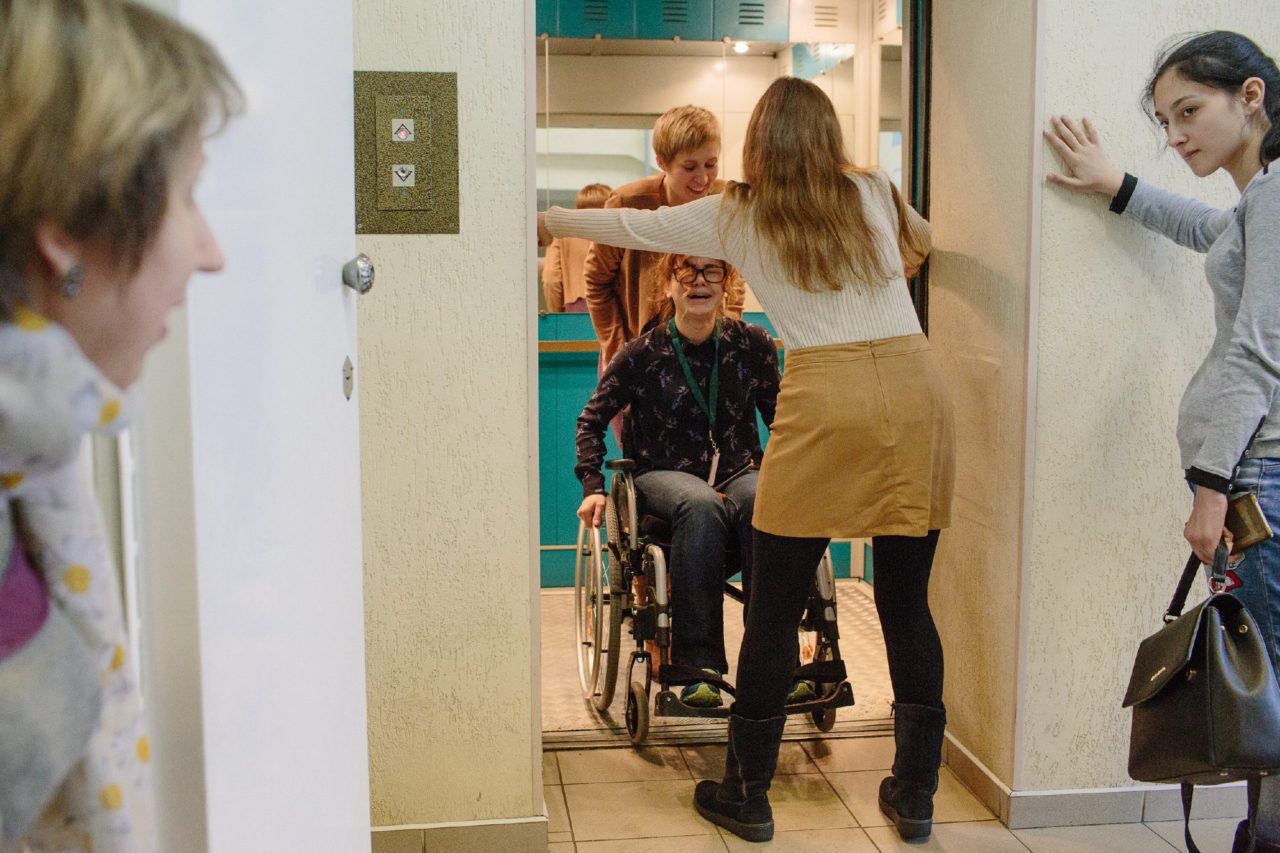 Students of the course during a practical lesson “Understanding of disability” experience movement on the building of the medical and social institute in wheelchairs, on crutches and with tied eyes photo: Ksenia Ivanova for TD
Three weeks will pass and they will return. In just a year, two -week training modules will be eight. They will learn to move. How can a fragile girl weighing fifty kilograms raise a patient that fell to the floor if he weighs a centner? How to transplant the patient from the bed to a chair, from a wheelchair to a bath? How to wear pants on a paralyzed person? How to brush your teeth if the patient’s hand does not hold a toothbrush? How to eat if the hand does not hold a spoon?
In the last circulars of the Ministry of Health, it is written that each clinic, every medical or social institution that is engaged in rehabilitation and adaptation of disabled people, should have physical therapists and ergotherapists in its staff.
But so far no one teaches these specialists in Russia. Small private attempts are made by non -profit organizations, but not a single university has yet developed a full -fledged curriculum.
This time, to teach specialists for a whole year in St. Petersburg under the leadership of the physical therapist Ekaterina Klochkova and Ergotherapist Ekaterina Mishina, the Spina Bifida charity program undertook. The program is in dire need of such specialists to rehabilitate children with a hernia of the spinal cord.
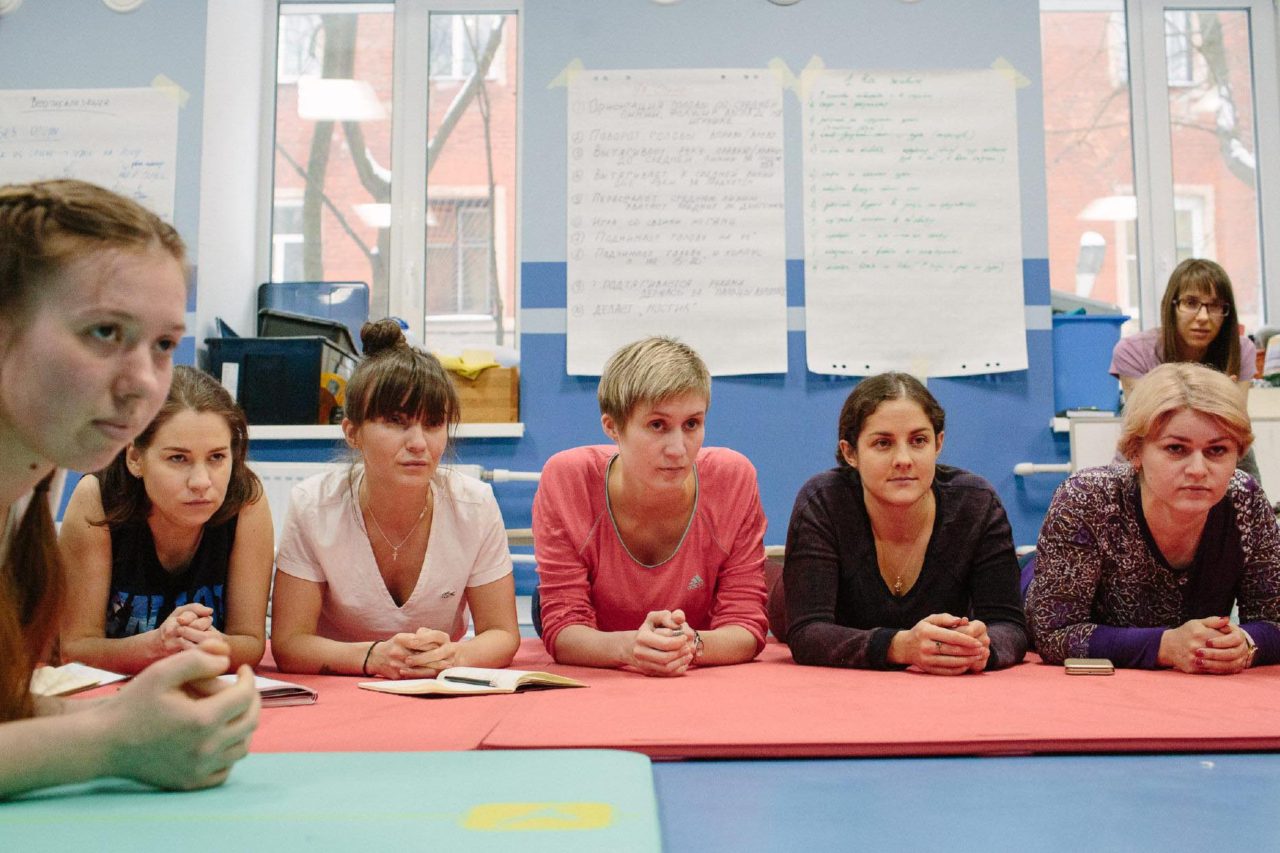 Practice Day “Motor Development of the Child” under the leadership of Catherine Klochkova photo: Ksenia Ivanova for TD
The only problem is that everyone needs physical therapists and ergothels. Children with cerebral palsy, adults after a stroke, athletes, old people, visually impaired, people with mental disorders. Starting the annual training of physical therapists and ergotherapists, SPINA Bifida employees understood that if you want a couple of specialists in the state, you would have to train four more dozen for all clinics and rehabilitation centers around.
With this idea, the Spina Bifida program applied for the presidential grant and received a grant.
But this is the matter: the presidential grant covers only the work of teachers, rental premises and textbooks.
If you do not report to the grant, financing will stop in three months, and forty extremely demanded specialists will not finish studying. If you do not negotiate with the Friends of the hostels network, then the listeners who have come from the regions will now have to stay in expensive St. Petersburg. In a word, the presidential grant is not enough. We also need work on the development of a presidential grant. For a whole year to ensure that the presidential grant is successfully mastered and that forty specialists from the regions are trained, at least an intelligent manager and an intelligent accountant should work. They receive a salary of charity money from the money that you collect.
Help them. Even your little donation will help to successfully turn the presidential grant into forty very necessary specialists throughout the country.
Do you want us to send the best texts of “such cases” to you by e -mail? Subscribe to our weekly newsletter!