
Translated material
A wonderful neighbor. Why does the co -founder Facebook consider his wealth undeserved
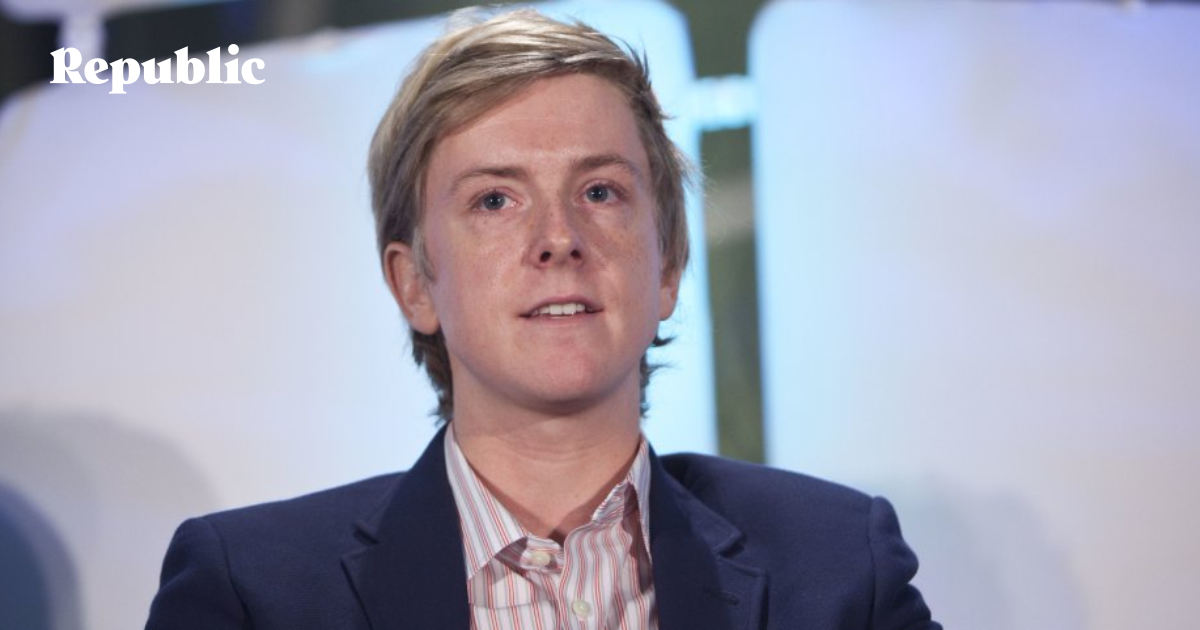
The life of a millionaire Chris Hughes is a vivid example of success history. He grew up in a poor family, but received a grant to study at Harvard. He met Mark Zuckerberg (he was his neighbor around the room) and helped in creating Facebook - this brought him a fortune. In the mid-2000s, he took part in the campaign of the then little-known Senator Barack Obama (organized his supporters via the Internet)-and helped him become the president.
In 2016, he took 28th place in the list of the richest entrepreneurs in the United States under 40 years old. His current state, according to Forbes, is estimated at $ 430 million. However, for the millionaire his views are quite atypical. Hughes believes that his condition is a disproportionately large reward for his work. It is the result of luck, not the effort spent. In his opinion, this is a sign of an unbalanced economy that needs to redistribute money from rich to the poor.
“I know what is hard work,” he writes in his new book “Chance: to rethink inequality and how we earn.” - And I agree that Facebook has become an incredible story of success. But this is not at all the success that one of my ancestors could achieve. For us, it was rather like a lottery winning. ” Such examples, he proves, strengthen the inequality that the existing economic model contributes to: “The problem is not that our economy helps very rich, but that this happens due to ordinary Americans.”
Hughes is a supporter of basic income. For people with low earnings (less than $ 50 thousand a year), he offers to pay a benefit of $ 500 per month. It is to collect money at the expense of taxes from a more secured part of the population (whose income exceed $ 250 thousand per year).
The idea of basic income is quite popular in Silicon Valley-at least it see a way to support people who can be left without work due to automation of production. For Hughes, she became a reflection of personal history, an unusual attitude to her own wealth and the desire to go beyond the “winner of the lottery”.
Subscribe to read the whole
Make a subscription Redefine.media to read Republic
Subscribe [you can pay for a Russian or foreign card. The subscription is extended automatically. You can unsubscribe at any time.]
Where are the money subscribers going