
Translated material
Saudi Arabia: Nuclear plans
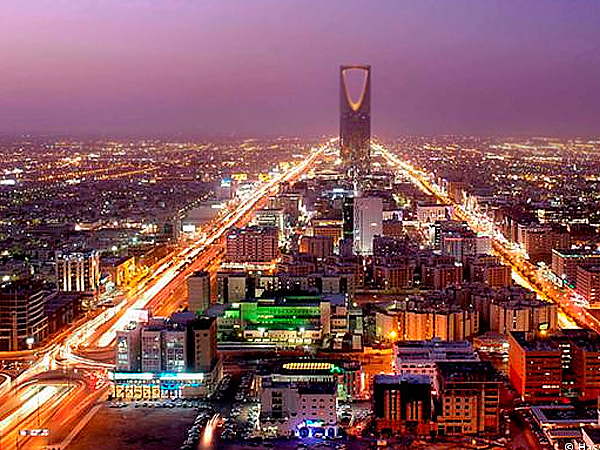
The media discuss the nascent nuclear program of Saudi Arabia. Officially, the need for this program is motivated by economic reasons. But commentators are more likely to interpret this as another round of competition with Iran.
Now Bloomberg turned to the topic of nuclear development of Saudi Arabia. This story is written by the authors, it seems, at first glance, economic. It began with the fact that last fall during the Magate Conference in Vienna was a rumor that Saudi Arabia picked up several countries that could build two nuclear reactors to her. The United States was not among these countries until the American Minister of Energy caught at the conference of the Saudi delegates and did not convince them that the United States also did not mind doing this.
After that, the United States also joined in competition for promoting the development of a peaceful atom in Saudi Arabia, and this was done at the ministerial level. In the coming months, the Saudis will reduce the number of competitors in question to two or three. Thus, according to its formal signs, this story seems typical of the business sphere, however, if you look at the list of competitors, it begins to gain geopolitical overtones. The fact is that on the list, on the one hand, the US allies (South Korea and France) are simultaneously present, and on the other hand, the US opponents (Russia and China), which the Pentagon recently included in the number of main threats to US security. Thus, the construction of a Saudi reactor can turn into a landfill for the rivalry of superpowers.
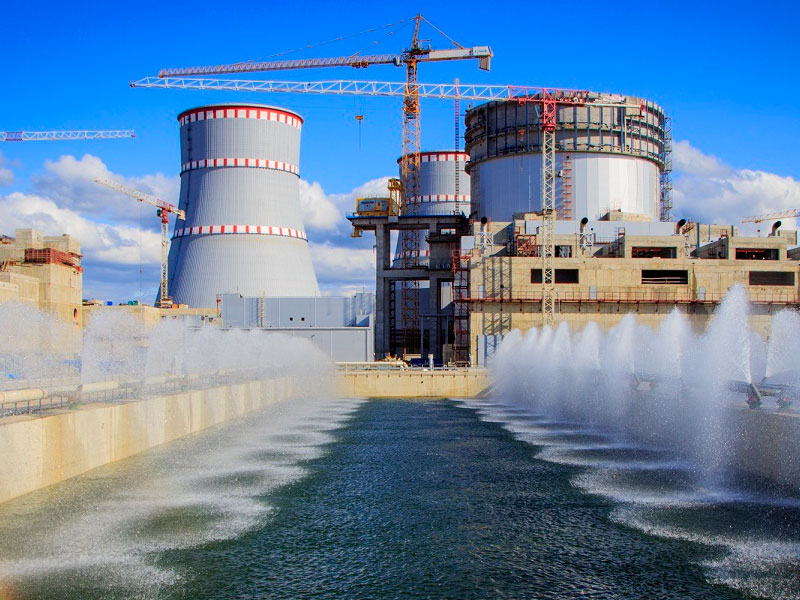 Russian nuclear power plant / rosatom.ru
From the Saudis, comments on Bloomberg, the motivation is clear: they are trying to get a technical examination in order to go beyond the oil production and be prepared for competition with their main rival - Iran. In this, of course, on their side. In addition, they are interested in cheering their own nuclear industry. But unlike the United States, Saudi Arabia also maintains warm relations with two other giants - Russia and China - and it has reason to maintain these relations good. China is its best oil client. Russia is increasingly becoming its partner in matters of control over the global oil production.
Further, this story also has a military incision, the authors note. Of course, nuclear energy is very far from nuclear weapons, but there are also points of intersection. For the production of energy and the creation of weapons, the same material is required. This creates the risk of nuclear weapons. To resist this risk, the United States tighten industry standards. In particular, this leads to strict regulation in which technologies can be sold abroad and what customers can do with them. But, again, due to rivalry with Iran, Saudi Arabia may not be interested in such a scenario, and then it will be more profitable to cooperate with US opponents.
Previously, The Economist addressed this topic. Saudi Arabia, reported in the material, unlike other US allies, is not chasing the performance of reactors. It is much more important for her to reach the same nuclear level that Iran, which has already advanced significantly. One of the most conflicting points of the Iranian nuclear transaction concluded in 2015 was permission to enrich uranium. There were reservations that he could only do this to such a level that is significantly lower than necessary to create weapons. Nevertheless, he was left technology. Saudi Arabia also wants such technologies.
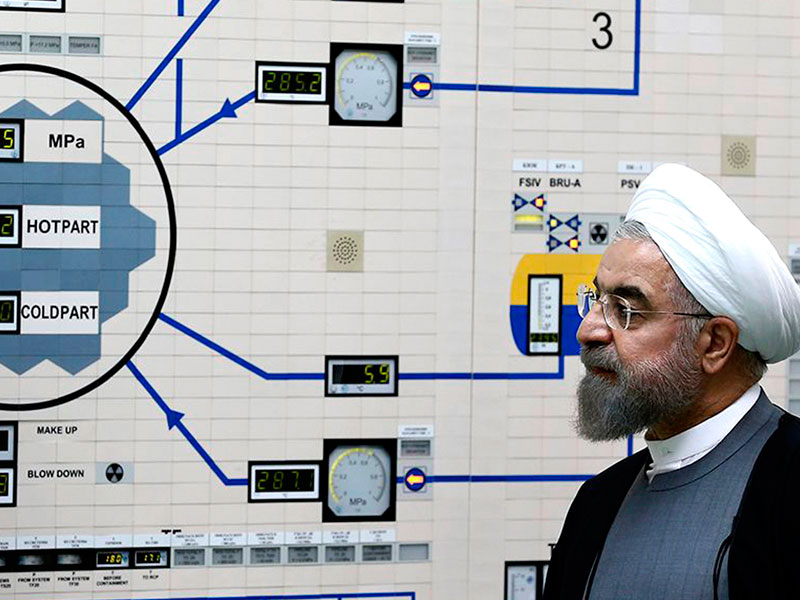 Hassan Rukhani, Iranian President visits a nuclear facility
In Washington, they worried about this. If Saudi Arabia resolves this, then other countries in the region will want the same, such as the UAE. And this can undermine the strategy of non -proliferation of nuclear weapons. Critics of this idea, first of all, scold the Iranian nuclear deal. The Economist also stipulates that nuclear energy does not play a big role for the Saudi economy. The reactors will not be ready until the 2030s. Their power is not enough to supply the country with the necessary amount of energy. Given the fact that in Saudi Arabia large deserts, for energy supply, it is more rational to use gas and invest in the development of solar energy, which Saudi Arabia practically does not.
Thus, the Saudi nuclear project is, first of all, strategic significance, concludes The Economist. It is needed so that Saudi Arabia has an equal position with Iran. But this is a step towards the spread of nuclear ambitions in the most unstable region of the world.