
Translated material
"They did not die for power"
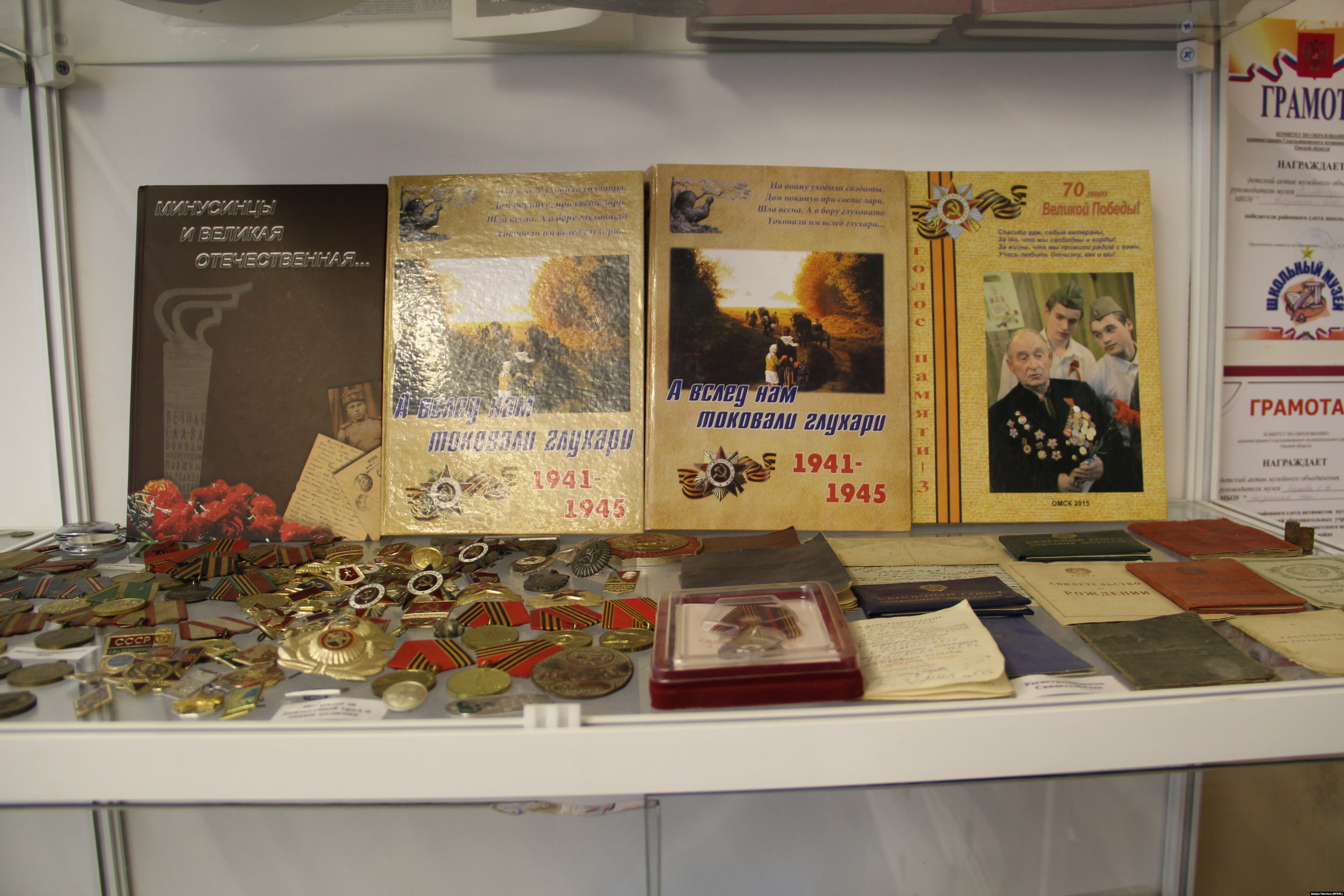
In the deaf Siberian village, residents cut off from the Great Earth for several years in a row on grains collect information about the past of their village and their ancestors, whose fate reflected the entire Russian history of the last century. On the eve of the New Year in the Sedelnikovsky district of the Omsk region, the next volume of the collection "And after us were the capercaillie" - about the fate of fellow countrymen who went through the Great Patriotic War. Search work here is the whole village. Books about the past are published by the whole world.
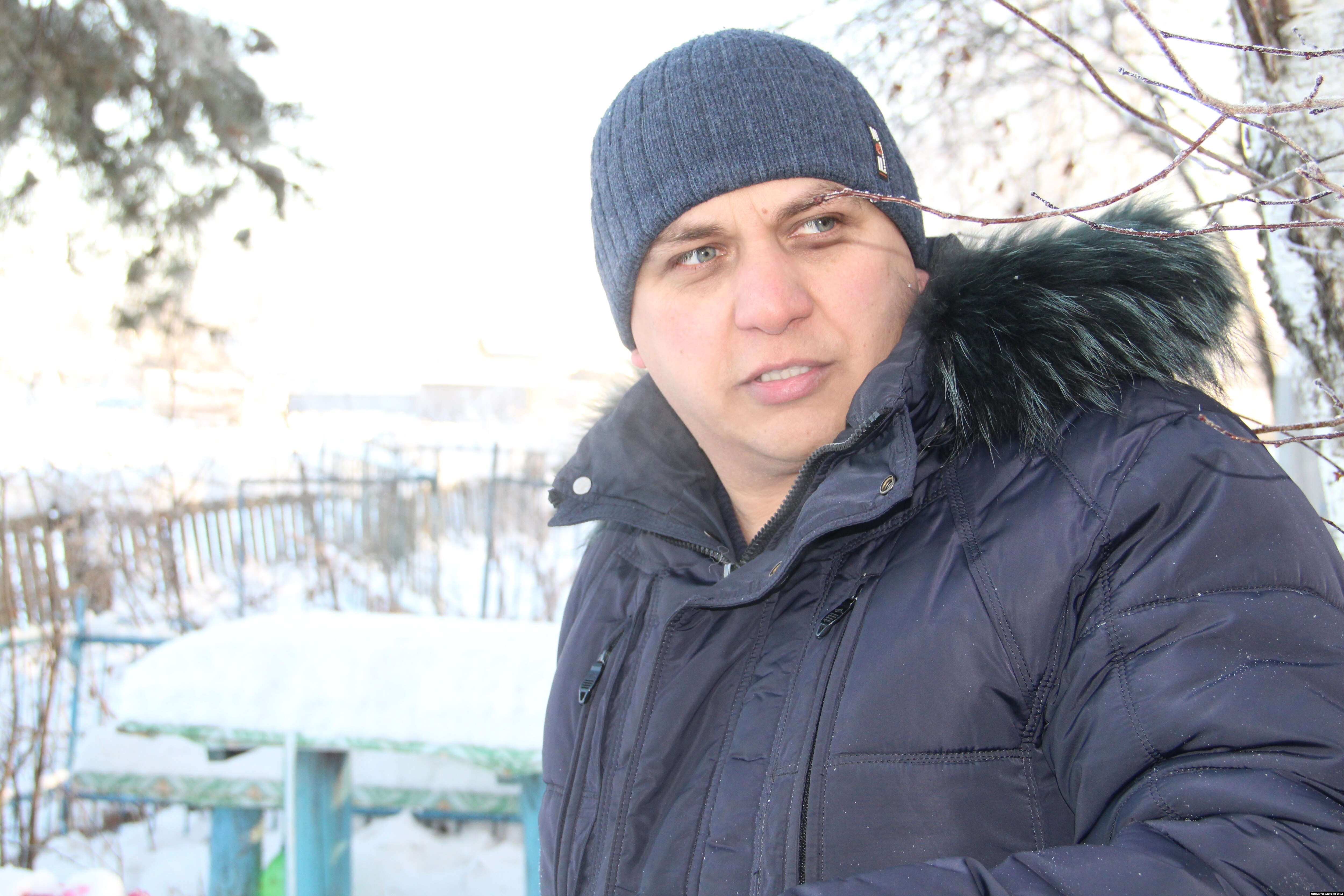
“The third volume was given heavier than the previous ones - 40 thousand rubles were not enough,” says Alexey Bastron , the book editor and the head of the district search association. - Our fellow countryman from Canada helped: he saw a call in social networks, sent four hundred Canadian dollars. And our exploration association is officially - a division of a public organization of veterans. I would have found out who ... so that the old people would not be recognized by foreign agents, I had to go away, to the neighboring area, to change it to rubles. But the circulation still had to be reduced - usually we do 500, there are only 400. I thought, the farther, the easier it will go. And the material was typed for many years to come, and people are waiting. But it becomes harder to live, less money ...
To the hardships of life, Sedelnikovites are not used to. Their area is the smallest in the field: only 13 thousand people. Mostly garden and taiga feed people here: mushrooms, fish, game. Almost every man is a fisherman and a hunter. On the emblem of Sedelnikovo is a capercaillie, a forest bird, almost disappeared in the 70s because of the chemicals that the fields were fertilized in those years. Sedelnikovo is a deadlock area, as its inhabitants say. Behind him, the taiga and Vasyugan swamps. It was there, among the swamps, from which they could not get out, in the 30s was the special settlement of Kulay, where the "kulaks" and "enemies of the people" were exiled. Many of their descendants settled in these places.
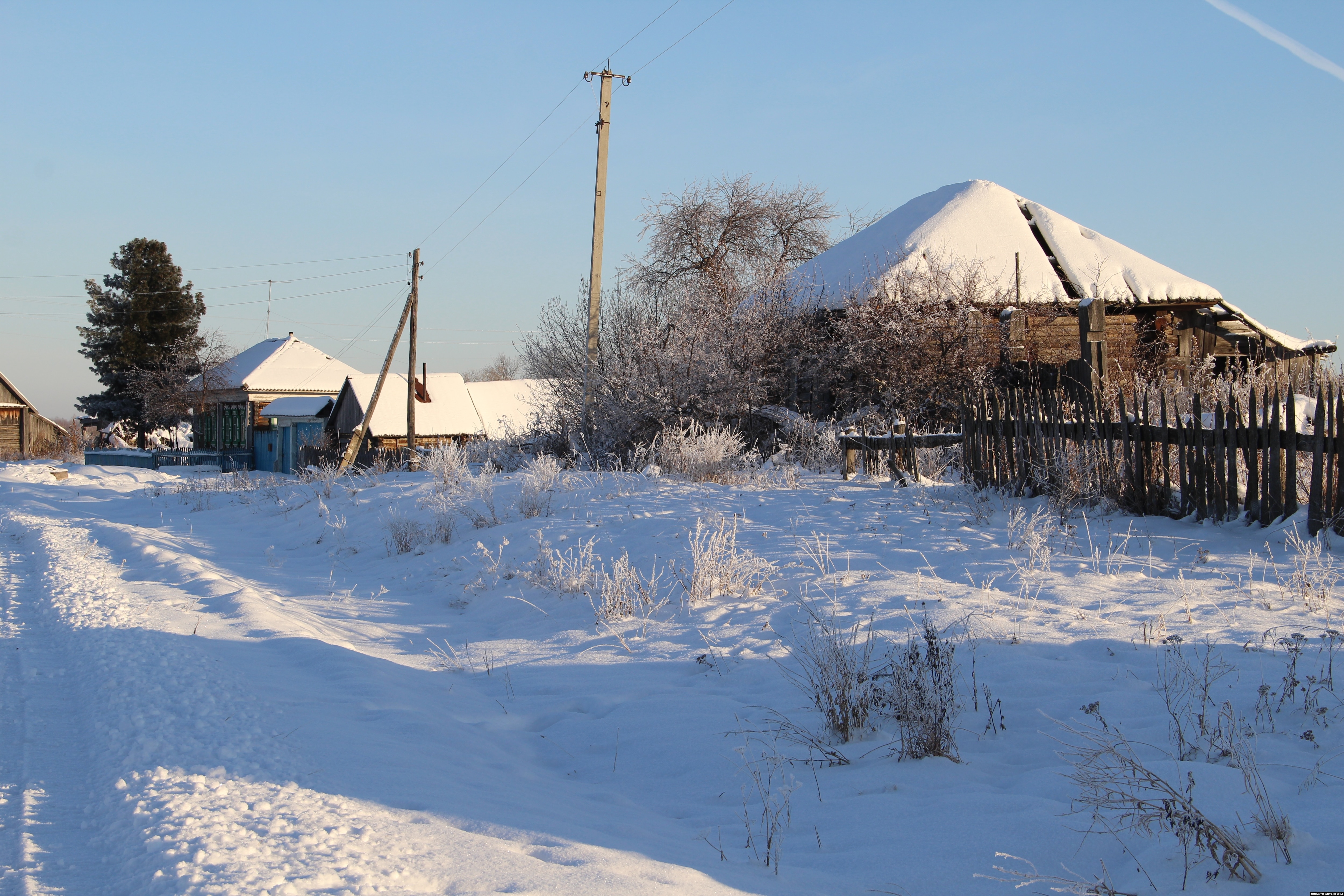
On the eve of the New Year, Sedelnikovo announced an emergency regime due to the lack of fuel for heating of housing and social facilities. From the Governor's Fund, coal funds were urgently allocated, which should be enough until spring. The district does not have their own money: the forestry, on which he held in Soviet times, fell apart, and taxes from small private sawmills go to the federal budget. But the outflow of the population from Sedelnikov is not observed.
- Where to go? This is our land, says Bastron. - You can survive everywhere. We hope for ourselves, not for power or God. I myself am not local, I studied in Tara, the city, albeit small. I could live there, but arrived in the late 90s and stayed-here I have roots.
A brigadier mocked the grandmother. He knocked her down, stood on her chest and jumped until they began to go with his throat
Now 35-year-old Alexei knows about his roots to the sixth knee. In the "List of victims of political terror in the USSR" he found ten members of his family. In 1941, Bastronov was sent from the Saratov region along with other Germans. First, they delivered from Omsk on barges in the Irtysh, then on carts - to the village of Kukarkka, Sedelnikovsky district. Settled 4-5 families in one hut. As follows from the memoirs that Alexey gathered, many perceived visitors as the Nazis:
- The first three years here they even forbidden to grow potatoes. A brigadier mocked the grandmother. He knocked her off her feet, stood on her chest and jumped until the blood began to go with his throat ... The men lived in Kukarkka for several days, after which they were taken to the labor.
The great -grandfather of Alexei, Yegor, a year later they sent to the Kemerovo Siblag for the "anti -combat propaganda", where he died of typhoid. And grandfather Alexei from Krasnoturinsk, where he worked at logging in the trial, returned very sick and did not live long.
The genealogy of 35-year-old Alexei Bastron for the Sedelnikovsky district is quite typical. It so happened that many vicissitudes of Russian history of the last century passed through this village and the fate of its inhabitants.
When, after some time, blood was required, the 80-year-old grandfather was shot: the Commissioner decided that he had lived and enough
“Our ancestors did not want to get involved in civil wars,” says local historian Sergei Serobabov from Golubovka. - But the dissent and the white and the red crushed the same way: Kolchak declared those who did not want to fight outside the law, in fact, forcing to become partisans. And the newly made advice arrested those who did not want to be partisans: merchants, priests, teachers. They took it to Tara, where most of them were shot, and some were "put into expense" on the road, near the village of Jlannotyevka. Nevertheless, the village of Pokrovka, the only one in the region, did not enter the collective farm until the perestroika itself. They remained without light, without a road - three kilometers from the highway! Neither the store, nor the school, nor the hospital, the gardens were cut to the very porches, but the taxes were forced to pay. The old -timers said that they put potatoes in the forest at night, they kept cattle there. Until the young people parted, the village existed steadily. Starting the topic of repression in the Golubovsky settlement, I was horrified. From 1920 to 1945, for the reluctance to go to collective farms, for agitation to undermine Soviet power, espionage, wrecking in the village alone 280 people were repressed, 24 of them were shot or died in the camps and special settlement of Kulay. These are numbers comparable as a percentage of the loss of settlement during the Great Patriotic War! And this is excluding family members whose lists are not even in memory books. The few returned. Those who were an adult then have almost no left, the children remember little. Some from me are surprised to learn that their family was subject to expulsion. For example, they were evicted, but they were sent not to Kulay, but to the neighboring Andreevka, maybe the little ones were regretted: they fulfilled the plan, apparently, and it seemed like a lovely. But when after some time blood was required, the 80-year-old grandfather was shot: the Commissioner decided that he lived and had enough. In the Omsk region there were two shot points - in Tara and Omsk. The plan for 1937 - 500 people each, but only in Tara it was exceeded 4 times. And most without the fault of the murdered, the majority does not even have a grave.
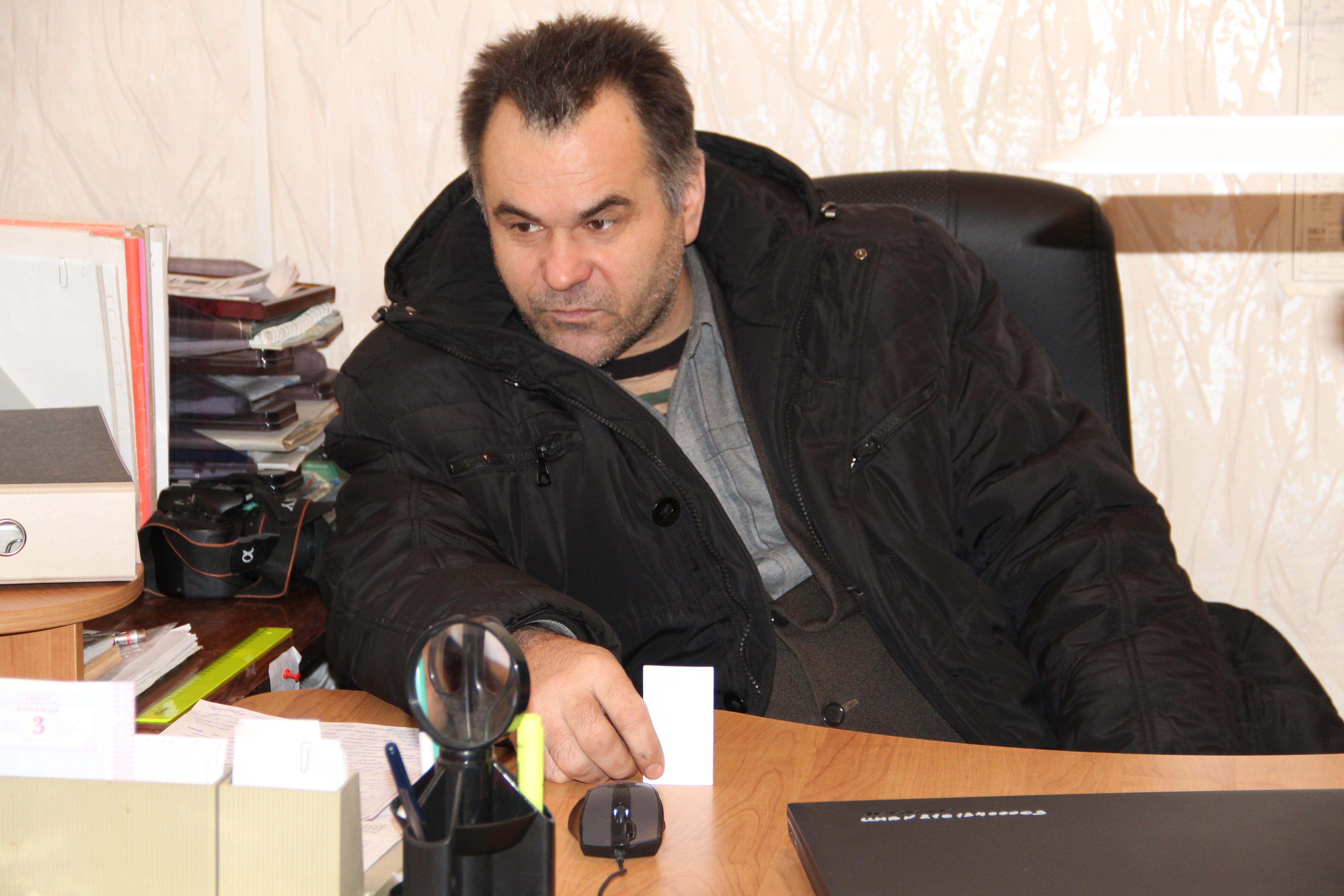
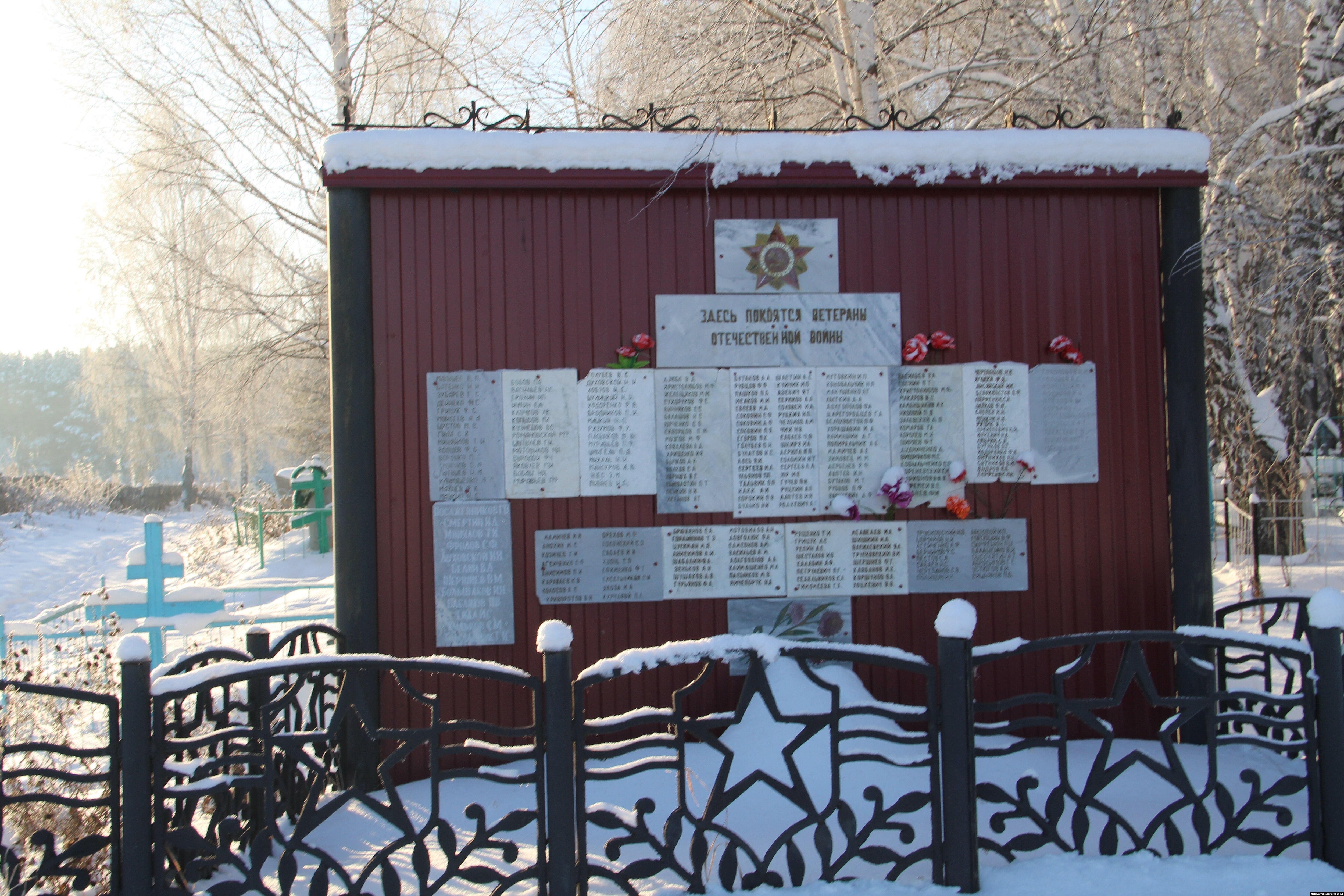
Deputy of the District Council Sergey Serobabov is one of the "founding fathers" of the search association in Sedelnikovo. Serobabov restored the front-line path of the Omsk 30th separate ski brigade, finding 80 "unaccounted" fellow countrymen, including three Sedelnikovites. In Cayeses and Swan, he laid the foundation for museums, in Novouike he organized the Zvezda search detachment, which in two years of work perpeturated 504 countrymen at the local memorial. In Golubovka, last year he created a search detachment "Memory", having engaged in the restoration of monuments to veterans in the local cemetery with children. Now he hopes to put a memorial stone to the victims of the Stalinist repressions, so that, according to him, justice triumphantly triumph.
The regional search association is now being involved in the search and restoration of fate of the soldiers of the Great Patriotic War in Sedelnikovo, led by Bastroon, the responsible secretary of the district newspaper Siberian Worker. It was he in 2012 that he proposed to write a book about the front -line soldiers of the Sedelnikovsky district all over the world.
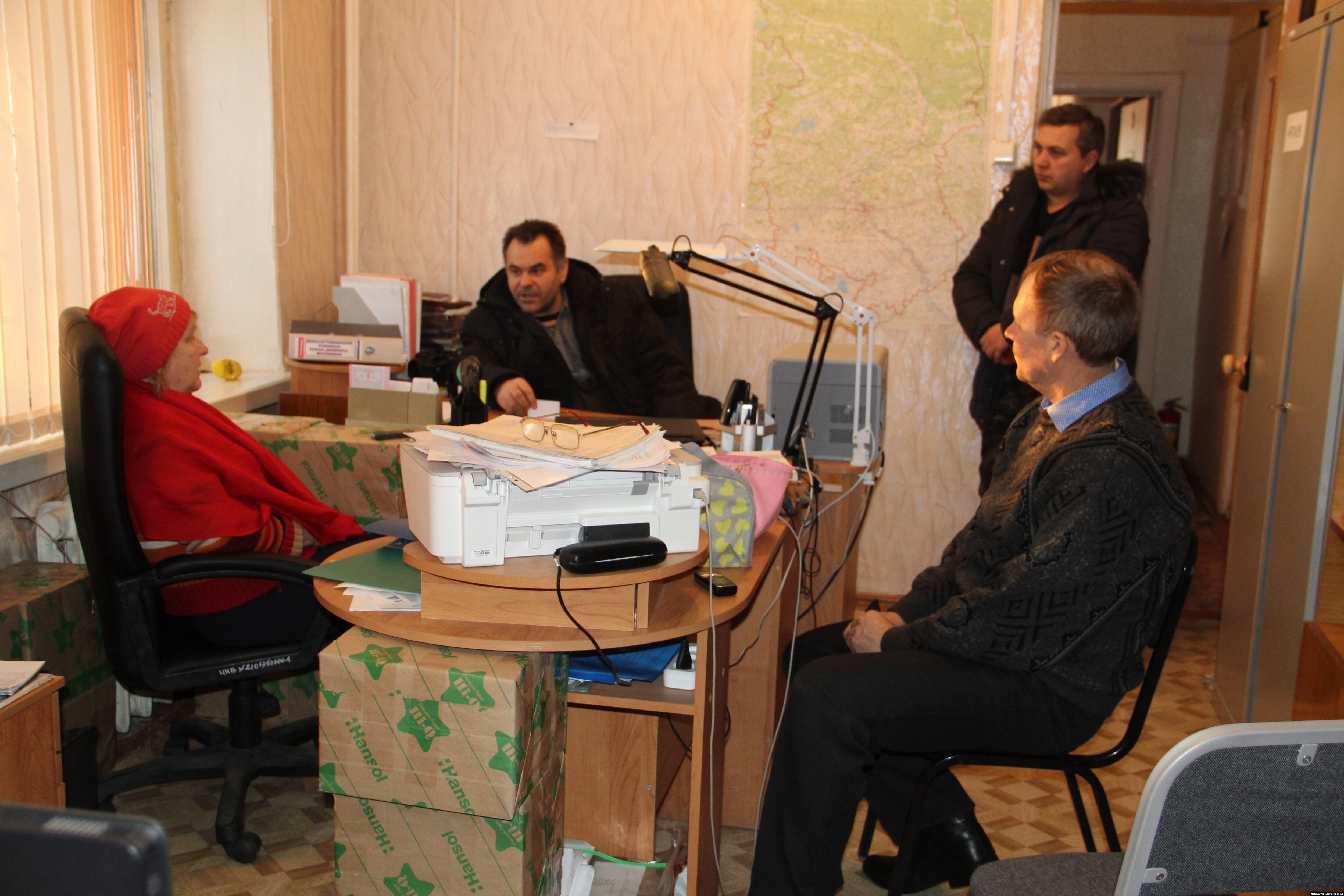
- The book "And after us were the capercaillie" - not a reporting brochure, but a full -color publication for 400 pages, "he explains. - Not an end in itself, but the result of the joint work of all residents of the district. They now have where to bring information about relatives. We distribute to local libraries, schools, send to regional, we distribute to relatives.
At first there were such requests - the figure of the "Immortal Regiment" make more, rounder
There were unexpectedly many people who wanted to share information about the ancestors: now in the association, which began with 11 activists, already 10 new search detachments-4 school and 6 "adults". Collect memories, check data with archives, find photos, work with the authorities in the places of death of fellow countrymen so that forgotten surnames appear in military memorials. There are a lot of assistants - the whole area has joined the work. Pensioners from the bogans arrived, they say: why don't you write about widows? They themselves found 17 stories, brought to search engines. The budget of three volumes issued in three years - 960 thousand rubles. According to Bastron, they tried to earn grants, but did not find the nomination "Patriotism", there are no it in regional or federal competitions:
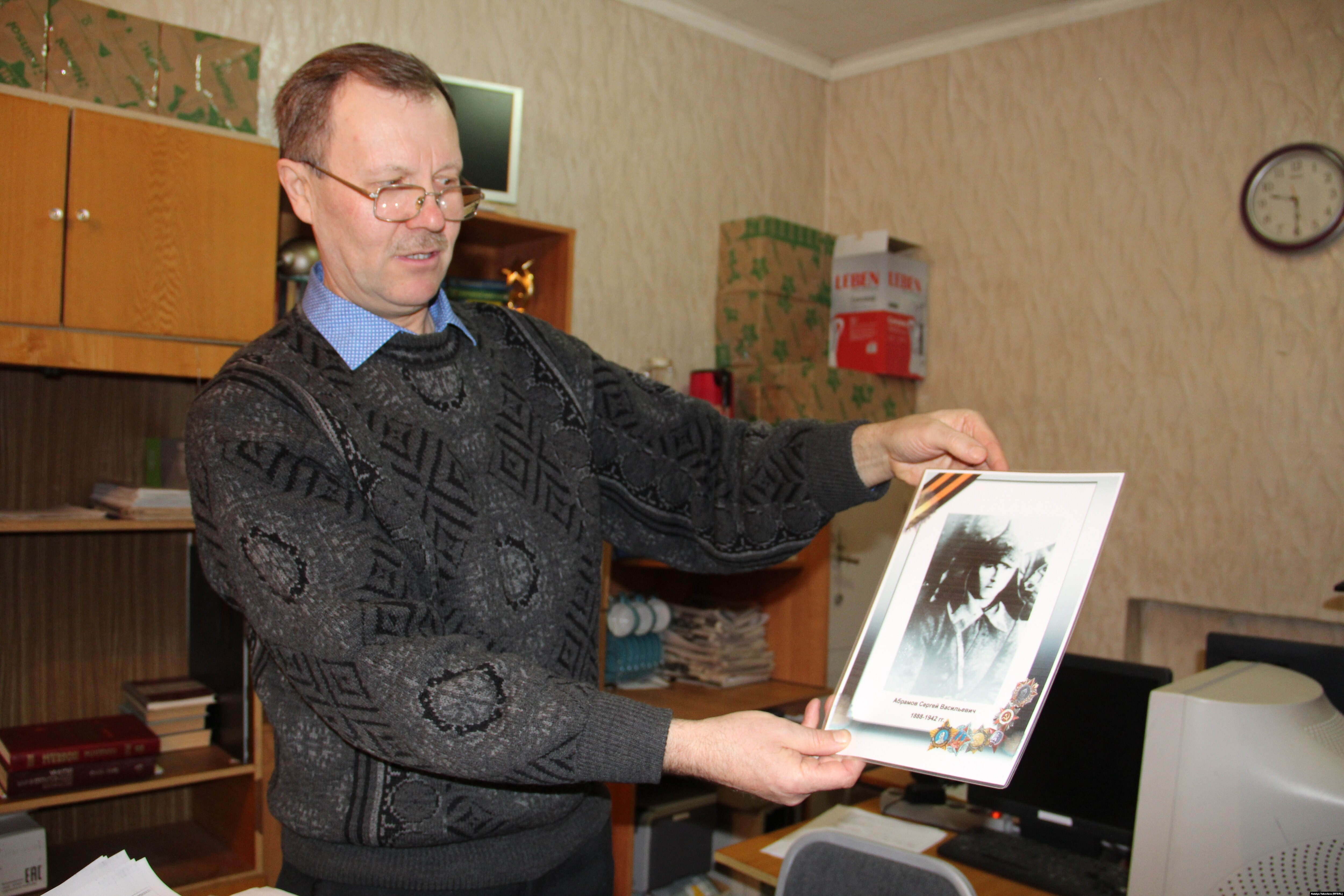
“The authorities do not help, but does not interfere, and then thank God,” says Bastron. - And then at first there were such requests - the figure of the "Immortal Regiment" make more, rounder. We started it in 2014 from 46 people and have grown up to almost two thousand. But these are only those people who go with portraits, how to count the rest? Only on Sedelnikovo four columns per kilometers stretch. In the editorial office, we ourselves help people make portraits, however, the format of the album sheet. Two folders are stored only by those who have no relatives left here. We do not have enough funds for large. For me - it is better to let the three in the village go heart out than a thousand by order.
The pages of the regional reference books of the dead and missing Omsk Books of Memory and Victory Soldiers in the editorial office of the district, which became the headquarters of the search engines, were dotted with red ink. The letter "F" in the fields means that the photo was found, "g" - turned out to be alive, contrary to the list, "n" - found.

We do not know how many died in Chechnya, and 70 years ago
“We now understand that the official figures are much less real,” says Bastron. - It is believed that 5254 Sedelnikovsa went to the front, 2808 died. We assume that the real figure is about 7 thousand. On the local cemetery stools of memory who is knocked out twice, who never once, someone was not buried at all, but was knocked out. Everything - only with the initials, what is the name of what for people, no one remembers. In Golubovka, the list broke off on the letter "T". In the Yevlantievsky settlement, half of the front -line soldiers are not introduced! Valentina Ivanovna Yakubenko worked on Tambovka - 17 front -line soldiers discovered, about which they did not know about in the village. About 30 people brought the winners to the memorial slabs at the monument this year. But so far only 2600 names worked. In Chechnya, we don’t know how many died, and even 70 years ago ... Fortunately, even the archives were declassified. We are trying to break through benefits that families received families in the loss of the breadwinner. But in the archives there are a lot of lists of the dead, where a stamp will slap a stamp for the entire page of 50-60 people: "Missing." Also saving, who was sorted out by name.
In Little Bogdanovka, 90 courtyards, where there are no schools as not for five years, the young history teacher Ivan Ertel, who has to go to work 8 kilometers to the district center, restored the hut of the Hero of the Soviet Union Mikhail Kropotov.
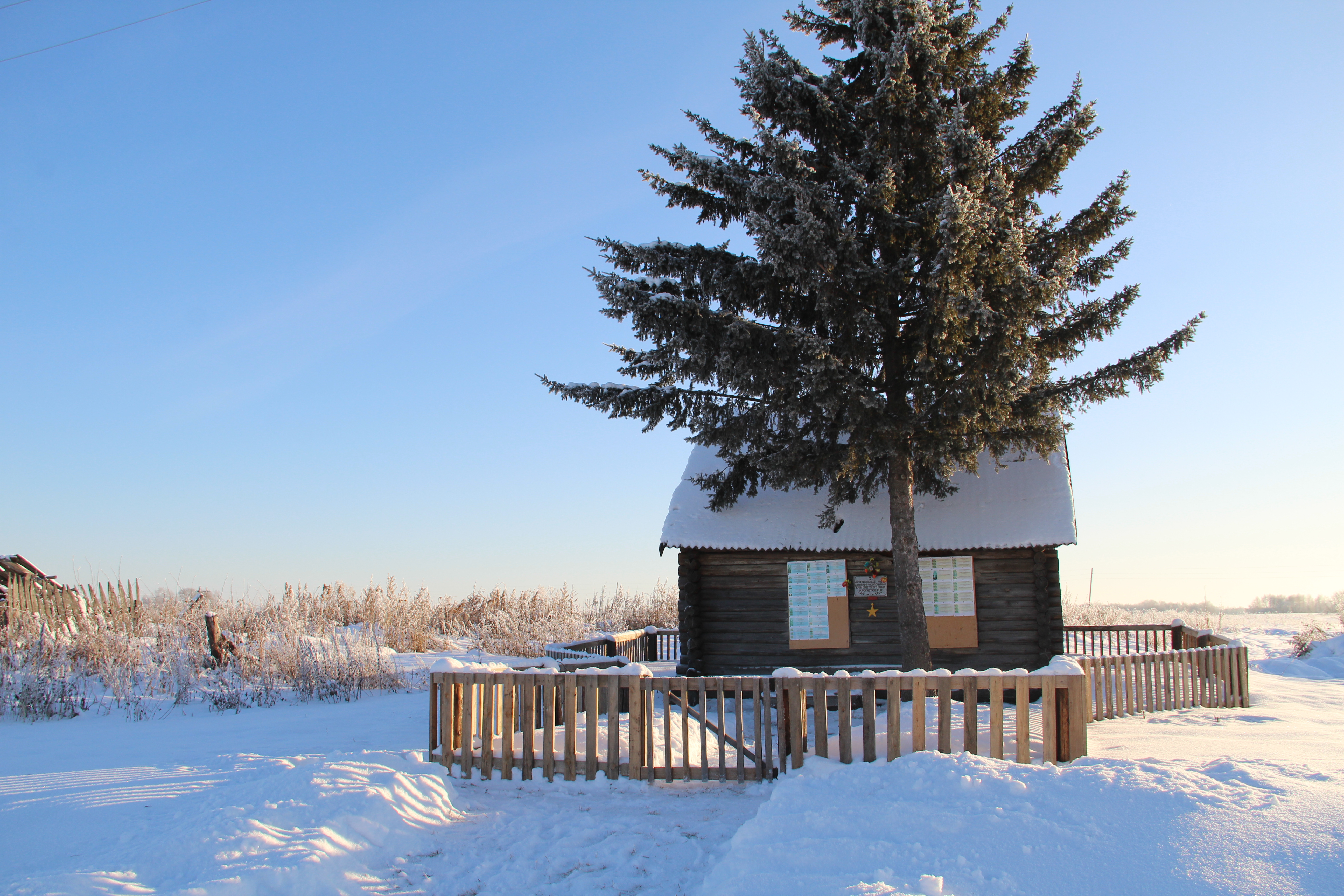
He says that there was where to come with the "Immortal Regiment". The village came to the rescue: men plunged the house, which was stabbed in the 70s, women defeated flower beds. They put a fence, found a piece of concrete, which they want to turn into a memorial plate of the dead villagers. They threw ourselves to slate, redraw the roof in the spring: Ivan plans to make a museum of pre -war life there. While he is engaged in lists of front -line soldiers - to the 58 famous Bogdanovites added 33, which were not listed anywhere.
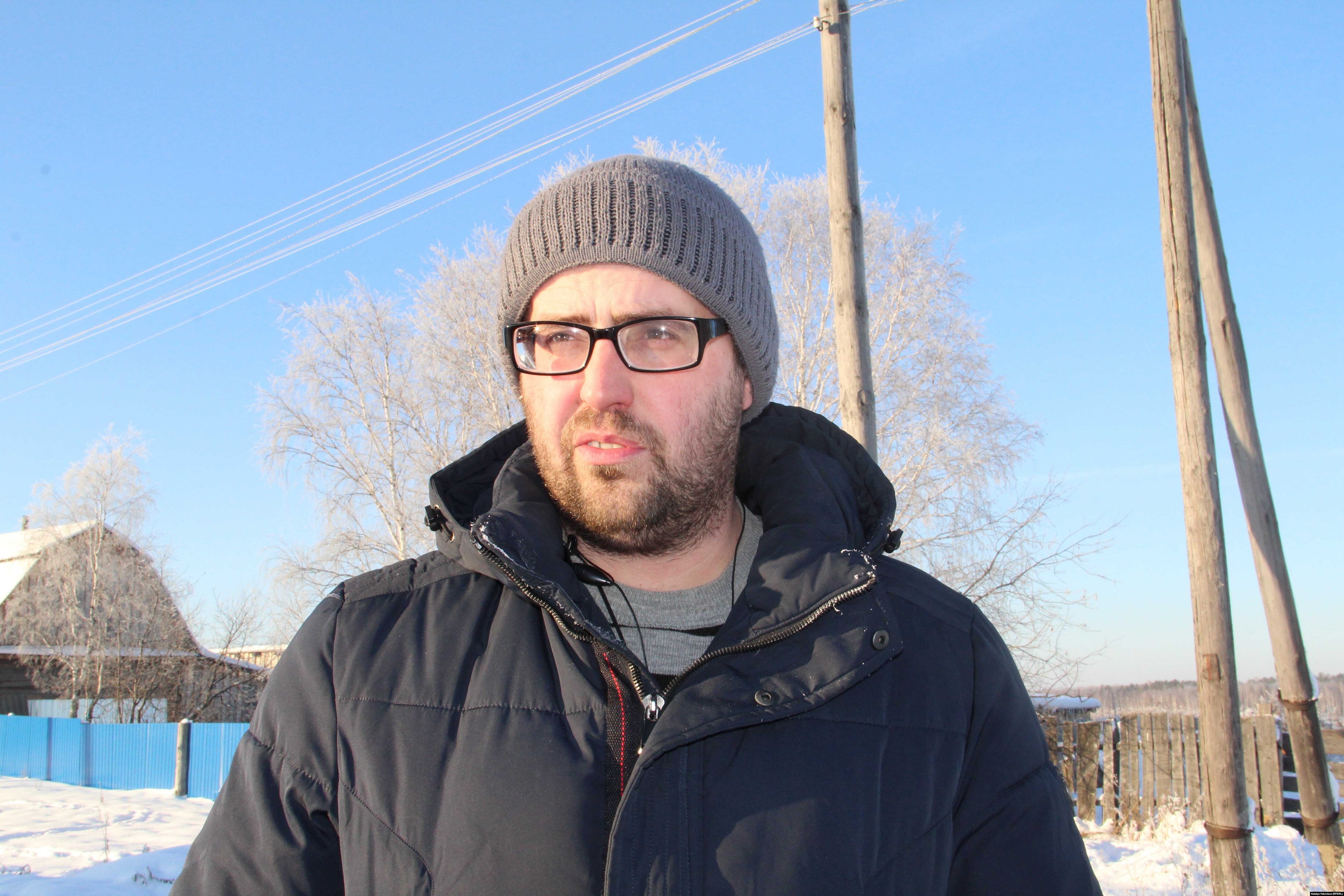
“We must have time while there are those who can tell,” he says. -In our village there are no longer the front-line soldiers, and four living in the whole area. Yes, and the children too ... I agreed to meet with a person in Omsk during the holidays, and he took and died. Well, one of the people left for the inhabitants of 1887 sent, I came from these names, there were also relatives to stay.
They surrendered - 3.5 million in the first year - not because cowards, but because they did not want to fight for the Soviet government. Only when the Nazis reached Moscow, realized that it was not in power, but in their homeland
For two fellow countrymen - the heroes of the Soviet Union, the Sedelens were not focused: so much has been written about them. They were interested in the fate of those who did not even know their relatives. They found that three more were presented to this rank. The cavaliers of the Order of Alexander Nevsky turned out to be 12, although only one of the heroes was previously considered such. The Orders of Glory was completely "dug up" 160 - in addition to the list of 31, which was in the district administration.
“Ivan Borisenko, for example, served as a cook, the family thought: well -fed and warm,” says Bastron. -And in the 45th he drove food to the front line and was ambushed. The description in the archive is everyday: "From his personal weapons, he destroyed the machine gunner, four" fesniks ", after which he began to give out food to the fighters." On the other hand, when he checked our one fighter, he ran into the highest measure of punishment for cowardice, discovered the case of suicide, and the military prosecutor's office confirmed. And what did Stalin want when he put so many people? This is a story for us, but for them life: from the 37th only 4 years has passed, we have an officially less presidential term. They surrendered - 3.5 million in the first year - not because cowards, but because they did not want to fight for the Soviet government. Only when the Nazis reached Moscow, they realized that it was not in power, but in their homeland. They did not die for power, but for their homeland.
The search engines found the names and 84 front -line soldiers who tried to be silent about their heroism.
Politicians, and people understand each other
“And there are such stories that the mothers of the daughters were sent with the words:“ You get pregnant there, they will return home more, ”the chairman of the district department of the public organization of veterans, a member of the editorial board of Sergei Kasaev, opened the collection. - And they returned, mothers from the house drove: "You are there with the men, and I will not marry the younger ones." For decades, people kept resentment. But something began to change. One woman worked three volumes with us, and only for the fourth decided to write about her father. He lived with another family, visited her, and her mother taught: "Run, scream that the folder does not throw." Maybe I realized that we have no right to judge them. And at the presentation of the second volume, the son and daughter of the soldier Vereme Tikhonov from different wives from different edges of the country - Kaliningrad and Kemerovo arrived. For the first time in 65 years, they saw each other!
Serorobabov and Bastron managed to go to the places of the Omichi fights in 2001 and 2007, in Sevsk and the Novgorod region, taking with him several volunteers. But the region does not allocate funds to the search for missing, and the Sedelnikovites should only be given a tenth of their average salary for tickets to Omsk - one and a half thousand rubles. Now write off with search engines. From under Belgorod, a scan somehow sent a note from the found medallion, which was clearly visible: the place of birth-Khmelevka of the Sedelnikovsky district, but only three letters from the name and surname. For several months, the search engines set the name. As a result, the urn with the remains of the soldier Philip Sosnin, sent from Belgorod, was buried with honors in the cemetery in Siberian Khmelevka.
“Politicals have a little brace, and people understand each other,” Bastron is sure. —This, 18-year-old boy Paul Pruly from the village of Estona and in the regional local history museum lay, and in ours-on Estonian they were written. Our native of Mila Peak, the wife of a military attache in New York, translated.
We are wearing from Donbass, from our Syria, and the victory soldiers that we are proud of, what are worse?
For three years, three soldiers who were missing were “returned” to the district. Four more were found, but they rested in the places of their death: delivery of the remains is not cheap. The son of Joseph Bolshakov was waiting for his father all his life, "he thought a crane will fly" ... When they found his remains in 2014, he took 60 thousand rubles on credit, brought a coffin. But he did not let the military at the solemn funeral in Sedelnikovo - the military registration and enlistment office refused to help. The Ministry of Defense does not undertake the costs of reburial.
- From the Donbass, we are carrying our Syria, and the victory soldiers, which we are proud of, what is worse? - Alexey Bastron shrugs. - It is impossible to identify those who died after 42 years: Stalin canceled the Ebonite “suicide bombers”, and the Red Army books from newspaper paper are soaked in the ground in two weeks ... The more unknown ones, the fewer benefits to pay. Stalin did not spare people. Why did Berlin need to take a storm, if he would have already been giving up? 250 thousand people put - those who saw how they live in Europe ...
It is necessary to remember more than once a year, but always
The commander of the Sedelnikov search engines Alexei Bastron did not see Europe. Even Germany, where his ancestors come from. But he is not going to leave for the historical homeland: he has enough work here. He says that in order to tell about the Sedelnikov front -line soldiers, you need to release another 47 volumes. This, he calculated, for 72 years of hard work! And how much time will be needed to raise the stories of the repressed ...
“It is necessary that they remember more than once a year, but always,” he believes. - In the next container, where I studied, the grandfather was legendary: I walked around the village, made the neighbors write denunciations to each other. If anyone refused, he wrote himself - already on both ... And now again the same - people are broken, angry, bring this order, they will begin to convey each other for a sweet soul. I want to hope that in Sedelnikovo this will not be: we learn to understand and respect each other, because we have the past, no matter what "blood" we are. The past should be united, not to share. In order not to be stored, but the lessons are not repeated. И память солдат восстановим, и Ленина скидывать не собираемся, и репрессированным камень поставим обязательно, тут у меня "шкурный интерес"… С одной стороны, наш район тупиковый, а с другой – может, с него все начинается?