
Translated material
Turnkey elections
How the Russian authorities themselves convince the Russians that Navalny can seriously claim the presidential post
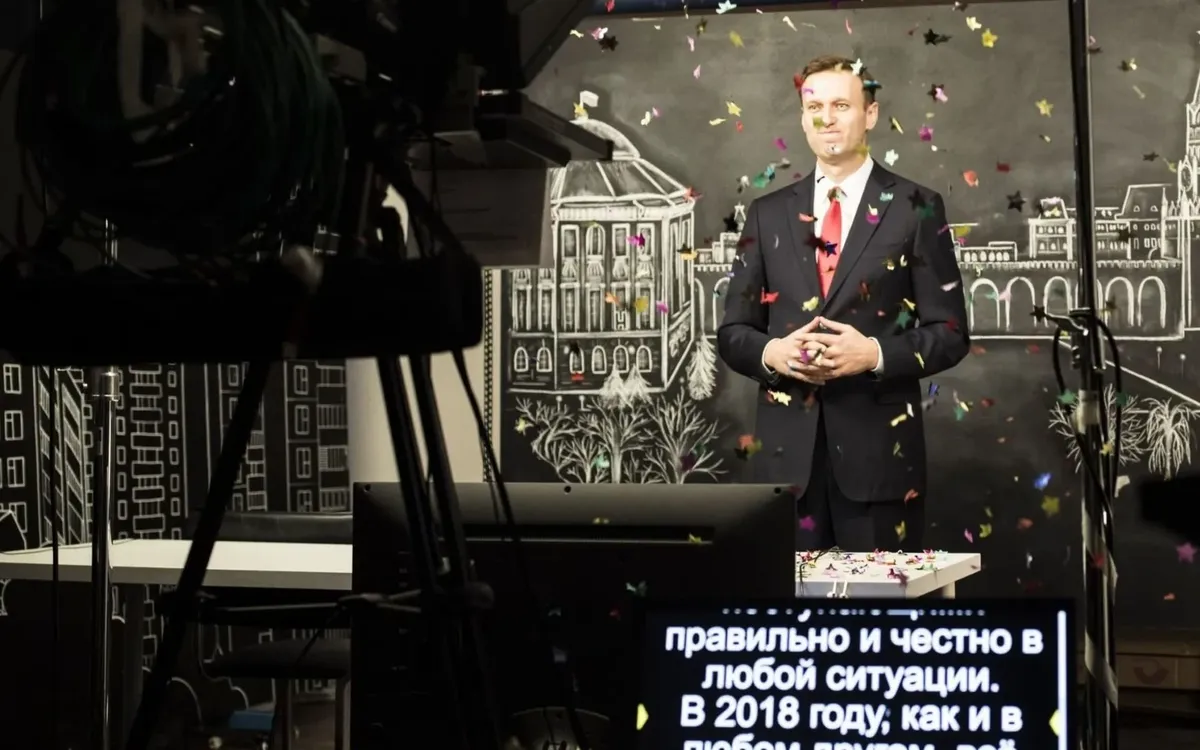
On the eve of the Defender of the Fatherland Day, the Russian authorities organizedly defended themselves from liberals and opposition. At the exit from his house, Alexei Navalny was detained, while the police detained his ally Leonid Volkov. Navalny was soon released, but awarded the administrative protocol under Art. 20.2.8 Administrative Code (repeated violation of the rules of public events). This protocol is an extremely convenient thing, because now at any time politics can be summoned to court, and there it is sentenced to administrative arrest for 30 days. Meanwhile, the country will be presidential elections.
Take a note: if you once have to organize a non -alternative presidential campaign, try to prepare the Administrative Code in advance.
Volkova, detained in Sheremetyevo, the Simonovsky court of Moscow managed to arrest indicatively for 30 days on the same day. The opposition’s fault, according to the judge, was that on January 28 he published on his Twitter page a link from Navalny’s website, containing a video of the detention during an inconsistent campaign. For Volkov, this is already a second administrative arrest over the past three months - in early December he was also arrested for 30 days.
The Code of Administrative Offenses is not the only political ally of the Russian authorities.
In parallel with the detentions and courts, the former deputy head of the Moscow headquarters of Navalny Vitaly Seerukanov announced that he submitted documents to the Ministry of Justice for registration of the “Party of Progress”. This is the name of the unregistered party of Supporters of Navalny, but Seerukanov, who quarreled with his former like -minded people and accused them of incompetence, now claims to be the same brand on his own. Or, perhaps, with the help of senior comrades: Navalny claims that the famous political strategist and former presidential candidate Andrei Bogdanov posted a photograph from the Congress of the Party of Progress collected by Serukanov. According to a similar scenario, Bogdanov has already taken the brand “People’s Alliance” - the first name of the “Party of Progress” by Navalny.
All these processes are perceived by many observers as inexplicable: are the authorities are not so confident in their abilities on the eve of the elections that they are preparing a sterile political background for March 18?
Oppositionists are sitting in the Hospital, the brands of unregistered political organizations are intercepted. But why do you need such measures in a situation where you have the majority of voters and there are no real competitors in the official election?
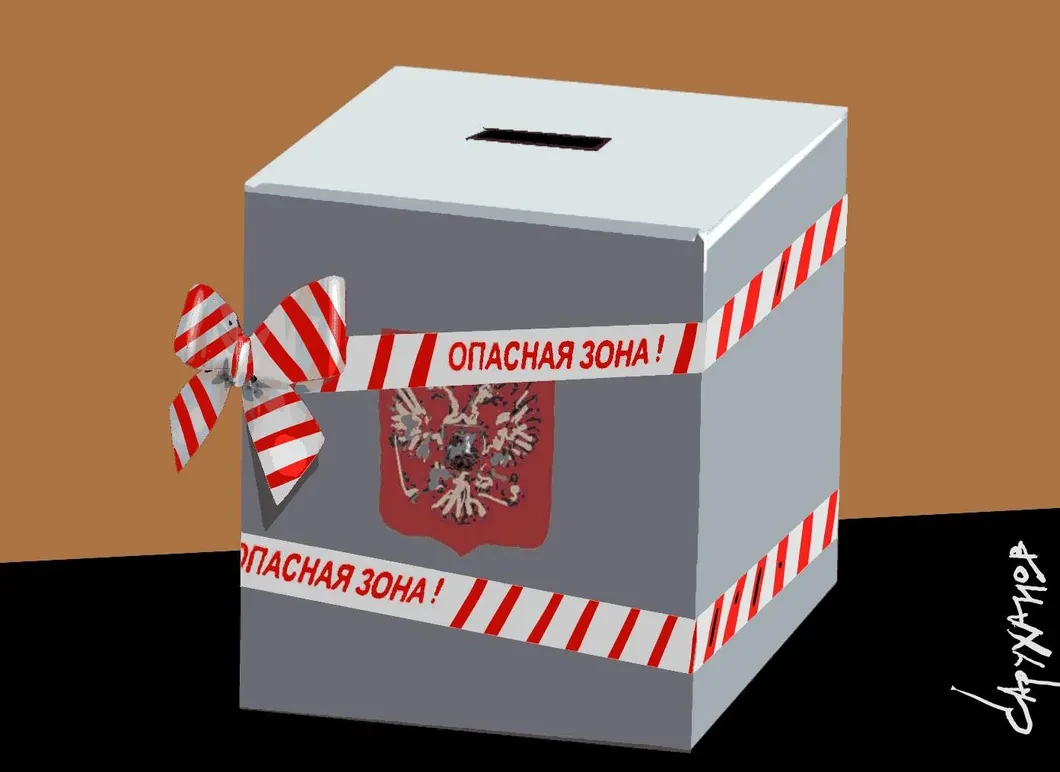
There is no rational explanation here, but it seems that a number of subjective factors come into action. Officials at all levels try to play up and report to the higher authorities. The elections are organized by turnkey, from social advertising and ending with legislative novels, and a preventive hunt for the opposition is considered as the necessary component of the work to “strengthen democracy”.
Most likely, this tactic will justify itself. At the same time, the Kremlin traditionally does not calculate the strategic consequences of their actions. All arrests, prohibitions and “interceptions”, directed against supporters of Navalny, in the long run work to strengthen his reputation as a dangerous political opponent. The actions of the Russian authorities will ultimately lead to the fact that at the exit from the 2018 presidential campaign, no one will have no doubt that Navalny could seriously claim the post of head of state.