
Translated material
Pregnancy is not a disease
How Great Britain has changed the parental system. Reporting Daria Sargsyan
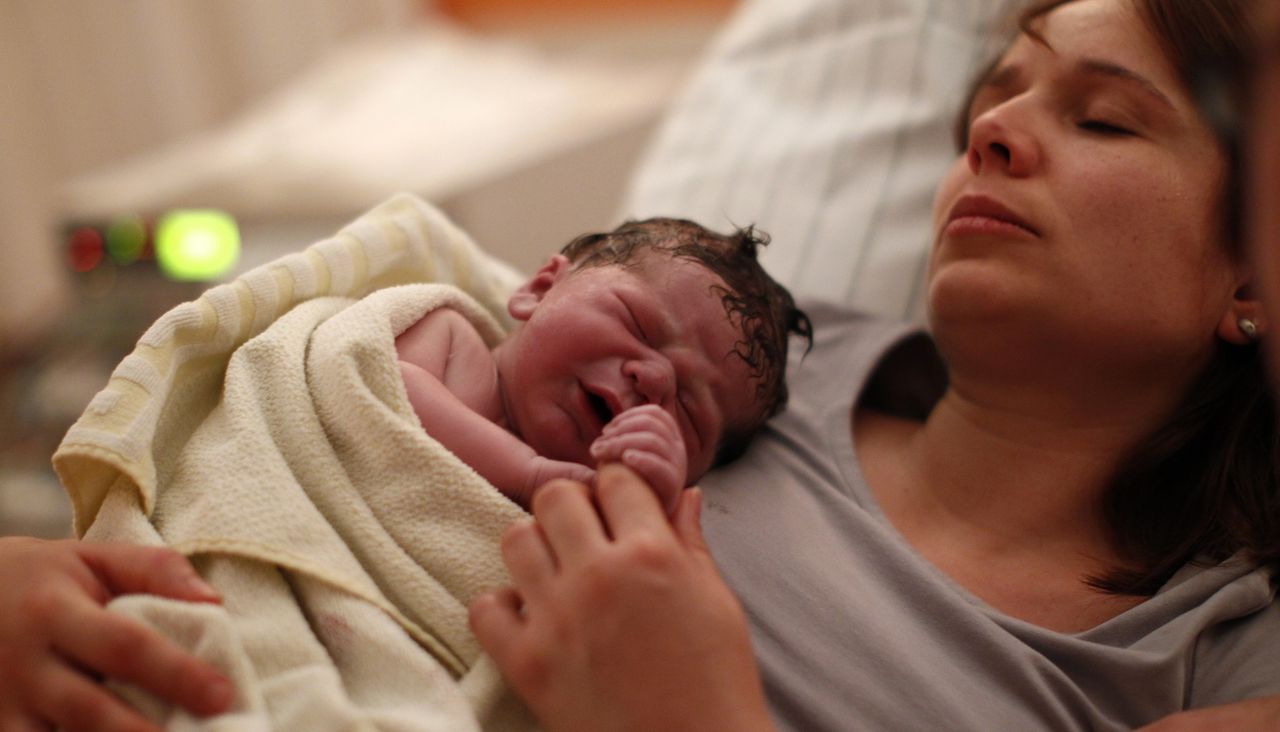
About 40 years ago, childbirth in the UK was similar to Russian: it was necessary to give birth exclusively in the hospital, the main in the entire process was a doctor, which often led to aggressive medical interventions. At the end of the 20th century, the system changed - and began to build around a giving birth to a woman, and not the staff of the hospital. The Medusa Medical Editor Daria Sargsyan went to the UK and tells how the state of obstetric care system is arranged there and how it began to differ from the Russian.
Body, not personality
40 years ago, any woman in the UK knew: if she has to give birth, the case will happen in the hospital and she most likely cannot be avoided by droppers, crotch incisions, drugs with various side effects and other interventions. All a hundred percent of women were officially recommended to give birth in a hospital.
In the 2006 article, the BBC cites the stories of three women-grandmothers, mothers and daughters who gave birth in the UK. In 1947, non -electrical ways to cope with pain were not considered normal, a man could not attend birth, they could only communicate with visitors during the allotted hours, and the child was not given in his hands after childbirth and, as a rule, was held separately from the mother. In 1973, when a woman got into the hospital, she was enemas, shaved the area around the vagina, and without much need they could pierce the fetal bladder to stimulate childbirth. Visitors were reluctant to be allowed and limited to moves. The experience of the daughter, who gave birth in 2004, was much more pleasant.
Polls show that women in modern Great Britain, as a rule, have no complaints about how their birth was taken. For example, in the 2017 study , the respondents assessed the situation for such indicators as “involvement in decision -making”, “attitude from medical personnel” and “trust in medical personnel”. By all indicators, the assessment was quite high (more than 75% of satisfied) and improved from the 2015 survey survey to the 2015 survey.
“When I was just studying for a midwife, almost all women made an episiotomy , an enema and shaved the area around the vagina,” says Sarah Gregson, the main midwear Maidstone and Tunbridge NHS Trust. - The woman in labor was more than a body, not a person. Then the women began to be indignant and say that no, we do not like it. And this forced experts to reconsider their approach. ”
It was a difficult struggle that was all 1980s, and at first, when one of the doctors tried to reduce the number of different manipulations during childbirth, colleagues began to doubt its competence. In 1993, the state report “Changing the birth” was released, which determined the basic principles of the system reform: the center now found a woman, not a doctor.
Now in the entire pregnancy, a woman in the UK may never see the doctor. Without a doctor, childbirth can pass. When a woman communicates only with a midwife, this reduces the frequency of interventions , makes childbirth safer , and also saves money, which there are not so many healthcares in the British healthcare system. As in Russia, medical care in this country is free , and it is important not to go beyond a very limited budget, without losing quality.
The woman makes decisions herself
“Everyone who comes here from Russia is at first in shock,” says psychologist Svetlana Khotnikova, who gave birth to both children in the UK. - Then they begin to penetrate this approach, because it is natural, here everyone with you rejoice at this pregnancy. Another difference, probably the main thing: here you yourself make decisions. ”
Formally, in Russia, a woman also makes decisions herself, say, if there is no threat to life, all the interventions must be asked for the patient's consent. But in reality, this happens very rarely - and such situations are disturbing many. According to the law, if a woman was carried out by some procedure without her consent, she can apply to the court for compensation, explains Alina Chimbireva, lawyer and founder of the Melegal law firm. As an example, she cites a case when a woman in Ulyanovsk received 12 thousand rubles for conducting an episiotomy without her consent.
In the UK, women's opinion is really taken into account in everything. “During the birth, when I was very painful and I already thought badly, the midwife asked me if I agreed to Petidine,” says Svetlana Okhotnikova. - At that time, I agreed to anything. She took my face with her hands and said: “You understand that I ask you? Petidin. Do you remember, you were told about him before giving birth? He has such side effects.” I yell: “colita!” And she asked for twice and in the end achieved a really informed consent from me. ”
The question of where childbirth will be held is also solved by the pregnant woman herself. Depending on the condition and chronic diseases at the beginning of the term, the woman is determined in a high or low risk group, and it depends on where she is recommended to give birth. There are four options. You can give birth at home with a certified midwife, in the obstetric center, in the obstetric department in the hospital or in the department in which doctors take birth.
Recommendations of a midwife or general practitioner who will have a woman, having learned about her pregnancy, is not strict. “If you tell me:“ I have twins, high pressure, during my last birth I had bleeding, I want to give birth at home, ”I will say:“ Ok, let's discuss, ”says Sarah Gregson. - And the first thing I will say later: “You choose where you will give birth. I cannot forcibly push you to the hospital and tie you to the bed.” My work is to make a woman make a decision with open eyes so that she understands what risks are and how we can reduce them. ”
According to Gregson, in most cases, women agree to the hospital, and the staff tries to create the conditions that she needs and which she saw only at home or in the obstetric center - for example, some want to give birth in the pool, and sometimes it is possible to arrange it. At the same time, Gregson believes that you can’t converge the colors: “If you say:“ Your child will die if you do not agree to this intervention, ”this may sometimes be an exaggeration, and we must tell women the truth. A woman should understand that we will not not say something or, conversely, exaggerate. ” According to Svetlana Khotnikova, in the UK you can still encounter such an appeal if a woman makes a risky decision, but this is rare and usually comes from the midwives of the old hardening.
Midwives can independently help in an emergency
If complications arise in the process of childbirth or in the Obstetrian Center, the midwife will call an ambulance and a woman in labor will be transferred to a department where there are doctors. The same applies to cases when a woman, for example, wants to get epidural anesthesia . If the situation is emergency, a midwife will provide first aid, which has enough skills and medicines for such cases.
For the safety of mothers and newborns, this state of things is much more favorable than in Russia, where home birth is not regulated in any way. As a result, they are taken by people with incomprehensible qualifications and views on medicine (the midwives cannot provide such assistance at home) - it is quite natural that everything can easily end in the death of a child .
“In the British law there is such a concept - “ obstetric exception ” , it allows midwife to use various drugs, including narcotic painkillers,” says Mandusz Forrester, the head of the quality and standards of the royal society. “For example, with bleeding, we can do a lot of what we would do in the hospital, including putting a dropper with the necessary drugs,” explains Sarah Gregson. - If you need to resuscitate the child, we have the necessary skills and some equipment for this. But we can’t, for example, overflow blood and conduct operations. ” The midwife has not only medications and equipment at their disposal, but also a clear algorithm of actions in complications. For all occasions, doctors, scientists, midwife and women made these algorithms for all occasions. “Not for all recommendations you can find a scientific basis, but those cases when it is collected in these manuals, they are constantly being updated,” says Birmingham Sarah Kenon, professor at the University of Birminghaon, who took part in the creation of the National Directorate for Current Directions.
Pregnancy is not a disease
Doctors and midwives in the UK say that childbirth should not be perceived as a medical event, because a woman is not sick. “We just accompany it on this path,” explains Professor Kenon. “We proceed from the fact that the body usually copes well with childbirth on its own and we do not need to intervene until there is no need.”
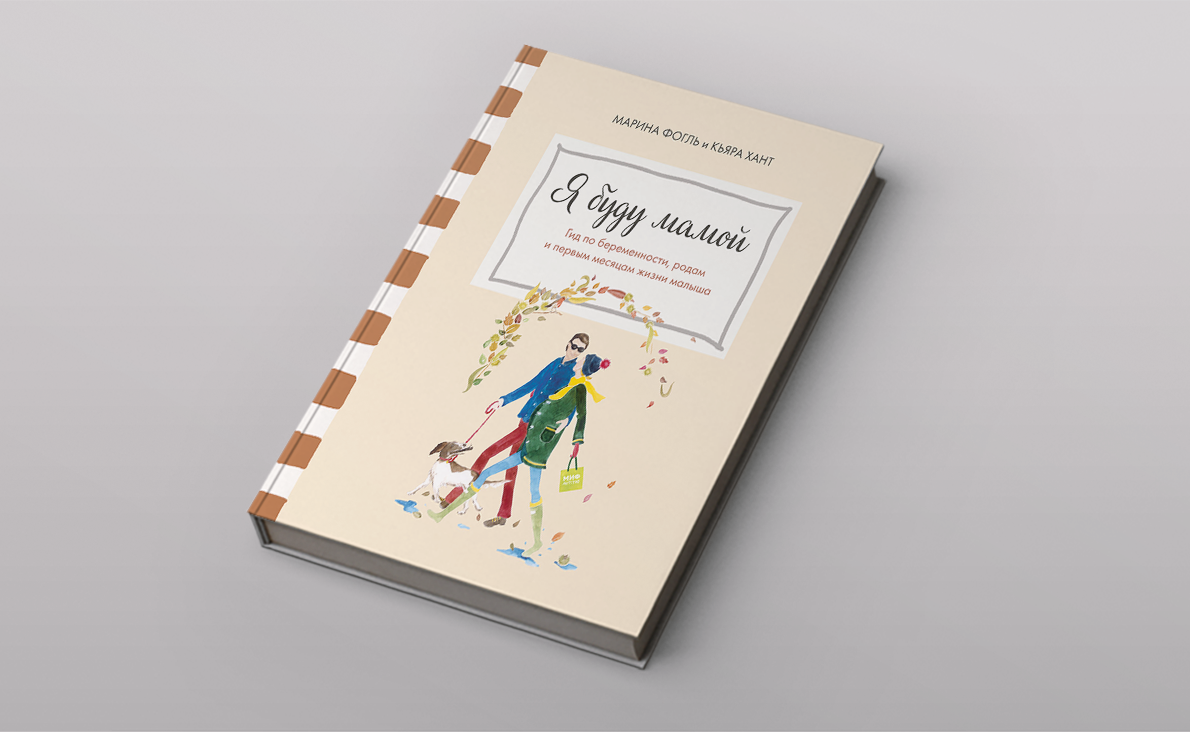
Previously, in the UK, childbirth without interventions for a long time was officially called “normal” and they were promoted in every possible way, but now the terminology has changed - so that women who needed medical interventions do not feel “abnormal”. In the book “I will be a mother”, the British doctor Kyara Hunt and the founder of pregnant women Marina Fogl, they write in detail not only about the course of pregnancy, but also about childbirth: mainly that childbirth is a natural process that often does not require interventions. But at the same time, they always indicate there: if you decide to choose epidural anesthesia, you should not feel guilty; If your child is not immediately attached to the chest after birth, everything is still good; If you asked to erase the original grease and only then put the child to the chest, you are still a good mother.
But still, in countries where they move away from excessive medication of childbirth, to feel wrong if you retreat from the “natural” path, it is easy. Others will help this. “Women can be very unkind to each other,” says Mandy Forrester.
It is impossible to protect yourself from condemnation - it will even overtake you in the line in the store, as the comedy actress Jesse Klein overtook you, which she told about in her column in The New York Times. Is it not the first question of the unfamiliar woman who paid attention to Klyin’s pregnancy was: “Do you have natural birth?” The answer “no” greatly surprised her, and “she turned and disappeared, like a missionary, who had a particularly stubborn local resident just said that he was delighted with the prospect of going to pagan hell.” After this publication, the text of the journalist Jenny Anderson, entitled “The best way to give birth to a child, was published in the publication of Quartz, this is the path that you choose”, where she talked about how you hate yourself when you agree to the intervention and explained why it was time to stop experiencing guilt.
The hospital is not a hospital
The obstetric center in Meidston (an hour of driving from London) is a modern one-story building with walls of four to five windows. It contains two departments: pregnant women and already born women with different issues come to one, and the maternity hospital, where over the past six and a half years, have adopted several thousand births for free. Entrance to the maternity ward - by electronic passes, a dispenser with an antiseptic hangs in front of the door: hand washing is incredibly important in order to prevent the spread of infections. “Let me immediately show you the postpartum ward,” says Sarah Gregson. In a spacious bright room there is a two -spar bed, a picture hangs and generally quite comfortable. Only water flows from the mixer with complete pressure. “We need to do this every morning so that there is no legionellosis ,” Gregson explains. “Water consumption, of course, is huge, but it is necessary.”
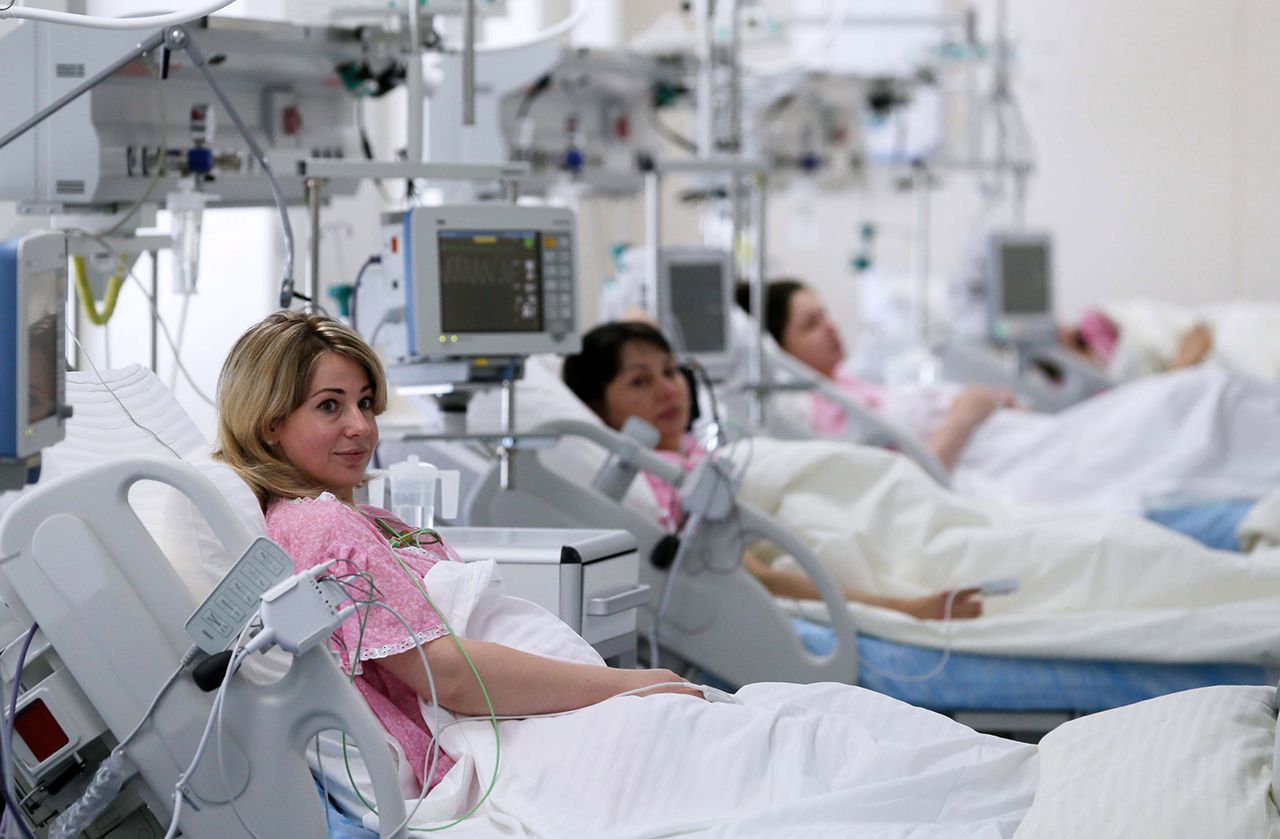
The remaining postpartum rooms are also comfortable, in the maternity wards there are pools, balls and armchairs, paintings hang everywhere, murals with the image of nature are glued, flowers in pots, rooms are home, but most importantly, it does not look like a enjoyed medical institution (which can be observed in Russian maternity hospitals). Probably, the whole point is what orders are here: if you come to the obstetric center as a visitor, it seems that you come to visit a woman - there are no strong restrictions on the visit of the visit and the number of visitors, you can go to the kitchen (and not in the dining room or buffet), drink tea, sit on the sofa in the garden room (with access to the garden) and chat.
The main principle is evidence
In Gregson’s speech, the “evidence base”, “research”, “ cocran ” constantly flash. In Russia, a woman who wants to decide how her child will be born, based on scientific evidence, it will be difficult: it is difficult to find competent specialists or to understand the issue independently. In the UK with a pregnant woman, they will discuss everything, they will be provided with booklets, send it to free courses, give a phone where you can call if something goes wrong, and a link to the website of the clinic or obstetric center, where there will be basic information about pregnancy and childbirth. In Russia, booklets sometimes pay more attention to moral issues and at the same time contain inaccurate medical information. On the sites of maternity leaves, it is also rarely possible to find competent, based on research answers to questions about childbirth. Is there really any benefit from the “three T” rule (dark, warm, quiet) during childbirth? What will happen bad if you do not apply the baby to the chest at once? In what position to give birth? How to solve the issue with pain relief?
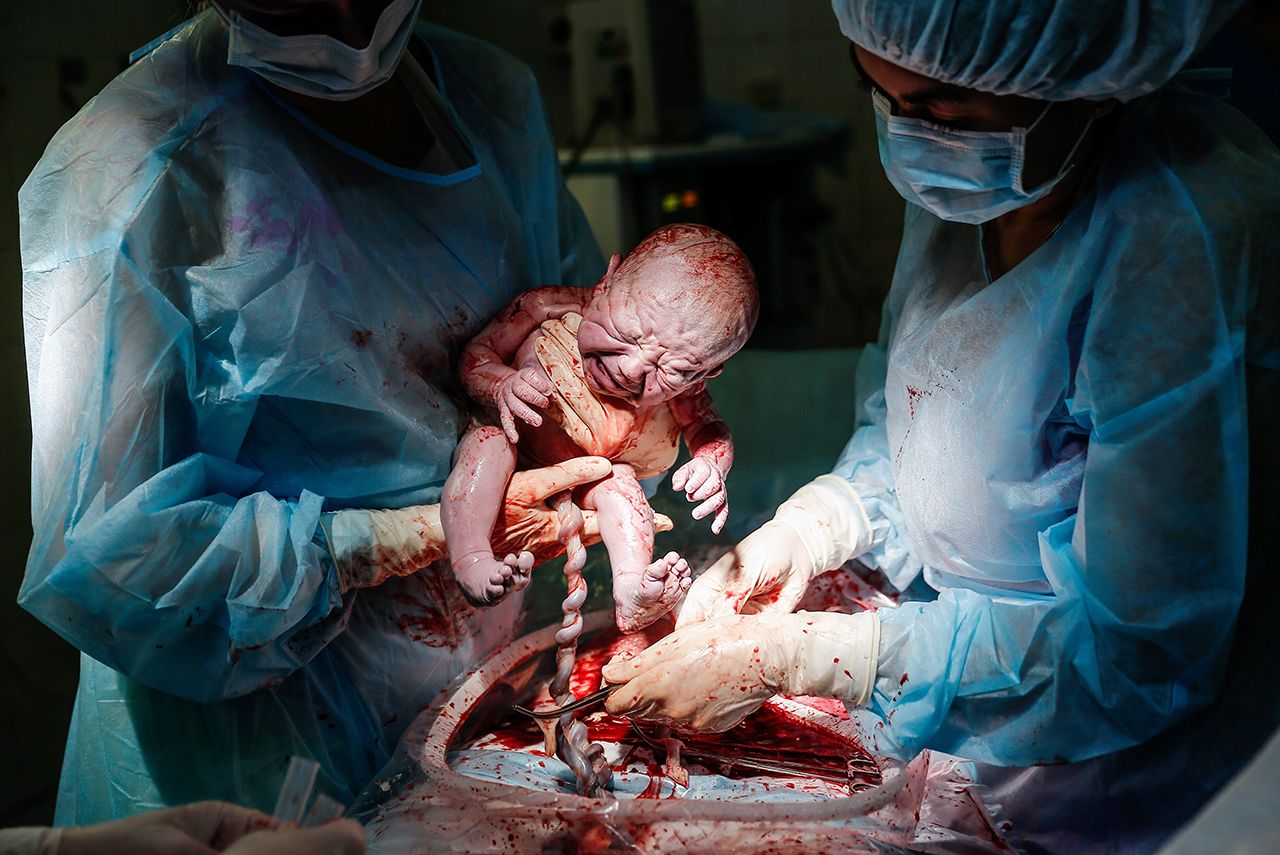
For example, researchers believe that the role of physiological childbirth in the health of the child is usually overestimated. Of course, interventions increase the risks of complications and we need to strive for natural birth, but often possible harm can be short -term, and there is no evidence that childbirth has more influence on the mental state of the child than, for example, education. Namely, this can often be heard from ardent opponents of various interventions.
With physical health, everything is also not so simple. “I have not seen studies that would indicate that the mother’s stress due to an uncomfortable atmosphere during childbirth affects the health of the child,” says Professor Zarko Alfyrevich, the coordinating editor of the Kranov Working Group for Concreting and Rodi. “In any case, all this is very difficult to measure, sometimes it’s simply impossible.” “What depends on the development of children? -The obstetrician-gynecologist The Harley Street Clinic in London Denis Tsepov begins an explanation. -How was the pregnancy (whether there was hypoxia or some damaging factors), whether there was an injury in childbirth (mainly mechanical or the same hypoxia), then there is a genetics, social situation and a simple chance. The remaining factors, including in childbirth, are almost impossible to track. I do not know a single such study. ”
There is a popular opinion (and not only in Russia) that the cause of children's cerebral paralysis is certainly in complications during childbirth. This is absolutely not so, and the main risk factor here is premature birth . The same applies to perinatal encephalopathy - a diagnosis that implies that the child has a certain pathology of the brain. But the point is not even that this diagnosis is not related to childbirth is often connected, only in Russia in most cases they put it completely for no reason . In other words, this is also not what you should worry about.
About what evidence-based medicine thinks on various issues is mainly written in English, for example, in the British guide for doctors and midwives (for the medical document there is quite simple language there), in the documents of the American College of Obstetro-Gynecologists, as well as on the patient website of ChildbIrthConnement.org , which is recommended by the authors of the knowledge base for doctors Uptodate. In Russian there is the already mentioned book “I will be a mother” (however, one cannot but say that in the section about the first weeks with the child there are controversial recommendations). In this material , Medusa talks about the position of evidence -based medicine on key moments in childbirth.
Attitude towards a woman
The psychotherapist, co -founder of the Mental Health Center clinic Amina Nazaraliev three months ago passed through a cesarean section in one of the Moscow maternity hospitals. According to her, the experience turned out to be contradictory: the attitude towards her was bad, but improved greatly after the entry into force of the contract for paid services. “90% of negative experience is the relationship of medical personnel. This maternity hospital is considered one of the best, but I had to remember this feeling there - when you lose human dignity when you are an object. There, no one said after the end of the end: “Please go to the ward,” they simply said: “To the ward”. Absolutely impersonal and often meaningless orders. I tried to establish a dialogue, but there was always an answer: “this is supposed to”. Ты сдаешь верхнюю одежду и не можешь даже выйти погулять или в магазин, передачки строго по расписанию, купить еду внутри нельзя. У тебя берут кровь и не объясняют для чего. Этих мелочей масса. Я чувствовала себя беспомощной и понимала, что надо подчиниться, потому что я не могу их сейчас победить, я уязвима и я не хочу еще сильнее портить себе настроение».
После вступления в силу контракта в большинстве своем персонал вел себя гораздо лучше, и иногда забота была даже сверх той, что можно было бы ожидать. «Я не хотела, чтобы мой ребенок появился на свет под танцевальную музыку, которая звучала в операционной, и персонал несколько минут старался найти радио с классической музыкой. Это было очень трогательно и приятно, это очень много для меня значило и снизило тревогу перед операцией», — рассказывает Назаралиева.
По ее мнению, причин тяжелой атмосферы в российских роддомах несколько. В медицинских институтах почти не учат общаться с пациентами, а к таким предметам, как этика и деонтология, студенты относятся как к физкультуре, если не хуже. Другая причина в том, что врачи часто чувствуют себя носителями уникального знания, ответственными за судьбы людей, — им кажется, что вежливость присуща сфере услуг, и ей нет места там, где речь идет о жизни и смерти. Третья причина — усталость, особенно в акушерской среде. Кроме того, как считает Назаралиева, дело в традиции, в опыте врача: как к его потребностям относились дома, в детском саду, школе, университете, ординатуре, на работе. «Если потребности человека игнорировали, если отношения были построены на подчинении, насилии, как часто бывает, то это приводит к вполне закономерным результатам», — объясняет она.
Британские специалисты, с которыми удалось поговорить для этого материала, утверждают, что отношение к заплатившим и к незаплатившим роженицам всегда одинаковое. Единственный плюс — за деньги ты гарантированно получаешь одноместную палату.
То, что происходит в российских роддомах, не уникальная ситуация. Во всем мире есть такая проблема : и в развивающихся странах, и в развитых. Об акушерской агрессии (сюда включают и грубость, и вмешательства без информированного согласия) пишут научные статьи, пытаются разобраться в причинах, но все же там, где женщина имеет твердое право принимать решения, этого мало. «В Великобритании акушерки относятся к тебе как к своей племяннице. Ты приходишь на прием, она тебя гладит по животу и спрашивает: „Ну, дорогая, как ты сегодня?“ — рассказывает Светлана Охотникова. — Во время родов, когда я начала тужиться, одна из акушерок подошла ко мне, начала гладить по руке и повторять одну фразу, которая застряла у меня в голове месяца на три: „You are doing very well. Good girl“ ».
«Никто тут не будет груб с женщиной, потому что это просто не потерпят, причем коллеги тоже, — говорит профессор Кеньон. — Даже если женщина была настроена на естественные роды, но что-то пошло не так, она по-прежнему может получить хороший опыт, если чувствует поддержку и то, что она в какой-то степени контролирует ситуацию. Тут дело не только в том, каким путем ребенок появился на свет». Мэнди Форрестер согласна: «С вами могут происходить просто ужасные вещи, но если кто-то добр к вам, будет легче. И наоборот: если все прошло хорошо, но кто-то вам нагрубил, вы запомните это навсегда. Беременные женщины очень впечатлительны. Поэтому мы обучаем наших акушерок таким образом, чтобы они хорошо общались и выясняли, что нужно этой конкретной женщине».
«В Великобритании уже несколько десятилетий женщины влияют на заботу о материнстве, — рассказывает профессор Кеньон, — они говорят, что им нужно, и к ним прислушиваются; система ориентирована на женщин и их потребности».
По мнению доктора Назаралиевой, многие пациентки в России считают, что если ты пожалуешься, то ты разозлишь врача, тебя назло плохо прооперируют, плохо будут вести роды, дадут плохое лекарство, заставят дольше мучиться в родах. И надо подчиняться, чтобы не отомстили.
Daria Sargsyan
Публикация подготовлена при поддержке Международного центра для журналистов (ICFJ) и Johnson & Johnson, которые финансируют командировки лауреатов журналистских премий. Дарья Саркисян выиграла конкурс медицинских журналистов в 2016 году.