
Translated material
A truce bombardment. Will the Eastern Guta be the second Aleppo?
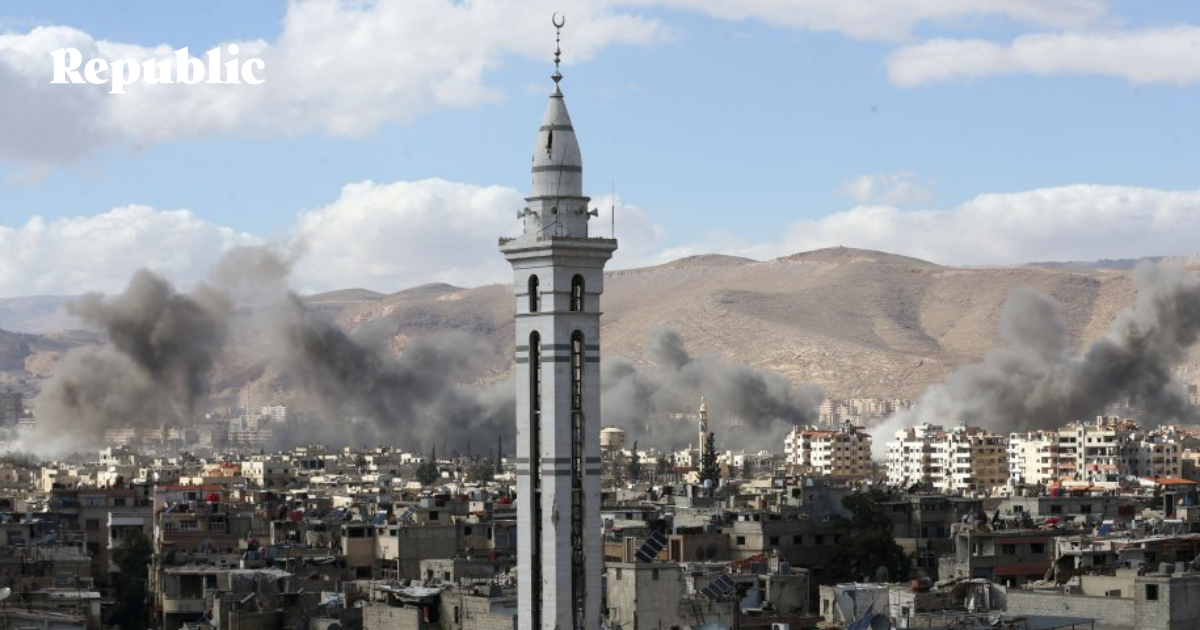
The adoption by the UN Security Council of the 2401 resolution on a thirty -day national truce in Syria and, above all, about the ceasefire in the Eastern Guta is unlikely to significantly reduce the escalation of tension in the suburbs of the Syrian capital. Additional efforts of the world community and increasing pressure on Damascus and Moscow will be required to prevent a humanitarian catastrophe. Since the beginning of the operation of the Syrian government troops, more than seven hundred civilians died in the Eastern Guta, humanitarian aid stopped entering there in November 2017.
Humanitarian pause
The main problem is a different understanding of the goals of this resolution. The United States, France and Great Britain, as well as those who prepared the project of the Kuwait and Sweden resolution, sought to return the situation to the period before the operation of the Syrian army Damaskaya Steel, considering the ceasefire regime as a step to establish a more durable nationwide truce and restart the mechanisms of the descalature zone. Moscow and Damascus seem to try to use the provisions of this resolution as a tool to facilitate the implementation of their own military tasks, that is, establishing complete control over the Eastern Guta. That is why Moscow supported the resolution.
In addition, from the point of view of Russia, we are talking about the ceasefire in the Eastern Guta at all. It is planned only to introduce daily humanitarian pauses and open a corridor for five hours a day for the release of civilians. Despite the fact that no outcome of the civilian population in principle is provided for by the resolution.
Subscribe to read the whole
Make a subscription Redefine.media to read Republic
Subscribe [you can pay for a Russian or foreign card. The subscription is extended automatically. You can unsubscribe at any time.]
Where are the money subscribers going