
Translated material
Do not breathe!
The city of Monchegorsk Murmansk region is shrouded in a poisonous fog, residents are recommended not to go outside
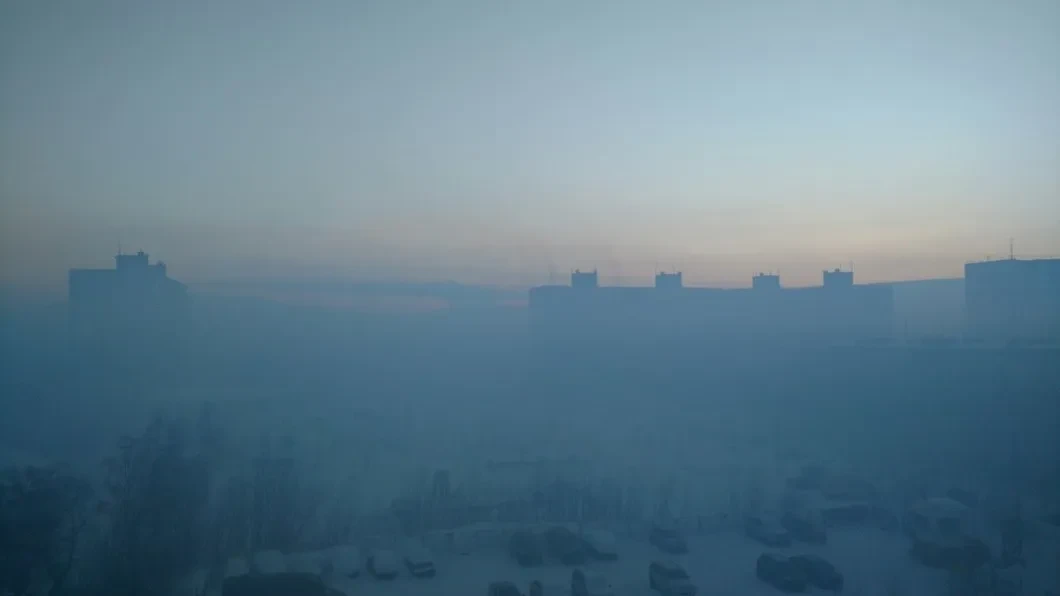
Not to go out and not to open the windows recommended the residents of Monchegorsk at the city hall. However, the street is unnecessarily and no one is torn: a characteristic bitter taste appears in the mouth, eyes watery, a cough begins. In addition, nothing can be seen in a few meters: the city drowned in a yellowish-gray fog. Periodically, a flashing light emerges from the fog: the EMERCOM car runs around the city, recalling with the help of a loudspeaker, which is now safer to sit home. The disaster has been continuing since March 5, but officially the source of the emission of hydrogen sulfide has not been called. Despite the fact that in Monchegorsk there is a Kola GMK (Norilsk Nickel daughter) plant, on which Faynstein is processed containing sulfates.
The local authorities officially recognized the excess of MPC (maximum permissible concentration) of sulfur dioxide 2 days after the start of the disaster.
The exact figure is not named, although, judging by the releases of officials, measurements are carried out regularly. The mayor's office diplomatically states that the MPC is exceeded “more than 2 times”, and that it was decided to combat a dangerous phenomenon ... to reduce the temperature of the coolant of the local thermal power plant, which supposedly produces “up to 30 % of the ejection of sulfur dioxide”. Local residents began to ironize about this: they say, the city is officially recognized as a branch of Hell, because if sulfuric anhydride bursts out of the boiler house, then in the boilers a tour of sulfur.
In parallel, the KGMK announced the suspension of production in Monchegorsk "until improving weather conditions." In other words, the Shtil ends until it ends: in the city for several days is frosty and calm.
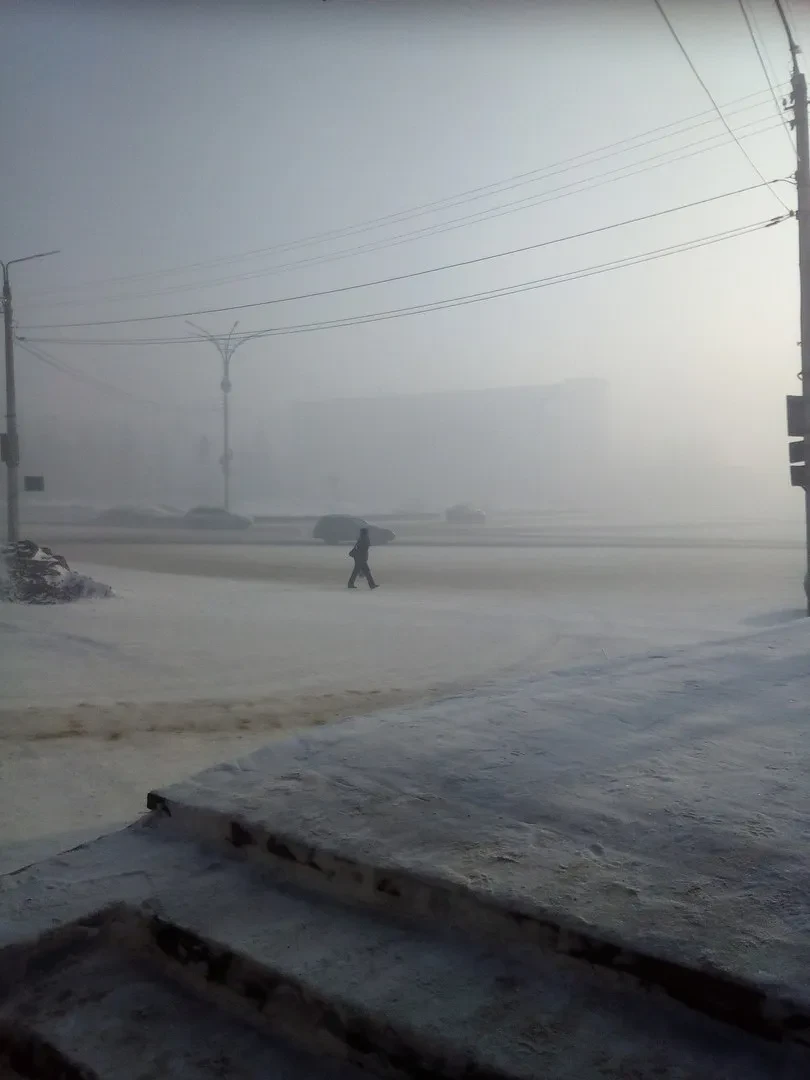
Monchegorsk envelops the yellow fog for the first time. This phenomenon has always been associated with emissions of the plant into calm weather. Why, receiving weather plants, the company does not stop the melting, why people are not warning about emissions in advance, why classes are not canceled at the school, and physical education lessons are conducted on the street - people ask questions mainly on social networks. Discussions about whether it is necessary to write to the prosecutor’s office and supervisory authorities, as a rule, end with a reminder: the plant is a city -forming enterprise, on which everyone depends. And now the Internet talls of the local spill filled the comments of comments with advice dissatisfied to leave the city to hell.
The emissions, however, had quite tangible consequences: due to zero visibility, a section of the federal highway near the city had to be cordoned off, it organized a reverse movement at a speed of 15 km/h. Motorists moved in conditions of zero visibility, which led to accidents: on March 5, for example, two trucks and a passenger car that walked along the highway. Drivers in the fog simply did not see each other.
The Monchersis all week complained about nausea, vomiting, suffocation attacks - symptoms of sulfuric anhydride. Astmatics suffered most of all.
- Next time I will bring to the administration of my 9-year-old son to show how the child is choking! We practically do not sleep for a week. Attacks all the time. God forbid you sit at night and listen to how your child breathes! - In the comments on the release of the city hall, a resident of Monchegorsk Svetlana writes. - Son Astmatik. Filmed terrible attacks. They decided to take to the hospital under a dropper. Why didn't you notify people? The children went to additional classes. We walked in the yards. How much can you already? The city has a bunch of asthmatics. So many deaths because of cancer. So it may not be engaged in unsubscribes, supposedly everything is in order, but at least warn people about emissions in time?
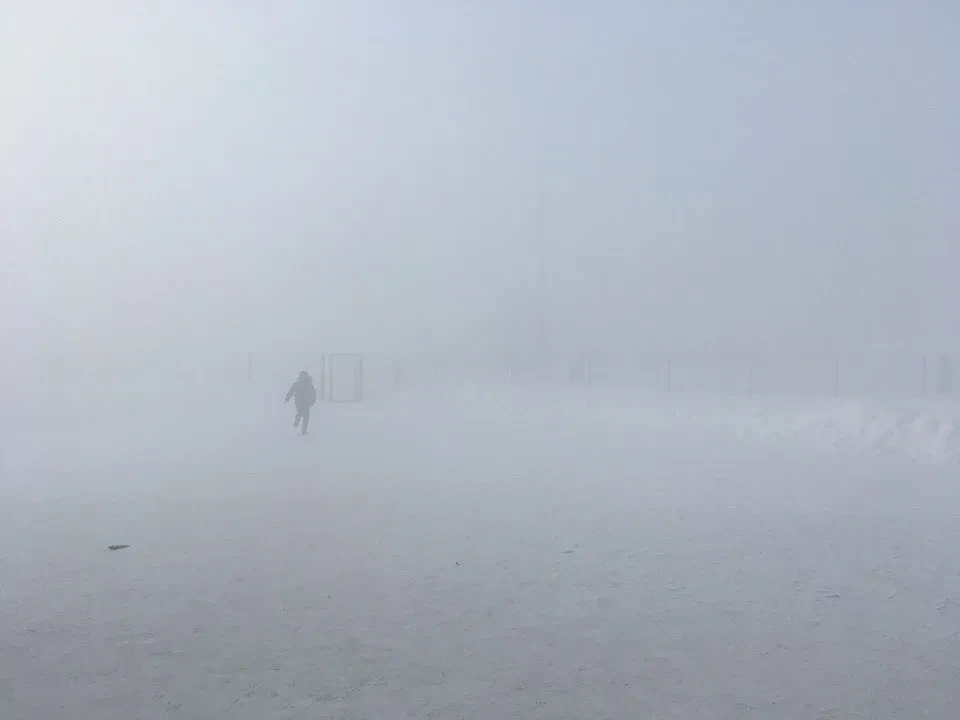
Governor Marina Kovtun reacted on Twitter, saying: “I am in the know. Rosprirodnadzor and Rospotrebnadzor are already engaged. ” What exactly is done is still unclear: on the website of the regional department for monitoring the environment, for example, about the exceeding the MPC in Monchegorsk not a word. True, as much as eight -fold excess in Nickel was noted - this is the second city of the Murmansk region, where there are Norilsk Nickel industrial sites. On the website of Rospotrebnadzor on March 8, it was reported that there was no excess of the MPC of hydrogen sulfide in the city. The day before, the same department advised Monchers to wash the floors of soda, minimize motor activity, smoking, staying on the street, tightly close the windows and doors and secure a plentiful drink. The supervisory authority does not indicate the exact exceeding the standards of sulfur dioxide in the air.
- This is far from the first time that in the conditions of NMU ( “adverse weather conditions - TB ) in the cities and towns of the presence of the company there is an excess of MPC for sulfur dioxide. Usually they occur in the polar or nickel (it is in this village that there is an active melting), Monchegorsk almost never finds himself on this list. In the conditions of NMU, the company is obliged to reduce production volumes up to a complete stop. In my memory, this is the first time that a car with a loudspeaker drove around the city and asked the residents not to leave the house for a couple of days, ”says Anna Kireeva, an employee of the Bellona environmental organization.
Monchers recall that the haze hung over the city constantly in the Soviet years, when they did not hear about environmental demands. Then the tundra around the city turned into a lunar landscape. Then the production became more civilized - and suddenly again. As an option, a possible increase in emissions may be associated with the promised transfer of production from Norilsk, where the company closes its plant, to Monchegorsk. The capacities of production on the Kola Peninsula are gradually increasing, the load on the ecology is growing.
Another possible cause of gasket is the wear of a kilometer gas of a kilometer, according to which gases from a metallurgical workshop are delivered to a sulfate production of a refining workshop. The gas station was launched in 1979, last summer Vedomosti, citing the company, reported that its technical resource was exhausted.