
Translated material
Until the first salvo - 15 days
Trump announced the world the “Trade War”, signing a decree on increasing customs duties on imported steel and aluminum
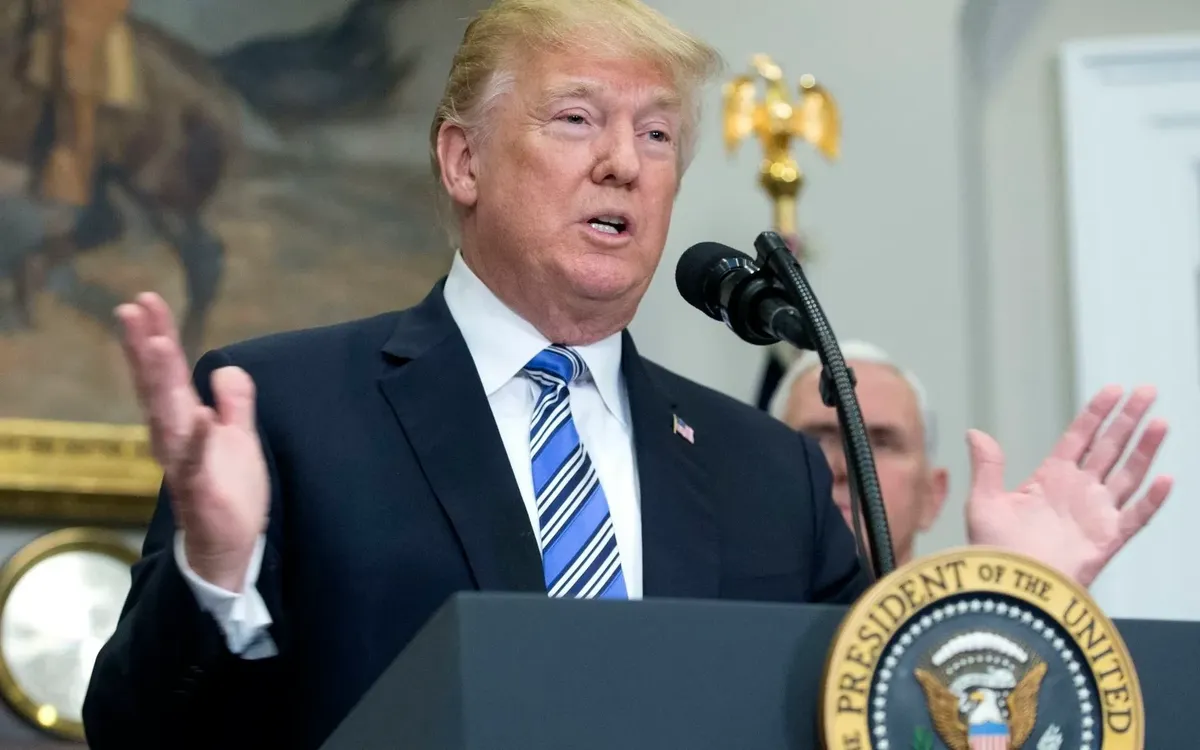
In response to the EU and other trading partners of America promised to increase tariffs for American goods. The speaker of the Congress, Paul Ryan, the third party in the US government hierarchy, opposed the introduction of tariffs. He "fears unintentional consequences." On the eve of the signing of 107 republican congressmen, the president was sent a letter, offering not to increase duties. The president did not even listen to his one -party members, not to mention his senior economic adviser to Gary Kon, who resigned in protest.
Bargaining is appropriate
The growth of tariffs for steel and aluminum, most economists are convinced, will cause a chain reaction in many other industries. Having won in defense of thousands of jobs, America may lose an order of magnitude more.
The Nobel Prize for Economics Paul Krugman spoke sharply: “Trump for decades repeats that other countries are harmful to America using our open markets. His views are based on the zero understanding of problems and basic facts. "Trumpism" is all based on warlike ignorance in all directions. International trade agreements do not work in order to protect us from unfair practice from other countries. The real goal is to protect us from ourselves: to limit the policy of “special interests” and frank corruption in trade. However, the “Trumpocrats” do not see the problem in corruption and “protection of special interests”. We can say that the world trading system is largely specially created so that people like Trump do not have (in it) too much influence. Of course, he wants to destroy her. "
When on March 1, the president announced his decision, the greatest fees were expressed by the closest US neighbors and NAFTA partners (an agreement on the free trade zone in North America) - Canada and Mexico. “As a key ally in NATO and Norad (the North American command of aerospace defense), as the largest buyer of American steel, Canada will consider any trading restrictions on Canadian steel and aluminum as absolutely unacceptable,” said the Minister of Foreign Affairs of Canada with Ukrainian roots of Christ Friland. And developing by the day, but by the clock, the Mexican auto industry will anxiously expect that with an increase in duties the prices of raw materials and components will increase, and all the advantages of assembling cars in Mexico are muffled due to cheap labor, like snow on the Acapulco Beach.
However, at the last moment, Trump made an exception for Canada and Mexico, making it clear that in response he was expecting partners on NAFT of the re -signing of the regional trading agreement on new Trumpov conditions. In other words, the increase in tariffs is not dogma, bargaining here is appropriate.
The President is ready to even re -consider the issue of US participation in the agreement on the Transstoocian Partnership (TPP) if his conditions are “significantly improved” for the United States. Let me remind you that Trump withdrew the country out of the agreement, which Barack Obama considered his predecessor one of the most important achievements of his administration.
It is symbolic that on one day, March 8, Trump, having signed a decree on raising duties on imported metals, actually announced the beginning of a trade war with the rest of the world, and in Chile, without the United States, 11 remaining countries signed TPP. The agreement cancels 98% of customs duties totaling about $ 14 trillion.
Creating TPP, Obama and other politicians deliberately did not call China and Russia there, and Trump isolated America.
Secretary of State Rex Tillerson made a brief statement in connection with the signing of an agreement on the Pacific partnership: “Among the basic principles of economic policy of the Trump administration - protecting American jobs, ensuring justice and reciprocity in trade relations and developing international economic competitiveness of America. The administration studies how TPP will affect American workers and the interests of the country in this region. ”
About the "global international village", where everyone cooperates and trades with each other, which Obama talked about, can be forgotten.
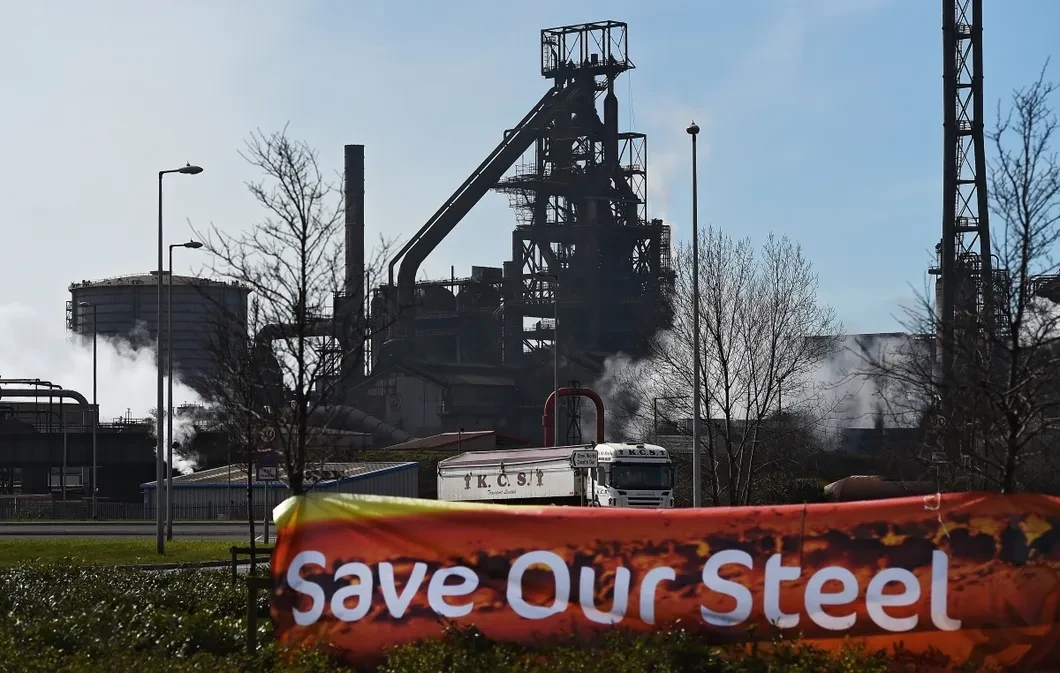
Mercury policy
The president, whose US policy is called "mercury" for changeability and inconstancy, introducing tariffs, fulfilled the next election promise.
He promised the wall on the border with Mexico and the tightening of migration laws - fulfilled, despite the deterioration of relations with the southern neighbor. He promised a decrease in taxes-he fulfilled, despite the fact that the work of the government and federal departments was temporarily discontinued due to underfunding, and most experts predict that tax extensions for the middle class will be completely killed by rising prices. Now, despite the gloomy forecasts of economists, Trump announced on his Twitter: “Trade wars are good” and “They are easily won.”
Trump's tariff plan caused an immediate shock on the stock markets on March 1: the sale of securities in Asia and Europe and the fall of the industrial Dow Jones index by 400 points.
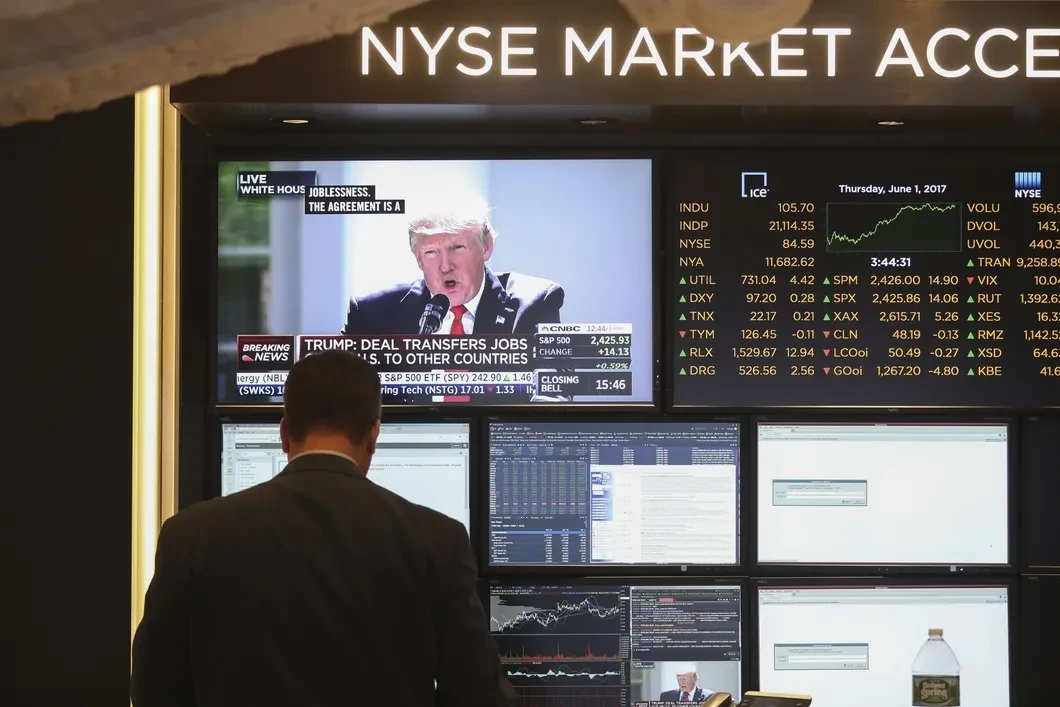
Trump decided everything for himself and even abolished the meeting in the White House with the heads of American companies, which will be primarily affected by the rise in the cost of imported steel and aluminum.
But to the signing ceremony of the decree to the White House, they invited employees of the car industry and steel from Kentukka and Pennsylvania, they came directly in blue uniforms. A funny scene came out. One of the “blue” remembered how, due to cheap imports, his father lost his job, for a family with six children it was a terrible blow. “Your father must be proudly looking at you from heaven now,” Trump reacted. "So he is still alive!" - exclaimed the worker.
Trump won the elections, promising the “blue collars” (local “Uralvagonzavod”) to tighten the tariffs for imports. And Hillary Clinton, on the contrary, paid little attention to the election campaign in Michigan and practically ignored Visconsin. And even if Krugman and “other intellectuals” - against, American “metallists” approve of the presidential decree.
Typically, tariff policy is consistent with the bowels of the US Commission on International Trade. This time, since there were noticeably more opponents of raising tariffs than supporters (even in the ranks of the Republican Party), Trump, unable to issue an issue for discussion of experts, took advantage of the amendment to the law on expanding trade. She gives the president the right to unilaterally determine tariffs on the basis that steel and aluminum are strategic products, and customs duties on it are the issue of America’s national security.
Arizona Senator Jeff Flack made a legislative initiative and wants to “reset” Trump’s decree, endowing Congress with the right to approve duties. But to overcome the presidential veto, you need to support at least 290 members of the House of Representatives and 67 senators. And the president’s single -partyists do not want to “rock the boat” on the eve of the intermediate elections to Congress.
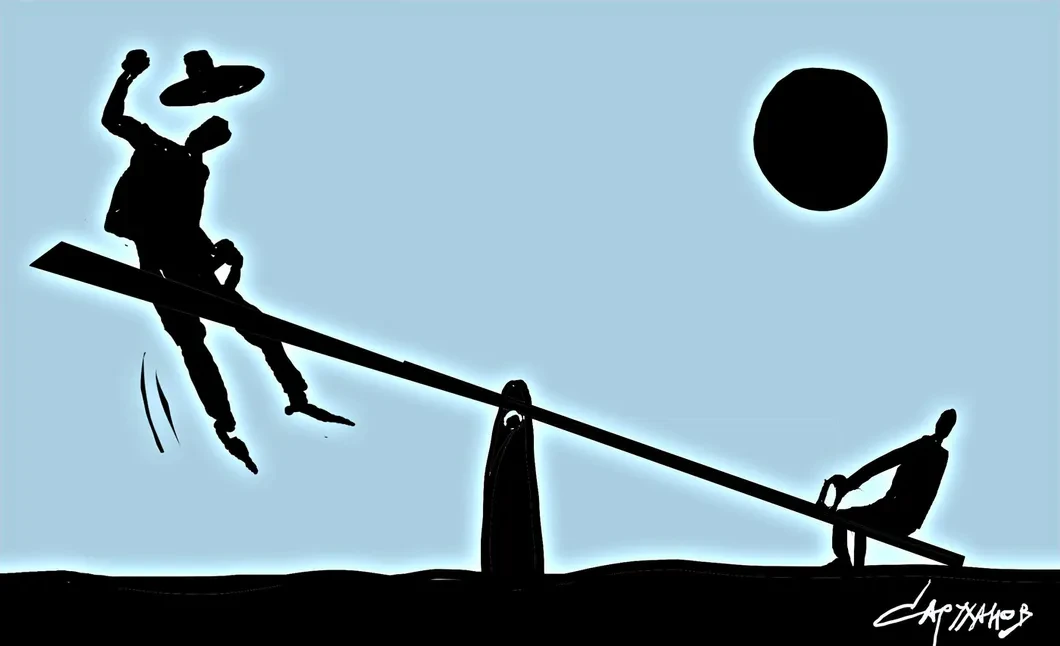
"Pupal and catastrophic"
The main object of Trump’s “DED tightening” is China, which over the past decades delivered steel and aluminum in the United States at prices below the cost. Trump argued that this practice was worth the steel industry of the United States hundreds of thousands of jobs. From the point of view of political dividends, experts note, not China will suffer from raising tariffs (imports from the Middle Kingdom in the United States have long been reduced), but Japan and South Korea. The sanctions against steel from China were introduced by Bush and Obama, now the blow came through the allies of America, who promise Trump to response.
One of the main sponsors of the Republican Party Charles Koch teaches the president of political economy on the pages of Washington Post: “Tariffs will not add thousands of jobs to the Americans. Instead, they will destroy jobs with higher performance. As a result, there will be no more work, but lower labor productivity, less opportunities, competition and innovation. ”
Businessman Neil Hosa, who produces steel wire in Illinois, in an interview with CURB, compared Trump’s steel tariff with “self -arrival in the leg”: “New taxes will increase the cost of bridges, tunnels and roads. A typical oil pipeline will cost more than $ 76 million. Ironically, any steel used in the construction of the wall on the border with Mexico will raise its (walls) cost. ” The report “Trade Partnership” predicts that “new duties will add 33 thousand jobs in industries related to metallurgy, but over 179 thousand jobs will be reduced throughout the rest of the economy.
Five of the lost workplace will have five lost, ”the report says.
These days, the American media recall the failure of another large -scale trade war. The Law on Tariffs of Troubles (by the names of the senator and the congressman from the Republican Party) in 1930 raised the duties of more than 20 thousand imported goods. The goal was good - to protect against ruin American farmers. But the European countries together answered then the increase in tariffs for goods from the United States. The fall in the trade turnover between the new and the old light “expanded and deepened” the great depression, President Roosevelt after 4 years abandoned the tariff war.
“America is open to business” - recently proclaimed at the World Economic Forum in Davos Trump. Now it is clear that the head of the White House wants to determine who and under what conditions to put on the American market. Further political support for the “nuclear electorate” of Trump becomes more important for the president than possible economic and political consequences.
At the same time, supporters of raising tariffs are convinced that there will be no full -scale “trade war”, because the advantages of the American market exceed the negative consequences of raising duties for trading partners. And the Americans will not notice the new tariffs. As Peter Navarro noted the White House for Trade, an increase by 10 percent of aluminum duties will increase the price of six cans of “total” beer by one and a half cent.