
Translated material
Three Rotenberg
Replenishment in the family of dollar billionaires
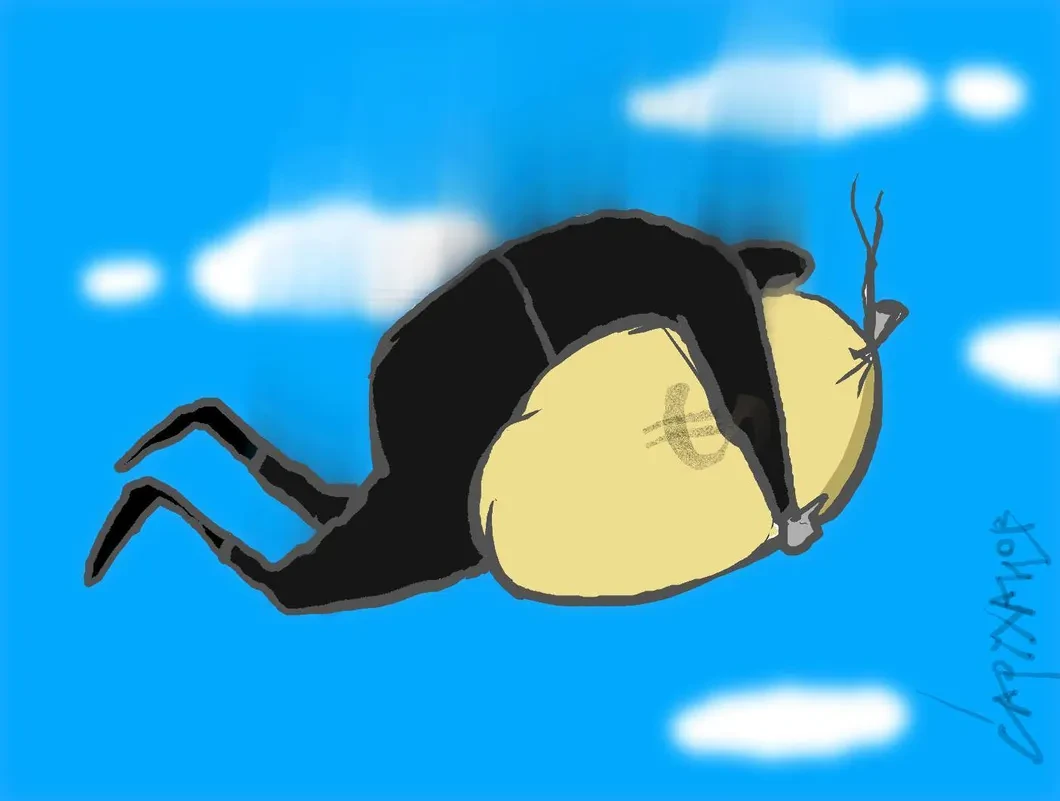
The eldest son of Arkady Rotenberg 44-year-old Igor became a dollar billionaire. Already the third in this family of talented Russian businessmen. Having received a short experience of civil service in the beginning of the zero years, Igor Rotenberg then became a partner in his father’s business and currently owns shares in oil and gas companies, large trading facilities and weapons factories, as well as half in the operator of the scandalously known Plato system.
Rotenberg Jr. is an exemplary example of a new generation of Russian business patriots designed to save us from oligarchs from the 90s.
Data on Rotenberg’s financial successes publishes Russian Forbes. The new owners of the publication have repeatedly stated that they are considering the magazine exclusively as a business media, so they would not write about politics. But to disseminate information about big money in Russia, without affecting political issues, is no longer possible. After all, ownership of capital in the country is possible only with the favor of the authorities. There is no large private property, but there are no metastases of the “private-state partnership”, in which the costs are assigned to taxpayers, and the profit is privatized. Analyzing the assets of business patriots, you can accidentally blame a terrible state secret. The press will not be able to hide in the sink of “business publications”, and this applies not only to Forbes, but also by large daily newspapers.
Capital depends on relations with the Kremlin, and these relations become the most valuable product in the Russian economy. It is most beneficial to trade not at all with oil, but by ties and gray or directly corruption decisions. This happened until recently - until the special relationship with the Kremlin has become, using the language of the Western press, toxic ones. Business patriots unexpectedly issued accounts: sanctions, expensive loans, difficulties with access to world markets.
The valuable product is gradually not a friendship with the Russian authorities, but the opportunity to get out of the game and save assets (in professional terms - “jump off”).
The toxicity of Russian hospitalism and the reduction of rent leads to an increase in conflicts between business patriots engaged formally in both the private and in the public sector. Some of these conflicts became public, which was generally unthinkable for the previous era of high stability. The only answer that the Kremlin can offer in this situation, the shares of which are losing attractiveness, is demonstrative pumping of resources in the interests of loyal clans. A reward for refusing attempts to finish the game is constantly increasing. The growing number of dollar billionaires in Russia should hint: there is no money only for those who can not be useful to the authorities now.
So while the viewer watches how Russia withdraws troops from Syria, another Rotenberg enters the club of the richest people of the planet. This is perhaps the most important plot on the threshold of the presidential election. The new Russian authoritarianism is often compared with the Soviet one, but this analogy, of course, is not accurate. The current system of power relations exists in a world where there is a private business, and capital relatively freely cross the boundaries. The Soviet nomenclature was literally poor in comparison with the current friends of the Kremlin. But the current one has more motivation to protect the status quo.