
Translated material
The World Anti -Doping Agency announced when he considers the issue of restoration of Rusad
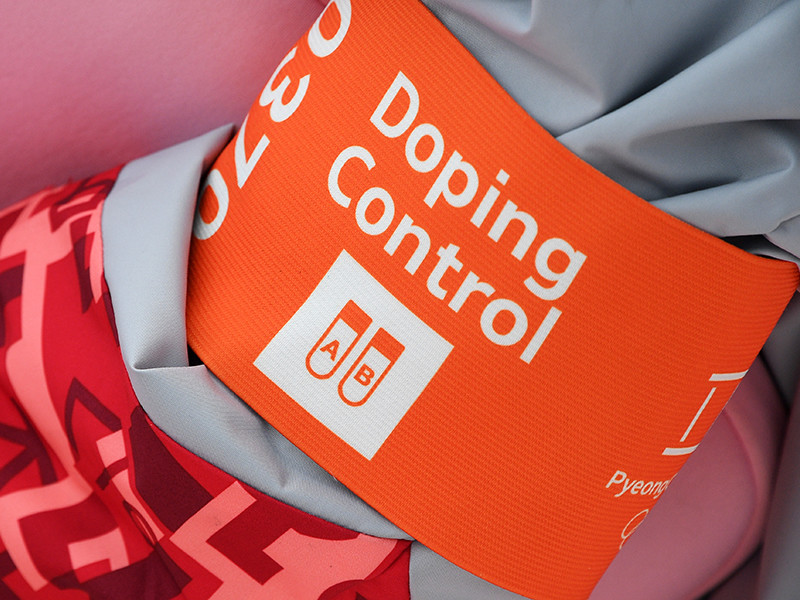
The World Anti-Doping Agency (WADA) intends to consider the compliance of the Russian Anti-Doping Agency (RUSADA) of the World Code at the annual symposium, which will be held in Lausanne from March 21 to 23, TASS reports with reference to the press service of the organization.
"WADA reports that the head of the agency Craig Ridi and the general director Olivier Niglli are in constant contact with the Russian authorities, including the Minister of Sports, in order to consider and resolve the issue of inconsistent with the World Anti -Doping Code. This moment will be examined in detail during the WADA symposium," the statement said.
Rusad rehabilitation is a key issue in restoring the rights of Russian athletes, many of whom are still forced to speak under a neutral flag. In addition, the absence of a national anti -doping agency is the reason for the ban on holding large international competitions in the country.
In order for the Russada to be restored in rights, Russia must fulfill a number of conditions put forward by WADA. One of them is the recognition of the conclusions of the investigation of the independent commission of WADA under the leadership of Professor Richard McLaren. They say about the doping fraud of the owners of the Winter Olympiad in Sochi and the state doping program supposedly existing at that time in the country.
The head of the Olympic Committee of Russia (OKR), Alexander Zhukov, last week said that the Russian Federation did not intend to recognize these conclusions. “The road map for the restoration of the Russad was practically completed, with the exception of two points. The first of them is the recognition of the conclusions of the McLaren report, which cannot happen because it states that in Russia there was a doping system supported by the state, and this is not so,” Zhukov emphasized.
The second paragraph in the road map to restore Rusad, which is currently not executed by the Russian side, is to provide access to doping tests of the Moscow Anti-Doping Laboratory, which are sealed in connection with the criminal case against the informant Grigory Rodchenkov.
“We need to wait for the end of this investigation, and when this happens, it is difficult to assume, because Rodchenkov is not going to go to Russia and go for an interrogation to the investigator. Before that, no one will give material evidence to anyone, therefore the situation is insoluble, but it is necessary to find the way out of it,” Zhukov explained.