
Translated material
YouTube will use Wikipedia in the fight against mystification
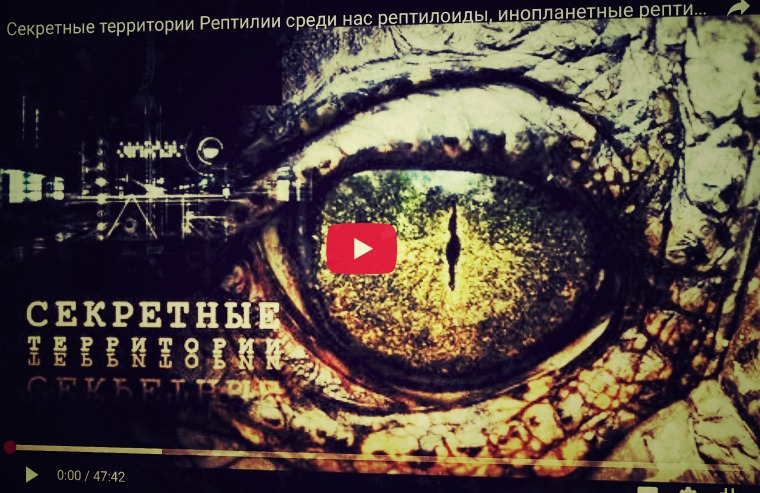
Video hosting will begin to accompany a video about popular conspiracy theories with information from the popular online encyclopedia, thereby promoting a generally accepted point of view and fighting disinformation.
After a few weeks, YouTube will begin to accompany some videos of Wikipedia texts and other corresponding websites, since the Alphabet Inc (Googl.o) unit decided to enter the fight against hoaxes, conspiracy theories and other disinformation distributed through the video hosting. This was announced by the head of the service Susan Wojcicki at the conference South by Southwest in Texas.
Information from Wikipedia will be designed in the form of text blocks with reference to each video, the content of which is concentrated on conspiracyology.
As an example, the head of YouTube brought the landing of American astronauts to the moon. Around the historical program of NASA arose the theory of the “Lunar Conspiracy”, according to which the US authorities forged the operation with the help of documents, photographs and filming. The idea was repeatedly refuted by astronauts, scientists and government representatives around the world.
“People will still be able to watch such videos, but they will also have access to additional information, when it will be possible to just click on the link and see,” said Voitsytski.
YouTube also revealed the principle by which information from Wikipedia will add. Service employees will use the list of well -known conspiracy theories collected in the encyclopedia, which tells, among other things, the denial of the Holocaust, “white genocide”, flat land, illuminates, reptilians and “controlled” attacks on September 11, 2001.
The video hosting was criticized due to misinformation, which appeared against the backdrop of the last mass executions in the United States. A year ago, YouTube was accused of encouraging extremist content and attracting attention to it using algorithms. Service users also reported the removal of channels with conspiracy theories.
According to some foreign media, Wikipedia can really become a relatively reliable reference tool, but the resource itself warns that it is sometimes difficult for it to cope with rapidly edited stories, and the encyclopedia also cannot be insured from editing many enthusiasts who themselves are fans of conspiracy theories.
Meanwhile, confidence in Wikipedia as an authoritative source is becoming more and more. Dag Hanley, a specialist in macroeconomics from Pittsburgh University, together with his colleague, Neil Thompson, studying innovation in MIT, conducted a study, thanks to which they found out-the popular online encyclopedia became a source of quotes for scientific works, although scientists often do not refer to it. According to the study, words and phrases after adding Wikipedia to the article begin to appear more often in scientific work. Hely and Thompson claim that the influence is strong enough, and one of about 830 words in scientific work is taken from Wikipedia.
Legislators and the media have long been urging YouTube to show more efforts to stop the spread of hoaxes and fake news. Last year, the company adjusted its algorithms to advance what it calls authoritative sources. Although musical and game videos are much more popular on YouTube, the company drew attention to criticism of news and scientific videos this year.
Read also:
?
The EU organized a working group to combat "fake news"
?
?
The Wikimedia Foundation has published another report on transparency