
Translated material
"Getting a human skull was easier"

By decree of the Emperor of Russia on December 8, 1858, the Amur Region was established. The 160th anniversary of this event is a good reason to recall the people who gave their lives in the protection of the Far Eastern borders of Russia.
I live in Blagoveshchensk on Nagornaya Street. For some, these are a prestigious city outskirts, the final stop of city buses. And for me this street is a very interesting place. From a rocky hill, Amur and the Chinese coast are visible in the palm of the palm of the palm of the palm of your hand. Three kilometers to the west, and you are in the village of Verkhneblagoshenskoye - the former Cossack village. Between the city and the village there are two monuments to the events associated with the accession of Amur to Russia. The new-the sculptural group of the Cossacks-first-settlers-on the site of the founding of the Ust-Zezky military post (May 21, 1856), which gave the beginning of the Blagoveshchensk (July 5, 1858). And the old one-in the form of a tent-at the place where there was the betting general of Eastern Siberia N.N. Muravyov, when he signed the Aigun Treaty (May 16, 1858) with China.
The ex -excavator bucket, along with the sand, turned out entire skeletons in the decayed military uniform
On Nagornaya Street there was the first city cemetery - a garrison, the military and Cossacks were buried on it. The people have the name of the Cossack. The largest burial here was in July 1900, when in the mass grave the participants in the battles of the Russian-Chinese conflict, which began with the shelling of Blagoveshchensk by the Chinese and ended with a punitive expedition of Russian troops on the Chinese coast, was buried. Cossacks at their own expense erected a monument to all those killed in these battles.
In the 1970s, something similar to an American film of horror happened-the production of sand began on the site of the old Cossack cemetery. In those years in Blagoveshchensk, getting a human skull was easier. Any self-respecting medical student and student art and graphic department had such an exhibit. Annunciation boys went with rusted Nagans. The place of terrible finds is a quarry on Nagornaya. The excavator bucket, along with the sand, turned out entire skeletons in the decayed military uniform.
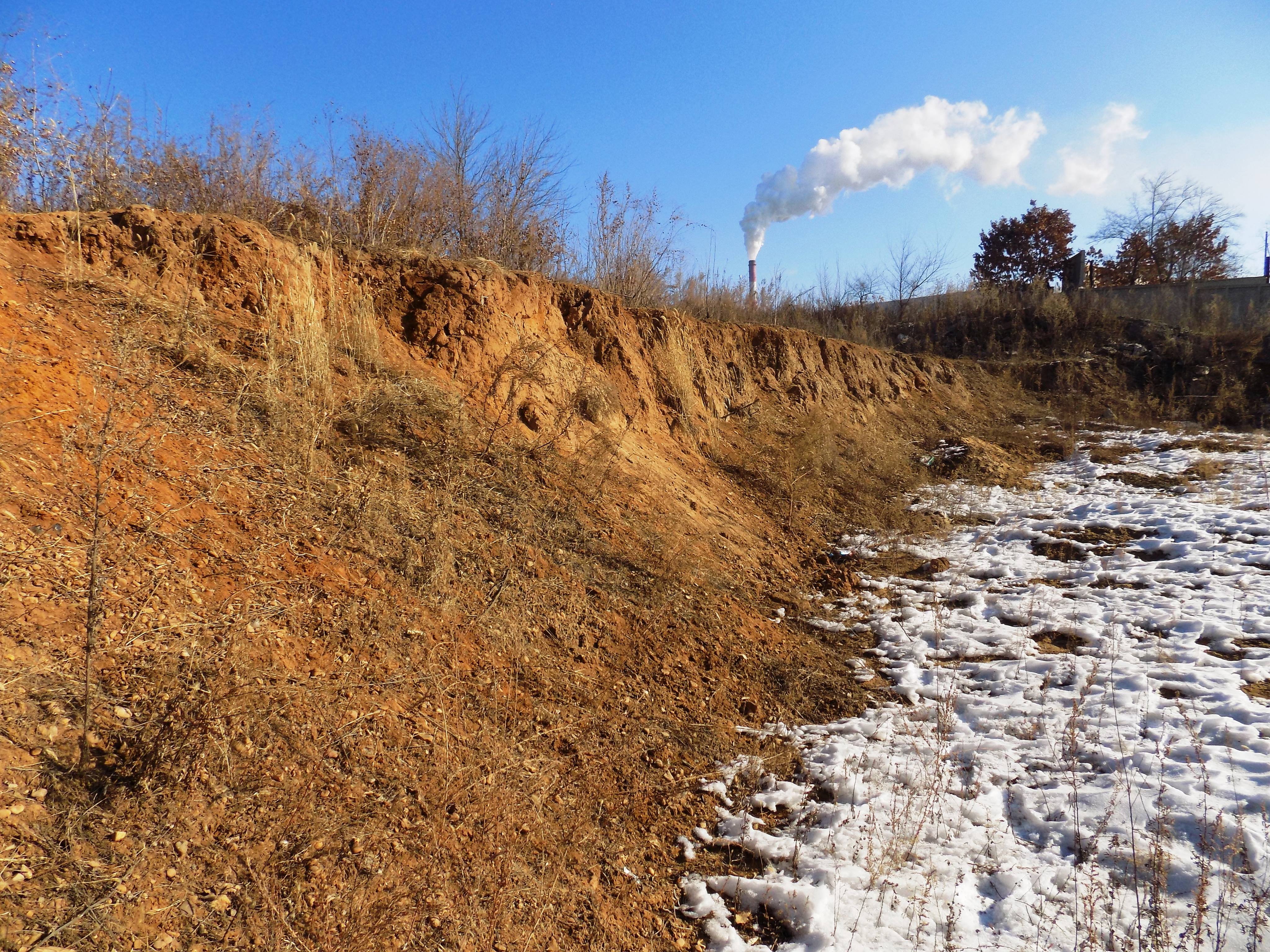
The cause of this vandalism in Soviet times cannot be justified, but we can somehow understand. What could I hear in response from the Annunciation city executive committee of some foreman-builder if he decided to stop the prey of sand from this terrible career? "The pre-revolutionary military cemetery, you say, is destroyed? Cossack class, it is known, was reactionary and anti-Soviet-so why keep the memory of it. And bury human bones somewhere in the same place." Since there were too many skeletons, the sandy quarry at the Nagornaya was then nevertheless closed.
But we, the patriots of the new Russia, honor the memory of our national heroes. It turns out that not everything is not always. At the beginning of the 21st century, the quarry was again opened on the site of the old Cossack cemetery.
I will give the names of only a few publications in the Amurskaya Pravda newspaper, which for several years trying to attract the attention of the authorities to this problem. "Builders destroy the unknown Cossack cemetery" (09/07/2006). "Without the right to memory" (06/06/2009). "In Blagoveshchensk, the old Cossack cemetery is again destroyed" (09/26/2013).
How much does the journalist have to hammer at one point to be heard by officials? And they will find a lot of excuses - they are sitting on that. Modern Cossacks were not allowed to put a worship cross. Now in the place of the old Cossack cemetery is a clogged wasteland.
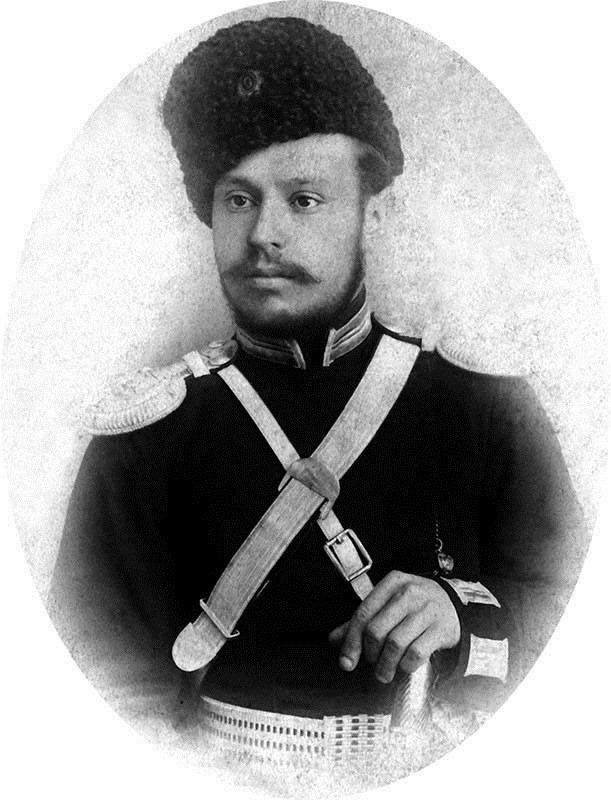
In 1901, near Blagoveshchensk, the land was allocated to the Cossacks - the immigrants who founded the village of Volkovo. This name was perpetuated by the name of the centurion of the Amur Cossack regiment Leonid Petrovich Volkov, who died on July 21, 1900 on the Chinese coast of the Amur.
This is how a contemporary described this battle:
"This battle did not bring happiness to the defenders, and now, unable to withstand the frontal attack of the infantry and the rapid flank raid of the 4th and 5th hundreds of the Amur Regiment, the Chinese fled, leaving 2 guns to positions; however, the Amur residents were not in vain. At the time when, at the sight of the already rushing Cossacks, the guns were abandoned by everyone, on the charging box sat calmly. The Chinese, do not take anything for his salvation with a few Cossacks on the enemy battery, but a terrible explosion is heard, and when the smoke was scattered, there was no longer a charger with a Chinese, and with him the centuries of wolves and several Amurs were killed They built a reduced system, and a lot of chopped Chinese lay the victim of their checkers. " ("1st Nerchinsk regiment of the Trans-Baikal Cossack Army 1898–1906", A.E. Makovkin, S.-Petersburg, 1907)
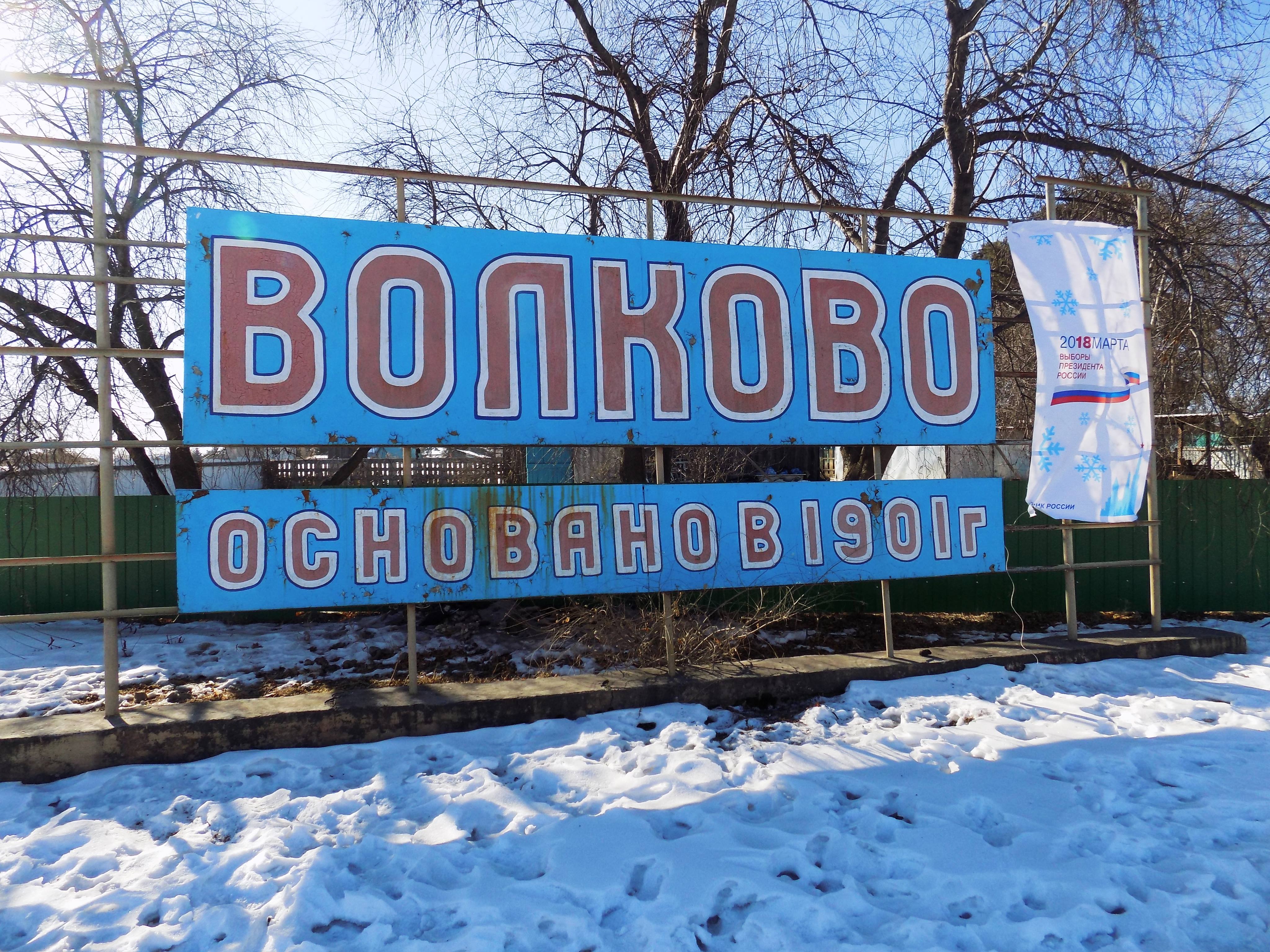
Previously, “went” with the pages of the Internet Archive of the Amurskaya Pravda newspaper (colleagues, thanks!), I know that the memorial stone is installed in the square near the school. Arriving in Volkovo "Morning Horse", I am going to look for this square. I establish the method of folk survey that an apartment building was built on the site of the square, and the stone was transferred to the school. I go into the courtyard of the school, and at the entrance to the building I see a destroyed memorial sign. Either the builders dragged a stone here, and threw it so. Either later the vandals did their black deed.
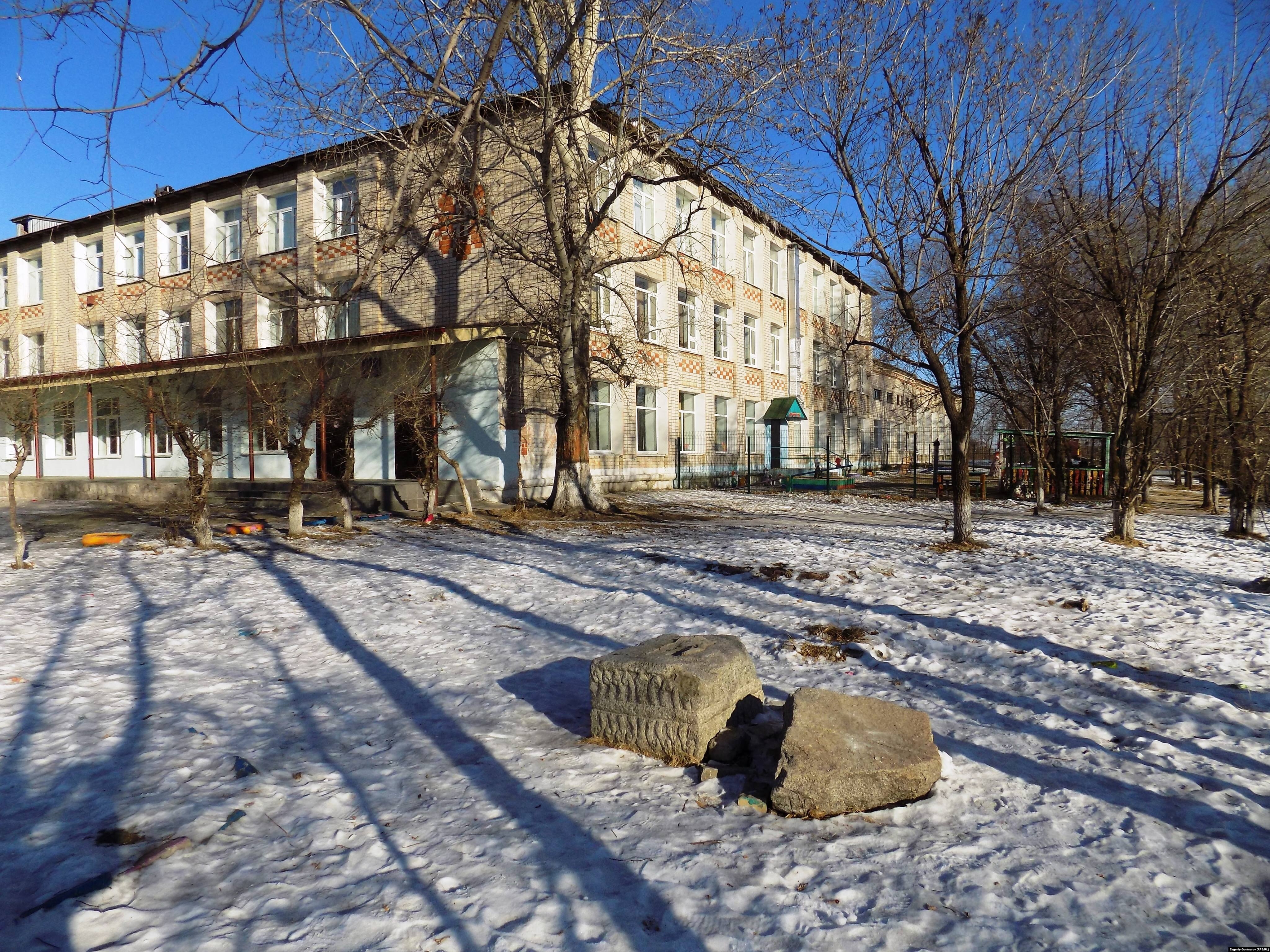
On Sunday, the school was closed, and I could not go and ask why the commemorative stone is in such a deplorable state. Do I need this answer?
It is enough to tear off two teachers from classes for half an hour - OBZh and physical education in order to raise and put a stone and ask for a bucket of cement mortar at the neighboring construction site to fix it on the basis. And then how can it be possible: in the lesson says a literature teacher about the work of the Amur Cossack Poet Leonid Volkov, and one of the schoolchildren asks him, is it not that person who is visible outside the window.
The next paragraph of my route is the rural cemetery, where in 1986, Nina Leonidovna, his own daughter Volkova, was buried. She survived her last years in the Annunciation boarding house for the elderly and disabled people and during her life never visited the village of Volkovo. I never found her modest grave. Probably badly searched.
We, today's Amur residents, are in an unpaid duty to our great -grandfathers. We go to China to shop, they went to fight.
For decades, the Cossack cemetery has been destroyed - the construction of the city needed sand. The restoration of the 1900 monument is the debt of the inhabitants of Blagoveshchensk. Where to get money for this? I don’t know - I am not a mayor and not the chairman of the City Duma. If they put the drawers for collecting donations, I will make my modest contribution of the pensioner. Our ancestors had money for a monument.
It’s time, finally, to establish a bust of Leonid Petrovich Volkov in the village, named in his honor. As stated in the Bible: "There is time to scatter stones and time to collect them." And we attached stones on the site of future monuments in Russia.
The poet and warrior died at the age of thirty, when a person has not yet thought about a will to descendants. Such a lines can serve as such an appeal to us, the Amurs of the 21st century:
"Do not fall in spirit! Not all failures -
Believe me - success will crown up labors!
Life does not ask empty tasks,
It was bitter, but sweet fruits are sweet.
Heavy yoke of centuries -old delusions
Our poor and wild people presses.
By the power of an example, the fire of beliefs -
This is what we will move forward. "
(Leonid Volkov, "Friend", 1889)
Evgeny Goncharov - Annunciation writer
The "Opinion" expressed in the heading of the point of view may not coincide with the position of the editorial office