
Translated material
Genetic couple
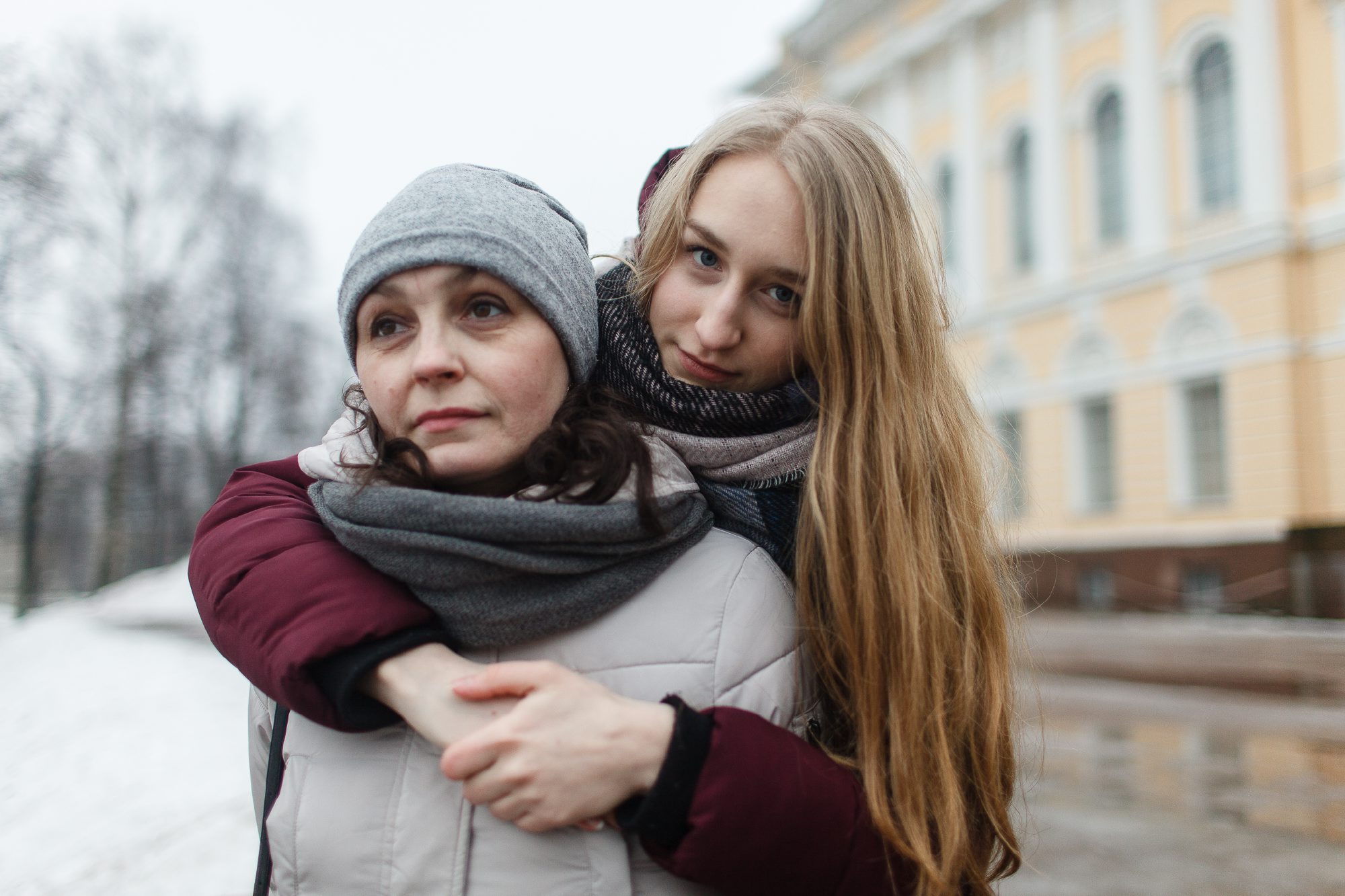
Sometimes a deadly disease is a chance. A chance not only to start a new life, but also to meet a loved one. This happened at Olga - she met her savior, a donor from Germany, thanks to whom she was now alive
We help Advita helpAcute myelobalous leukemia - such was a diagnosis that in a few months completely deprived Olga of vitality. The treatment took place according to a well -known scheme - several courses of chemotherapy, and then a bone marrow transplant. The search for bone marrow donor is expensive. Each analysis, typification is money. Olga turned to the Advita Foundation for help, the only fund in St. Petersburg that helps adults with cancer. The money was collected. The donor was found. The bone marrow has taken root. Olga entered a stable remission, having lived for two years without relapse of the disease. And, of course, this is the main thing. But in the history of Olga there is something no less important than recovery.
There was a meeting in her life. That is how, without additional special terms, they call the meeting of the donor and the recipient, the person who was transplanted by donor stem cells.
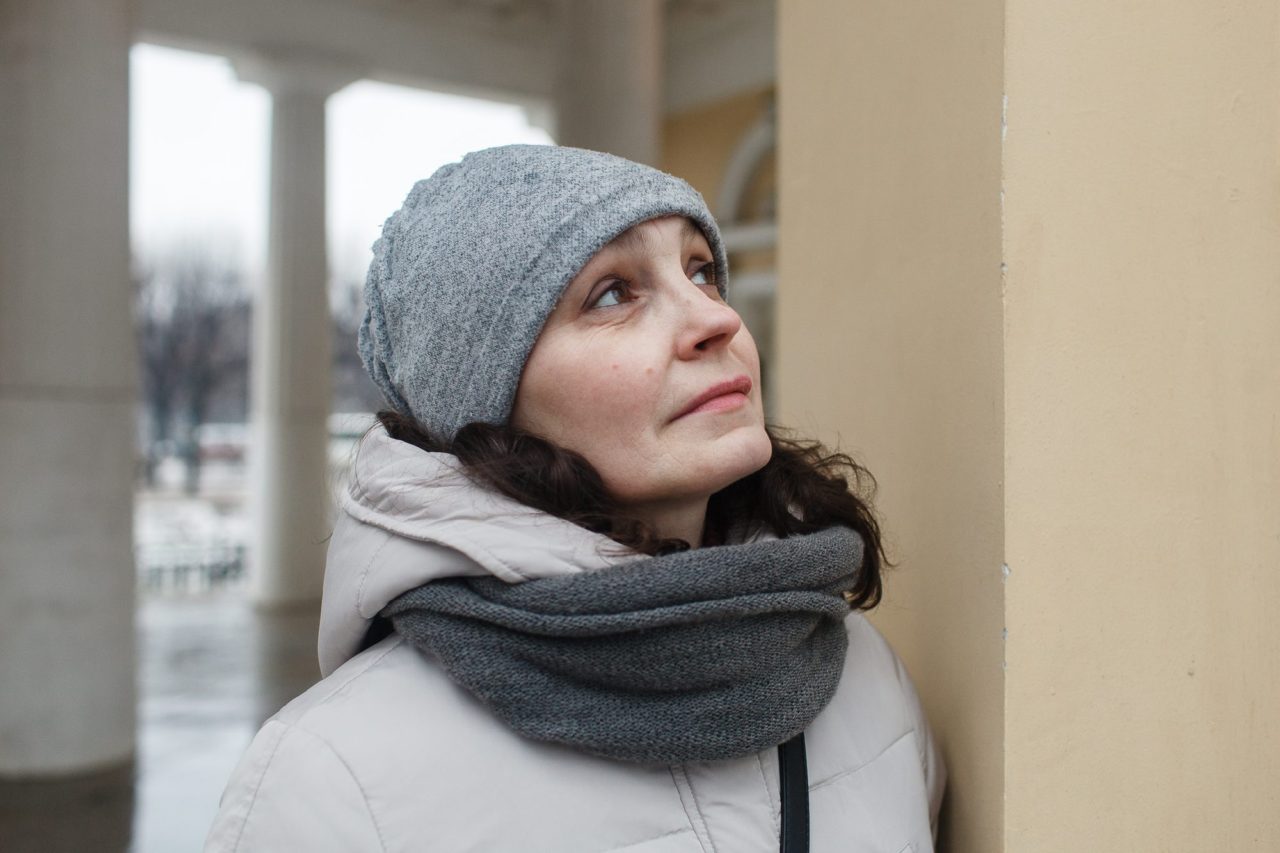 Olga photo: Valery Zaitsev for TD
“Somewhere in the world there is a person, with his life, habits, works, friends, relatives who turns out to be your family on some higher, incomprehensible scale. It is impossible to even think about this without tears, ”says Olga, recalling the moment when her relative“ according to God's plan ”entered the spacious hall.
Bear in the north of VS Marcipan
Benedict turned out to be a German under forty. He came to the meeting with his wife and with a bouquet of flowers. And even before the meeting, when Olga and daughter Nastya only settled in the hotel, he sent Olga a postcard, where several phrases were written about how he was glad that Olga was here, and that tomorrow they will be able to see and hug each other. The postcard was translated by the same translator, who was later present at the meeting of Olga and Benedict.
However ... "The first minutes did without a translator. We just cried through smiles and hugged. And then it was possible to translate and give gifts, find out who loves what, who is fond of what, who has children, parents, dreams and plans - an attempt to talk for the whole life that we still had without each other, ”Olga recalls. - We brought Ben sweat “Bear in the North”, and he immediately found out that I love from sweets, and on the next New Year he sent me a parcel, and in it - five kilograms of the delicious German Marcipan. From that meeting, it is difficult to imagine that we once lived without knowing each other. We continue to communicate, went to visit Ben in the summer. His arrival with his family, we hope, are also not far off. He has never been to St. Petersburg, but really wants to. And now not as a tourist, but to visit us, with the family. ”
We choose, they choose us
Nastya, Olga's daughter, at the time of her mother’s treatment was a minor. But as soon as she turned eighteen - she went to the clinic and donated blood for typification. In less than a year, they called and said that one person needs her cells. The transplantation of nasty cells has already taken place. And now Nastya really hopes that the cells will take root, and is waiting for her meeting, which can take place with her.
Prior to the meeting, information about donor and recipient is kept secret. This is partly done in order to protect the donor from possible complaints from relatives or the patient himself, in cases where the transplant failed. But this secret is also stored for superstitious reasons, as if afraid to jinx the happy outcome. And many refuse to meet, realizing that looking into this secret in the eyes is not so easy.
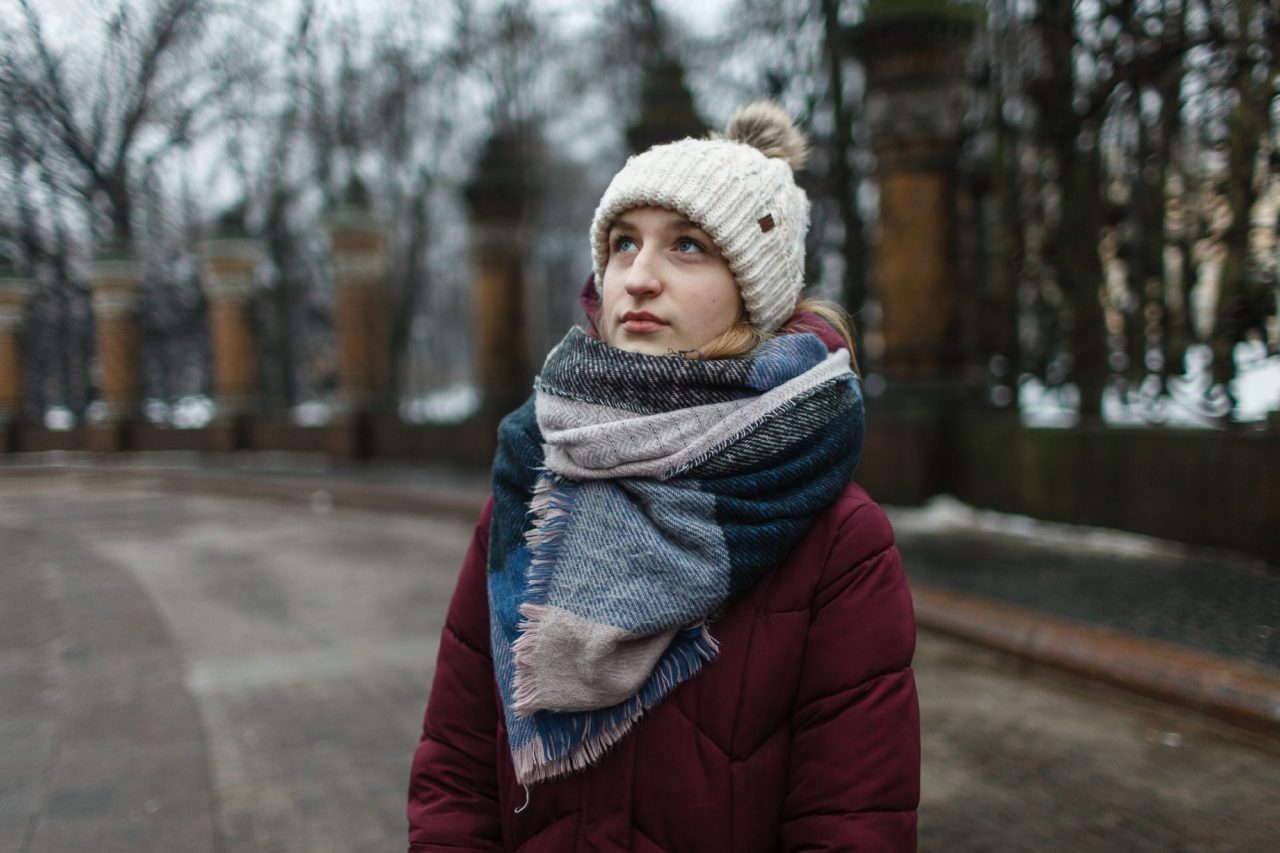 Anastasia photo: Valery Zaitsev for TD
“For this step, I also need courage, but I immediately agreed to come when I received an invitation from the Morsh Foundation, where these meetings are held every year,” recalls Olga.
Stefan Morsh died very young, did not suffer one of the first transplantations in Europe. The register of donors in memory of Stefan was established by his family, parents and sister. They collect donors, organize the fence and delivery of donor cells. Stefan's parents transformed the energy of loss into the energy of love. Their register is a huge base of potential donors. But to start the search, the patient must be typified in St. Petersburg. This typification is paid by the Advita Foundation. It happens that initially the computer produces several dozen potentially compatible donors, but a further comparison of genetic parameters narrows the choice of up to one or two people. It also happens that there is no pair in any of the registers. But this does not mean that there are no couples. This means that the one who could choose the opportunity to participate in the miracle and meet with his brother or sister from the other edge of the world simply did not give blood for typification.
We have a road to young people everywhere
“I was surprised that many people with misunderstanding reacted to my decision to become a bone marrow donor,” says Nastya. -They ask why this to you, they scare that it is harmful to health, they imagine some huge syringes that pump something directly from the spine, or are scaredly interested in: “What and what needs to be cut off?” So a person is arranged: until the trouble does not touch him directly, he will not be interested in the problem, which means he will not go to become a donor in the Russian, extremely small, register. This means that the search for donors will still be extremely expensive. For comparison, there are about 80 thousand people in the Russian register of donors, seven million in German registers.
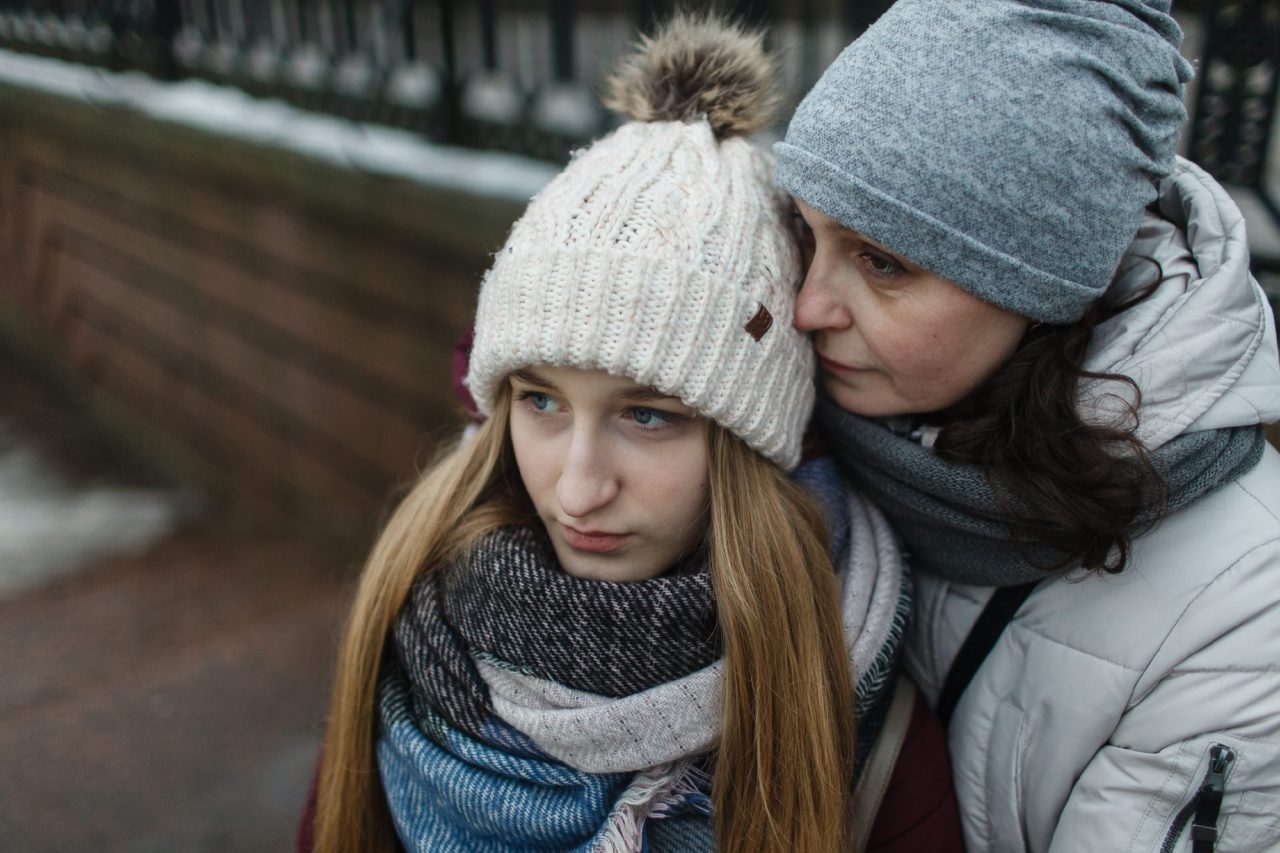 Olga and Anastasia photo: Valery Zaitsev for TD
But Nastya decided to do at least what was in her power. And since the first thing to do in this case is to tell - Nastya, together with the Advita Foundation and the Student Council, organized a lecture on bone marrow donation. She herself does not plan to speak yet-she does not want it to look like she was boasting, that she participated in the salvation of someone’s life. But with the help of Advita employees, she really wants to convey to her peers that almost every of them is someone's genetic couple and can save someone's life. This is especially true for young people - the younger you are, the potentially your cells in the human body, which needs bone marrow transplantation, will take root better.
In the meantime, Nastya, along with the fund, which every day pays for the typification and search for donors, is propaganda among young people, we can contribute to this miracle, having arranged a small but monthly donation in favor of Advita.
Do you want us to send the best texts of “such cases” to you by e -mail? Subscribe to our weekly newsletter!