
Translated material
Britain called the Aeroflot aircraft check for a routine procedure
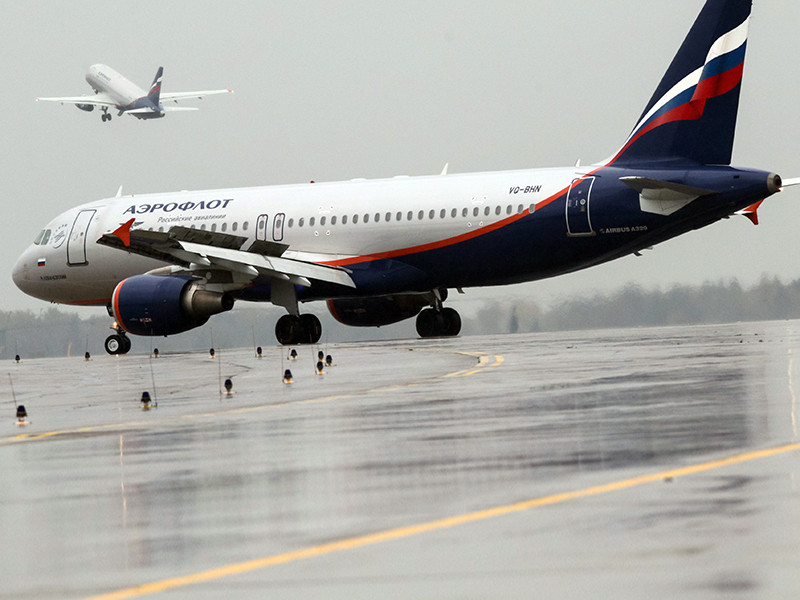
The British Ministry of Internal Affairs was called the routine procedure for checking the Aeroflot Aircraft, conducted on March 30 at London Khitrou Airport. During the inspection, the crew was kicked out, the pilot was ordered to stay in the cabin, and the causes of what was happening were not explained. The Foreign Ministry called an unexpected flight from Moscow by provocation.
The deputy head of the British Ministry of Internal Affairs Ben Wallace characterizes what is happening differently. "This is a routine procedure for the border service to search the aircraft to protect the UK from organized crime and those who are trying to bring harm to substances, such as drugs or firearms, to this country," the deputy head of the Ministry of Internal Affairs, sent to TASS in response to the appropriate request.
“After these checks were carried out, the aircraft was allowed to continue the flight,” he said.
The British media previously reported that the inspection was not related to the case of the poisoning in Salisbury of the ex-colonel of the GRU Sergey Skripal and his daughter Julia.
On Friday, the Aeroflot airline reported that the UK authorities conducted a aircraft inspection without explanation, forcing the crew members to leave the plane and isolating the commander in the cockpit. The company noted that such actions "absolutely do not correspond to the world practice of conducting such inspections."
The relations of Russia and the UK were heated after the ex-colonel of the GRU Sergey Skripal, convicted in Russia for espionage in favor of Britain, and his daughter were poisoned in English Salisbury. According to the British side, this happened due to the impact of the nerve substance "Novice", which was developed in the USSR and Russia.
London later expelled 23 Russian diplomats from the country and announced other anti-Russian measures, after which Moscow took response, sending a similar number of employees of the British Embassy from the Russian Federation and instructing to close the UK Consulate General in St. Petersburg and stop the activities of the British Council in the Russian Federation.