
Translated material
"They will love the new government, like the previous one"
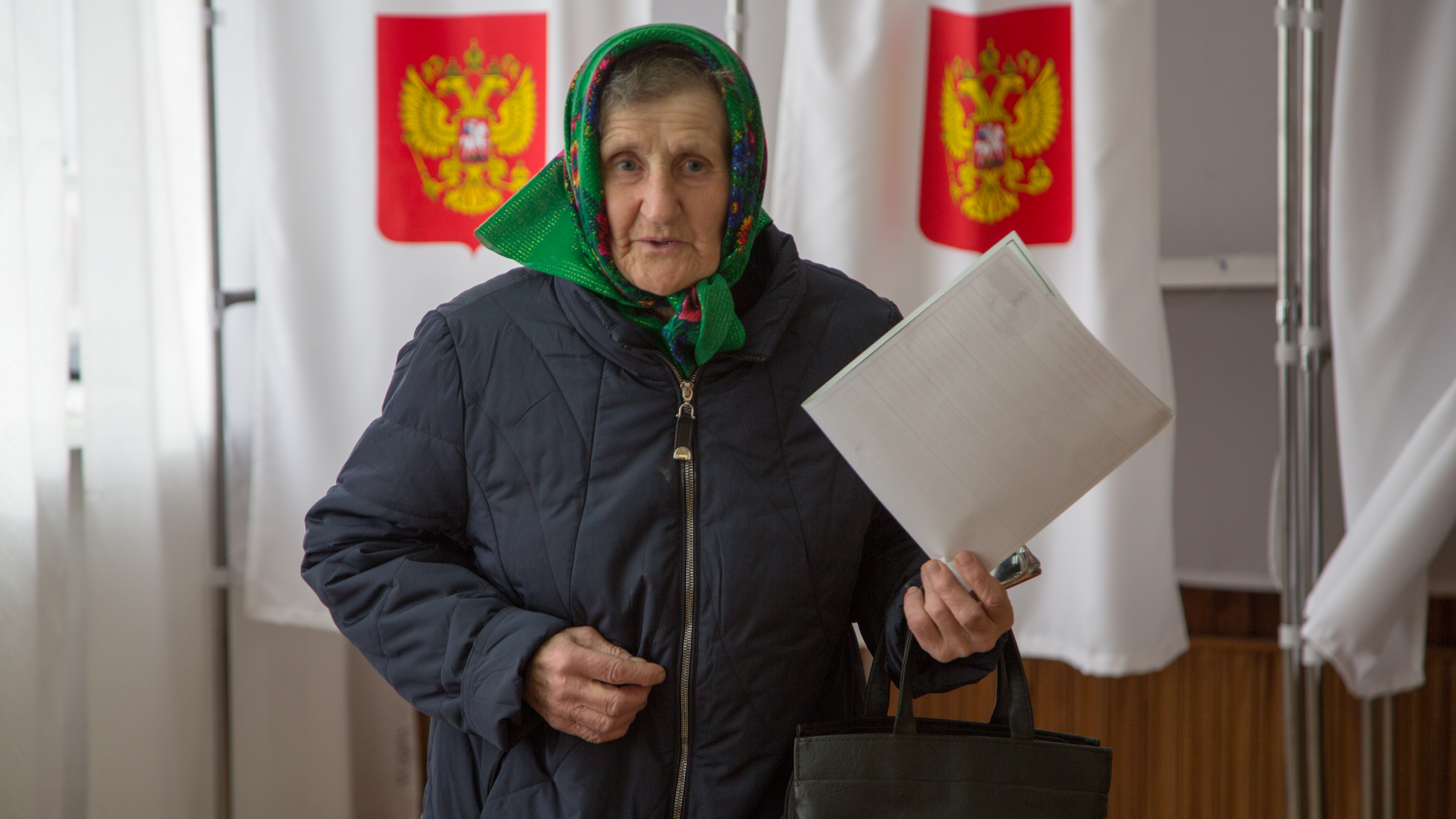
In the past 18 presidential election, Vladimir Putin gained more than 76 percent of the vote, improving his 2012 result by 13 percent and 11 million submitted ballots. The more surprising is the fact that 11 territories brought him less than 70 percent.
Ten regions from this list are in Siberia and the Far East: Yakutia and Khakassia, Altai, Kamchatka, Primorsky and Khabarovsk Territory, Amur, Omsk and Sakhalin Regions, as well as the Jewish Autonomous Region. Political scientist Alexander Kynev told about the reasons for such a disloyal vote of the eastern part of the country.
“The regions of Siberia, the Far East, the Far North, with the deviant exception of the type of Tuva or the Kemerovo region, have always shown more competitive results of the elections in the history of electoral observations in Russia, so there is nothing unexpected in this,” Alexander Knev is sure. - They are always lower than the average, and in the percentage of dominant political force. In the early 90s, they voted more for the Democrats, when there was an inertial train of support for the CPSU and its heirs. And in the late 90s-the beginning of the zero, in the conditions of the new political system, the new party in the authorities had low support here against the background of those regions that became its base-the national republics, the agrarian periphery. This is due to the history of development: there was no serfdom, people came here before the state, they have a historically different type of relationship between power and the population.
The population is more independent. In addition, these were the territories of a political link, both before the revolution and after it, therefore there is a completely different structure, a different type of social networks. Large cities are the same, of course, that their inhabitants are much more individualized, independent, they are always close to them in culture. What is the port? This is a structure open to the outside world, which always compares itself with additional examples of political behavior, more knows more integrated into the world community even in closed modes. Even if you recall the perestroika, where did we have bursts of a democratic movement? In large cities, where there are many people with a high level of education, and in large ports - Murmansk, Kaliningrad, Vladivostok.
They are not interested in politics, but they were very asked, they went
-But in these elections the largest and most traditional leaders of protest voting-Moscow and St. Petersburg-lost this role of Siberia and the Far East ...
- Moscow and St. Petersburg were lost for the reason that there was the most massive boycott of elections by protest voters. The politicized electorate did not go to these elections, it was replaced by people absolutely depolitized, who were reminded 25 times that we must go. They are not interested in politics, but they were very asked, they went. This is a special case, it will not always be so. In the next election, everything will return to his circles.
- This time the Communists very unimportant, despite the fact that they put up a new face from themselves. 11.8% is their worst election result for all time. They lost even in the regions that are considered a "red belt." And yet, in a number of territories of Siberia and the Far East, they managed to add compared to 2012-in Altai, in Primorye, the Amur Region, in the Khabarovsk Territory, Yakutia. What is the reason?
There were a lot of nonsense, stories about Stalin, which no one needs, did not give any new votes
- The problem of Grudinin is due to the fact that the campaign was extremely unsuccessful, the candidate had good opportunities, but could not realize them, since, in fact, he fought with himself. He needed to expand support among non -communist voters, and for this it was not necessary to go to Stalinism and all sorts of extravagant unions with all kinds of odious personalities. With such as, for example, Andrei Savelyev, a former deputy from the Rodina party, or Maxim Shevchenko, are markers for the city educated electorate, and it is obvious that many decided not to support Grudinin due to the abundance of too odious characters. There were a lot of nonsense, stories about Stalin, which no one needs, did not give any new votes. Those for whom it is important, and so vote for the Communist Party, and they scared off independent voters. At the same time, from the point of view of the basic electorate, there were also big problems, since the candidate, to put it mildly, atypical - rather a typical capitalist.
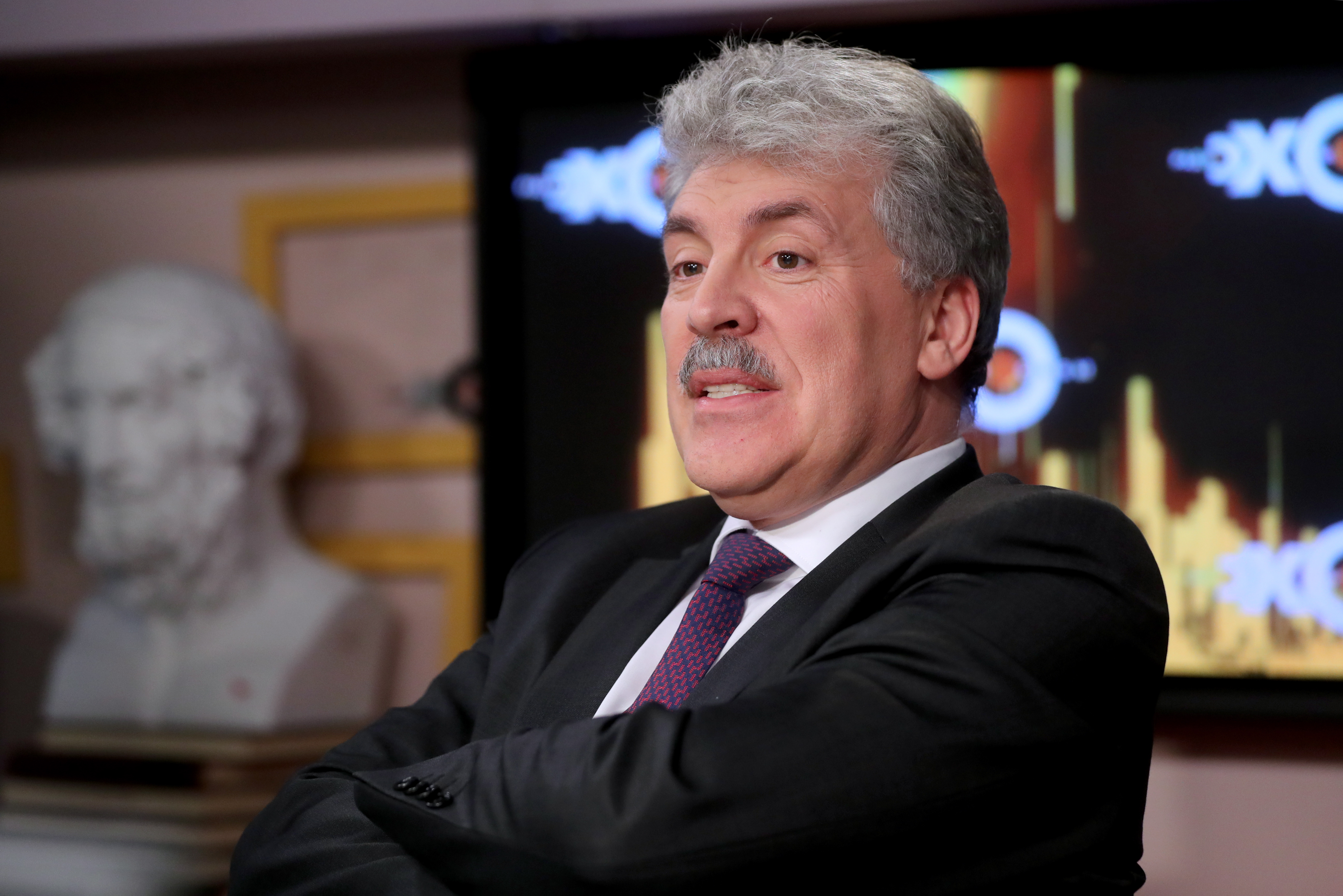
Instead of giving a garden and calling a joint -stock society a face of socialism, one could just talk about him as a strong leader and not hang ideological labels. But instead, the whole campaign was chewing some senseless chewing gum, which, by and large, was not needed by anyone, and the candidate himself was constantly substituted for criticism of obviously incorrect ideological forms that he used. Therefore, for the basic electorate, he turned out to be a stranger, and he scared away the new one. This is the problem of organizing a campaign. As for individual bursts against this background, they are explained by two reasons. There are regions where local organizations are strong, they mobilized support on their own, regardless of Grudinin’s person - this is the Omsk region, for example. And there are regions where voting for Grudinin was an element of the rebellion of local elites against the governor. This is the case of Yakutia, the Altai Territory, the Altai Republic. There are not the most powerful organizations, but there are big problems in relations between the heads of regions and a significant part of the elites. And they simply “in spite of the enemy” voted for the opponents of the current president in order to create problems for the governor, in the hope that he may be fired for this.
- Yakutia in these elections along with some republics of the North Caucasus and Mordovia became one of the six regions, where Putin worsened his previous result. Compared to 2012, he lost 5 percent here. Why?
- I consider the situation in Yakutia precisely as a result of intra -elite contradictions and the desire to substitute the head of the region by its opponents. The administration, I think, had their own strategic mistakes. Some experts drew attention to the fact that the region’s authorities did not carry out mobilization among the Yakuts and so on. But fundamental is that some of the elites consciously worked to lower the result in the calculation of the replacement of the head of the region.
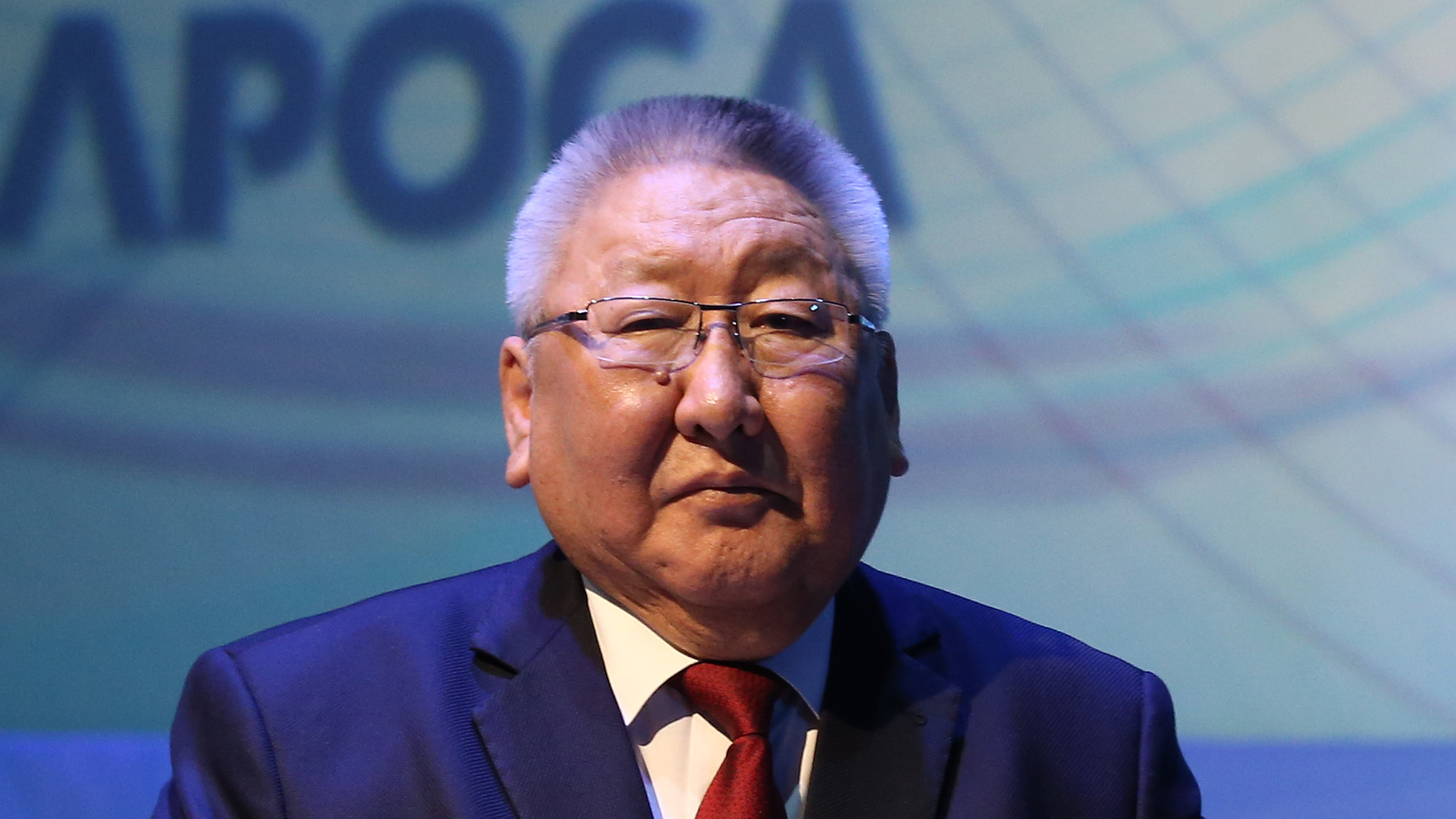
- What to expect now to the head of Yakutia Yegor Borisov?
- I don't know, let's see. Of course, the result in these elections will be counted. Whether it will be removed or not, no one will say, but the fact that he is at risk is for sure. Whether he will be able to survive this zone - we will see. There will be some replacements, the list of replacement exists, it is periodically discussed in the press, but it is difficult to predict in advance. I think it will be accepted in the package. There are quite stable complex regions, for various reasons: some-for economic, others-for reasons for the quality of management, others-because of the complex elite, where there are those who want to replace the head, as in Yakutia. When the personal composition of the authorities in May will be reformed, this will be a large complex personnel movement system. Within its framework, probably, someone will move somewhere, including taking into account the release of some federal posts.
Irkutsk has always been inside himself, there always all fought with everyone
- Presidential re -election - an occasion to change the relationship of the federal center and regional elites?
- There are some dominant trends of relationships. For example, to the figure of the governor. There are regions where the governor himself causes not very great enthusiasm. There are depressive regions that are ready to put up with the fact that shots from Moscow come. Irkutsk has always been inside himself, there always all fought with everyone. In Transbaikalia, the socio-economic situation is almost a hopeless, objectively complex region, whoever appoints anyone better there. There are stable weak governors, for example, in the Amur Region, everyone understands this, and in the region itself too.
Tuva is a politically abnormal region since Soviet times
There is a stranger governor in the Novosibirsk region, which many there causes rejection. It is impossible to give a single answer to the question of how the relationship of the center with regional elites can change.
- The Republic of Tuva against the backdrop of the rest of Siberia and the Far East, its closest neighbors, distinguished itself by almost unanimous support for Putin, 82 percent. Where does this dissonance come from?
- The Republic of Tuva is the region politically abnormal since Soviet times. When in 1991 all of Russia voted for Yeltsin, Tuva voted for Ryzhkov. She always supports power. If tomorrow the president becomes Navalny, Tuva will vote for Navalny. Already in Soviet times, it was a state in the state, even after entering the USSR there was its own political regime, and now this regime is quite specific. When you get to Tuva, you catch yourself thinking that you are as if not in Russia. You understand that Russia, but everyone here is completely different, and look at you here in a completely different way when you are a stranger. The political regime of Tuva is very peculiar, the region of the clan, the level of domestic nationalism is very high. The local alignment is largely determined by interpersonal relationships between political figures. The current authorities of the region, of course, are focused on their most famous fellow countryman Sergei Shoigu, and this is completely clear. Of course, I am convinced that there are mass falsifications there, but there are not enough votes there, spending money on observation in Tuva is very expensive, so the region lives on outskirts, in itself, and local authorities are largely drawing what they want. And they want to usually show their loyalty to the federal center, they showed it in the 80s, and in the 90s, and now. The situation will change, and they will love the new government, as the previous one.