
Translated material
The curtain falls
The West seeks to isolate from the "bad guys", and the Kremlin infuriates bets
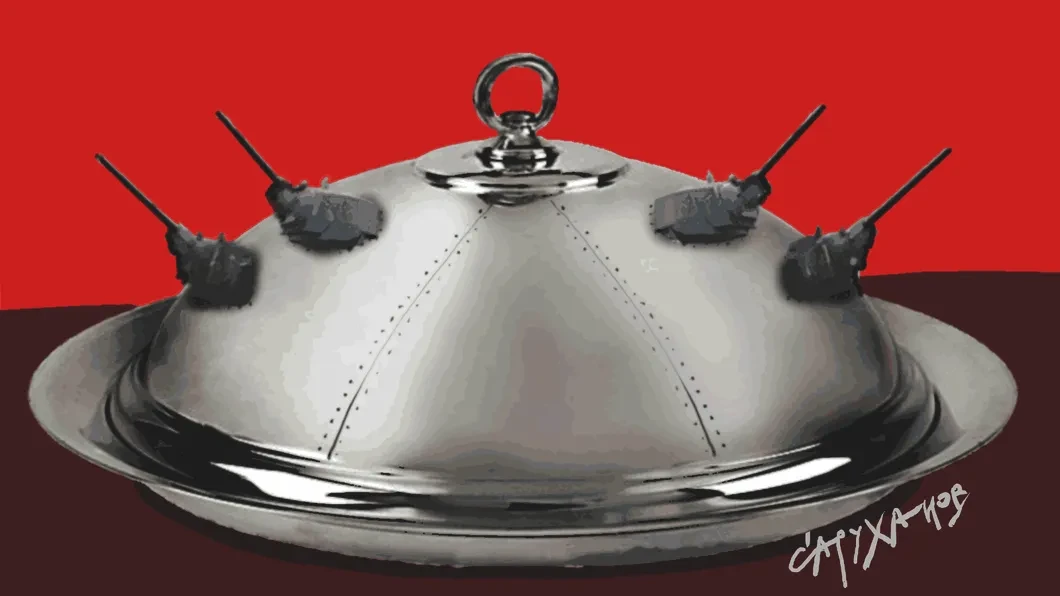
Russia is experiencing the deepest foreign policy crisis in the entire latest history of the country after 1991. Now we can talk about this with all confidence. The no less obvious observation is that the reason for this crisis was the systematic efforts of the Russian authorities, who staged a “geopolitical victory” in the form of a quarrel with almost all states of the world.
In 2014, in support of Russia's position on the Crimean referendum, 10 countries performed among the UN members, from Armenia to Zimbabwe. 100 announced their non -recognition of the results of the referendum and another 58 abstained. Approximately the same ratio of forces acts today, when Russia simultaneously stuck in the Ukrainian and Syrian crisis, a wave of economic sanctions and, finally, took steps to a direct military conflict with NATO. The nature of what is happening is obvious even to the most unshakable “statesmen”. The latter, as a result, usually come to a thoughtful conclusion about the army and navy as the “two allies” of Russia.
By the time Skripal’s poisoning, Moscow had a very bad credit history. If someone violates international law, arranges “hybrid wars” to his neighbors or at least tests politically these neighbors for strength, and this lasts years, then at some point the call to put this end to this. It is not necessary to wonder what the UK did this by suspecting the Russian special services in the attack of the Kingdom of Kingdom in its own territory. The solidarity of the allies of London is not too amazing (which, among them, note, not only the royal fleet).
What amazes is the logic of Russian diplomacy and regulars of political talk shows.
Official Moscow defiantly violates the rules and immediately asks: are there any concessions? And if I find?
An even more impressive argument is that the Americans have long been bad guys, and now our time has come - and it will be worse.
The escalation in Syria, where Russian mercenaries have already died under American fire, now the United States is officially claiming this, as well as the collapse of the Russian stock market under the influence of sanctions should have forced the Kremlin to think about the red line. But the Russian authorities believe that the best way to get out of the conflict is a further increase in bets, geopolitical bluff. No one has any questions about what the meaning makes up or the more national interest of Russian answers to the West.
Like Portos, the Kremlin fights because it fights,
Although sometimes he is trying to languidly explain this by a dispute about the interpretation of the concept of “sovereignty”. Moreover, the Kremlin is fighting for two fronts - one of them is opened against their own population, which will be obliged to help “responsible businessmen” suffering from sanctions, which will be blocked by messengers and who is ready to lose their savings against the background of currency rates.
It is important to understand what is really happening now: a new iron curtain is falling over Russia. Unlike the 50s of the last century, the engineers of this curtain become not so much local ideologists as Western democracies. For which curtailing contacts with Russia is the only way to protect their societies from toxic traces - in the literal and figurative sense. There is no reason for gloating here; Unfortunately, from the point of view of world politics, we are really in the same boat with the Kremlin authorities. So the only pragmatic question here is whether the country remains in the country that could correct domestic policy. Not finding a way out of an authoritarian impasse, we really risk becoming bad guys.