
Translated material
Petersburgsky Romanesir Evgeny Onegin
Valeria Novodvorskaya is about the main secret of life, which is hidden in Pushkin’s novel. Eugene Onegin was written 185 years ago
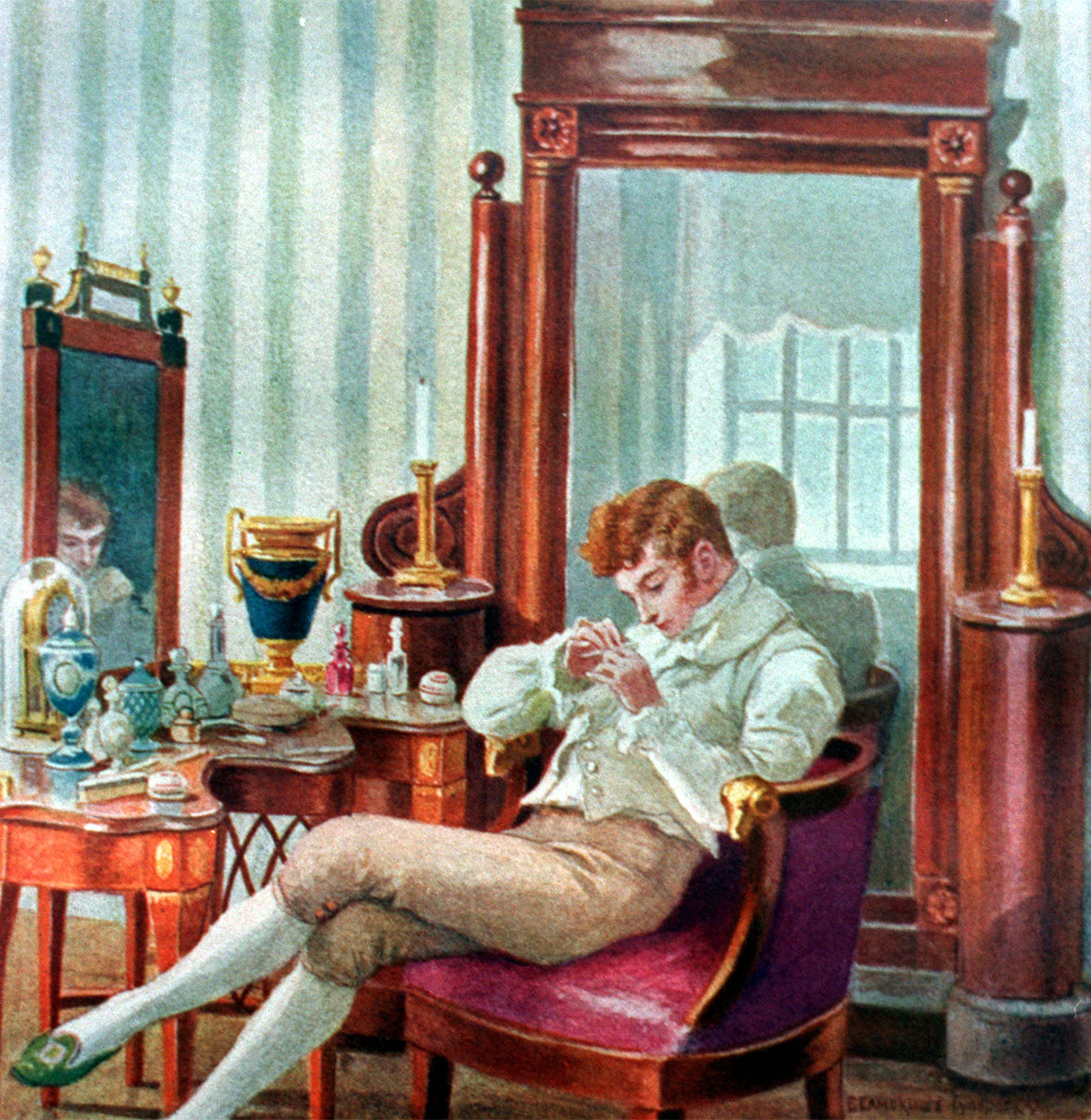
Illustration for Evgeny Onegin from a rare edition of 1911, artist E. Samokish-Sudkovskaya photo: TASS
The Spaniards have Spanish Romanisero, which collected all myths and legends about the reconcist and the Great Side. We have something better: “Eugene Onegin”, the St. Petersburg romance of the educated Western elite, our failed house of the Lords, who dared in 1730 (“Supreme Conspiracy”) and 1825 (the Decembrists uprising) to dispute the postulates of autocracy ... A lot of secrets of Pushkin’s life are hidden in the poetic novel. And the most important of them - why was the poet not on Senate Square?
1833. Pushkin is 34 years old, he has long been “overgrown”, he knows the price of the authorities, and the people, and ink, and the rebellion. Pushkin is tired of the need to enter the establishment: after all, you need to pay something for the entrance. "Poltava", for example. Or the poem to the "slanderers of Russia" to suppress the Polish uprising of 1830: "What are you making noise, folk vitia ..."
Pushkin formulated the code of the era, saying in the face of Nikolai that if he were in St. Petersburg, he would go to Senate
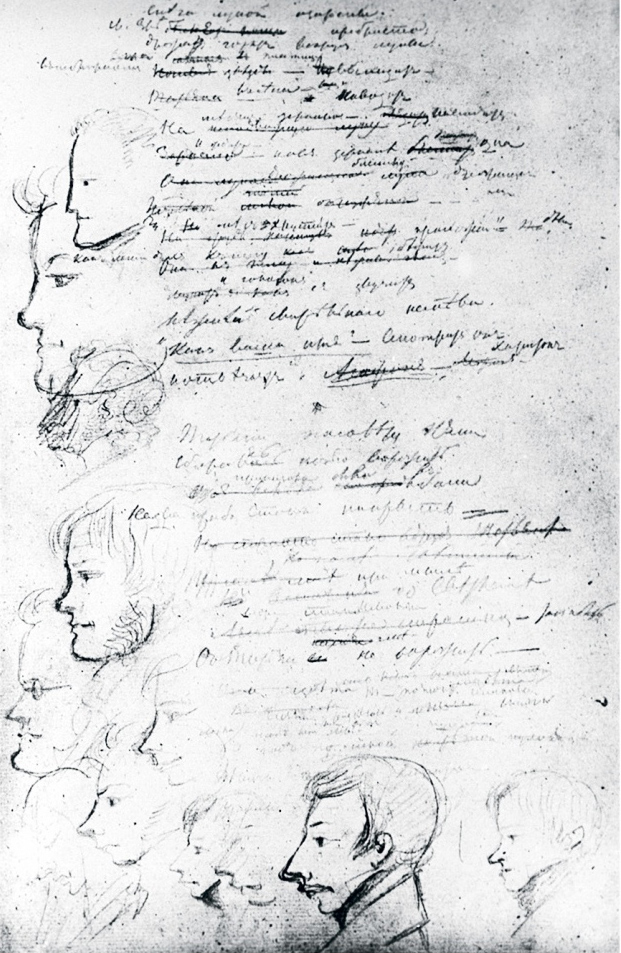
Friends of the poet photo: RIA Novosti
Who could foresee, except for him, “in this crowd of the nobles of the liberators of the peasants”? But this always happens. According to the good of the unfortunate and oppressed, according to the subtle remark of Vladimir Tendryakov, “Grachi of all time”: well -fed, for which the norm is “Truffli, the luxury of the young years, French cuisine is the best color and Strasbourg Pies, which was incurred between the cheese Limburg living and pineapple gold”. And so that "frosty dust is silvering his beaver collar." Ball! And, according to Radzinsky, "a plot at the ball."
“Eugene Onegin” is not a story about the young fool Tatyana and not about the story of Onegin - this is the taste, bitterness and sweetness of the era of growing up of free people who suddenly noticed that they live among slaves and satraps and that they are waiting for them to become plantators, but this is not a “not committee”. “Eugene Onegin” is the story of our freedom, boiling and beating in close granite Neva shores, against the backdrop of a gray sky, forever crossed out by five gallows. For both Pushkin and Chaadaev, and for noble offspring Herzen and Ogarev. All woke up the Western dream, multiplied by the eternal longing of the Russian intelligentsia.
If not for a great gift, Pushkin would be Onegin. He knew the price of superficial secular life, but he loved this Christmas brilliance and was very far from the dull asuza of the Narodniks and Tolstoye, who would throw it off the "ship of our time." And the nihilists will even say it out loud.
The Decembrists spent time as Onegin: "And I exclaimed:" Tirans! " And I glorified freedom, we drank wine under fiery tirades like water ”(Alexander Galich).
Pushkin did not really appreciate the simple -mindedness and enthusiasm. He laid Lensky on a duel, riding from the terrible ending of the layman-premise in a quilted dressing gown, gluttonous, hunter and pituha. He sent Tatyana "to a distort" to the capital, where she became unhappy, but smart and significant.
In general, in the "Onegin" the main thing is the burned X chapter. There was no trace of cheers and vulgar militarism. “... when not our buckets of the two -headed eagle were pinching at Bonapartov Tent” - this is about the domestic 1812. “The frenzy of the people” and “Russian God” is about her.
And what's in the dry residue? The Decembrists' family (in Onegin), Lunin, Yakushkin, Lame Turgenev. This was understood by Evgeny Yevtushenko at Kazan University: “Until now, over the Russian fields in the rusted bell of heaven, the wind beats inconvenient bodies of the insolent hanged story.” The trouble is that they were Lensky, and Pushkin was Onegin. Their faith was not given to him.
But he formulated the code of the era, saying in the face of Nikolai that, if he were in St. Petersburg, he would go to Senate. Sooner or later, Russia is ready or not ready whether it will help or not, there is a rule of good tone: to publicly dissolve from autocracy.
First published in NT No. 13 dated April 15, 2013