
Translated material
Who is Miguel Dias-Kangel?
The head of Cuba for the first time in half a century did not become Castro
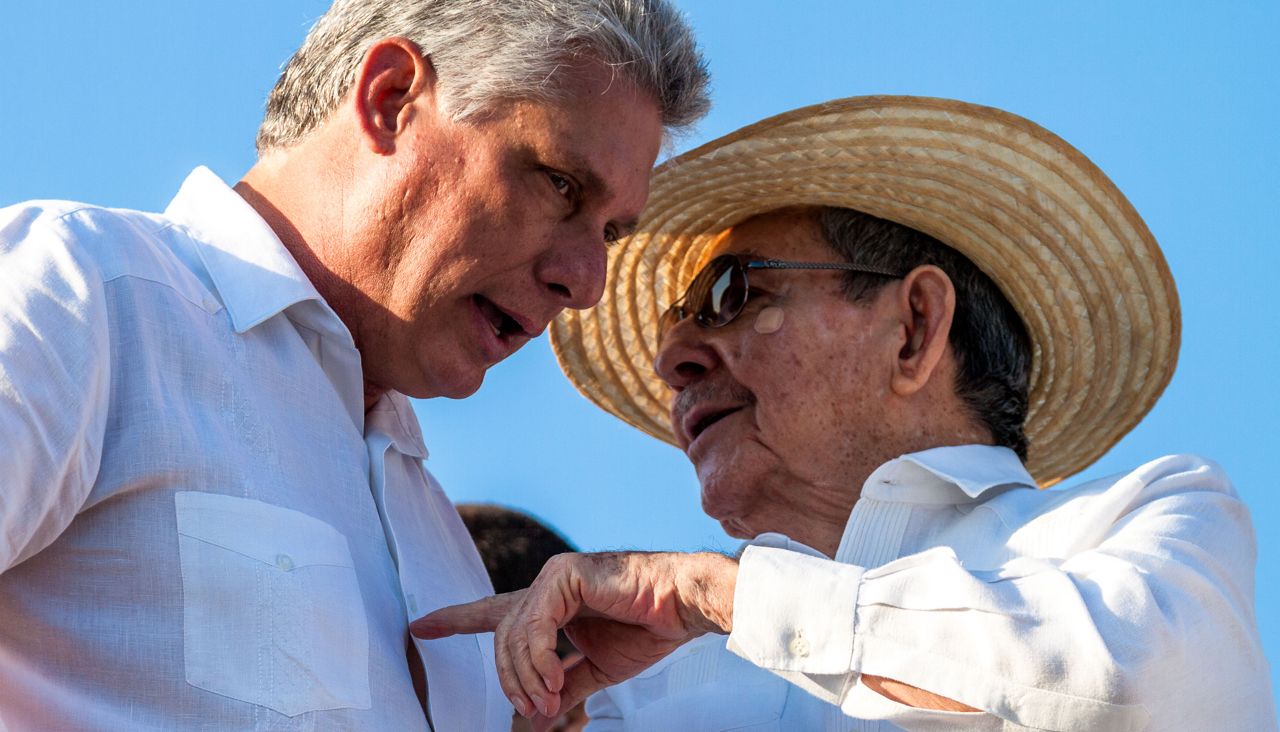
On April 18–19, a session of the National Assembly takes place in Havana, at which the new head of state was elected-instead of 86-year-old Raul Castro, 57-year-old Miguel Dias-Kanel became the chairman of the Cuban State Council. "Medusa" says what has changed in Cuba over 10 years of Raul Castro and what is known about the new head of the state.
Cuba at Raule Castro
Raul Castro is the younger brother of Fidel Castro (1926–2016), one of the leaders of the 1959 revolution. From the moment the revolutionaries arrived in power and 2008, he has been the Minister of the Armed Forces, since 1976-Deputy Fidel Castro in the State Council and the Government. Raul Castro led Cuba in 2006, when his older brother retired due to health difficulties; In 2008, he was elected the head of the State Council, five years later-re-elected to this post.
Despite the resignation of state posts, Fidel Castro until 2011 remained the head of the Communist Party of Cuba, who controls the work of state institutions in the country. A similar situation will happen again in 2018-Raul Castro should stay in this post until 2021.
Under Raul Castro, reforms began in Cuba - although, according to critics, not decisive enough. In 2008, the government allowed farmers to process abandoned state land, in 2010 the work of small businesses was allowed. Now almost 600 thousand people have licenses for work in the private sector; In 2017, the government suspended the issuance of new licenses in a number of spheres, explaining this by the fight against violations. Cubans were also allowed to buy and sell at home and travel abroad without special permission.
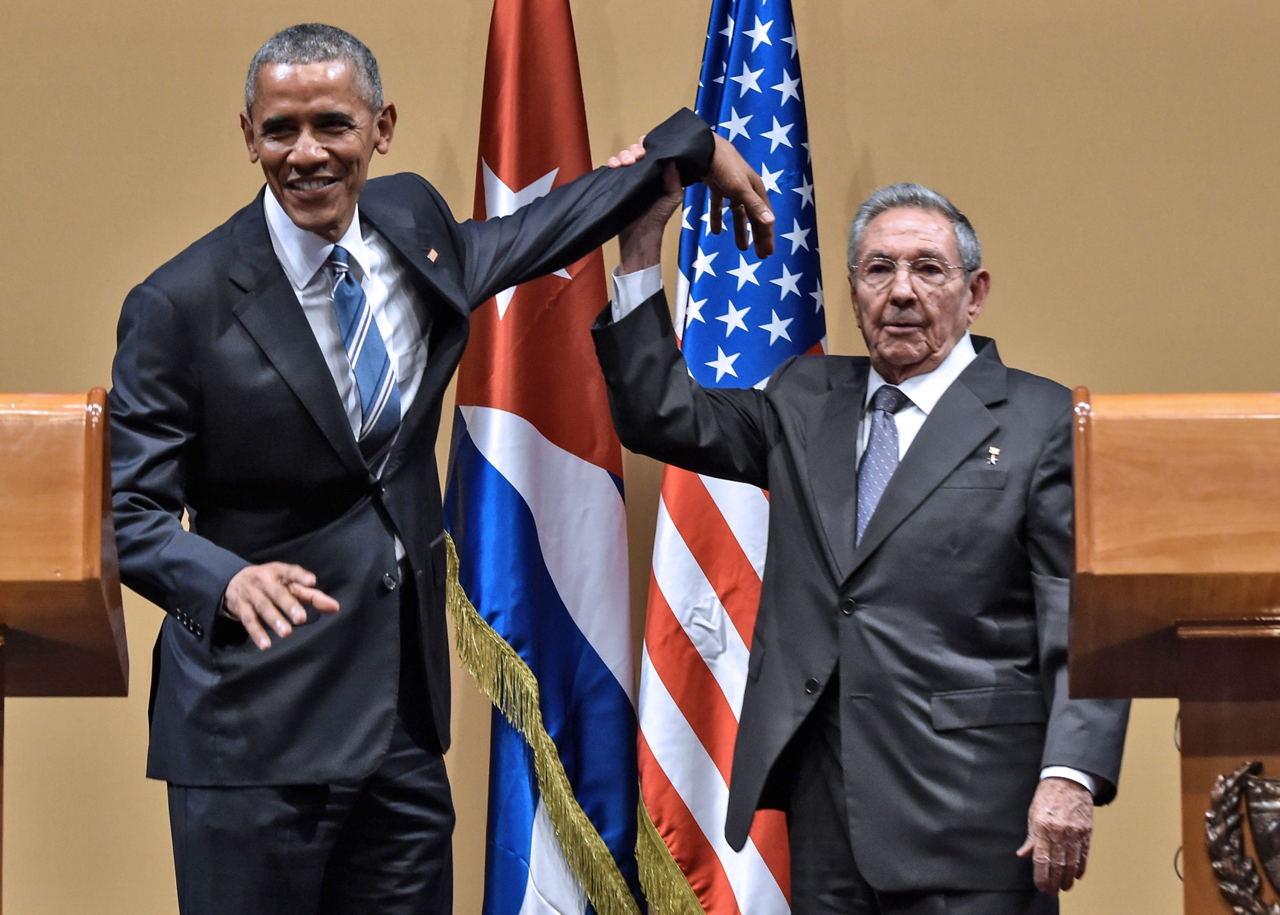
The most noticeable foreign policy event of the decade of Raul Castro was the restoration of relations with the United States. America partially removed the sanctions from Cuba (the economic embargo introduced in the 1960s was in force) and excluded the country from the list of sponsors of terrorism. In 2015, diplomatic relations were restored, a year later regular air traffic was established between countries. In March 2016, Barack Obama became the first American president to visit Cuba for 88 years.
The new US President Donald Trump decided to turn close to Cuba. One of the factors was a series of incidents with employees of the American diplomatic mission in Cuba: they massively complain about annoying sounds and poor health (in the USA they called it an “acoustic attack”, which happened is still unknown ). In 2017, dozens of American diplomats returned to the United States.
Raul Castro, back in the middle of the second term as the head of the State Council, said that he would not run in 2018. His successor was the vice-chairman of the State Council, 57-year-old Miguel Dias-Kanel. On April 18, he was declared the only candidate for the position of successor Castro before the secret vote of the deputies of the National Assembly. 603 out of 605 deputies voted for him.
The successor of Castro
Miguel Dias-Kanel, before becoming the vice-chairman of the State Council, held the post of Minister of Higher Education and was responsible for strengthening socialist ideology at universities. He himself is an engineer by education; After serving in the army, he began his career in the Union of Young Communists and by 1993 became the second secretary of the organization.
From 1994 to 2003, Dias-Calel was the first secretary of the Communist Party in the province of Williara-actually the political leader of the region. According to The Guardian, in those years he was also known thanks to an unofficial image: he wore long hair and simple clothes, rode a bicycle. Ramon Silvero, the founder of the Cultural Center for LGBT in Santa Clara El Mejunje, told NBC News that in the years when homosexuality was persecuted in Cuba, Dias-Kanel helped to preserve the cultural center and even went there with children for performances.
Another acquaintance of Diazanel-the famous Cuban dissident and journalist Guillermo Farinyas-said that in childhood he knew how the “impulsive, aggressive, bold and reckless” person and the “real friend”. Their relationship went back in the 1980s, when Farinyaas and other psychologists were about to deduct from the university for interest in the works of Sigmund Freud-then Dias-Kanel, according to the dissident, supported their exclusion.
During the years of work in the province, writes CNN, Dias-Kanel received from his subordinates the nickname “Day and Night”, because at any moment he could come with an unexpected check.
Diazanel is described as a policy that avoids conflicts and the executing instructions of the authorities, as well as as a reliable successor to Raul Castro. He practically does not make public statements; In 2017, a video appeared on the Internet from a closed meeting of members of the Communist Party, on which Dias-Kanel, in accordance with the official rhetoric, criticized dissidents and independent journalists, accused the Western embassies of supporting subversive activities, and explained the attempts of the Obama administration with Cuba explained the desire to “destroy the revolution”. At the same time, notes The Guardian, Dias-Kanel defended scientists and bloggers, who were criticized by supporters of the authorities.
Most experts and residents of Cuba surveyed by the Western media agree that the new head of Cuba should not wait for quick reforms - it is expected that key decisions in the coming years will remain with Raul Castro. To judge him, according to the former analyst of the Cuba Ministry of Internal Affairs, Arturo Lopez-Levy, will be by the situation in the economy-including because, unlike the Castro brothers, there is no glory to the revolutionary, NBC News writes.
Now the Cuba economy, built according to the planned principle and subordinate to the state, is in a difficult situation, - as Bloomberg writes , this is due to the fall of prices for nickel and sugar, the damage from the hurricane Irma, as well as with a severe economic crisis in Venezuela, which supplies oil to the island.
The average salary in Cuba is 31 US dollar. According to The New York Times, one of the main challenges for Dias-Kanel will be the abolition of a bicopian system. On the island, both ordinary Pesos and convertible are circulating: they are used by tourists who come to the island, they are calculated in international trade. The convertible peso is tied to the dollar and officially equal to ordinary Peso, but actually costs 25 times more: because of this, as Bloomberg writes , the price system inside the country is “paralyzed”. The transition to a single currency is expected to cause inflation and can hit state companies. Raul Castro spoke out for the reform since the beginning of his reign; In December 2017, he stated that she "can no longer be postponed."
Victor Davydov