
Translated material
RBC: They decided to block Telegram due to Durov's plans to create cryptocurrency
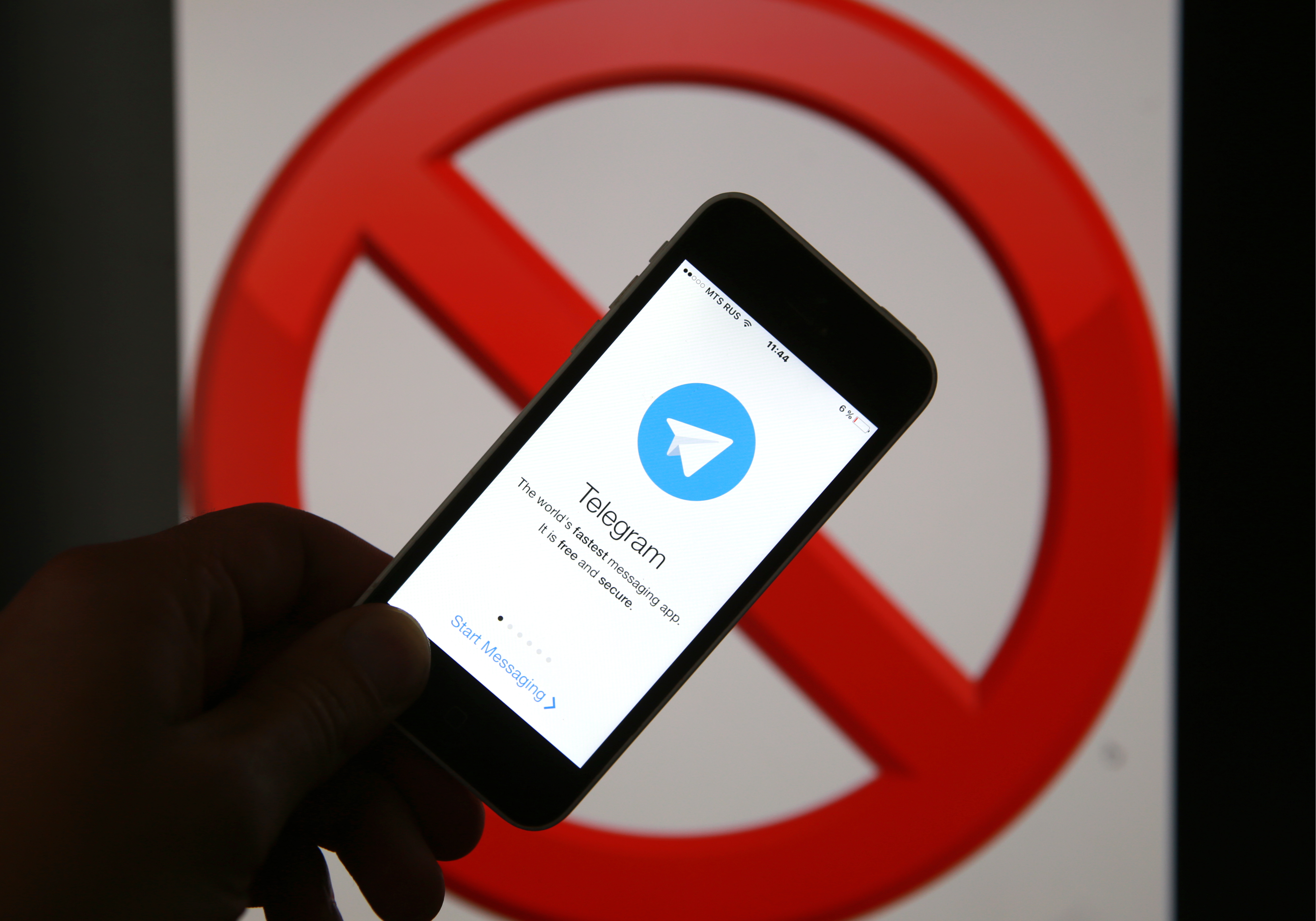
The present reason for blocking Telegram in Russia may be the plans of its owner Pavel Durov to launch a gram cryptocurrency based on a messenger. It is reported by RBC.
According to the publication, the unsuccessful blocking of the Telegram messenger in Russia, which has been accompanied by a passing blocking of the IP addresses of the cloud services of Amazon, Google and other providers, was discussed by employees of the 12th FSB Center, which, in particular, oversees information security issues.
On April 18, the unit employee Roman Antipkin sent a letter to his colleagues in which he stated that the real reason for the Telegram blocking is the desire of Durov to create a completely uncontrolled financial system on the basis of the program. "History is not about keys and terrorism (...). Pasha Durov decided to become a new Mavrodi. Having launched his crypt, we will get a completely uncontrolled financial system in Russia. (...) This is a threat to the country's security (...). All the drug, the organs will go through the Pashin of the Crypt, and he will say: I have nothing to prohibit the words, they are used by terrorists," - the letter quotes the letter. RBC.
The authenticity of the letter was confirmed by the three sources of the publication, but Antipkin himself said that "everything is lying", that he did not understand what was being discussed, and refused further comments. RBC also sent a request to the FSB. The interlocutors of the publication argue that Antipkin has repeatedly represented the 12-center of the FSB at various events, including the meetings, where they spoke about the so-called "Yarovaya Law".
The fact that Telegram plans to launch its cryptocurrency GRAM, which will allow payments inside the messenger, in January, the website of TechCrunch reported. The launch of the platform will be carried out at the expense of ICO. At the beginning of 2018, Telegram structures held two closed rounds of the ICO, collecting two billion dollars from the investment ruler.
According to the Vedomosti newspaper, the first pre-sale attracted the attention of Russian investors, in particular-Roman Abramovich, founder of QIWI electronic payment service Sergei Solonin and co-founder of the Wimm-Bill-Dann, David Jacobashvili.