
Translated material
"Yes, at least strangle!"
As they evict people from apartments in Petrozavodsk who took a loan from entrepreneurs with high -ranking relatives
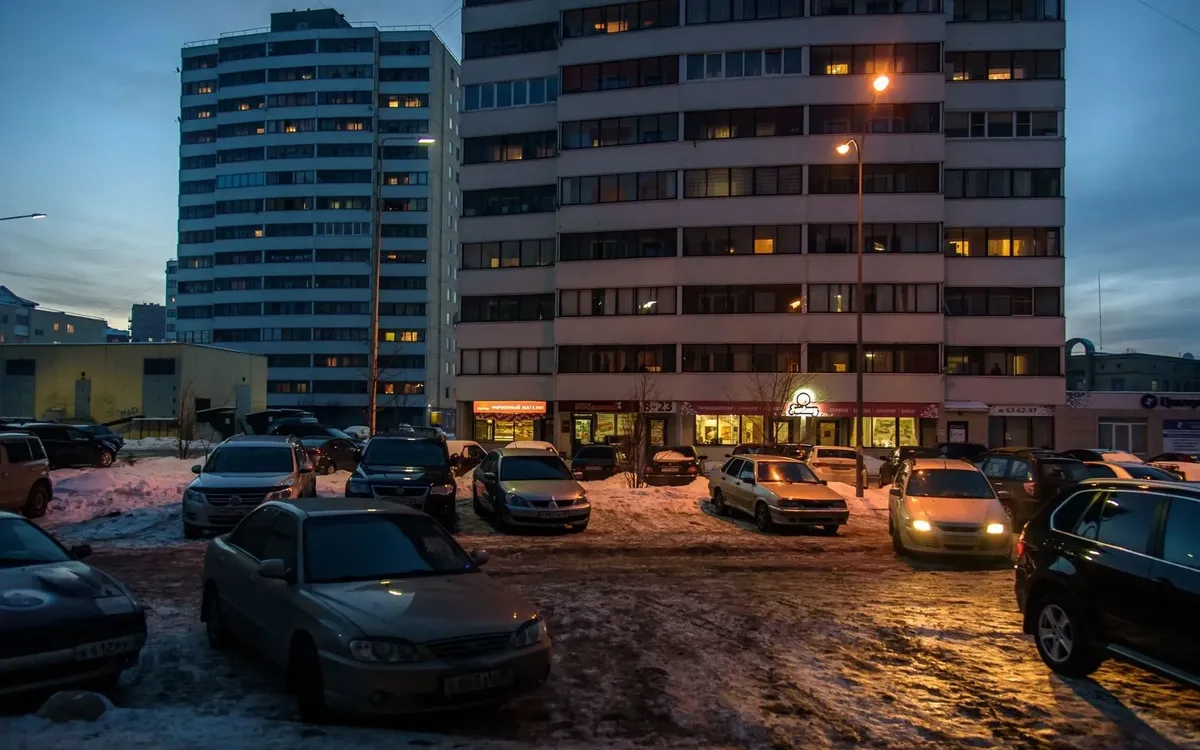
Igor Vezin committed suicide on January 21, 2018. Shortly before this, the Petrozavodsk City Court decided to evict the Vesin family with four children from their only apartment. For the fact that they expired payments on a foreign exchange loan.
“That day he was with a friend, did not spend the night at home,” says Elena, Igor’s widow. - A friend came home from work at ten in the evening and calls me: “I can’t get into the apartment, the door is closed to the inner lock.” My heart hurt all day. I anticipated. What is with him: either sleeps or does not hear? I called a taxi and flew there. The door was closed from the inside. When she was hacked, they threw me back. They said: "That's it, you don’t go further." I look: the rope is wound on the door.
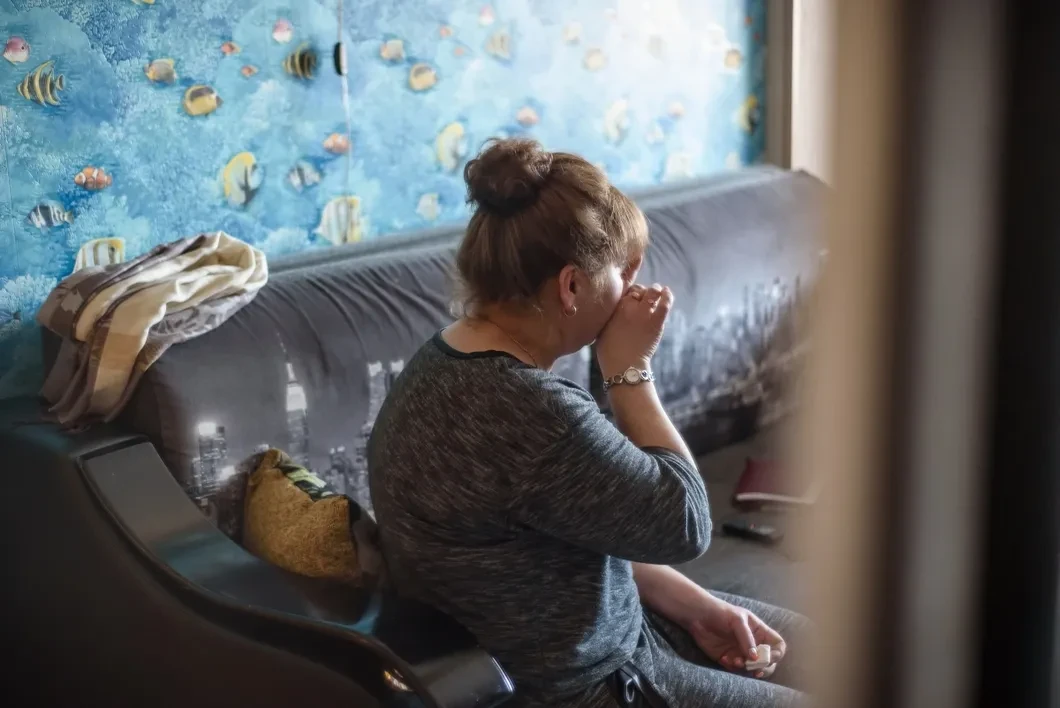
“He drank three days, went to a friend and committed suicide,” says Elena, clutching a scarf in her hand. Vesins raised four children. The younger ones, a schoolboy and a five-year-old son, live with Elena in the same apartment. In the only one from which the family is evicted. The court of guardianship was ignored, says Elena.
The suicide note
Before his death, the husband left a note. She was found on the refrigerator when the police arrived. Found, but never gave it to his wife. Elena believes that in a note, her husband could mention a lender who evicted his family to the street.
- I read this note before that, he showed it to me in a fit of anger. I read two or three lines: “Forgive me for everything, for the fact that I could not cope with all the problems. I love you very much". I didn’t read further, I freaked out and told him: “Throw it, do not do just stupid things.” Then I did not read, and the investigator did not let it read it to me. They didn’t give her in her hands, they simply showed - they say, she does not belong to you. I said, let me read at least, she is to me! He [investigator] sits stubborn: why do you need it?
Hundreds of victims
In 2013, the Vesin family took two loans in W.E. For an amount equivalent to 1.1 million rubles, the “first mortgage company” (“Peak”) on the bail of a single apartment. “I don’t argue, we ourselves are to blame - fools,” says Elena Vesina about the contract. When the euro jumped up, the vezins were re -wrapped in rubles. But Igor lost his job, non -payment began. “Peak” filed a lawsuit. The Vesin’s apartment was put up for auction, and the debt to the creditor reached three million.
“Peak” is part of a group of 18 companies connected by common founders: “San Group of Companies is this wording from a criminal case instituted in July 2016 by the Investigative Department of the IC in Karelia on the“ fraud on a particularly large amount of real estate and the provision of loans ”. In addition to the Vesin family, the victims were recognized by several dozen borrowers, but in July 2017 the case was discontinued - "due to the lack of corpus delicti."
Borrowers "Sana+" took to the streets after the "Black Tuesday" - the crushing fall of the ruble in December 2014. But the rallies did not lead to anything. Today, several hundred people in Petrozavodsk have problems with the return of loans to the “Sana” group of companies.
Borrowers are trying to support each other: many of them helped Elena Vesina bury her wife. “The girls collected 24 thousand rubles for a funeral,” she says. - And so at least leave on top of the earth. What to do? "
“I was recognized as the victim, but the criminal case was closed, everyone does not care,” she says. - They will take the apartment - so what? There will still be above the roof. There is so much hung out that - I will die, and great -grandchildren will pay. ”
Meeting on Pravda Street
Each company has its own face. The face of "Sana+" for borrowers is Viktor Shmenik. It was he, as the director of this company from 2008 to 2011, by proxy, he distributed loans to hundreds of families. His brother Anatoly Shmenik, together with his longtime business partner Andrei Svidsky, at one time established a number of companies that are today known under the Shana brand. One of the houses built by them in Petrozavodsk is located on Pravda Street, 40a.
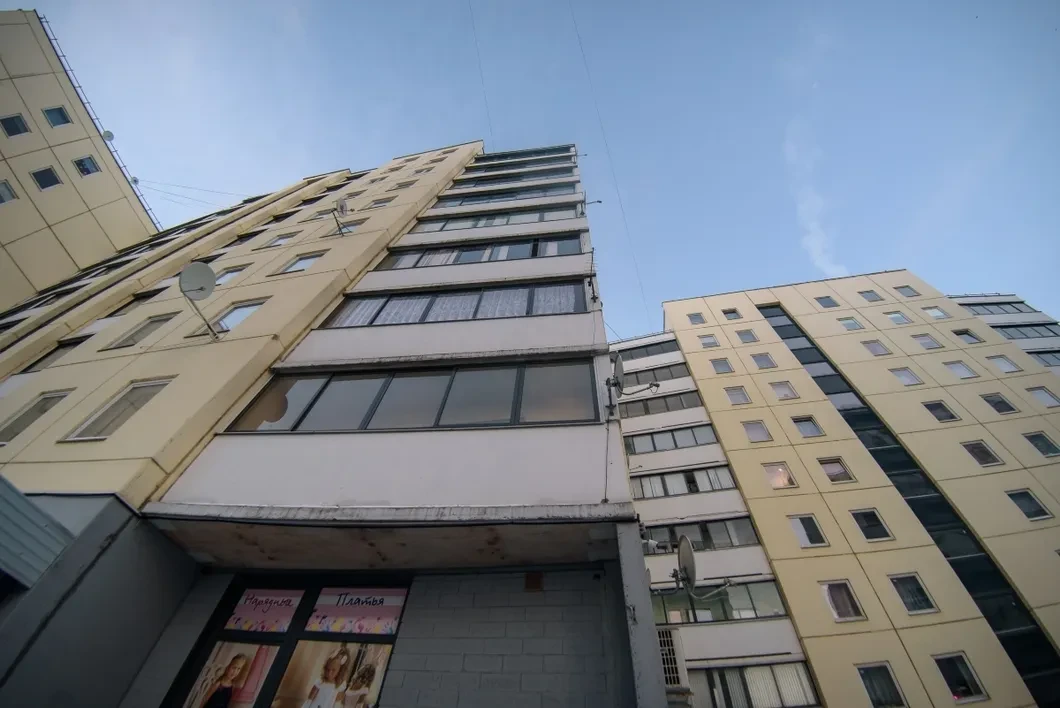
Tired people gather at the entrance to the gathering. Short greetings, fast nods - so good friends are found to discuss bad news. For borrowers of "Sana+" good news and the truth is not.
To get apartments in this house, Petrozavodsk families a few years ago took loans from a large construction company on the bail of their own housing, and now they ended up in a debt pit.
“Shana+” and related structures are erected at home throughout Petrozavodsk - from 10 to 15 thousand square meters are commissioned annually. m housing, the company reports about itself.
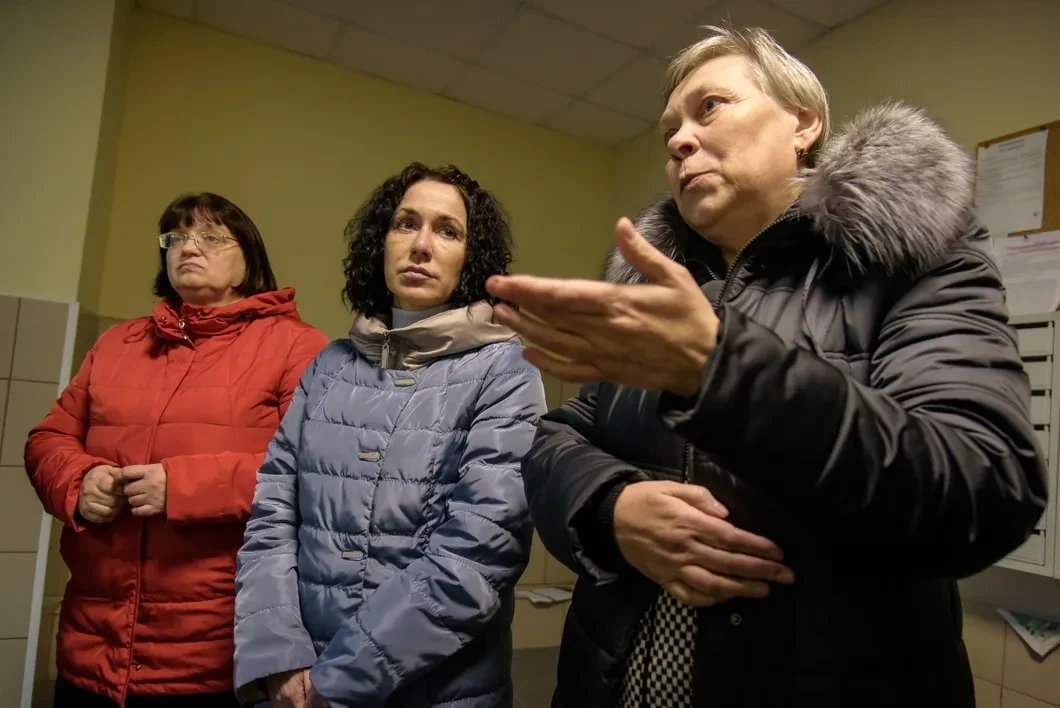
The entrance on Pravda Street is not a meeting place, but a distress area. Sweast to the street with a family with children, putting up an apartment with the elderly for the sale of an apartment - all this is the borrowers of "Sana+" already worried. But this is not the end. After eviction of people, millions of debts remain, which means that the company can file new lawsuits in court. What she does.
Influential relatives
The headquarters of Sana+can be considered a gloomy building in the center of Petrozavodsk. On the upper floors there is an office of the leadership, but ordinary mortals can not go there. This is reminiscent of the inscription in the elevator: "Access to 8 and 9 floors is blocked." Four large bronze letters “Sana” on the facade of the building are visible from the street - according to legend, these are the first letters of the names and names of the company's leaders.
Andrei Svidsky - the founder of most companies that relate to Sana, was lucky with relatives. Anita Svidskaya works as the chairman of the trial of the Karelian arbitration. Her sister Yanina is the deputy minister of economic development and industry of Karelia, and in the past - the deputy head of the Office of the Karelian Rosreestr. Note that borrowers have repeatedly turned to Rosreestr about the correctness of the design of transactions by the lender.
- This family has their own people everywhere: in the arbitration court, in Rosreestr, in parliament, in the city administration. The same surnames, ”says the Union of Shmeniki - Svid one of the borrowers.
Under one "roof"
This is not to say that the borrowers of Sana+were surprised that in July 2017 a criminal case, instituted by the Investigative Department of the IC in Karelia, was terminated. Andrei Svidsky and the Shmeniki brothers and before that took place in the case in the status of witnesses.
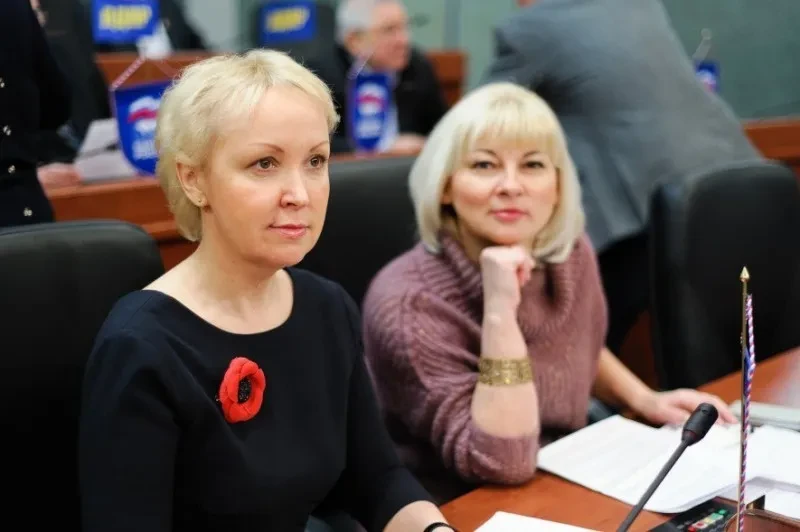
In the city of Viktor Shmenik, they know as the husband of the deputy chairman of the Legislative Assembly of Karelia, a member of the United Russia Olga Shmenik. From 2011 to 2016, when “Sana+” distributed loans with might and main, a member of the United Russia faction Olga Shmenik was the chairman of the Committee on the legality and law and order of the Karelian parliament. Now the powers of Shmenik extend much further - it holds the post of the first deputy chairman of the Legislative Assembly, in its jurisdiction, all eight of the Karelian parliament committees, including the budget and tax committee, as well as economic and social policy.
The Schmainikov family lives in the same house on Pravda Street, built by a group of companies "Sana". Borrowers learned about this thanks to an unusual story.
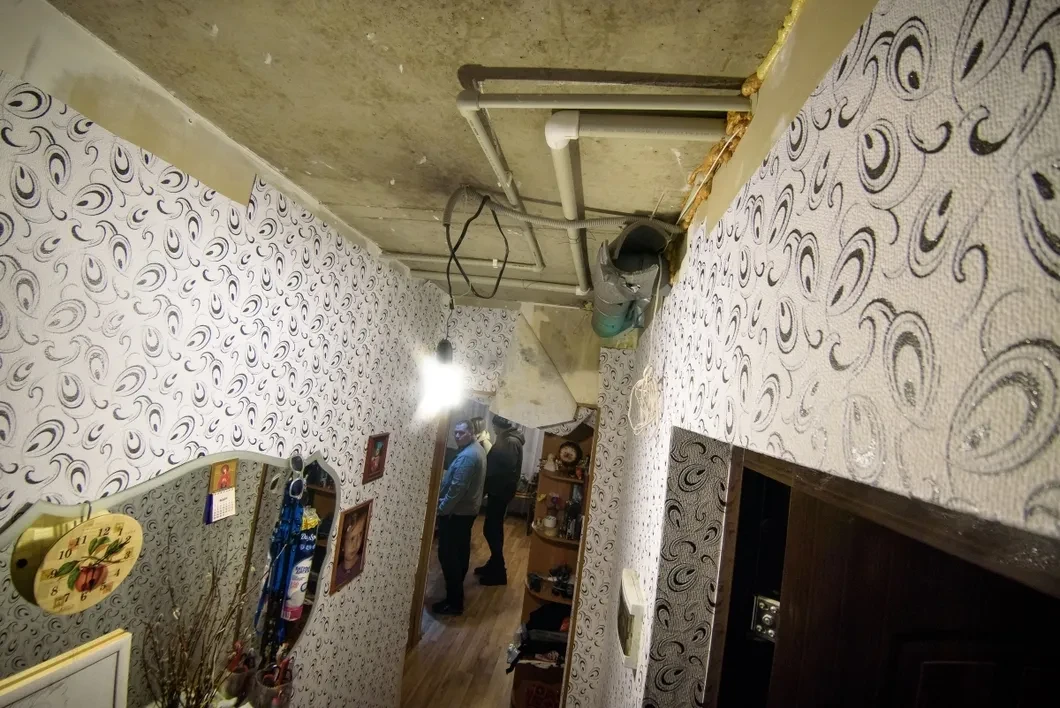
In the fall of 2017, the shmaeniki left without heating other inhabitants of the house. They refused to give access to the plumbers to their apartment in order to release air from the radiators before the start of the heating season. This could not be done even by court decision. To cope with the communal drama, one of the freezing pensioners of the house on Pravda Street had to announce a hunger strike.
Children of the Black Tuesday
The group of companies "Sana" was contacted by those who were refused by banks: individual entrepreneurs; Those who could not confirm official income or had a bad credit history. The clients required a minimum of documents and time.
Irina Makarova, for example, concluded a “contract of sale with an installment plan” from one of the companies of “group”. In 2011, she chose an apartment of 36 square meters. m for 1.6 million rubles. According to Makarova, she found out that she became a currency borrower only when she signed the main contract - in the preliminary cu. They did not appear. But it was too late to retreat: Irina and her mother and daughter had already sold the old apartment and made in a new repair. In addition, the company reassured: “The manager said: we have the owners of the Americans, so everything is in conditional units. Do not pay attention to this, ”Irina recalls.
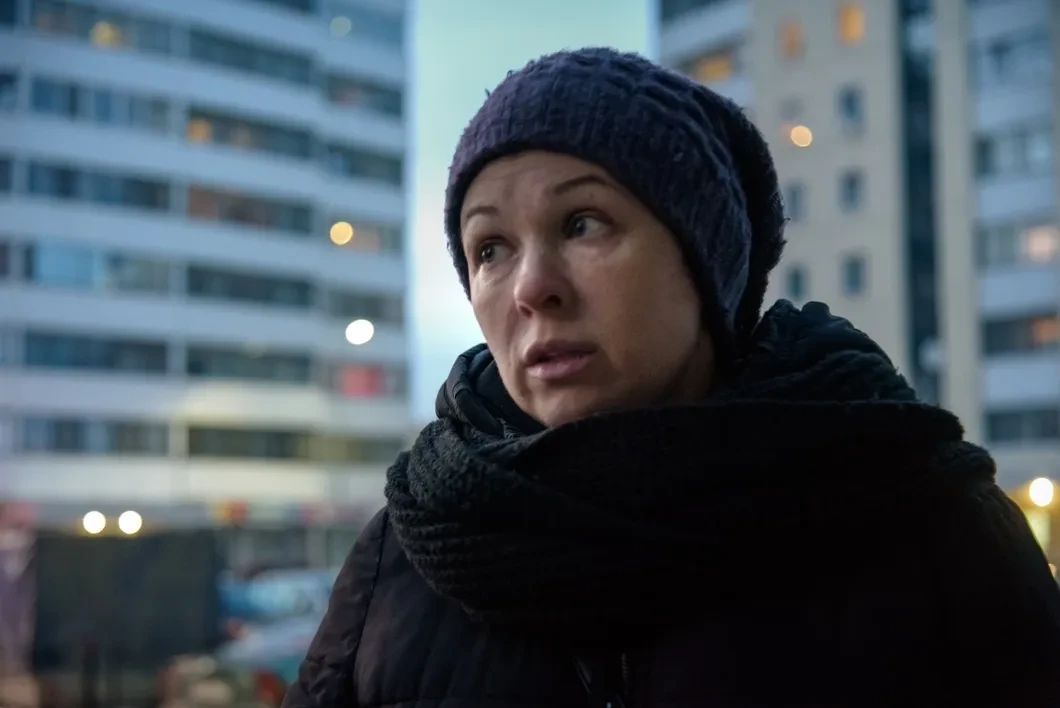
When the ruble collapsed, Makarova overdue the payment, and then - tried to buy housing. But it turned out that in debt for the apartment of Irina they included interest that she would pay for all ten years of installments. Irina tried to get out of Kabala, but to no avail. “There is a clause in the contract that in case of delay in payment, the seller whose interests are“ Sana+”are entitled to terminate the contract,” she says. “You have to return the apartment, and you are returned to the money paid minus 15% of the penalty.”
“But Mr. Shmainik directly said to me:“ Yes, we have the right. But we do not want to use this right, ”she says. Instead, the seller, IP Svidsky, filed a lawsuit against Irina and won. The Petrozavodsk City Court decided that Irina should pay more than 3 million rubles and leave the apartment. But by this time she had already paid about 1.5 million rubles - in fact, the initial cost of the apartment. The apartment was put up for auction, but Irina managed to submit documents for bankruptcy proceedings.
“It’s enough not to pay several times, then interest begins to grow,” she explains. -Three or four months is enough to get into a situation from which there is no way out.
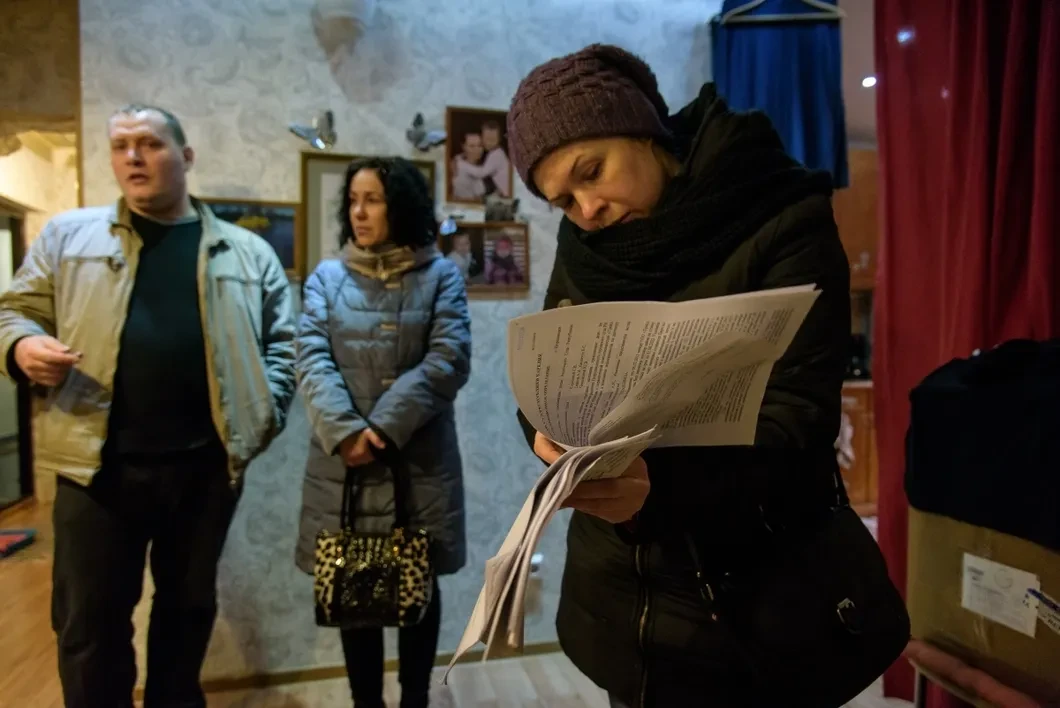
With other borrowers, they concluded “hiring agreements”. In fact, people purchased an apartment, but according to the documents with them, a lease was concluded for several years. The “rent” for the apartment, in fact, includes the “main debt and interest for hiring”, which are paid monthly. If a person stopped paying, it is easy to send him to the street - because in fact he only rents an apartment. This happened with the family of Yevgeny Kulikov-after the collapse of the ruble, the cost of housing rose from 4.7 million rubles to 10 million. At some point, monthly payments were stepped for 100 thousand rubles. From the apartment, a family with two children evicted bailiffs by court order.
One of the families, which had to part with the apartment given on security, became Gordeevs. Another affiliated company from the Shana Group took her apartment with a pensioner registered in it - according to the law, it was impossible to write out a woman. “An apartment with an encumbrance - with a lifelong living of a person - this is a grandmother, a decent, adequate person who was unlucky with relatives” - this has appeared an ad. Under it is a telephone for support for the construction company "Sana".

The whole elite in the same house
The house on Pravda Street is not the only project of the “Sana” group of companies. The 17-story elite LCD Grand appeared in the center of Petrozavodsk in 2012. Three -meter ceilings and underground parking - there are few such houses in the city. The developer was acted by Enigma, who was affected with the Sana Group, and the owners of the apartments, as the New Gazeta discovered, became Karelian officials, who are also responsible in the city for the construction sphere.
For example, a 95-meter apartment on the ninth floor of the Grand complex since January 2013 has been owned by the Chenzhev family. In 2012, Marina Chenzheeva held the position of inspector of the department of state supervision in the State Housing Inspectorate of Karelia. Another co -owner of the apartment, Andrei Chenzheev, worked in 2013 as deputy head of the Center for Special Relations of the FSO in Karelia. The cost of such apartments is more than 6 million, which by Petrozavodsky standards is many. Chenzheevs did not respond to the request of Novaya Gazeta. And in the housing inspection, we were explained that Chenzheeva resigned by 2013.
An apartment of an even greater meter (110 sq. M) in the same house is owned by Yuri Efimenko. He holds the post of deputy head of the North-West Department of the Federal Service for Ecological, Technological and Nuclear Supervision of Karelia. It is interesting that it was this division of Rostekhnadzor that has repeatedly conducted checks at the objects of the Sana Group.
Efimenko confirmed Novaya Gazeta that he belonged to this apartment, noting that the cost of housing amounted to about 5 million rubles. “I was not a borrower - I had accumulated money, I sold [another] apartment,” he said. To the question of whether the Office of the San Group of Companies carried out, Efimenko answered in the affirmative: “They handed over some objects to us. With a planned check, we did not check them, including in connection with the supervisory holidays, and, of course, admitted to their objects. ” The official also confirmed that he was familiar with Anatoly Shmenik and a relative of the founder of the group of companies Nikolai Svidsky. “He is my house neighbor,” he explained. - Of course, they are familiar. Small town".
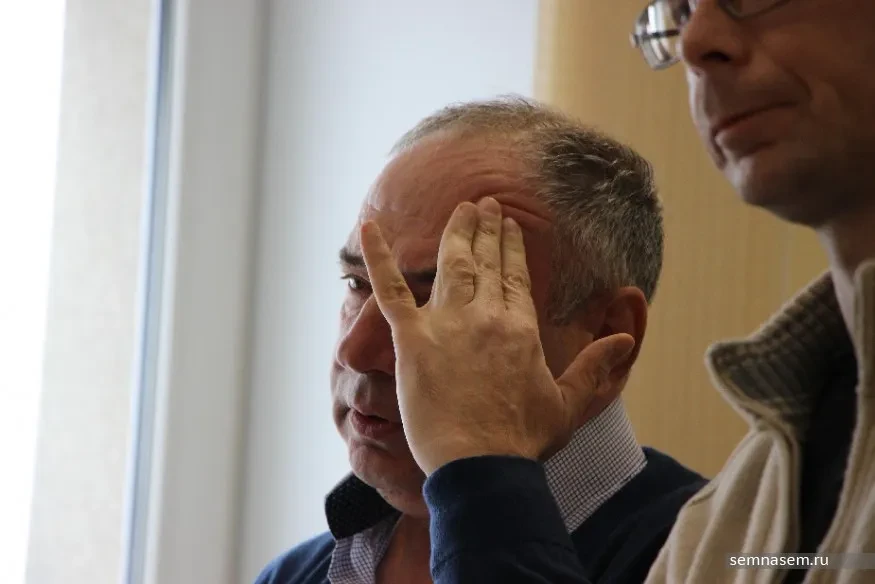
On the eighth floor of an elite high-rise building is a 95-meter apartment, which belongs to Anna Poghosyan, the judge of the Karelia Arbitration Court.
In April 2010, 30-year-old Poghosyan became a judge, and four years later-the owner of the apartment in Grand. By the way, by a strange coincidence in June 2011, Anna Poghosyan refused the lawsuit to the entrepreneur, who tried to recover money from Shana+. The apartment of such an area is in the Declaration of the income of Judge Pogosyan, however, she did not answer the question of the sources of funds for the acquisition of elite housing, indicating only that the information could be obtained from open sources. Similarly, the judge answered the question about the decision made in favor of "Sana+".
According to Novaya Gazeta, Anna Poghosyan is the daughter of the judge of the Supreme Court of Karelia Ashota Poghosyan and Tatyana Ignatieva, the head of the administration of the head of the republic. With the head of Karelia, Arthur Parfenchikov Ignatiev is connected by past work in the Federal Bailiff Service (FSSP). While Parfenchikov headed the FSSP, Ignatiev was his deputy.
Bailry Day
“Understand, this is a small city,” explains the borrower Sergey Krivoshlyk. - I have long suggested to the Supreme Court of the Republic of Karelia to appropriate the name of Svidsky, and the named after the Petrozavodsky city is the name of Shmenik. Six court hearings per day, and five of them - he [Shmenik] wins. How can it be?
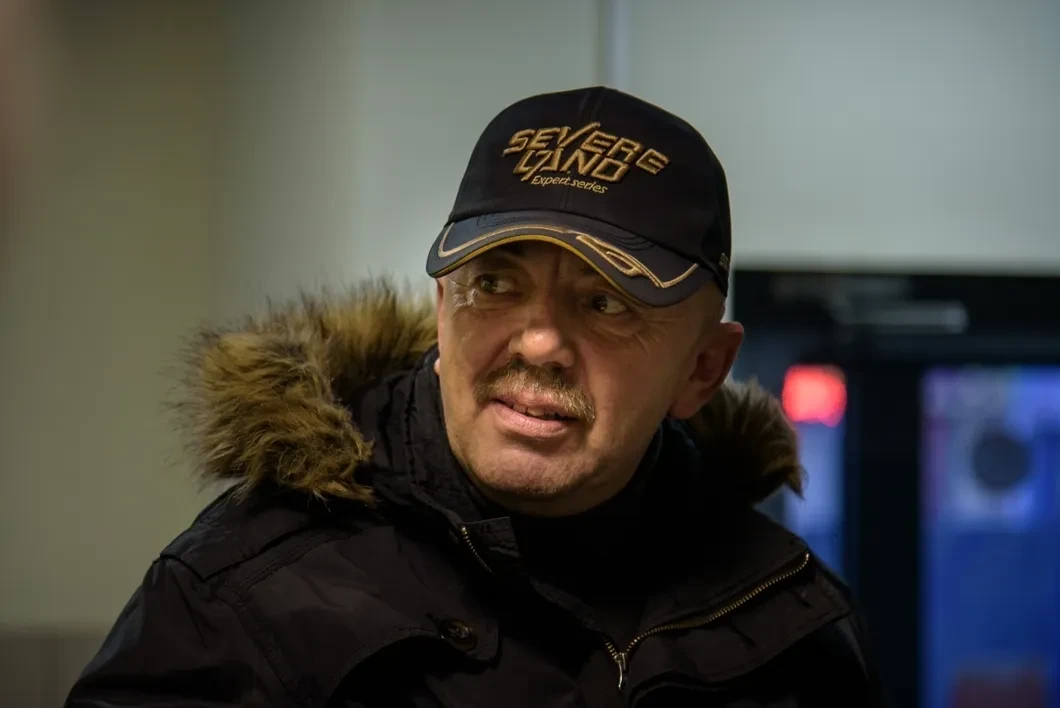
The bailiffs began to massively evict “Sana+” from the apartments in 2016. Since then, the process has not stopped. Now the Petrozavodsk City Court is littered with lawsuits to the clients of the companies of the San group, and regiments in the offices of the bailiff service are breaking from enforcement proceedings for borrowers.
“The bailiffs have cabinets in every street in the office,” says Irina Makarova. - Most of the streets are small such folders. And then there is a street of Pravda, and this is a number of shelves forced by documents. This is precisely the houses of the "SANA" groups of companies.
When evicted with borrowers, they do not stand on ceremony.
- Cut the light!
- The men came, cut the wires, burst into the door.
- And to us - they broke the door.
“I was delivered to the bailiffs in handcuffs,” borrowers say interrupting each other.
With Sergey Krivoshlyk, they treated especially hard. “He lived in the garage for six months, now he moved to other“ apartments, ”he says. In February 2017, Krivoshlyka, along with the cat, was evicted from the apartment from the apartment, which he bought from Sana+twelve years ago 1.1 million rubles. According to the preliminary agreement, an advance was made in the amount of 890 thousand rubles. Nevertheless, by the court decision, Krivoshlyk remained to the developer more than 2 million rubles. Krivoshlyk says: the bailiffs detained him by force and announced that he was on the federal wanted list. Sergei managed to ask for asylum in neighboring Finland, but the lender suddenly changed his mind and recalled the lawsuit.
Stepanova also took the apartment from the family of Lesya Stepanova and kicked out into the street. She alone brings up 8-year-old grandson Grisha.
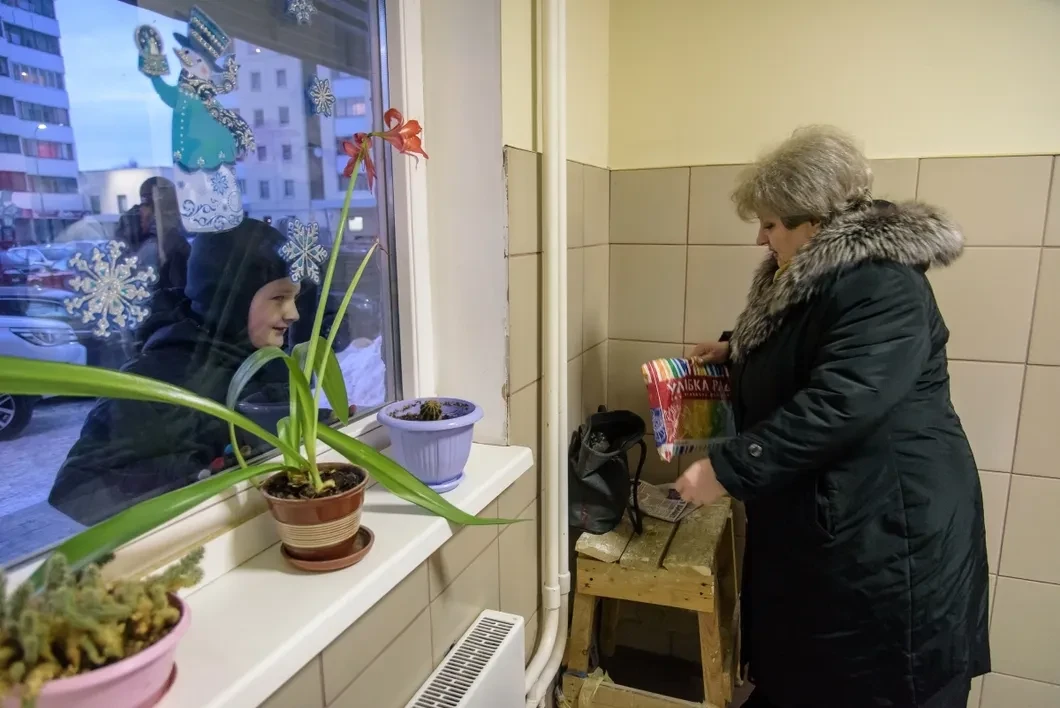
- They took a loan on the security of the apartment - I had Khrushchev. The daughter on the basis of debts went crazy, three times in the "sailors" ( the Republican Psychiatric Hospital in the Sailor Starts. - A.K. ) lay. I can’t work: my grandson was given disability, it is necessary to raise it. I don’t know how to get out, ”she continues. “They just ... destroyed us.” The daughter went crazy. If something happened to her - a psychiatric hospital, this [grandson] is an orphanage. The guardianship authorities do not take any participation, they abandoned us. They didn’t meet me - they finished it, finished off ... Now I am without debts, but without an apartment.
Prosecutor's installment agreement
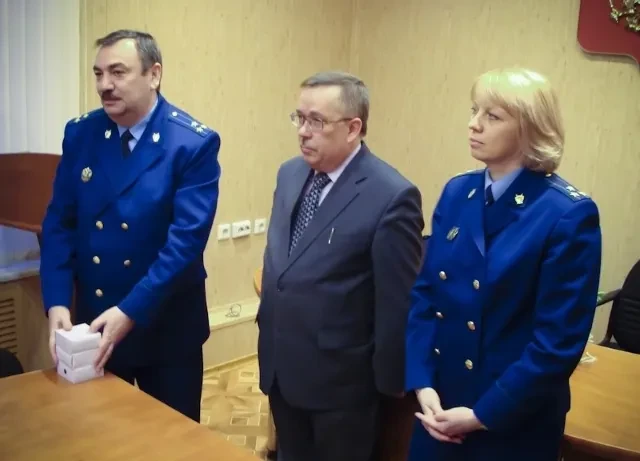
Not every borrower has such a sad fate. Согласно выписке из Росреестра, 33-метровая квартира в доме на улице Правды принадлежит Елене Алексеевне Аскеровой, чье имя полностью совпадает с именем прокурора Петрозаводска.
Заемщик «группы «САНА» Сергей Кривошлык рассказал в интервью «Новой газете», что в 2016 году прокурор города во время приема делилась с ним и адвокатом впечатлениями от сделки с «САНА».
— Елена Аскерова рассказала, что попала с «САНА» впросак. «Мне выдали договор, я не прочитала, подмахнула, а когда пришла домой, разобралась, побежала в «САНА», — припоминает Кривошлык слова, якобы сказанные прокурором.
— Я эти слова подтвержу перед присягой и перед Богом, — говорит он. — Аскерова рассказала, что с «САНА» «вопрос решила». Каким образом — она не рассказала. Ее, видимо, тоже хотели шваркнуть под проценты, но, видимо, вовремя опомнились. Ведь Аскерова — это вам не Иванова какая-то.
Имя прокурора Петрозаводска упоминается и в материалах уголовного дела. Следователю представители «САНА» сообщают, что с заемщиками обращались по-людски. Компания приводит список из 97 фамилий заемщиков, которым «САНА» уменьшила стоимость квартиры и срок рассрочки. Под пунктом №23 в списке — Аскерова Е.А.
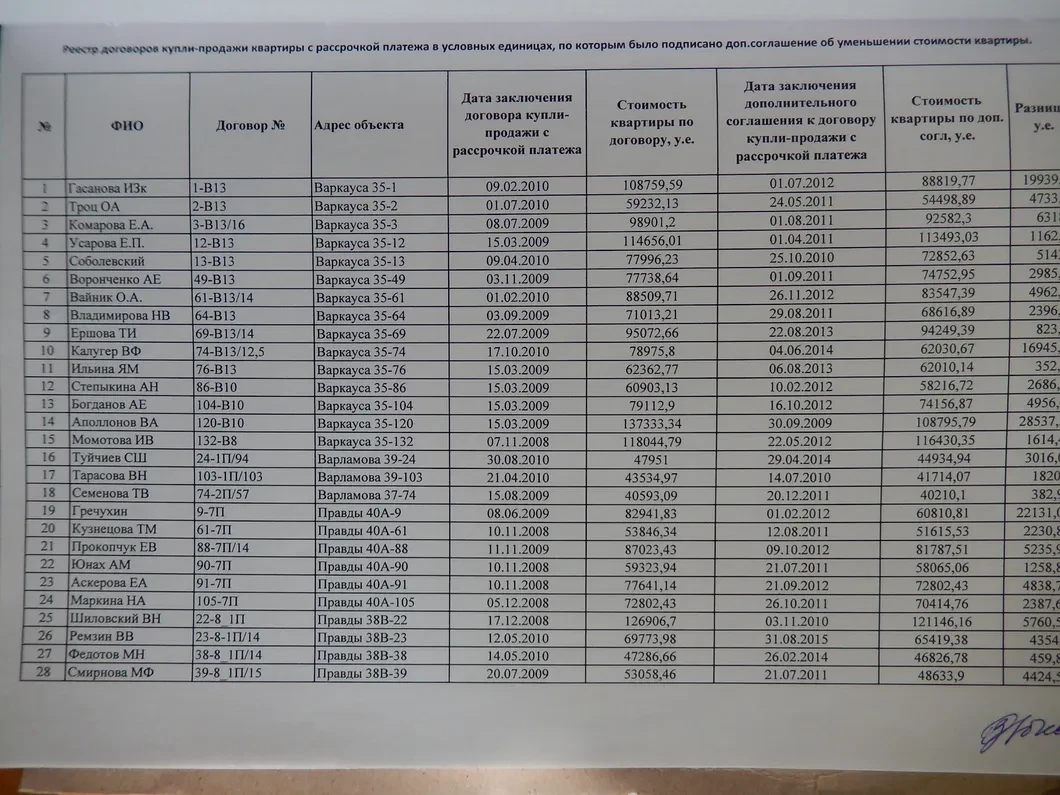
Из материалов уголовного дела следует, что договор купли-продажи с однофамилицей прокурора Петрозаводска был заключен в ноябре 2008 года. Стоимость квартиры по договору составляла 77,6 тыс. у.е. В сентябре 2012 года было заключено дополнительное соглашение: и несмотря на рост курса, квартира стоила уже меньше прежнего — 72,8 тыс. у.е.
О таком соглашении мечтали и Сергей Кривошлык, который подался от приставов в бега, и Елена Везина, чей муж покончил жизнь самоубийством. Но им навстречу не пошли.
Все способы борьбы исчерпаны
Петрозаводский юрист Владимир Шилик считает, что единственный выход для многочисленных заемщиков — определить статус того, чем занимается строительная компания.
— «САНА» позиционирует себя на рынке как строительная компания и не является финансовой организацией. Продажей денег в рост по закону могут заниматься либо банки, либо некредитные финансовые организации. Банки как кредитные организации нам хорошо известны, а вот исчерпывающий перечень видов некредитных финансовых организаций указан в ст. 76.1 Закона «О банках и банковской деятельности». Это, в частности, кредитно-потребительские кооперативы и микрофинансовые организации. Чтобы стать некредитной финансовой организацией, нужно войти в реестр, который ведет Центробанк РФ. Только после этого можно заниматься потребительским кредитованием.
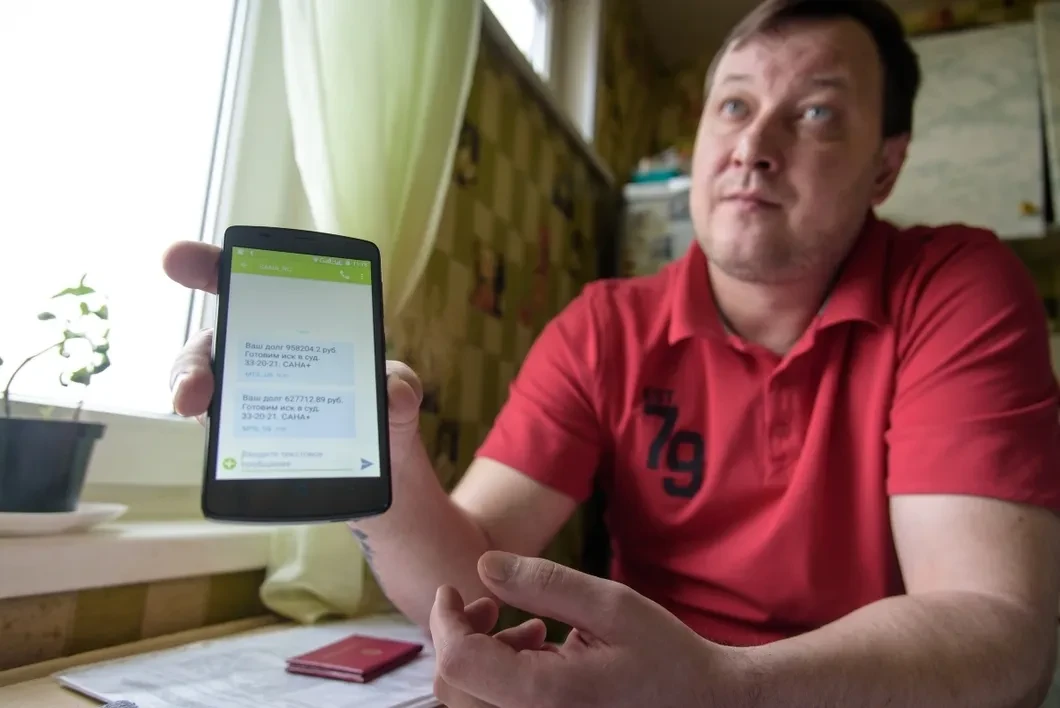
— Ни тем, ни другим «САНА», насколько мне известно, не является, — размышляет Шилик. — Тогда возникает вопрос: кто их контролирует на предмет раздачи денег в рост и еще с обязательным предоставлением квартиры в качестве залогового обеспечения? Nobody!
В законе «О потребительском кредитовании» говорится, что если компания выдает кредит более четырех раз в год, то это называется профессиональной деятельностью, замечает Владимир Шилик. Судя по документам, заемщиков у «группы компаний «САНА» за годы работы было куда больше.
Заемщики говорят, что все способы борьбы исчерпаны. Сначала были митинги и пикеты. Пострадавшие прошли колонной на первомайском шествии с плакатом: «САНА — верни нам наши деньги!» Выходили с митингом — за честную строительную политику. Дважды обратились к главе Карелии Артуру Парфенчикову, дважды — в Генпрокуратуру, Роспотребнадзор. Писали в карельское отделение Центробанка, стучались в местную прокуратуру. Бесполезно — отовсюду приходили отписки.
Reaction
На вопросы «Новой газеты» от лица «группы компаний «САНА» ответил Анатолий Шмаеник. Комментируя ситуацию, с которой столкнулись заемщики, он заметил: «Когда граждане брали займы, они не предоставляли информацию о том, что они многодетные семьи, инвалиды или просто неплатежеспособны. Компания исходила из того, что заемщик имеет желание и возможность исполнять принятые на себя обязательства». Также Анатолий Шмаеник добавил, что с момента наступления валютного кризиса в 2014 году компания рефинансировала в рубли более 300 договоров. «Такая возможность была предоставлена всем заемщикам, которые обратились в «САНА» за помощью, имели желание выполнять свои обязательства, а также не имели на период обращения длительной просроченной задолженности», — заверил он.
Комментируя правовой статус группы компаний, Анатолий Шмаеник заявил, что «выдачей займов занимаются отдельные организации, и их деятельность не противоречит действиям законодательства, займы выдаются в соответствии с Гражданским кодексом РФ».
Отвечая на вопрос, оказывает ли поддержку бизнес-структурам Ольга Шмаеник, а также родственники Андрея Свидского, сообщил:
«Ответ — нет. Более того, за последние 10 лет нам никто из государственных муниципальных структур не оказывает никакой поддержки».
Зампред карельского парламента Ольга Шмаеник, замминистра экономического развития и промышленности Карелии Янина Свидская, а также прокурор Петрозаводска Елена Аскерова проигнорировали запросы «Новой газеты».
Хотя именно они могли бы помочь многим оказавшимся в беде семьям Петрозаводска. Но последние надежды заемщиков на помощь от региональных властей исчезли после того, как 85-летняя пенсионерка Надежда Меснянкина написала письмо Ольге Шмаеник, депутату «Единой России» и зампреду Заксобрания. Пенсионерка просила не забирать часть ее пенсии в счет долгов перед аффилированной компанией из «группы «САНА». В итоге письмо, адресованное депутату, очутилось у мужа депутата — предпринимателя Виктора Шмаеника, одного из совладельцев «группы «САНА». На судебном заседании по взысканию долга с пенсионерки он попросил приобщить письмо к материалам дела.
Меснянкина суд проиграла, из квартиры ее выселили. Ее адвокат говорит, что письмо, приобщенное к делу, на решение судьи вряд ли повлияло. Удивил цинизм. А исход процесса и так был понятен.
Алиса Кустикова , «Новая», Сергей Маркелов , специально для «Новой»