
Translated material
Diplomacy on the nerves
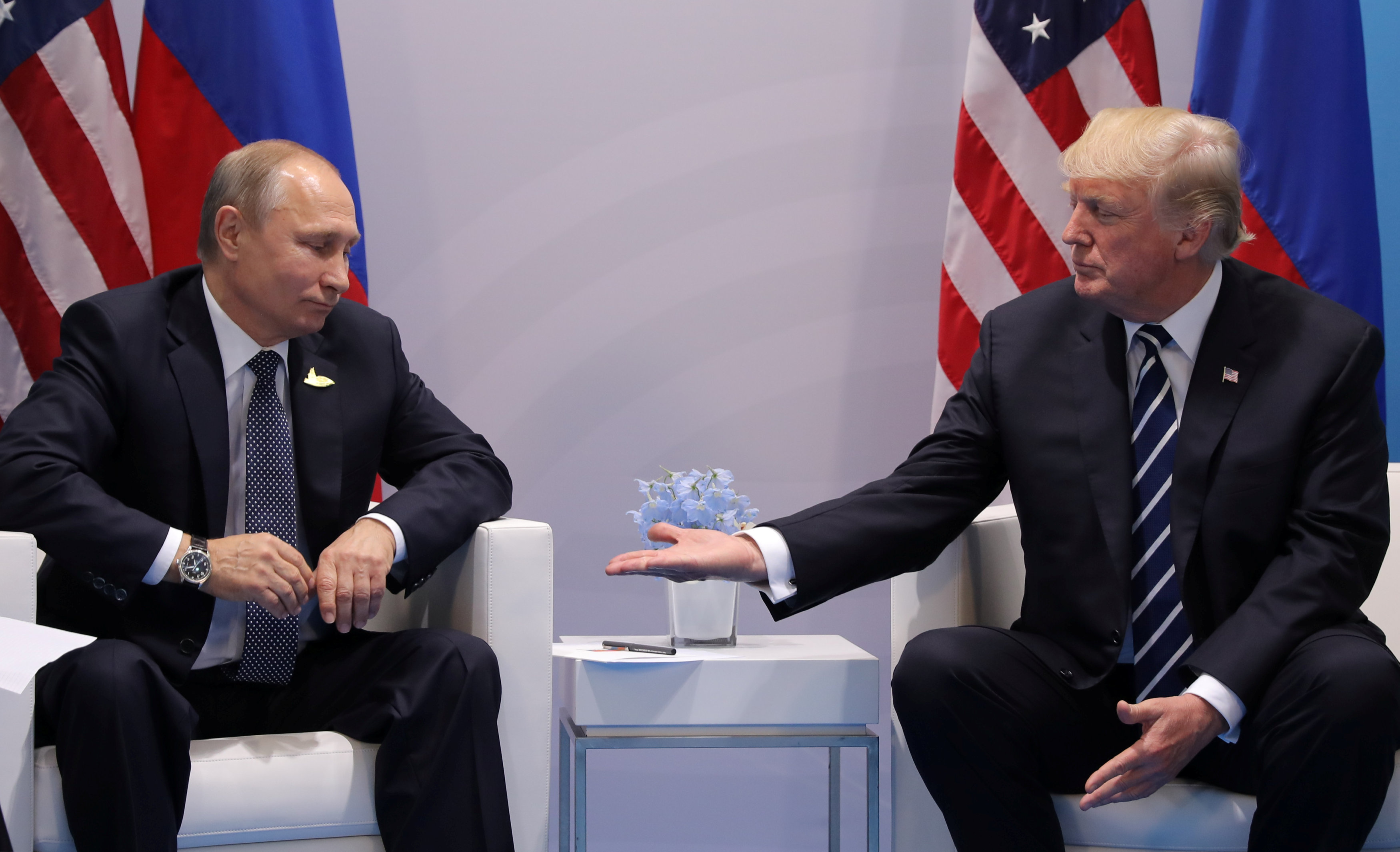
Why are there so many emotions in foreign policy?
- The foreign policy of the largest countries has become extremely emotional, and the language of politicians and diplomats acquired sharp and even rude forms.
- When a stable system of relations and institutions begins to fall apart, personal relationships play an increasing role.
- Russia is used to feeling a great power, but now there are no real resources for this.
- In the Russian sense, "dear country" is a country dictating its rules by gross power.
- Russia has turned into one of the main suppliers of fear in the international arena.
Sergey Medvedev: I recall the film Pedro Almadovar "Women on the verge of a nervous breakdown." Now, it seems to me, it’s just right to shoot the film "Presidents on the verge of a nervous breakdown." President Putin constantly talks about humiliation, the resentment of Russia, about Russia's respect. President Trump writes and erases emotional tweets. Boris Johnson behaves very emotionally on the Internet. Emotion has seized modern politics, we can talk about a kind of emotional. Details are in the plot of our correspondent Anton Smirnov .
Full video version of the program
Anton Smirnov: On April 14 this year, the Allied forces, led by the United States, inflicted a missile blow to government facilities in Syria. The world was a step away from the global conflict. Washington and the Kremlin are trying to draw new red lines in the world after the “end of history”, where the old deterrence mechanisms ceased to work. The story ended along with the completion of ideological confrontations between Russia and the West. It seemed that the parties have nothing more to share, but rationality did not become the rule of international politics. Russia and the West continue the section of the spheres of influence in the world, reinforcing its actions with strange theses about national interests.
In such a tense atmosphere, it is difficult to understand the logic of the parties: it seems that they do not have a rational line and act, rather, by a hunch, trying to impress each other. True, the price of such a game is the danger of a new world war.
Sergey Medvedev: Our guest is a professor at Higher School of Economics , the Department of Political Science, and Professor of the Higher Superior Olga Gulevich , the Department of Psychology.
I will ask the first question to Mark as a person who defended his doctoral dissertation about the role of emotions in politics. Such an incredible influx of emotions occurs both in domestic and foreign policy or is it connected with some specific characters?
Mark Urnov: Not only with them. When a stable system of relations and institutions begins to fall apart, personal relationships play an increasing role: subjective perception arises, and emotions are connected. In addition, a new system of communication of various kinds of politicians with the public has appeared - through networks. Previously, there were elites who controlled access to people, filtering information through newspapers and so on. And now any person from the outside, having an elementary skill of exit on the network or money, can run on the side, turn to the public, and the audience will always support something interesting, and then everything begins to develop strangely.
The audience primarily perceives not the program or speech of the politician, but the flow of emotions emanating from it
The audience primarily perceives not a program or speech of a politician, but a stream of emotions emanating from it, so everyone, one way or another, begins to use it. This is now we have - the lack of rules, because new people have come, and the relations are largely new between Russia and the USA, and between Europe and the USA, and between the developed world and the third world, and completely new people who did not have passed the elite education in the West. But we are asserted, we want to prove something to everyone, and there is nothing to prove especially-it means that we must take emotions.
Sergey Medvedev: Olga, how do you determine the emotional types of people who now make the main decisions and are in the focus of the media?
Olga Gulevich: The point is not about emotional and not in the stable personal types of Trump or Putin. Here is a large thing in what situation people are in different countries. In the modern world, this is often a situation of uncertainty: somewhere the rules of the game have changed or destroyed, and the new ones have not yet lined up, and people generally react to this painfully.
The second is a certain idea of the voter, about a citizen as a creature that is more likely to be on very simple thoughts and emotions than for some kind of argument. This is akin to the idea of the 19th century about people as completely irrational creatures who cannot think and react to simple ideas.
Sergey Medvedev: Are these really emotional political actions, are they dictated by emotions?
Olga Gulevich: Emotions generally play a large role in human life, like analysis and politicians are also people. But it is very difficult to say what exactly one or another solution is dictated by: a momentary reaction of a person or some long-long calculation. Politics is the area where self -presentation is very important, where the actions of people are largely determined by long -term goals. It can be a spontaneous reaction, and this can be a game of a spontaneous reaction, an attempt to impress.
Mark Urnov: Now many interesting books have been published about how the leaders of different countries were sick: Britain, the USA, ours. Basically, from the point of view of psychosomatic, this is disease, generated by an increased aggressive tense background. In other words, the current policy is mainly formed by people with an increased aggressive background, and this must be taken into account.
And the second. When, in some exciting situation, a person is overwhelmed, the good old law, opened at the beginning of the twentieth century: being tense, you are prone to simpler decisions. And here there is a very dangerous feedback. And when the media are connected, which are driven through all channels, if not chernukha, then certain militants in which the muzzle beat everyone, the general aggressive background increases, the aggressive component of the emotional atmosphere of society increases, and here we can finish.
Sergey Medvedev: Fascism of the 20-30s is a product of emotion?
Mark Urnov: Not only. Destroyed Germany, it is disgusted, people are tense and embittered - and here a person appears with a clear charisma and a very high aggressive background, which says: "I know who our enemy is! I will come and his estimate!" And they naturally begin to support it, because he turns to very deep collective emotions. The society is fragmented, a person suffers, he is lonely, and here crowds of people go outside with the march "Germany, awaken!", Waving with flags and torches. This is absolutely the same as Bolshevism, only differently: the Nazis do not like Jews, and the Bolsheviks do not like the bourgeoisie.
Sergey Medvedev: That is, the first half of the twentieth century actually blew up two such irrational and emotionally charged projects.
Mark Urnov: Yes, emotionally charged, opposing relaxed, excessively rational liberalism: we are not alone, we are going, and we have a great goal! Mussolini did the same, but a little more elegant, and in Russia and in Germany it bloomed with a terry color.
Olga Gulevich: I would say that politicians are not in a situation of aggressive tension, but in a situation of stress. Strong stress, the situation, when something needs to be done quickly, often exceeds the capabilities of people, requires great responsibility, they resist for some time, but there is a stage when the body, on the contrary, is going to, and we begin to act very actively. And then the stage of depletion of resources sets in, and people who are constantly in a stress environment are either exhausted, or, not wanting to get into such a situation, limit the circle of information that they use and make simpler judgments.
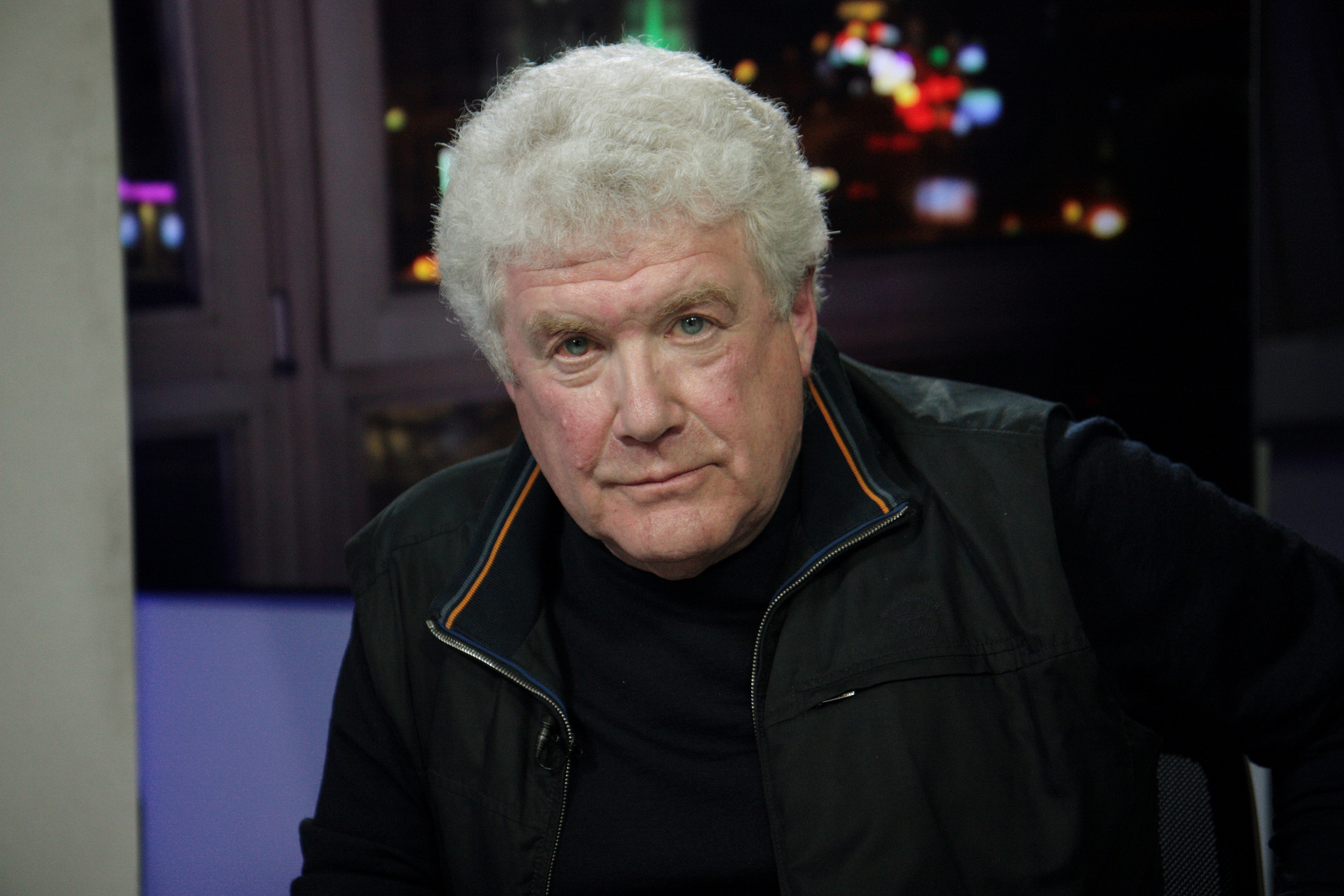
Mark Urnov: The matter is not only in stress: when there is a competitive policy, you have to fight, and people-boxers come to the surface.
Sergey Medvedev: It seems to me that the whole thing is in a media stuffing. The policy of the XIX century is mediated with the help of huge institutions with a thousand -year history: parliaments, forums where the will of the sovereign is declared, and then the sovereign was combed by the left heel - and he immediately writes a tweet, which tens of millions of people instantly read.
Olga Gulevich: And the story of fascism and in general with charismatic leaders is interesting because it is long -standing, and it is repeated in Russia. Psychological studies show that incentives that trigger the sense of existential uncertainty, for example, reflection on death (and viewing terrorist acts, launches thinking about death) lead to the fact that people begin to maintain more familiar, more conservative ideas, follow more than charismatic leaders. And in conditions of the same fear of death, people begin, defending themselves, giving very simple assessments, maintaining something understandable and native to them, including their belonging to the group. Studies show that in this state, people are more involved in such extremist organizations that they do not support in a more calm, confident state.
When there is a competitive policy, you have to fight, and people-boxers come to the surface
Mark Urnov: And Germany in this sense is a classic example. In 1918, they adopted a wonderful liberal constitution, several years passed - and the same people happily supported Hitler.
Sergey Medvedev: Contemporaries wrote about this - Thomas Mann, German Hesse, people who saw the formation of fascism and fled from him. And now we are in the last stages of the Art Nouveau, which was destroyed by modern media civilization?
Mark Urnov: both Nazism and Bolshevism are manifestations of the deepest crisis of secular civilization. Now the civilization will have to change deeply, in many respects abandoning the vision inspired by enlightenment. If the current civilization does not change his mind and will not be engaged in the search for deep spiritual, largely religious values, then the collapse will come if not in my life, then on the life of my children generation, and we will see a completely different picture of the world.
Sergey Medvedev: I have the feeling that the current Russian diplomacy is an example of this very emotional policy, at least the words of its speakers: from a representative to the UN Nevenseni to Maria Zakharova, we hear entirely emotional arguments.
Mark Urnov: For today's Russia, the emotional argument is especially significant and strong. For about 500 years, the country was used to feeling a great power that decides something, and these decisions affect the whole world. After the collapse of the Soviet Union, it becomes more and more obvious that the great power and even more superpower Russia will never be in life. There are no resources for this. The maximum that we can count on is on a certain regional power that somehow affects its closest neighbors.
But the adoption of this is a whole psychological revolution for the elite and for the population, which is used to feeling like Stalin’s in 1939, when he said that "the very last Soviet man is better than the very first bourgeois bureaucrat." You can live in a full trash, but you feel like a citizen of a great country. Now it is gone, and it is wildly painful. It is impossible to take it so easy and in one click to accept what we are now different. And very painful and strange, at times with terrible mistakes and consequences, the country tries to find this niche, partially trying to retain itself, and at times, in general, refusing, as Putin did until 2006. But now the term "great power" is starting to be used again. So for us it is not just a search for some political solutions and a long-term strategy, but really the search for your emotionally saturated image and the monstrous painful sense of the loss of an expensive, familiar image.
Here, of course, the resentment, and the inferiority complex, and the fact that “you consider us to be so, but we actually” ... And they begin to recall the culture, about the fact that we won the war, everything goes into the line just to prove to everyone that we were the same as we were, and we are no longer the same, hence the such half -threshold.
Olga Gulevich: There is a concept of national, social, civil identity as a feeling of belonging to a group. People who are very identified with their group are ready to work for its good and protect it. And in this regard, a person who identifies with his country is ready to stay here and work in any conditions in order for something to change for the better. In order for a person to feel like a part of the group, he must understand who the "we" are and his place here.
There is an important point, and if we understand it, it will be the key to our development. There is some dominant idea of what it means-"dear country." This is a country that has weapons that can beat everyone, so cool - it is in Russian discourse. This is not the only but common option.
Sergey Medvedev: Norway or Switzerland has other ideas about a respected country.
Mark Urnov: By the way, in the public opinion of Russia, not only this is present, there is a need for a country comfortable for living.
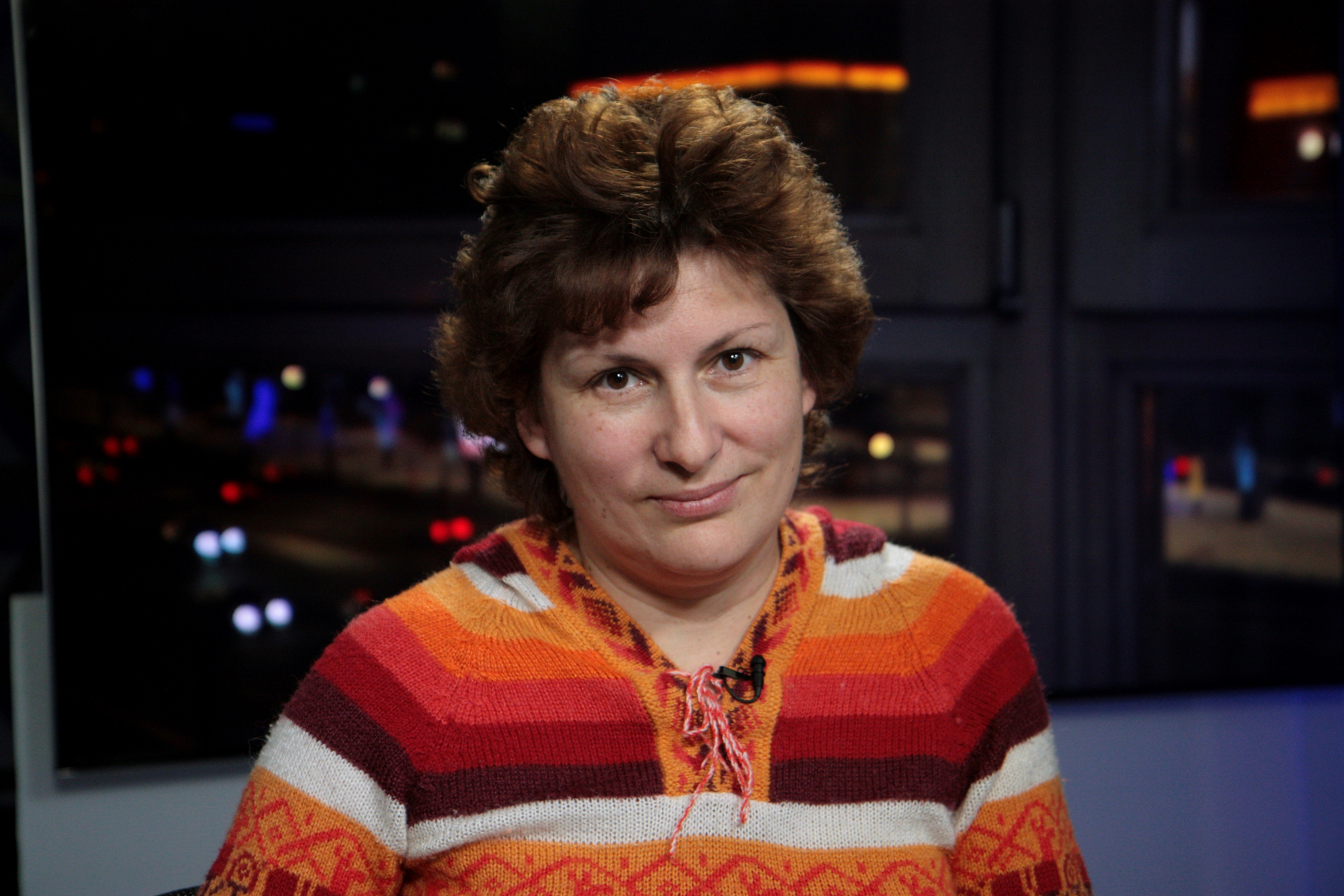
Olga Gulevich: The idea that they respect only for force is characteristic of certain groups of people, for certain subcultures, but it is not the only one. Respect for economic development, for activity, a lot for what. And in fact, we have lost the status of a great power, but this idea is held in our heads that the Great Country is a country that affects everyone and can make everyone dance to its pipe. If we understand that there are other options for greatness, it will be a way out.
Mark Urnov: By the concept of "great power", two components are meant: what is called the "resource of stiff power" when you can force; But there is also a “resource of soft power”, attracting to himself, making you exemplary and allowing you to follow. Saying that there are no resources, I mean that there are neither resources of "soft power", nor resources of "strict power", and you just need to come to terms with this. We really cease to be in the company of superliders! We have a giant number of problems, we do not enter the group of leaders, except for one parameter - protruding combat missiles.
Sergey Medvedev: An important parameter that Putin understood very well is the resource of fear. Russia has turned into one of the main suppliers of fear in the international arena. Even the Skripal case in this sense must be investigated. We still do not know where these threads are reliably led, but it is obvious that it has already played the benefit of Russia, because everyone understands that the Russians can: they, if anything, are thrown into a chemical weapon. And through the emotion of fear, Russia compensates for all this multiple lag in both hard and soft power.
Mark Urnov: It is very similar to that, because, in addition to the hydrogen bomb and some unpredictability, there is nothing in the reserve in order to force them to talk with them as equals - with the United States, which has a gross domestic product an order of magnitude more than ours, or with Europe. The US military expenses are eight times more than that of Russia, for NATO as a whole - ten times, China - three times. In this sense, the race is meaningless. The population of the population is much worse than anywhere else, labor productivity is two and a half times lower and so on. No trump cards! It remains only to frown.
Sergey Medvedev: There remains a "novice" or a hacker attack on a critical infrastructure.
Mark Urnov: Of course, they look and are afraid, but it will come out sideways. When they start to be afraid of you, they don’t trust you, respect for you is falling.
Olga Gulevich: There is fear, and there is anger. These are fundamentally different emotions. Fear is an emotion that causes avoidance, anger is an emotion that causes an attack. Moreover, there is a rather famous such approach to emotions and subsequent behavior: there is a primary emotion, the primary reaction of fear and anger, and then there is a cognitive analysis and secondary emotions. A person who was scared at first, after thinking, can experience anger, and vice versa. And the work of Skripal can cause both fear and anger, and one can perfectly turn into another.
Sergey Medvedev: And lead to sanctions and to force.
Mark Urnov: Actually, he is already leading.
Olga Gulevich: Of course! The idea that the powerful power is kept on fear, of course, can be short-lived, but in the long-term perspective to confirm this status, you need to do something else all the time. On fear, neither the country nor large or small groups endlessly hold.
Russia has turned into one of the main suppliers of fear in the international arena
Sergey Medvedev: And Stalinism?
Olga Gulevich: And this is a short time in the historical era!
Mark Urnov: We now have a clash of two worldviews: one is configured to scare and increase the military budget, the other-in general, put up and fit into civilization. In the presidential message, these two lines are simply as not stitched parts: present, but incomprehensible. And what will win as a result? I hope that after all, the first, because with the second we simply will not survive.
Sergey Medvedev: And in Western politics: Trump’s phenomenon, Brexit's phenomenon is also emotional outbursts?
Ольга Гулевич: В тот день, когда объявили о победе Трампа, в зубной клинике рядом со мной сидел человек, у которого были родственники в Америке, и он говорил своему другу: "Да у меня все родственники голосовали за Трампа! Понимаешь, им так надоели бесконечные знакомые имена – Клинтон, Буш, Буш, Клинтон и так далее, – что они решили попробовать что-нибудь новое". То есть это нерациональная реакция в смысле анализа интересов, но это и не совсем эмоциональная реакция, это попытка изменить сложившуюся ситуацию, которая не устраивает. У разных людей были разные причины голосовать за Трампа.
Марк Урнов: Конечно, это потребность увидеть новое лицо, а с другой стороны, Трамп, не прошедший школу политической элиты, нормальный средний американский бизнесмен, сейчас несет то, что должен нести, и это меняет стилистику. А что касается Брекзита, это пакостность сетей и СМИ. Если раньше можно было вякнуть что-нибудь типа "а давайте мы уйдем", – пойди еще там и проведи какой-нибудь референдум, а тут ты вбросил идейку, ее подхватили, она распространилась через сети, всех заразила: проводим референдум, и бац – получаем то, чего не ожидали. Сегодня цена слова политика становится куда более высокой, чем раньше.
Ольга Гулевич: Чтобы идея распространилась, нужна поддержка людей: чуждая людям идея так легко не распространится.
Сергей Медведев: Хамство – это, наверное, главное, что беспокоит меня в нынешнем языке внешней политики, и этого не было еще даже года три назад. Причем, если раньше можно было кивнуть на определенных представителей России, то сейчас это все чаще доносится с разных сторон.
Марк Урнов: Вот это эффект медиа, сетей, когда все, что ты говоришь, оказывается в распоряжении простого избирателя, а он говорит простым языком. Человек хочет продемонстрировать публике: я один из вас, поэтому я буду говорить так, как говорите вы.
Сергей Медведев: Грубость как элемент популизма…
Марк Урнов: А отчасти это приток в элиту необкатанных людей со двора.
Сергей Медведев: Вспоминается определение актера Серебрякова: национальная идея России – это хамство, наглость и сила. Чем грубее ты показываешь свою силу, тем ты более политически эффективен.
Марк Урнов: У нас нахамить партнеру по переговорам, показав начальству, что ты лоялен и смел, значительно лучше и безопаснее, чем оказаться мягкотелым.
Сергей Медведев: А Россия – вообще эмоциональная страна, если брать в целом национальный менталитет и способы коммуникации?
Ольга Гулевич: Страны различаются не столько выраженностью какой-то эмоции как таковой, сколько способами ее выражения и допустимостью выражения эмоций. Некоторые страны зачастую имеют такие эмоции, которых как бы нет в других странах. Например, когда немцы пишут статьи на английском, они долго объясняют читателям, что же это за эмоция такая: там разные виды зависти и так далее. В этом плане в России более, чем в других странах, допустима публичная демонстрация негативных эмоций.
Сергей Медведев: И все-таки та внешнеполитическая яма, в которой сейчас оказалась Россия, фактически исторгнув себя из мира глобализации и обрывая все связи с внешним миром, основана на рациональном расчете внешнеполитических интересов, или на эмоции всего социума, или на эмоции одного-единственного человека, который счел себя обиженным?
Марк Урнов: Происходящее сейчас – это просто последствия того, что важные внешнеполитические и внутриполитические решения обеспечиваются чудовищно низким по качеству аналитическим сопровождением!
Сергей Медведев: Но это же часть проблемы – нет аналитики, нет рационального просчета интересов, и вылезает эмоция одного человека, который считает: я обижен – и Россия обижена.
Марк Урнов: Если вы блокируете независимые СМИ, блокируете оппозицию, что остается потреблять? Спецдоклады, написанные с совершенно определенных позиций? Или какие-то верноподданнические доклады собственных подчиненных? Информация смещается. В условиях персоналистского авторитарного режима чиновник смотрит в глаза лидеру или вышестоящему чиновнику и думает: "Чего он от меня ждет? А вот я ему скажу так или так"... И начинается просто массовое искажение информации, и в результате принимаются неверные решения. Это не эффект одного человека, который ощутил себя обиженным, а кумулятивный эффект плохо отлаженной системы разработки и принятия решений, неизбежный для авторитарного режима.