
Translated material
Unlimited rulers
Vladimir Putin is in power for longer than the Secretary General of Brezhnev, but even less than the father of the peoples of Stalin. What threatens the country "senile egoism", as one of the doctors of the Soviet elite called it, - studied The New Times
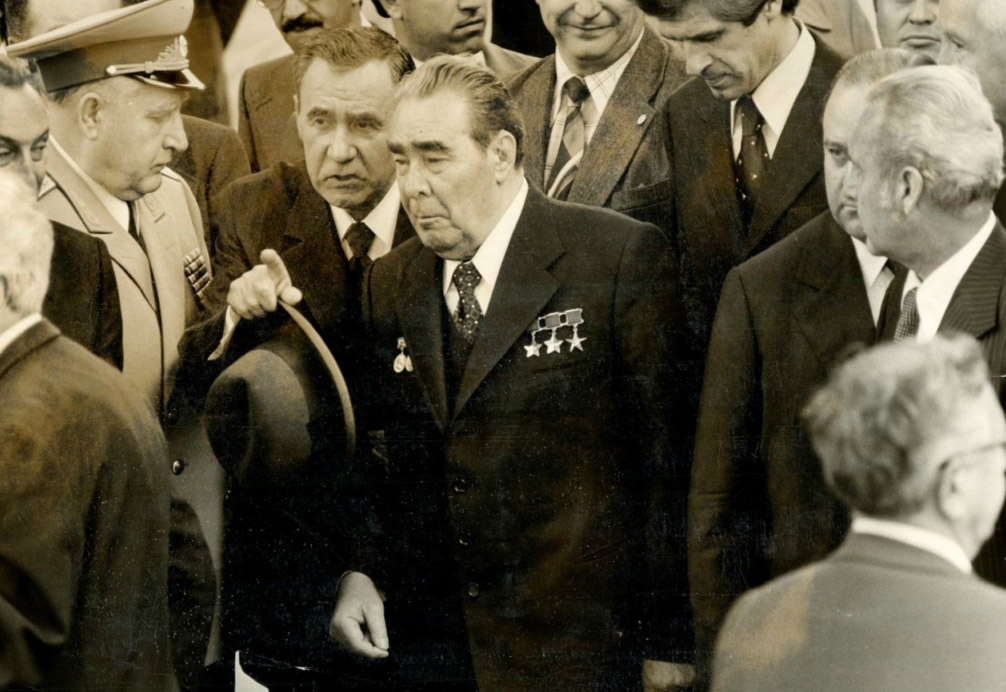
Photo: subscribe.ru
When the Secretary General of the CPSU Central Committee Leonid Brezhnev celebrated the next anniversary, the head of Soviet Ukraine sent him a congratulatory telegram: “Your years is an early golden autumn, which brings huge fruits for our people!”
Brezhnev remained unhappy: "What autumn are we talking about?"
He considered himself young and full of strength. Although the disease and unlimited power led to his degradation as a politician and as a person, Alexander Bovin wrote closely close to him. The owner of a huge country ceased to control himself, lost his ability to self -criticism, and seriously perceived the praise. When he got sick, unpleasant character traits got out - suspicion, willingness to believe gossip, the desire to show off, fantastic vanity.
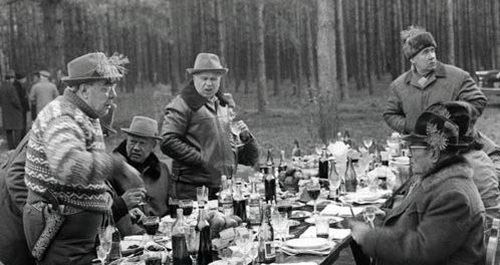
Brezhnev sailed in the pool, went to hockey, hunted Zavidovo. He came to the Kremlin for several hours, and even then not every day. He accepted foreign delegations, held a meeting of the Politburo and ran away. The meetings became more and more short. They did not want to burden the Secretary General. The head of the party office, Konstantin Chernenko, standing behind Brezhnev’s back, laying his papers, explained: “This must be read out ...”
Brezhnev read out a short sentence. Those present said: “Everything is clear. We agree with the opinion of Leonid Ilyich ... "
Once a meeting of the Secretariat of the Central Committee held in just eleven minutes. There was nothing to discuss and did not need. Brezhnev quickly tired and was burdened by official events, even official dinners in the granut ward took place at an accelerated pace. The waiters changed their dishes, preventing foreign guests with the opportunity to eat.
In 1982, during a lunch in honor of the President of Czechoslovakia Gustav Gusak, Leonid Ilyich recalled his guard, General Medvedev, not realizing that he speaks very loudly, turned to Tikhonov’s head during the high guest’s speech: “Nikolai, why are you not snacking?”
The head of Czechoslovakia fell silent. But Brezhnev continued to speak, and his voice spread through the subsided hall: “I can’t eat it. And come on, Nikolai ... Here at least take the salmon. "
The owner of a huge country ceased to control himself, lost his ability to self -criticism, and seriously perceived the praise. When he got sick, unpleasant character traits got out - suspicion, willingness to believe gossip, the desire to show off, fantastic vanity
Do not show weakness
Why do some leaders remain at a position to death, while others fail? History testifies: the leader retains power, while he is able to bless his environment - employees of special services, generals, and higher officials. Their main task is to keep the country under control, ruthlessly suppress any opposition. And they are ready to serve when they are well rewarded.
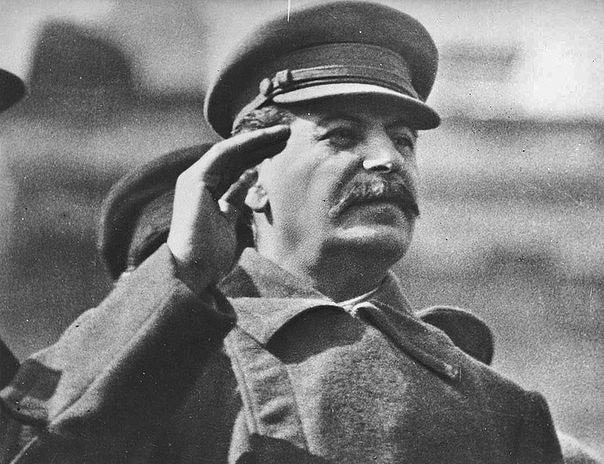
Therefore, successful rulers do not care about the people, but about their team, about the apparatus, about improvised ones. While the team is confident in their privileges, the regime is impregnable. As soon as doubts arise, orders cease to be executed. The danger lies in wait for the aging and losing grip of the rulers. If the leader weakens, gets sick, loses interest in what is happening, the environment feels that he can no longer count on high positions and enviable privileges: from the grave he will definitely not reward them for devotion.
That is why the leader is so important to the last not to show his weakness.
After the war, Stalin was old and tired. But only a few people knew that the leader lost interest in what was happening and practically stopped working ... He did not want to delve into difficult problems. Nikolai Patolichev, who after the war was elected secretary of the Central Committee, recalled how Stalin called him: “The leaders of Moldova asked me for a reception. They want to report something important. I allowed them to come to Moscow. But I have no time to accept them. I entrust you - accept them and figure it out. They say something is very bad for them. ”
What exactly “bad”, Stalin did not clarify, although he knew the situation in Moldova very well: the republic died of hunger. He did not want to do unpleasant business, although it was about the fate of the whole republic. And it felt great in the device.
It is believed that under Stalin the state mechanism worked as a clock. In reality, the leader’s tasks were performed only if Stalin gave them to someone personally and there was a danger that he could ask the result. The rest of the ideas and instructions hung in the air. The most innocent assignment was stringing to shove to someone else. The complete lack of initiative and independence was built in the principle of public administration: not to decide anything without Comrade Stalin!
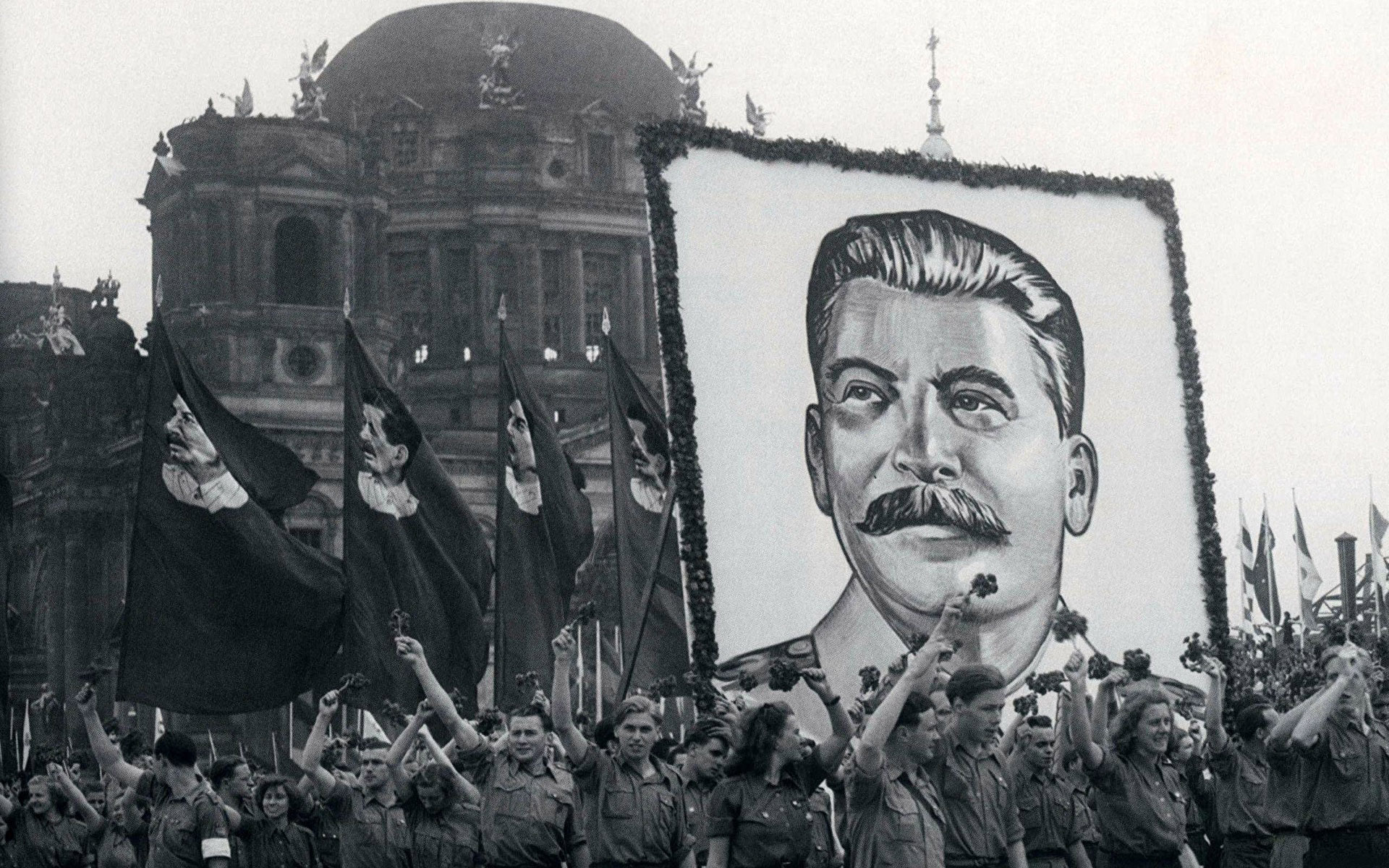
Photo: 1zoom.me
“We, the secretaries of the Central Committee,” said Alexei Kuznetsov, the secretary of the Central Committee initiative subordinates, “do not solve many issues on our own, we consult with each other and very often put them higher, before Comrade Stalin, and we receive instructions for each issue. And you decide too independently! "
That's the result: the state apparatus did not work, but was engaged in intrigues and followed the constantly changing balance at the top. The Politburo was supposed to be collected weekly. In 1950, six official meetings of the Politburo took place, in 1951-four.
The state of health did not allow the leader to fully engage in the affairs of the country. But he could still shoot, plant and shoot. One night, collecting his associates in his country house, he warned: “You have been old. I will replace you all. "
The danger lies in wait for the aging and losing grip of the rulers. If the leader weakens, gets sick, loses interest in what is happening, the environment feels that he can no longer count on high positions and enviable privileges: from the grave he will definitely not reward them for devotion. That is why the leader is so important to the last not to show his weakness
No one should know
When Stalin felt bad, he did not allow anyone to himself, even the closest associates. He did not need purely human sympathy. And he did not want someone to spend about his ailments and saw the sick, especially lying in bed.
The analyzes that he took from him were written out in the name of the duty officer of the Main Directorate of the MGB Security (Ministry of State Security). Everyone was supposed to assume that the leader was full of strength and works. But foreign correspondents wrote that Stalin is old, sick and, perhaps, will leave the Kremlin soon. Reading reviews of foreign press, he lost his temper and demanded that the Chekists find out from whom foreigners receive this information.
Brezhnev put a trusted person at the head of TASS - Leonid Zamyatin. He explained to him the main task: "I want you to select the information."
The General Secretary was handed over to the main source of information about the situation in the country and the world into the hands of a person devoted to him. Including in order to control the information received by the members of the Politburo. Among TASS's service messengers was the most secret series - OPP (“Review of Foreign Press”) for senior management. It placed all the “anti -Soviet” messages, including unpleasant marks that gave the Soviet leaders abroad. Zamyatin vigilantly made sure that the assessments of the state of Brezhnev did not fall into the OPP. And the members of the Politburo did not know that the Western press writes about the health of Leonid Ilyich. The worse he felt, the more obvious the signs of his decrepitude were, the more important it was to hide not only from the people, but also from the party comrades.
The analyzes that Stalin took from Stalin were discharged in the name of the MGB Main Directorate of the Main Directorate (Ministry of State Security). Everyone was supposed to assume that the leader was full of strength and works
Checking for lice
Having got sick and old, Brezhnev eliminated current affairs. Once he suddenly said: “But should I retire? I feel bad more and more often. ”
KGB chairman Yuri Andropov immediately replied: “Leonid Ilyich, you are just living and do not worry about anything, just live. Your associates are strong, we will not fail. ”
Brezhnev was touched and said with tears in his eyes: “If you think so, I will work.” The main control levers, including personnel, remained in his hands. And everyone was still afraid not to please him.
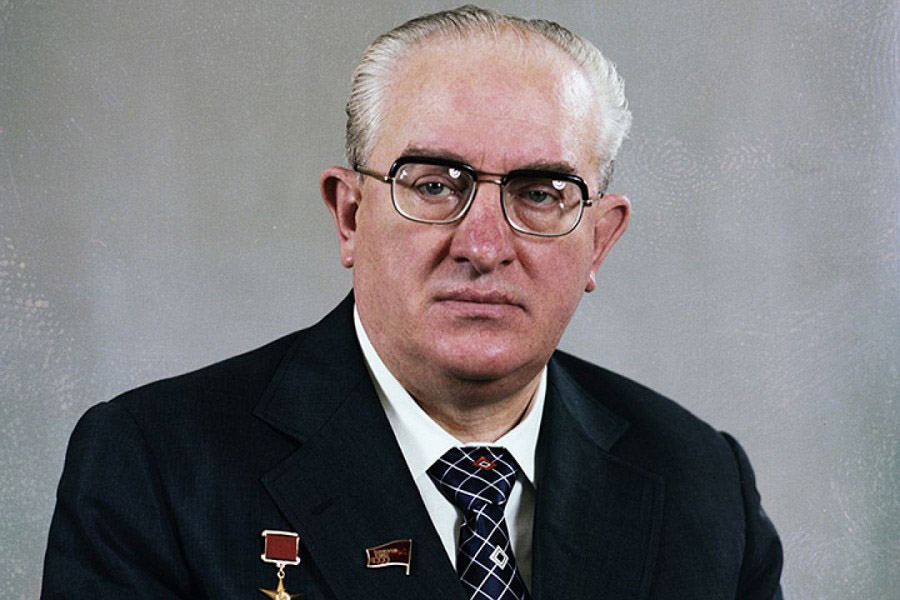
was forced to be almost constantly
In the hospital photo: oleg.livejournal.com
The strongest impression of the Brezhnev funeral ceremony in November 1982 is the appearance of very elderly weak people who remained to lead the state. The new Secretary General Yuri Andropov suffered from a bouquet of serious illnesses that forced him to be almost constantly in the hospital, where he was done by painful procedures.
In the main party archive of the country, I held in my hands the working calendar of the General Secretary of the Central Committee of the CPSU: empty pages, rarely-one or two of the names of the invited to the Kremlin. Andropov accepted few and was completely deprived of the opportunity to ride around the country.
In 1983, the Politburo considered the issue “about the work regime of members of the Politburo, candidates for members of the Politburo and Secretary of the Central Committee.” The second person in the party, Konstantin Chernenko, was crazy colleagues: “Our decision is not fulfilled - to limit the working hours from nine in the morning to five in the evening, and comrades with the age of more than sixty -five years to provide a longer vacation and one day a week to work at home.”
Andropov said: “You can look at the age composition of the Politburo in every way. Here is the concentration of the political experience of our party, and therefore the hasty, ill -conceived replacement of people can not always be good for the matter ... With a red -hot rhythm, we can lose much more than to purchase ... We need to install the day for each member of the Politburo so that it can work at home. ”
Andropov hardly got up from the table. When he walked, he was supported by two guards. A deeply tired person, he hardly performed his functions. Of the fifteen months, only eight worked for him after the election by the Secretary General.
Instead, Chernenko was elected general secretary, and at the head of state was an equally ill person. The guard constantly brought him to the rest room, where the doctors installed an oxygen apparatus that helped him breathe. Blide clung to life, invigorated. But by the end of 1984, he did not come to the Central Committee every day. And then he sat only a few hours.
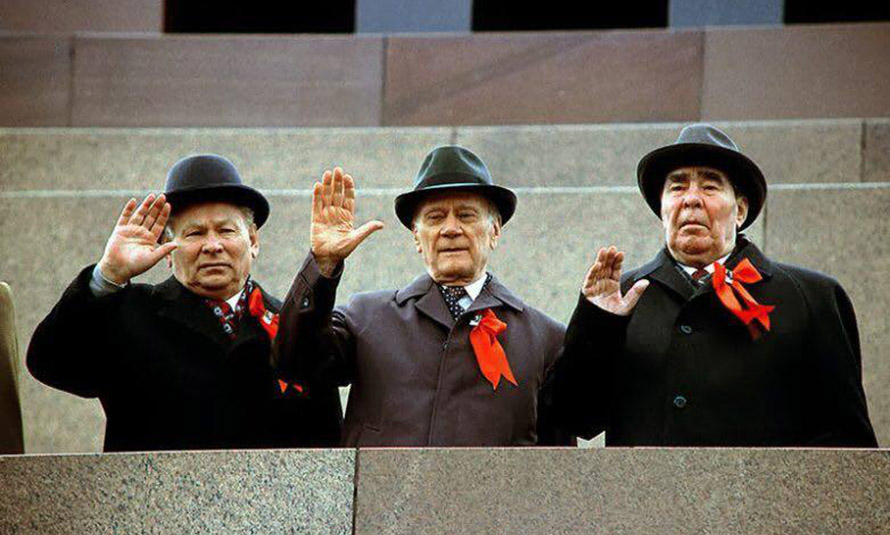
Photo: djinjik.ru
Konstantin Ustinovich called the Minister of Foreign Affairs Gromyko: “Andrey Andreevich, I feel bad. So I think if I myself should resign myself. I consult with you ... "
Gromyko, who was already 73 then, replied: “Would it not be forcing events that do not meet the objective position? After all, as far as I know, doctors are not so pessimistic. - So, do not rush? - Konstantin Ustinovich asked with hope in a weakening voice. - Yes! It is not necessary to rush, it would be unjustified, ”Gromyko answered.
Three days later, Chernenko died.
The daughter of Nikita Khrushchev, pleased with Adjubey, with knowledge of the matter, said that after five years spent on the political Olympus, the owner of the country loses the idea of real life. Stalin led the country for three decades, Khrushchev - ten years, Brezhnev - eighteen
Summarians and certificates
The daughter of Nikita Khrushchev, pleased with Adjubey, with knowledge of the matter, said that after five years spent on the political Olympus, the owner of the country loses the idea of real life. Stalin led the country for three decades, Khrushchev - ten years, Brezhnev - eighteen.
But maybe the leaders were informed by assistants, advisers, KGB?
People who are far from the authorities with mystical reverence relate to documents marked with the frightening vulture “Top Secret”. It is believed that the highest wisdom lurks in the encryption of state security. We are sure that if they gained access to intelligence reports, then all the secrets of the world would be revealed to them. Knowledgeable people are much more skeptical. Vadim Pechenev, a former assistant to the Secretary General of the CPSU Central Committee, said: “If people who were inquisitive by nature knew how many unique“ secret ”literature I returned without reading, or even grinded, without looking into it, in special vehicles, how many“ super -secret ”(in quotation and without) papers, telegrams, the so -called slopes from Politburo, KGB, GRU, I wrote off without reading! .. "
If he had read all these encryptions, Pechenev thought, they were unlikely to help him understand big politics. The flow of the information coming to the owner was huge. But the special services do not report what can cause the host’s discontent. The picture of what is happening in the country and the world is consciously distorted. And the country's leadership did not seek to receive comprehensive information! One of the most famous Soviet intelligence officers, Colonel Yuri Modin, recalled: “In all countries, secret services are trying to get as much information as possible on a variety of issues, then it is evaluated and distributed between various government organizations. Our work methods were completely different. We have always received an order to extract only certain information from above. ”
Not reconnaissance information was the source material for the analysis of political processes, but the own ideas of the leaders about the world order. The special services were required to confirm the correctness of their conclusions. The leaders wanted to know the truth only about their own nomenclature.
First Deputy Foreign Minister Georgy Kornienko once came to the chairman of the KGB Andropov. He said that documents from the captured building of the American embassy in Tehran were published in Iran. There were also a certificate sent from the central apparatus of the CIA about prominent Soviet officials. Kornienko discovered a certificate about himself. With a laugh, he noticed that the CIA does not work well - he does not know that he served in his youth in the state security organs and has the title of captain. “I felt with my skin that I was very upset by Andropov,” Kornienko recalled, “it turned out that he also did not know this“ details ”of my biography. A thing of a trifle, but I realized that he was unpleasant for the very fact that he, the most informed person in the state, did not know something about the person with whom he had dealt for many years. " The KGB chairman was seriously angry with his subordinates: "And my shit did not bother to tell me about it."
Special services do not report what can cause the host’s discontent. The picture of what is happening in the country and the world is consciously distorted. And the country's leadership did not seek to get comprehensive information
Senior egoism
As for the assistants, the daredevils who cut the leader the truth-uterus do not make a career. On Olympus, the not those who will recalculate the owner, but those who are able to guess the wishes of the owner are preserved. If the environment decides to report something unpleasant, then the owner does not want to hear this.
In January 1981, work on the reporting report of the Central Committee Congress of the CPSU was in Zavidovo. An ordinary brigade are the assistants of the Secretary General, employees of the departments of the Central Committee, trusted journalists. The draft report mentioned corruption in healthcare. Brezhnev asked incredulously: “Is it really true? Have you really reached this? "
Those present confirmed that this is the case. The assistant Secretary General of International Affairs Andrei Aleksandrov-agents, a sharp in nature, added: “You know, Leonid Ilyich, even in our hospital for the authorities, in the Central Design Bureau, there is a firmly installed dachshund-how many operations“ on a paw ”for a paw. Brezhnev shook his head in surprise. From the report, this passage was deleted.
The level of ideas of Andropov (recent chairman of the KGB!) About the life of Soviet society is characterized by such a story. His son Igor told how he once complained to his father, that the Malyars who repaired the apartment work out of hand badly: “What is the problem? - Yuri Vladimirovich answered angrily. - We need to call them to the party meeting in the house management and make it good there! .. "
Talking with the chairman of the Council of Ministers of the RSFSR Vitaly Vorotnikov, Andropov wondered: “Why are there no socks, towels? Why are the simplest requests to go to the Central Committee - to Gutalin and toothbrushes? ”
The dead gripping upside down held on their place. “The very old leaders, very sick, did not retire,” wrote Minister of Health Academician Boris Petrovsky. “They were not up to change.” Would survive to the natural end with power and their own well -being. You know, doctors even have the term “senile egoism”. So, during the years of stagnation in the leadership of the country, "senile egoism" immediately flourished.
The leaders, who, by age and state of health, had long been retired, were retired until the last. In our system there is so far in power - everyone needs you and you have everything, but retired - you are nobody.
* Leonid Mlechin is a journalist, writer, author of many books about the Soviet elite, including: Yuri Andropov. - M., Center Polygraph, 2008; Brezhnev. - M.: Young Guard, 2008